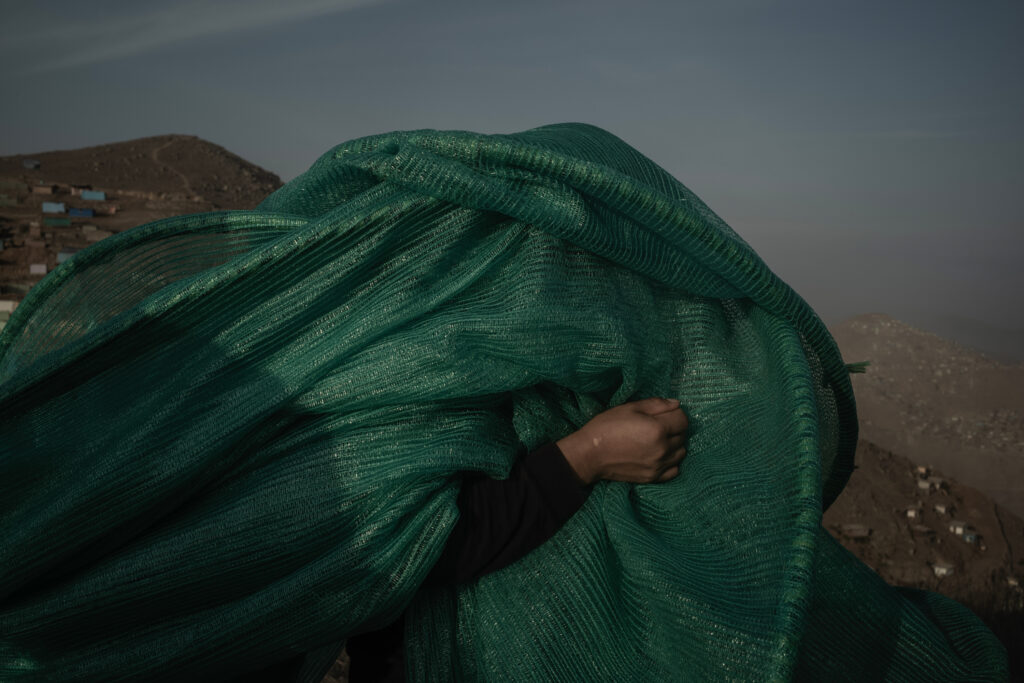
In the hills of Lima, the NGO Peruanos Sin Agua is rolling out and innovative water system: fog nets that capture airborne moisture.
Water is life – and for the people of Lima, water is a social and political issue too. The desert city’s water resources are limited, and access to clean water is stratified by class and location. Creative solutions are necessary. Photographer Alessandro Cinque Alessandro Cinque documents one innovative method: fog nets that capture airborne moisture, which – when condensed into water – can be stored and used for irrigation and drinking.
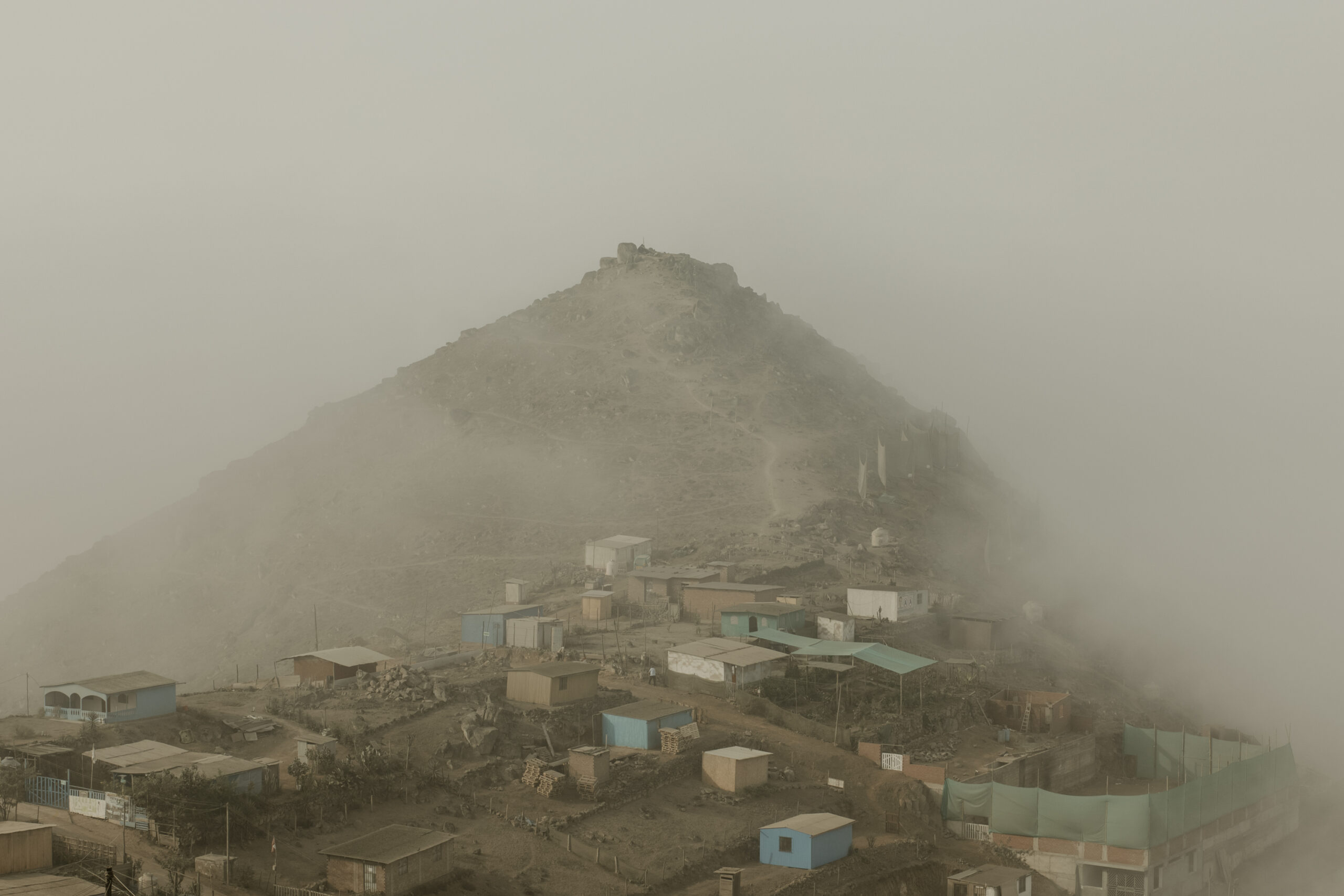
Invasions of Lima’s urban areas have several stages. In the first, people illegally occupy land by setting up camping tents. After the first few weeks have passed, if they are not cleared by the police, they start building wooden houses. You can see from the photo that this invasion has been going on for at least 5 years, as people have invested money to optimise their homes.

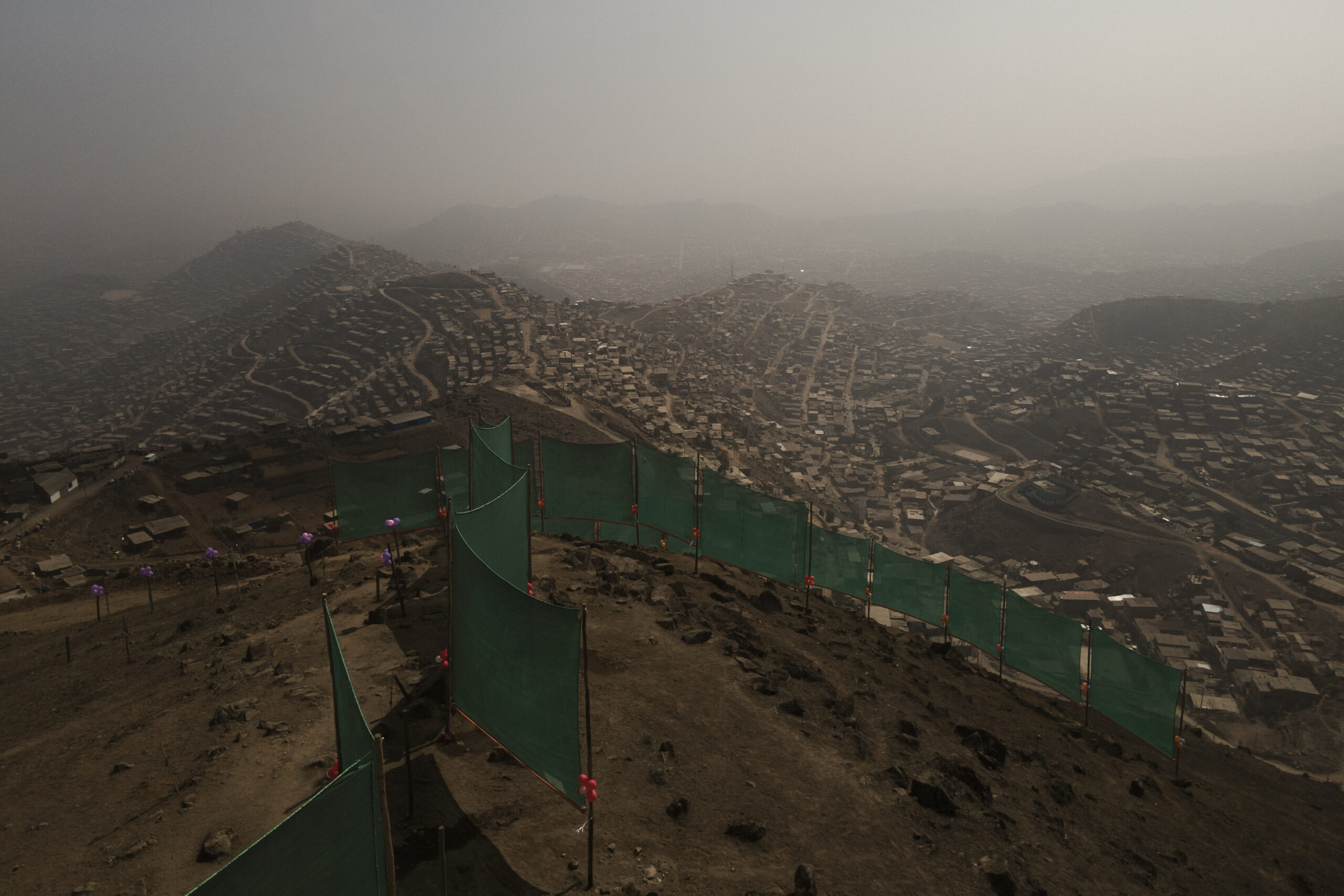
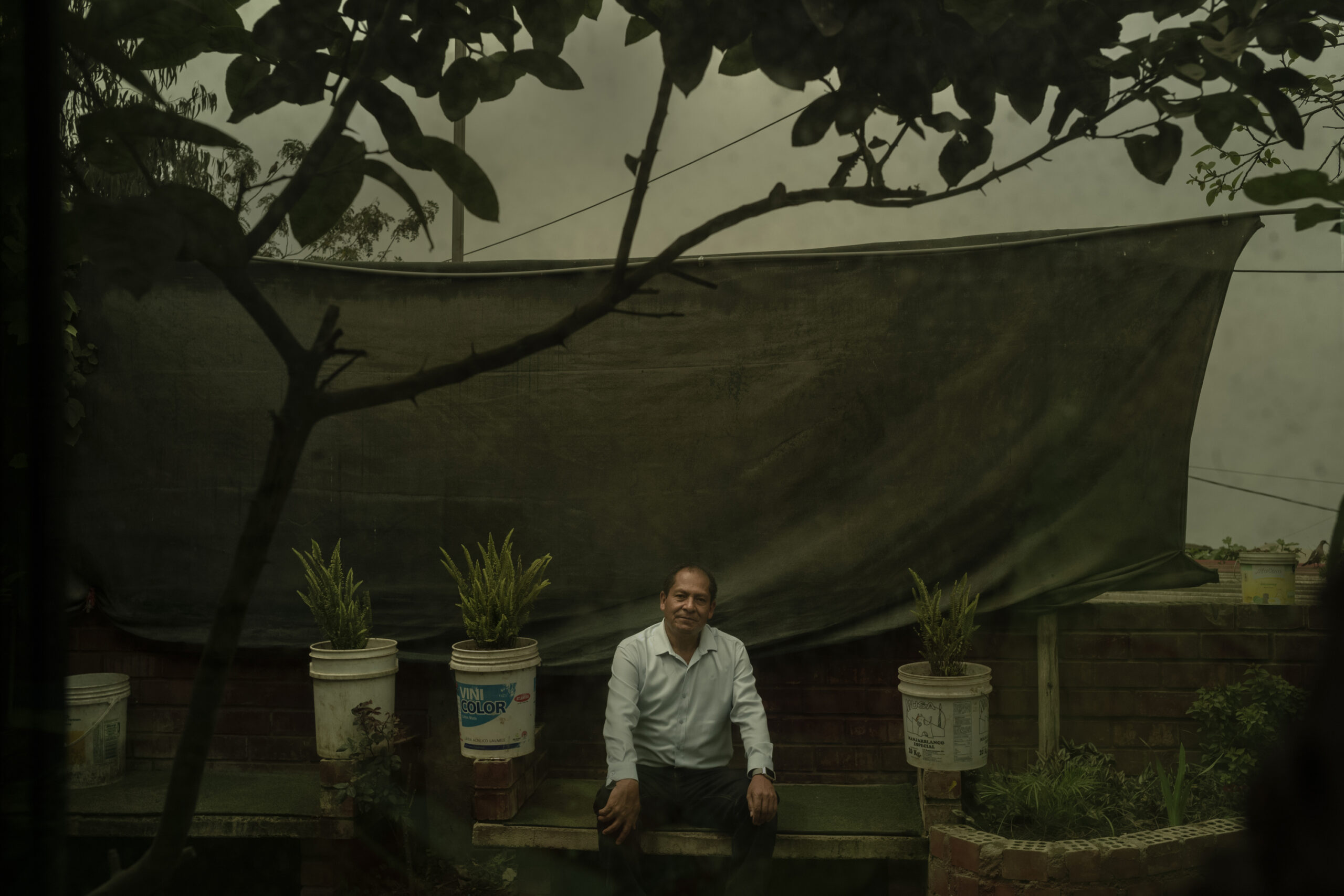
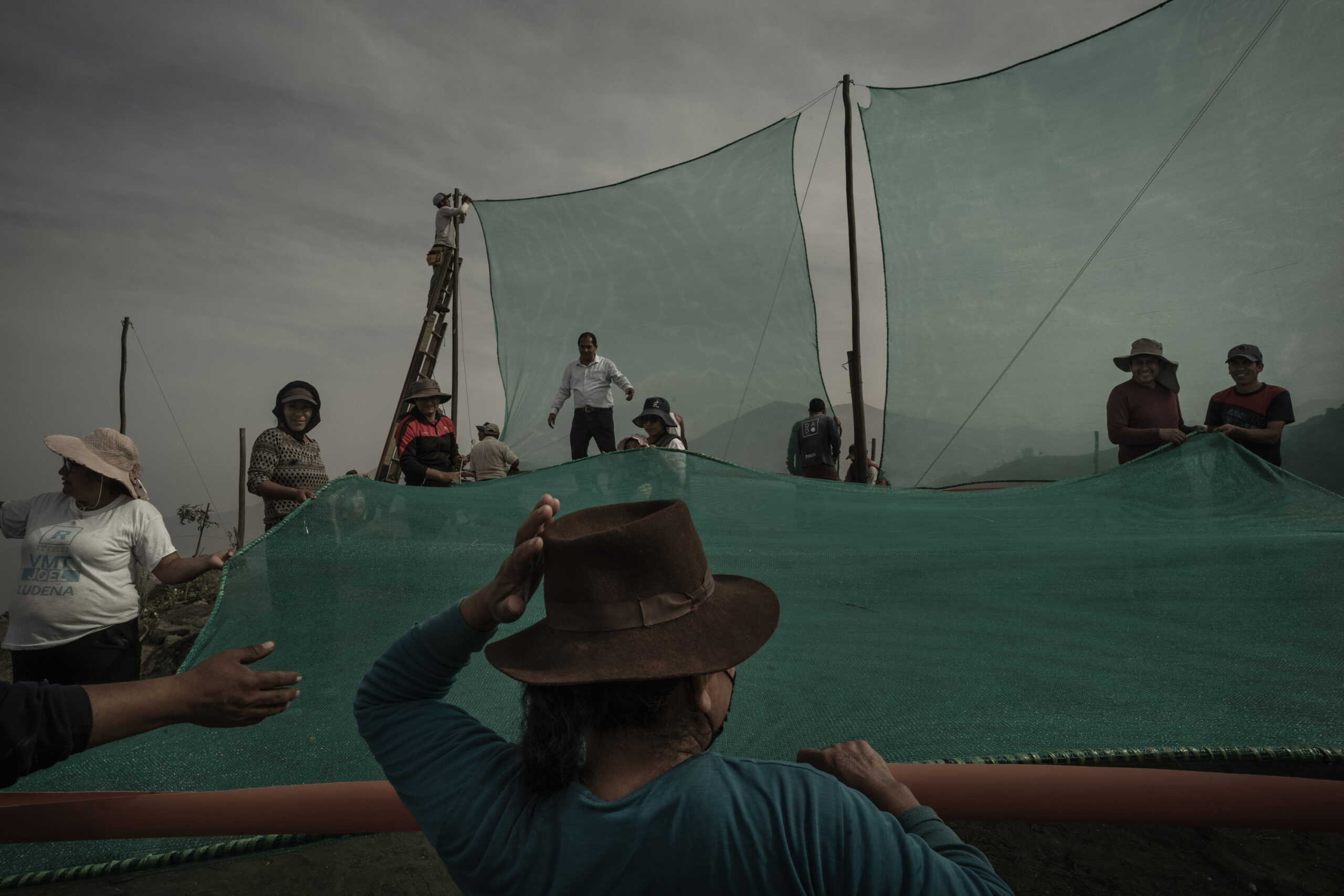
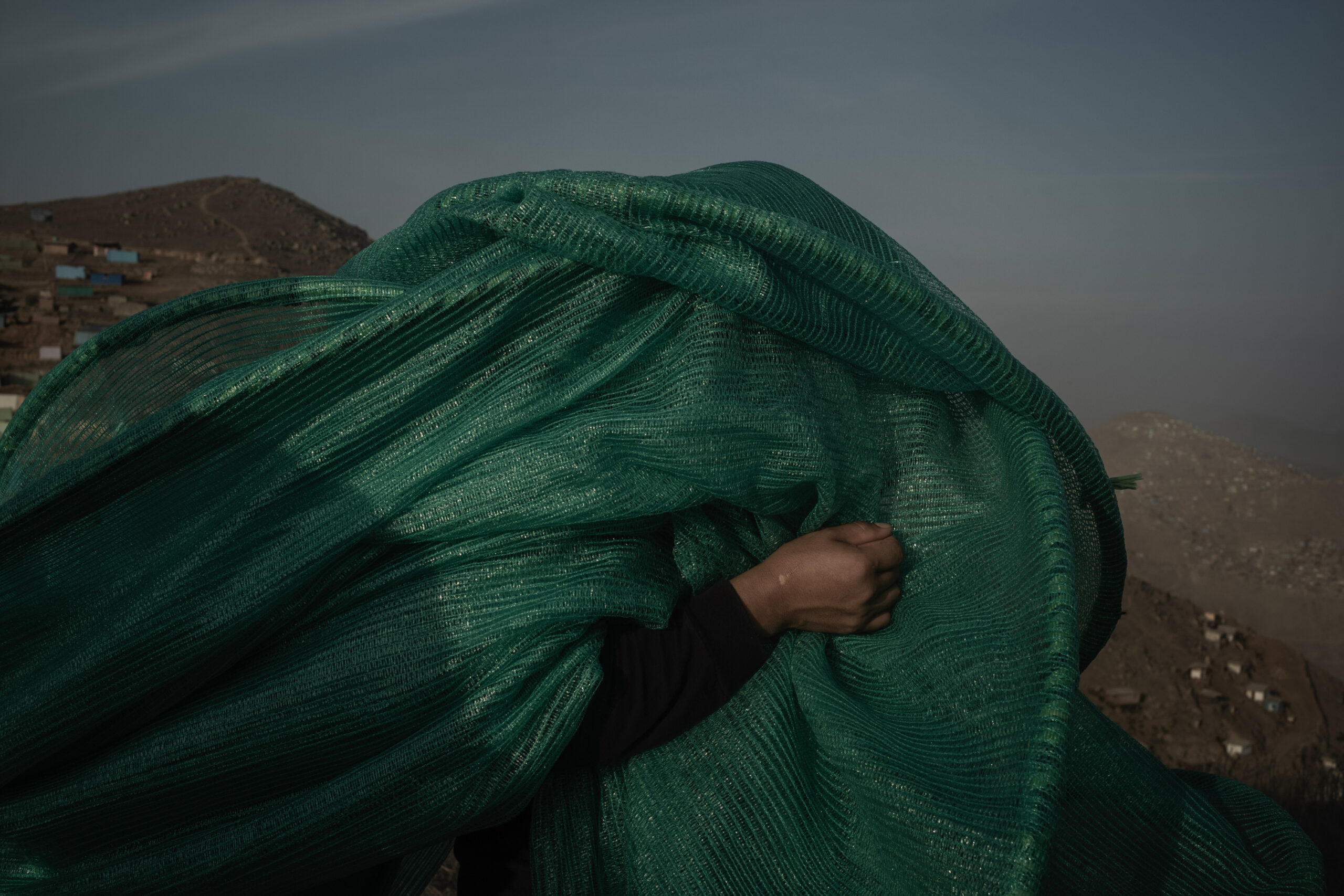

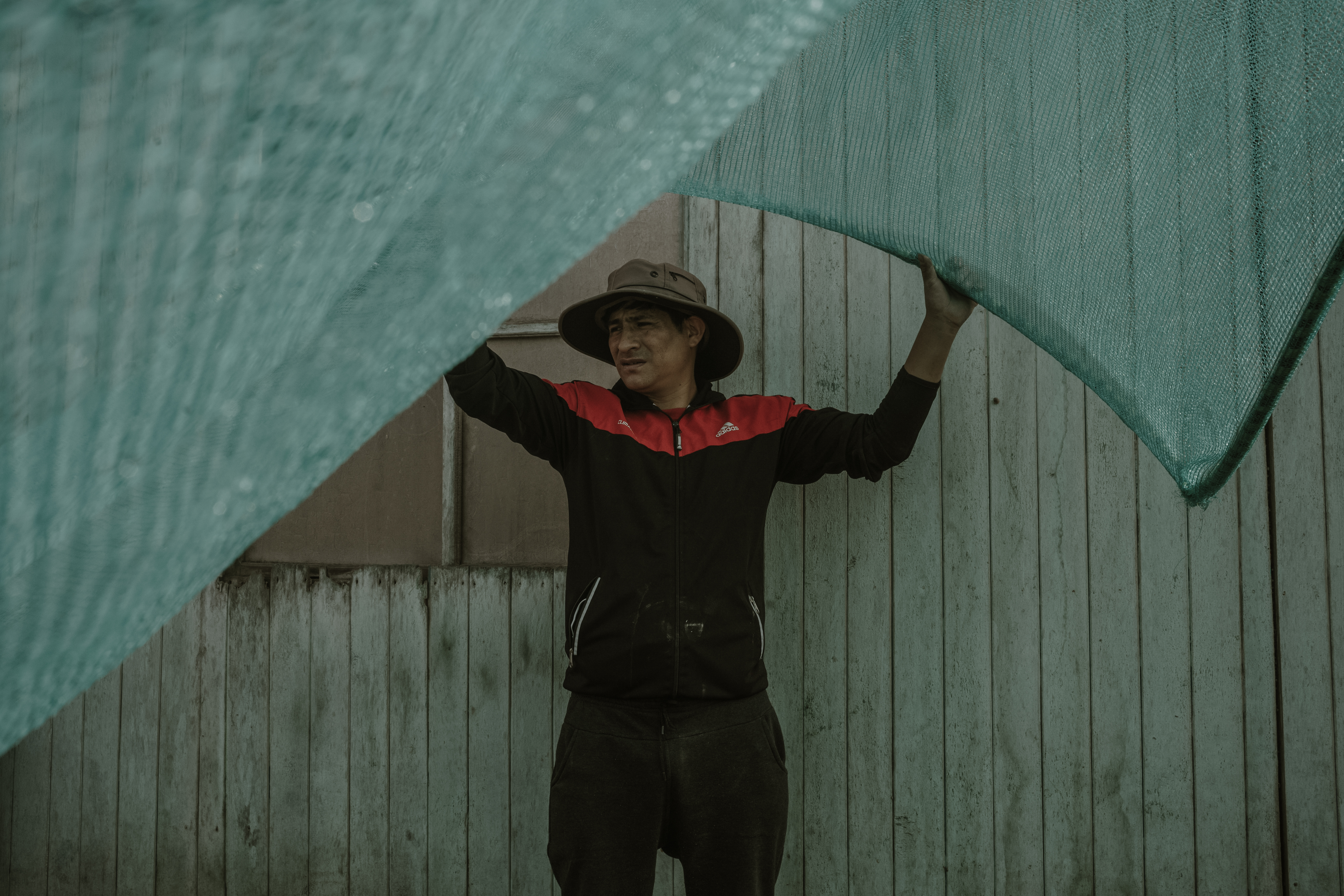
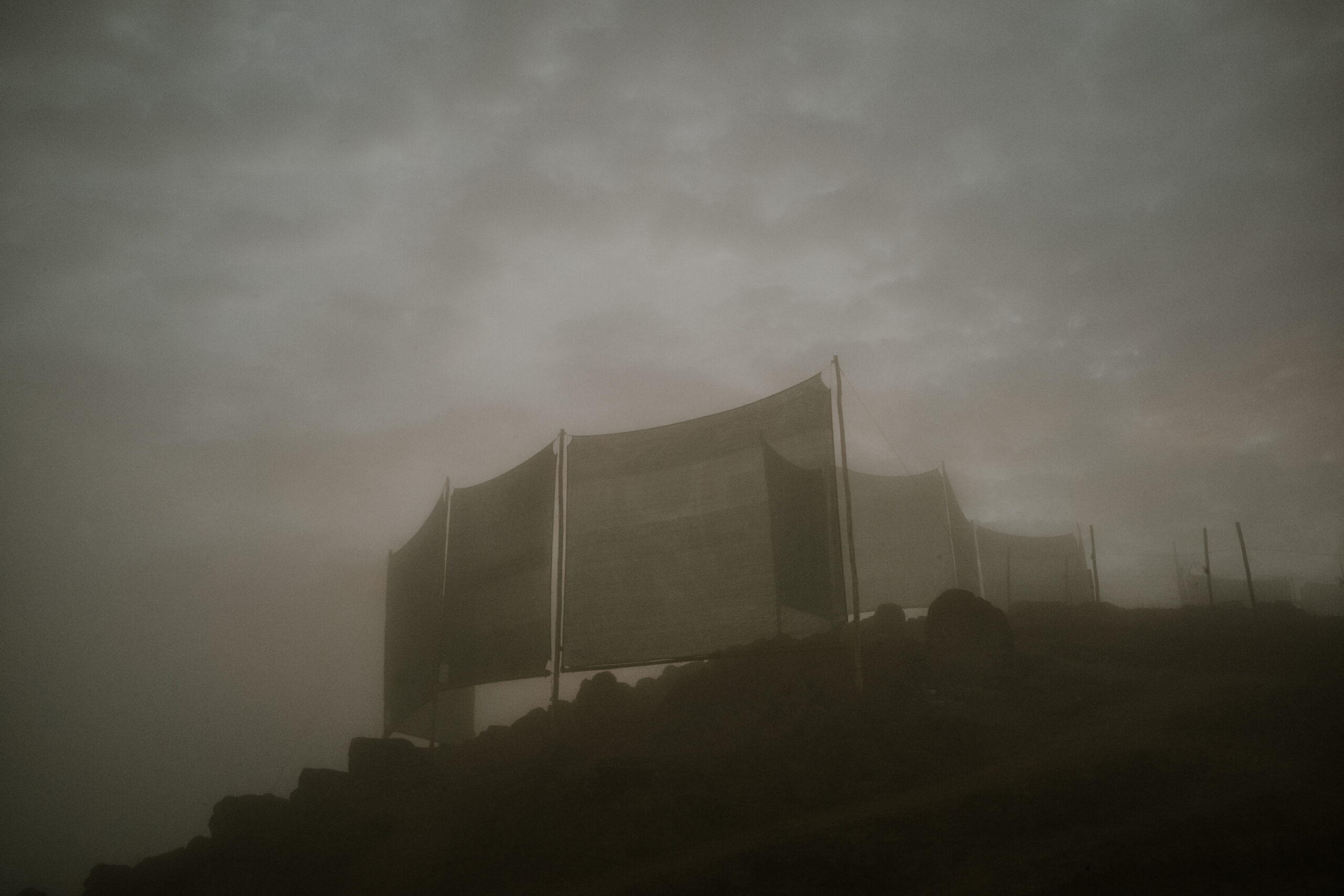
According to Abel Cruz, the project’s founding engineer, fog nets offer numerous advantages: the system doesn’t require large financial outlays, lasts up to five years, and is immediately operational. Each net captures the gaseous water from dew, condenses it, and, once liquid, passes through gutters to be stored in large tanks for domestic use.
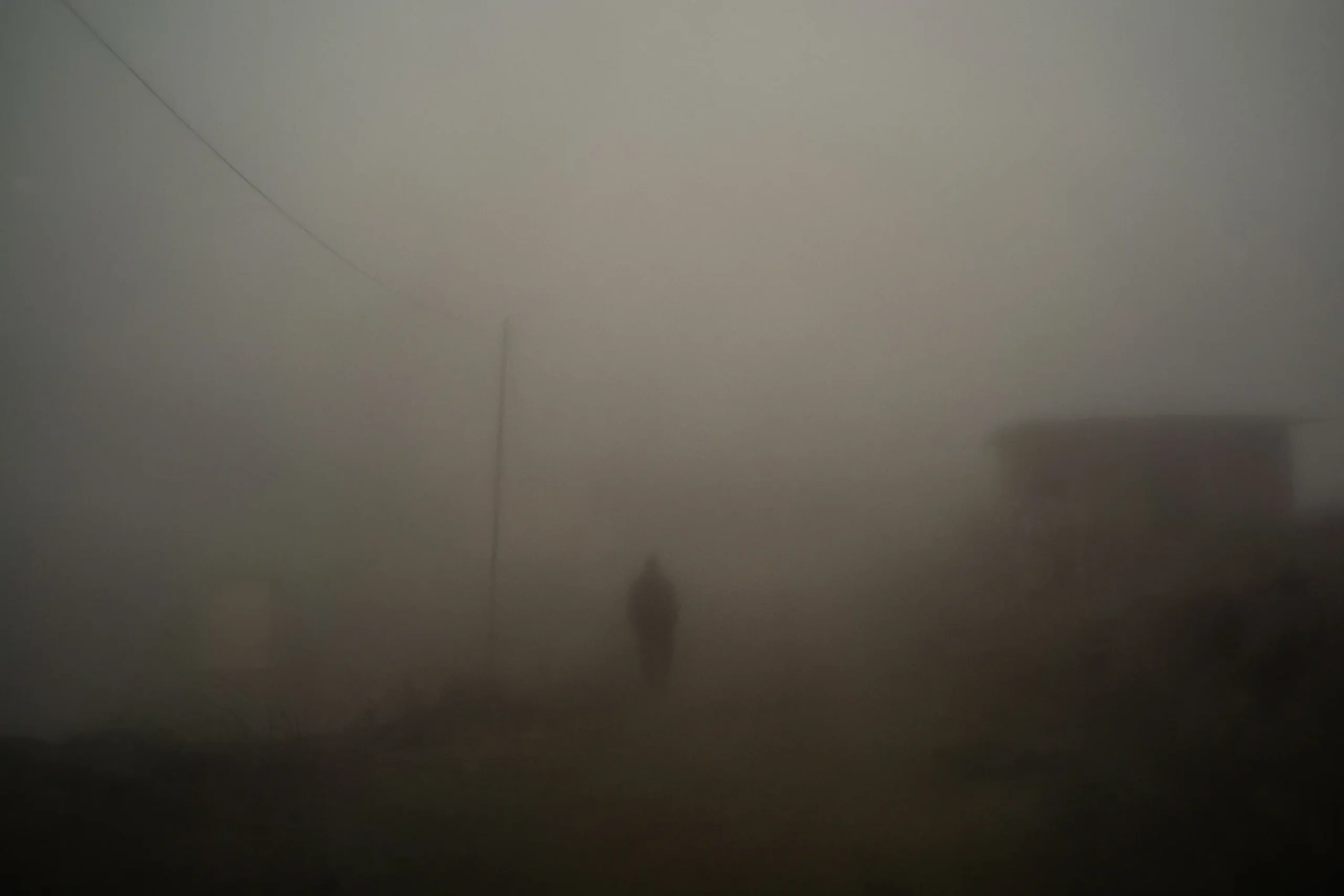
Of course, fog is essential to the success of fog nets. In winter, fog is present every day in the deserted hills of Lima, which is why the system works best between April and September. In summer, fog nets are uninstalled and stored in the community to prevent deterioration in sunlight.

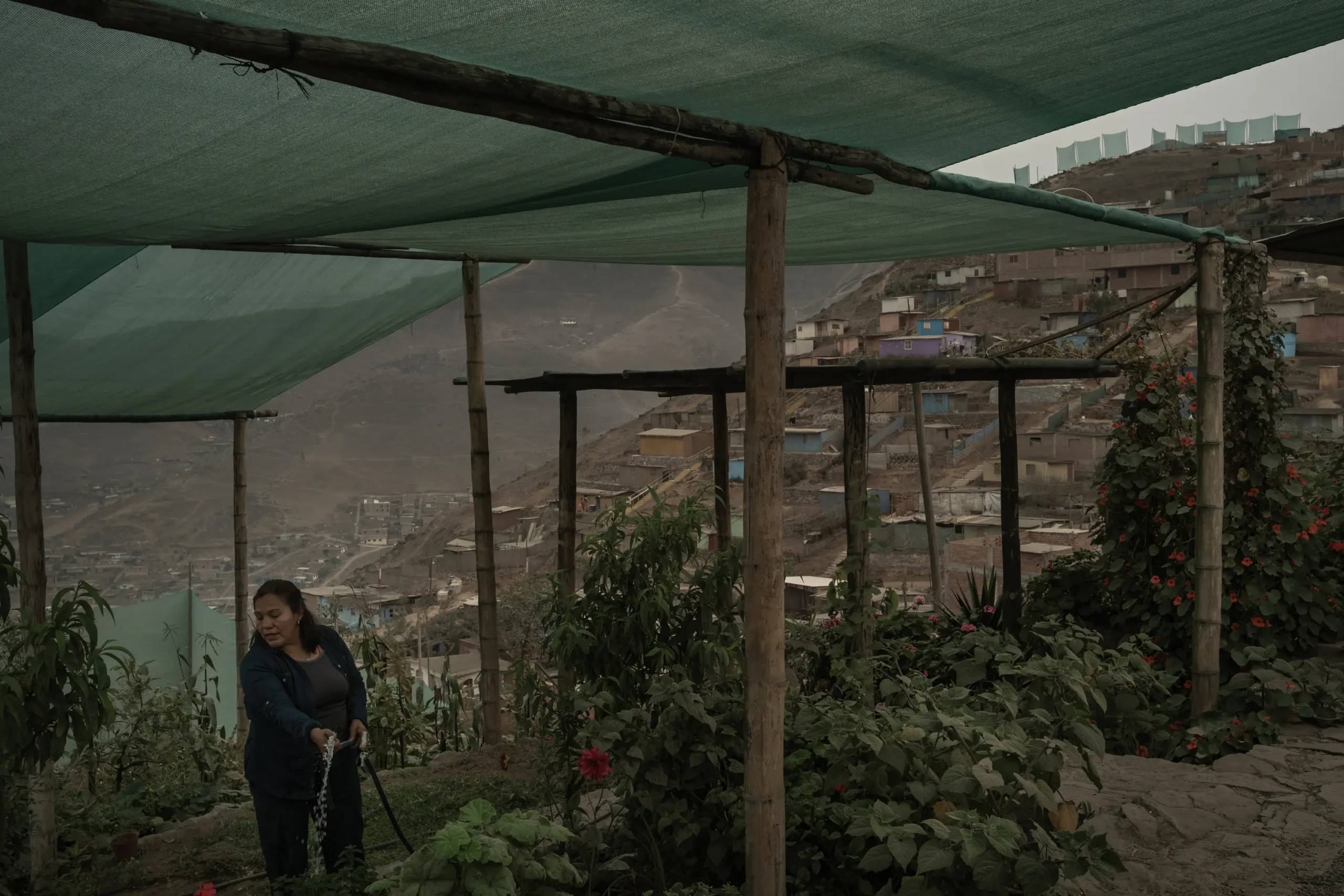
“Where there is water, there is life,” she says.