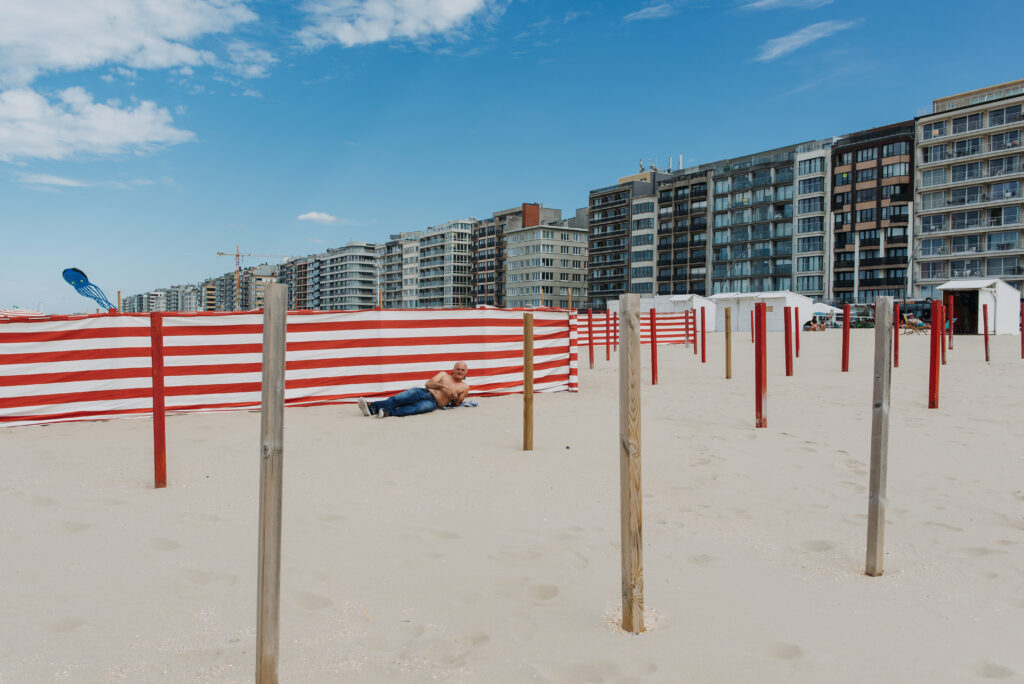
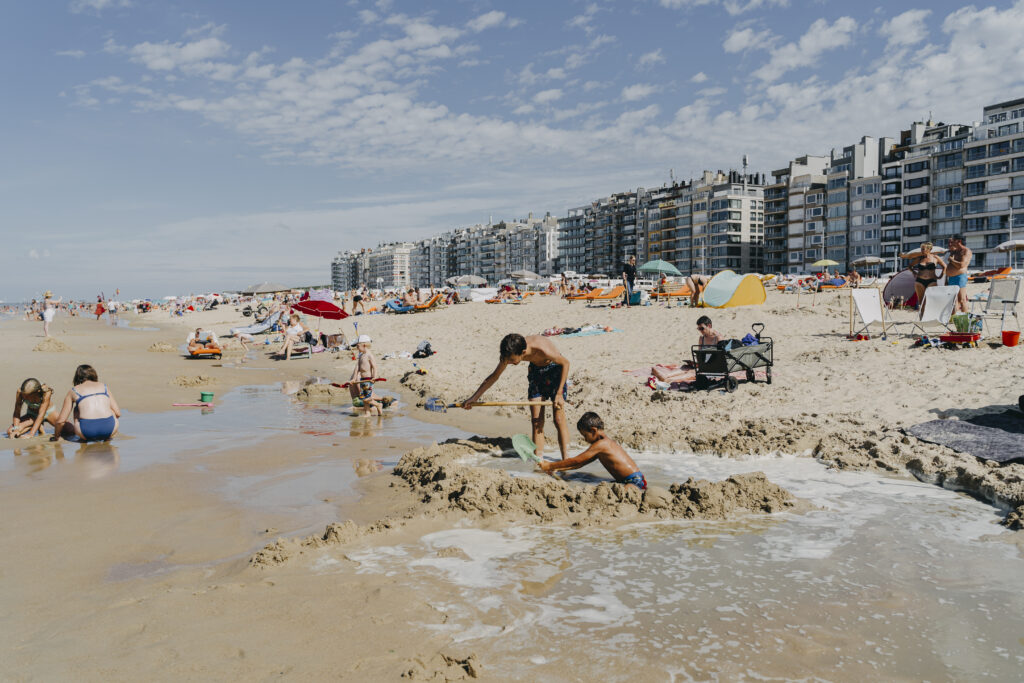
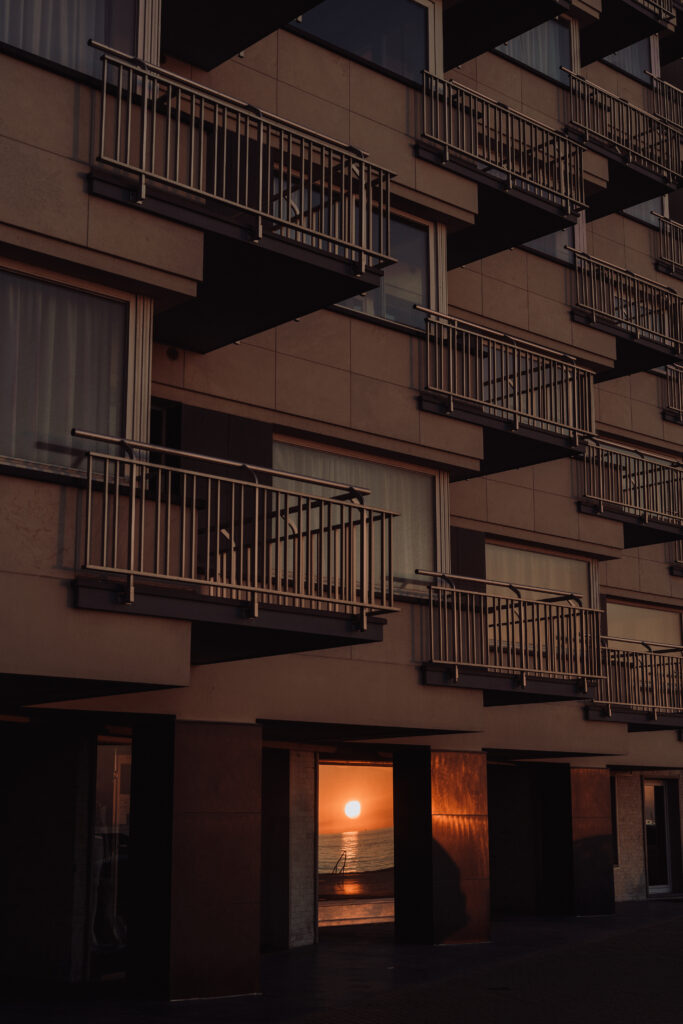
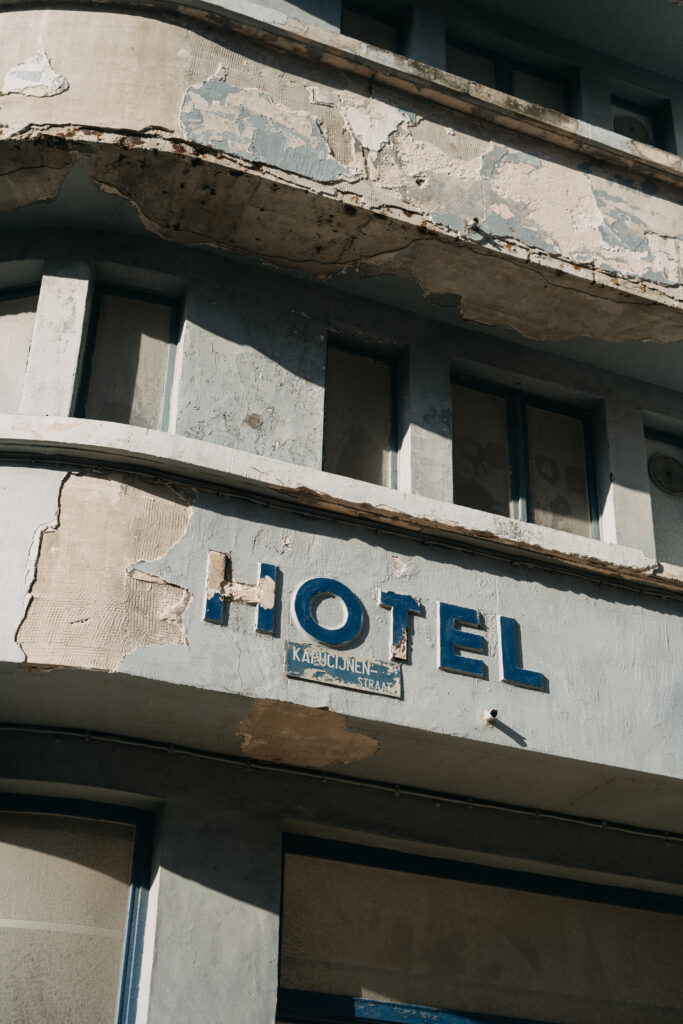
Belgium’s North Sea coast is a landscape shaped as much by human ambition as by natural forces. Stretching just 67 kilometres, it is a remarkably compressed territory serving a population of over 11 million people. Within this narrow strip, cultural identity, economic activity, and leisure converge, making the coastline one of the most intensively developed in Europe. This photo project explores that complexity – documenting a place in constant transformation, where land, water, and society are locked in an ongoing negotiation.
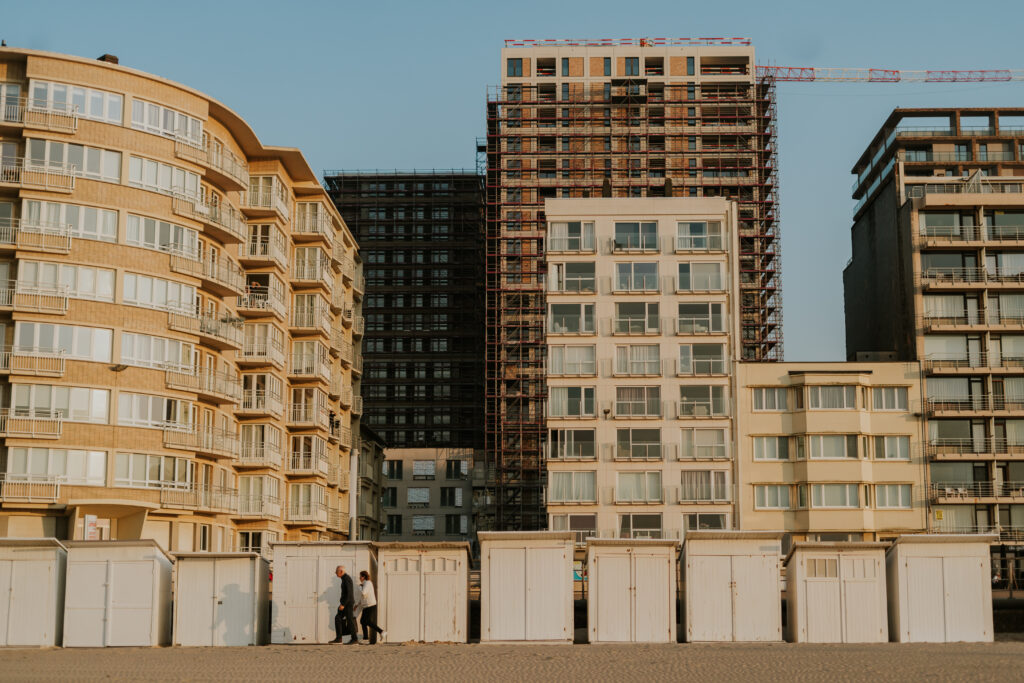
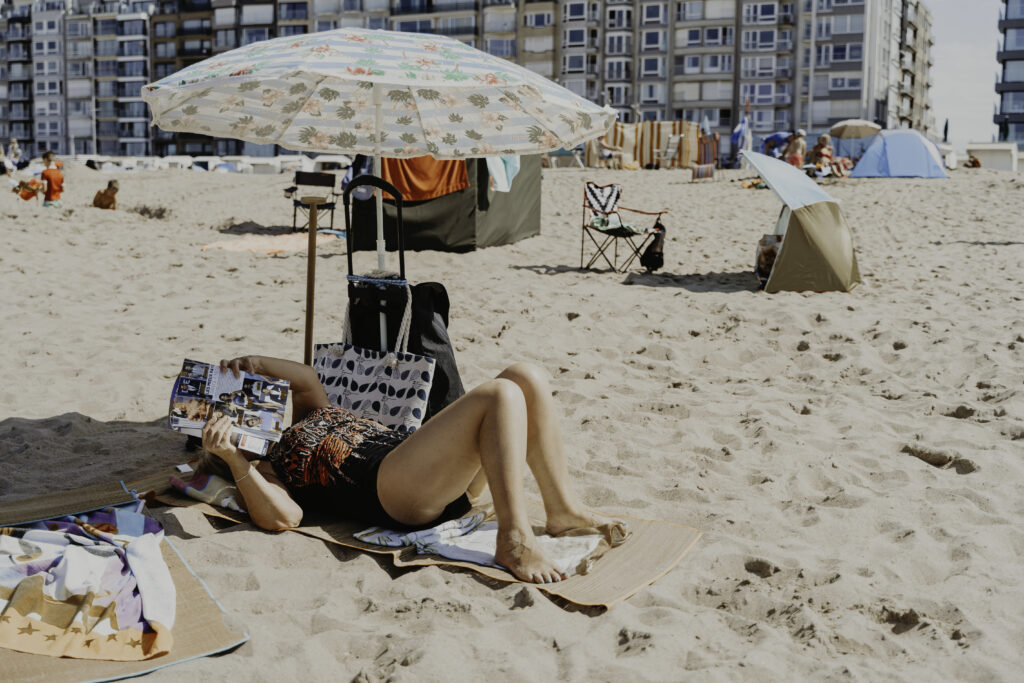
Once defined by shifting dunes and tidal rhythms, the Belgian coast has been progressively engineered into a controlled, linear environment. What was once unstable and unpredictable has been stabilised through decades of intervention. Seawalls, promenades, and protective infrastructures now hold the line between land and sea, while urban expansion has redefined how the coast is seen and used. Tourism has played a decisive role in this evolution, shifting from an exclusive, elite activity to a mass phenomenon that reshaped both the physical landscape and its social dynamics.
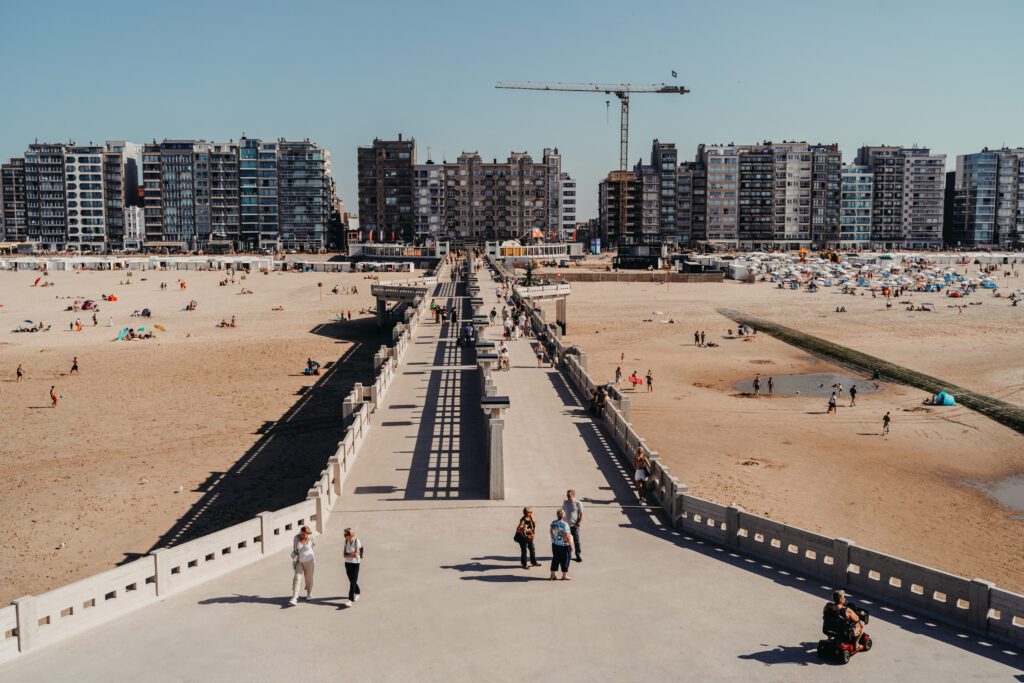
Yet the coast remains unfinished: its current form depends on continuous maintenance and technological management, especially as the area is particularly vulnerable to the effects of climate change. Since 2011, the Flemish Government has been implementing the Coastal Safety Masterplan, which aims to protect the coast against the so-called ‘millennial storm’ until at least 2050, and taking into account a sea level rise of up to three meters by 2100. The current approach combines hard and soft sea defence structures and techniques to “hold the coastal line”. Critics, however, argue that such a narrow vision offers only a temporary measure, and it does not critically reflect on the existing coastal development.
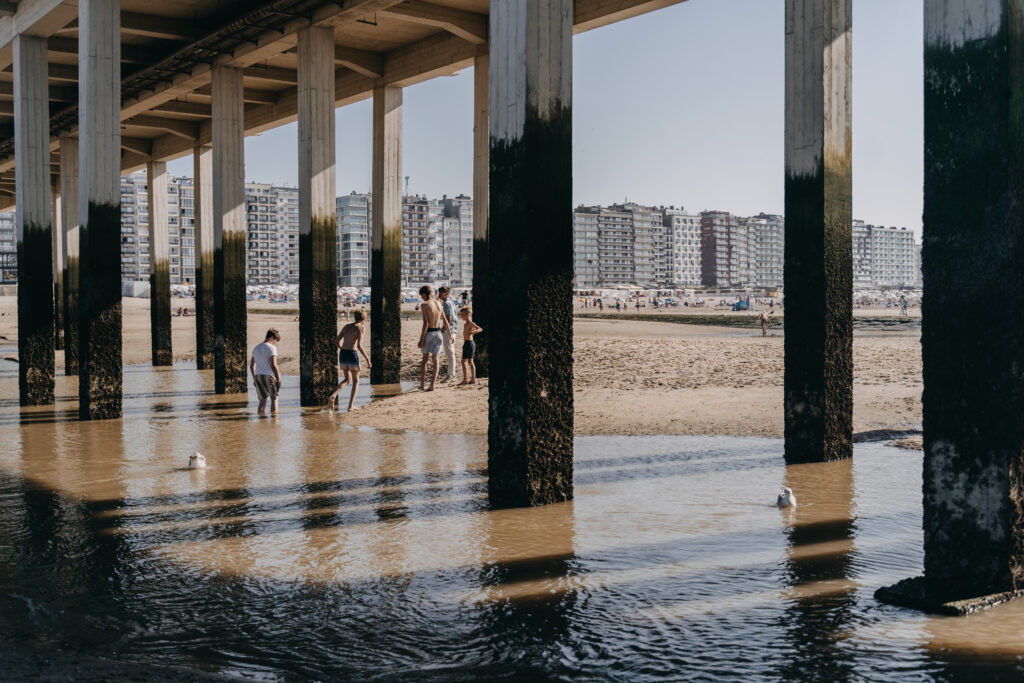
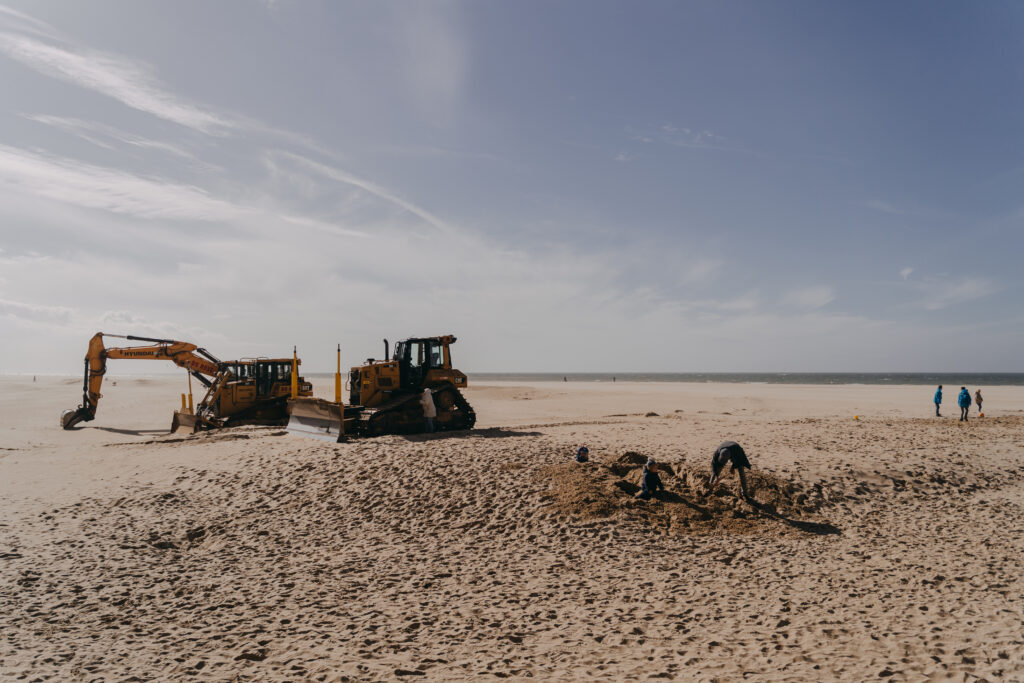
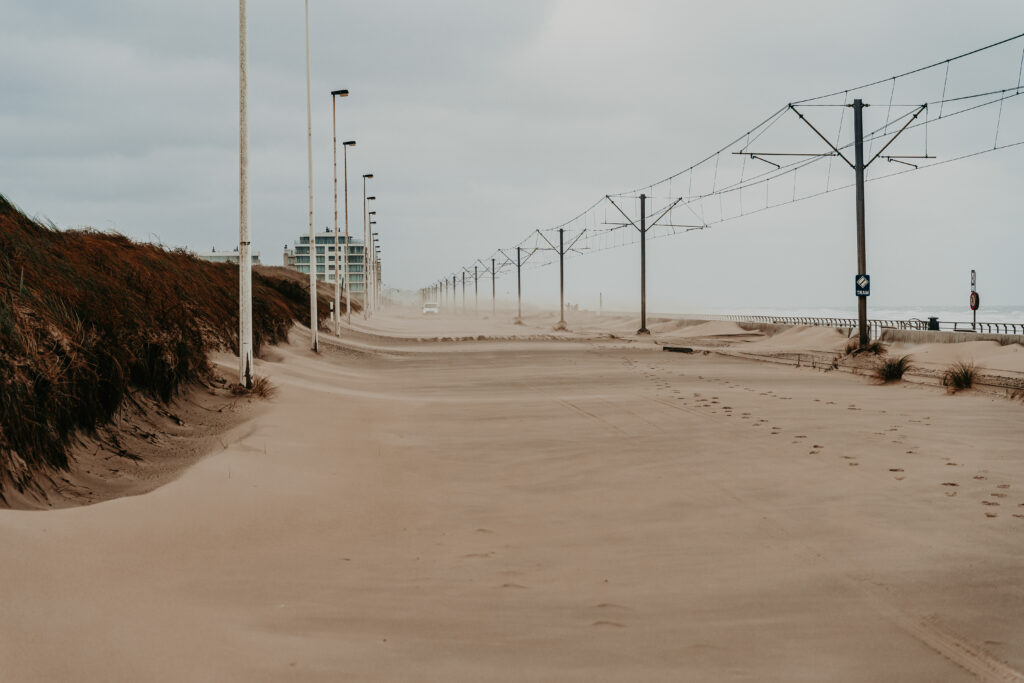
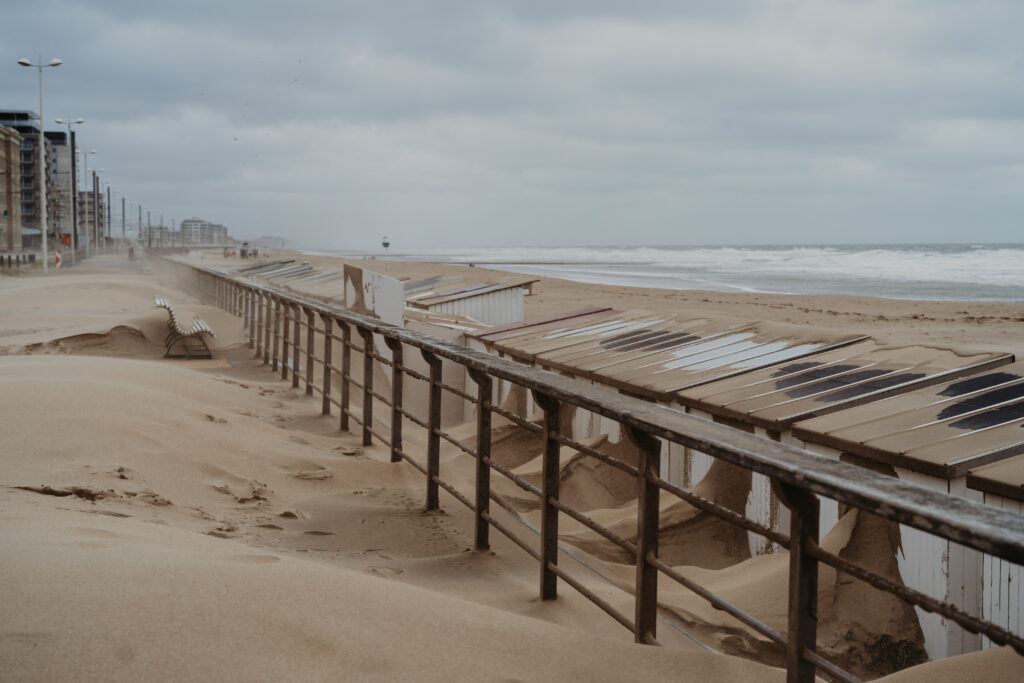
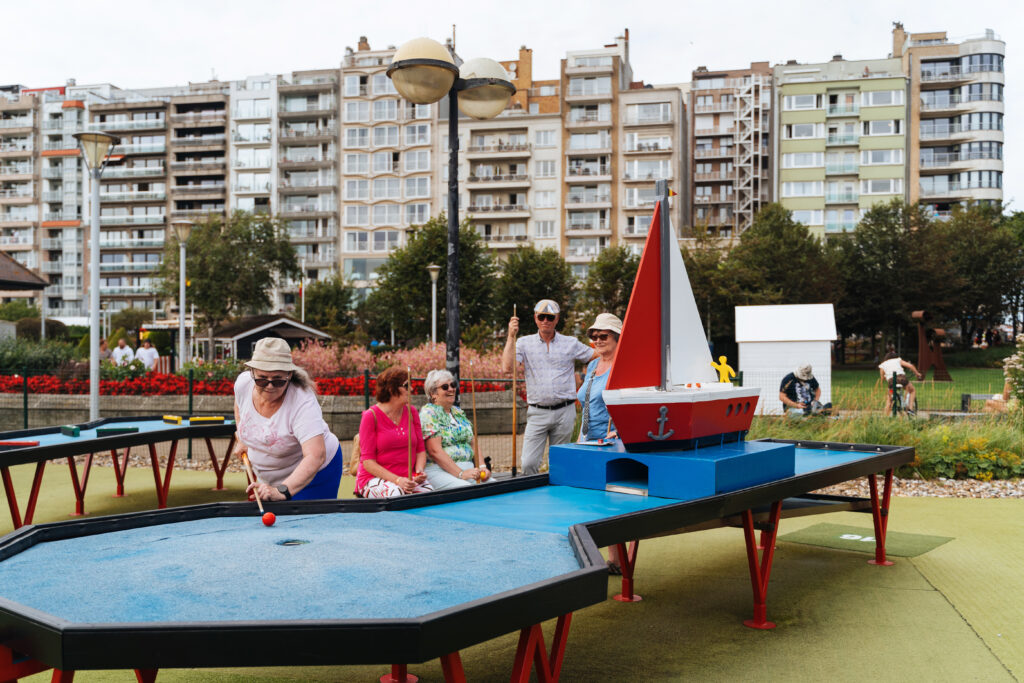
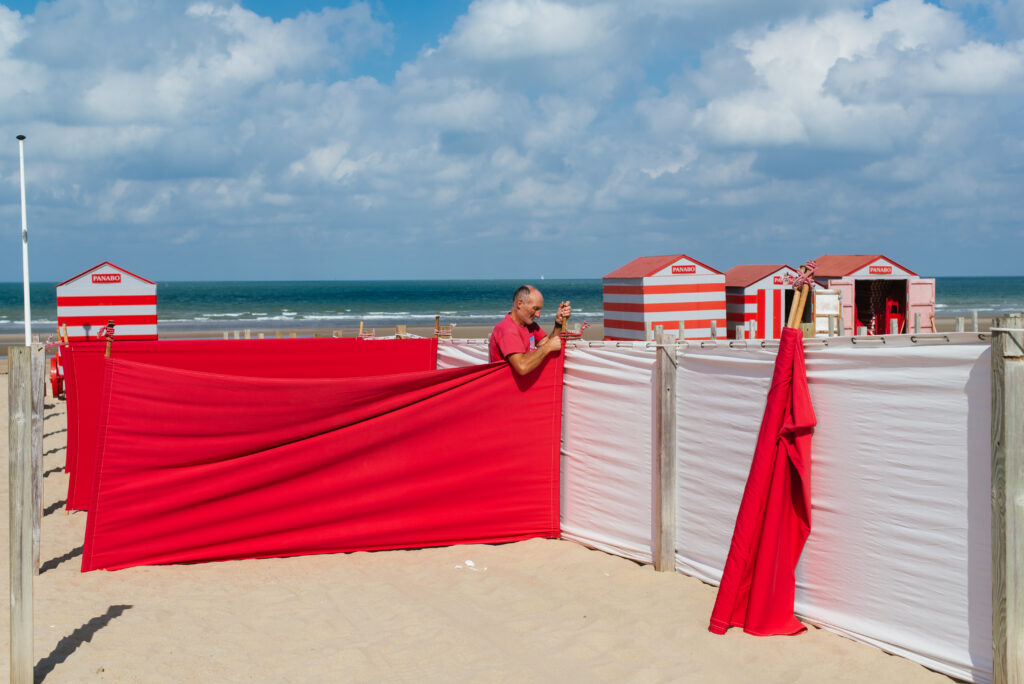
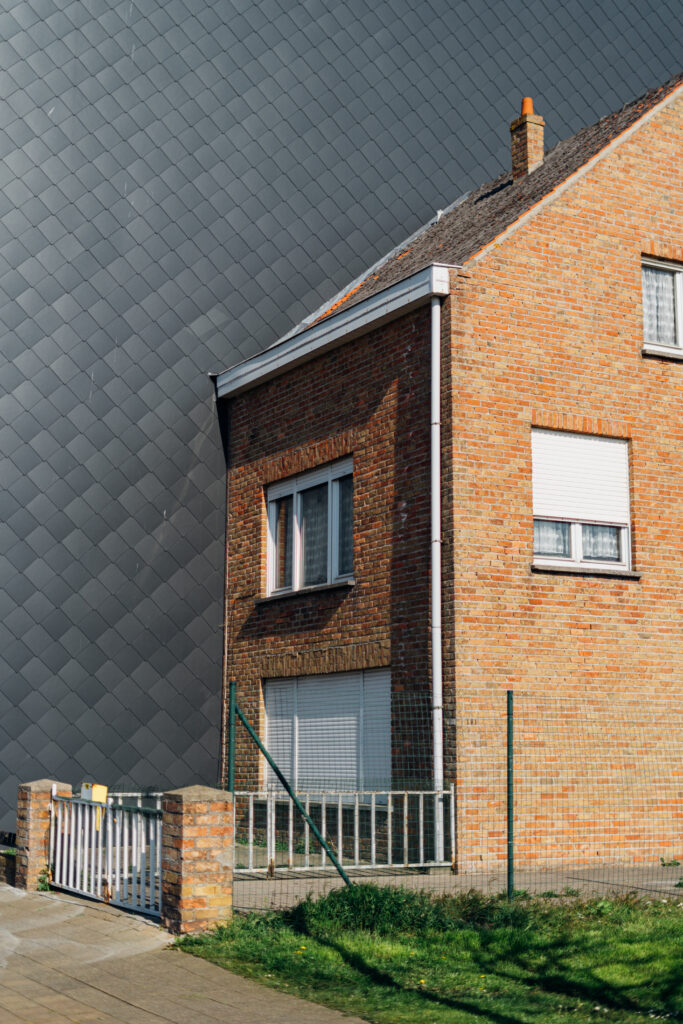
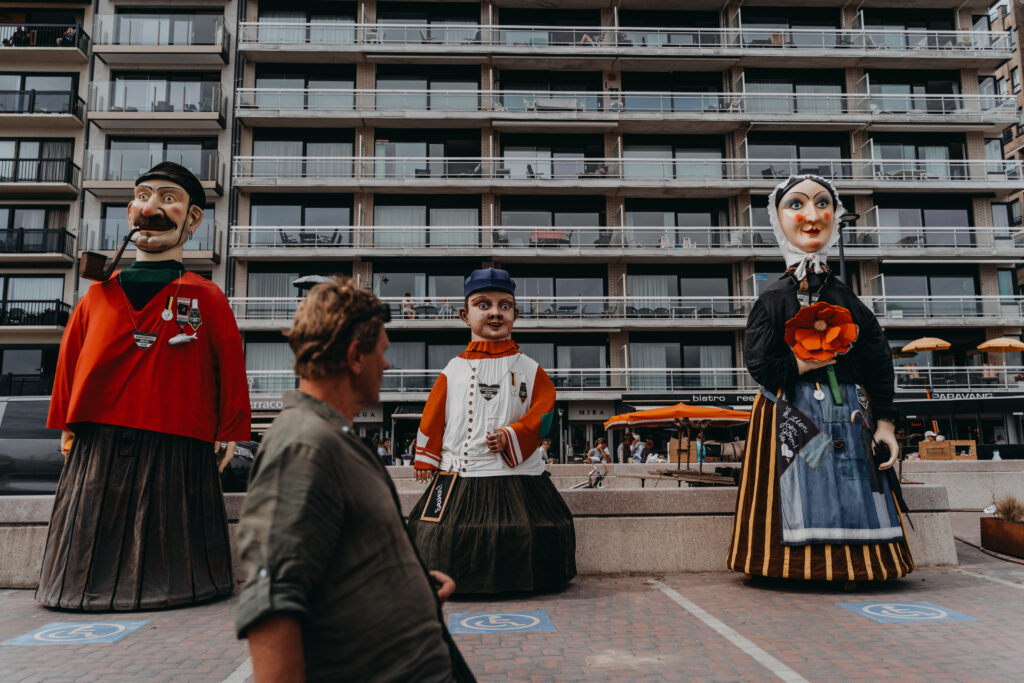
Due to its compact character, many roles, and the decisions shaping it, Belgium’s coast is a story of constant building, demolishing and rebuilding in a quest to conquer nature’s forces, addressing collective expectations of what a coast is, and sculpting the coastline amidst erosion. Dotted with high-rise buildings and creating a palimpsest landscape with a largely characteristic look across its towns, the region also fosters a strong sense of belonging through its changing communities – fishermen, craftspeople, seasonal visitors, and residents – contributing to a shared sense of place defined by proximity to the North Sea.
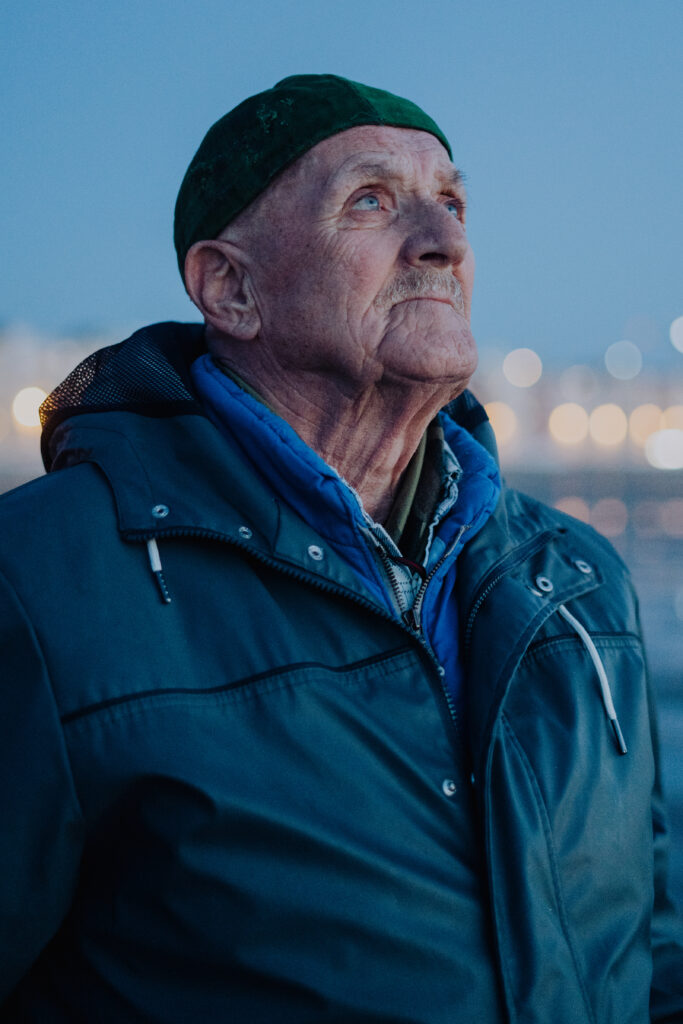
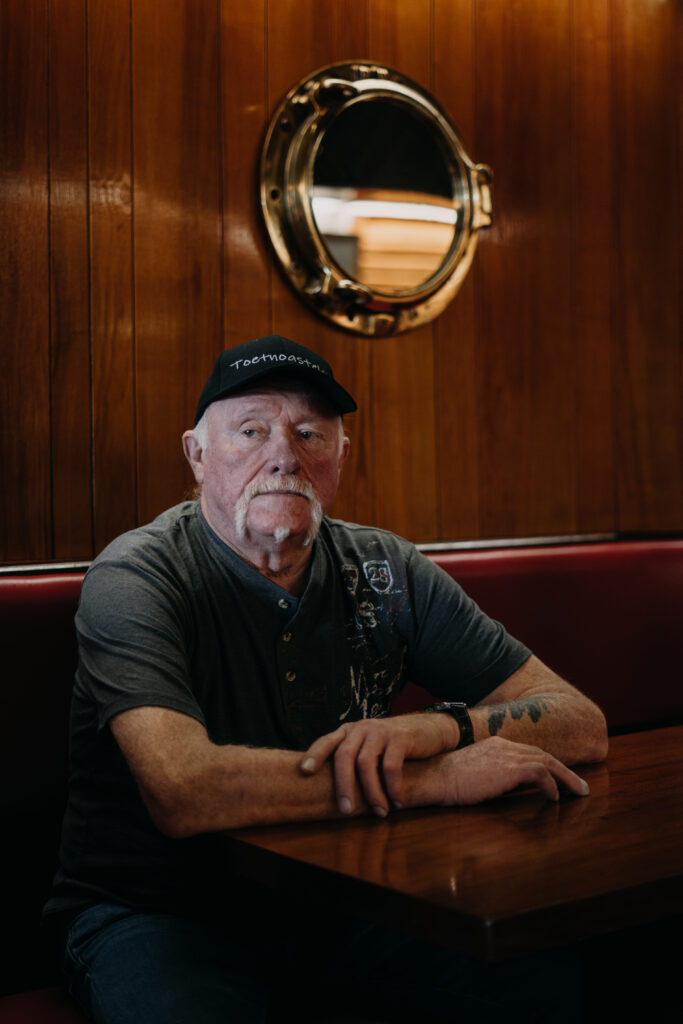
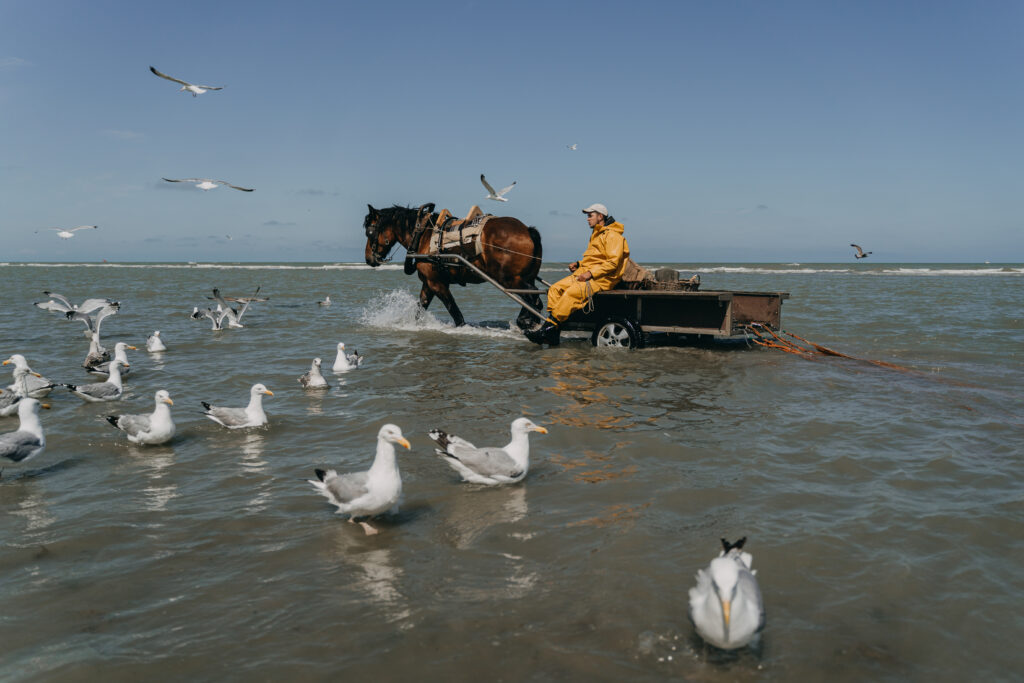
The coast emerges as both a site of experience and consumption: a backdrop for holidays and memories, but also a constructed reality shaped by policy, economics, and collective desire. It is a landscape admired and criticised in equal measure – celebrated for its accessibility and questioned for its development. Ultimately, this project asks what it means to inhabit such a space, and what future can be imagined for a coastline that must constantly reinvent itself.