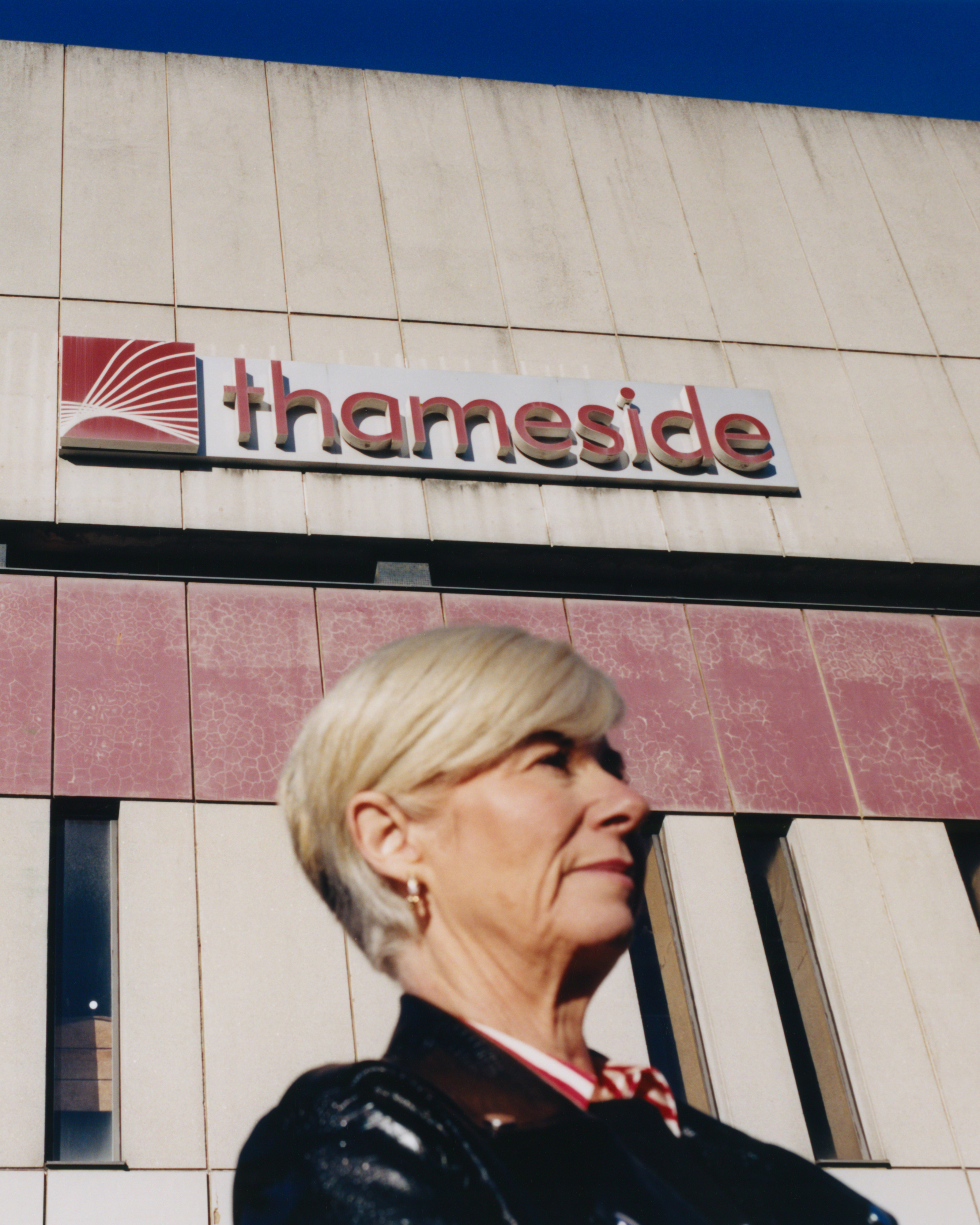
On the Bureau of Investigative Journalism’s Voices for Transparency exhibition.
Start with a solar farm. Fifty-three of them, scattered across the UK, bought with hundreds of millions of pounds of public money by Thurrock Council in Essex. On paper, a green investment. In practice, a vehicle for one man to extract as much as £130 million in inflated valuations – money that went into a mansion, a private jet, a yacht, a fleet of supercars. Days after the Bureau of Investigative Journalism published its first story on the scheme, the money moved. It crossed a border that isn’t really a border, into a new company on the Isle of Man, and became considerably harder to trace.
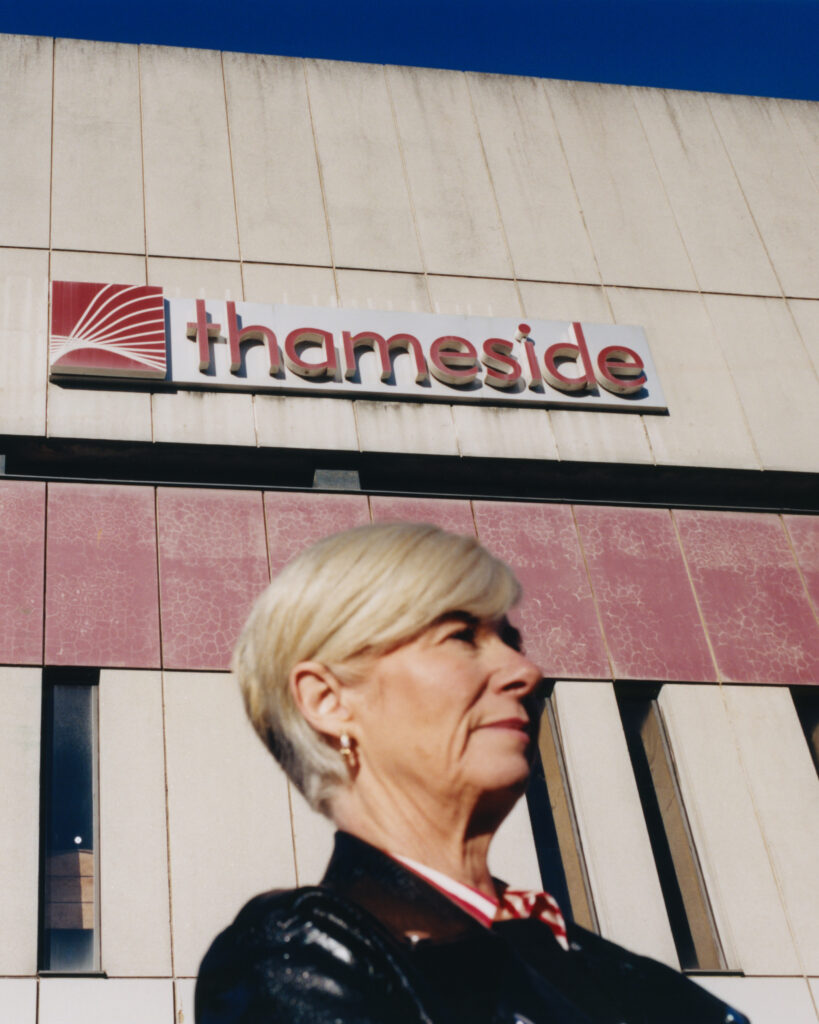
Sam Byrne still lives in Thurrock. She campaigns to keep the local theatre open. Her community is now defined by what it lost and by a debt that, as she puts it, their grandchildren will be paying back.
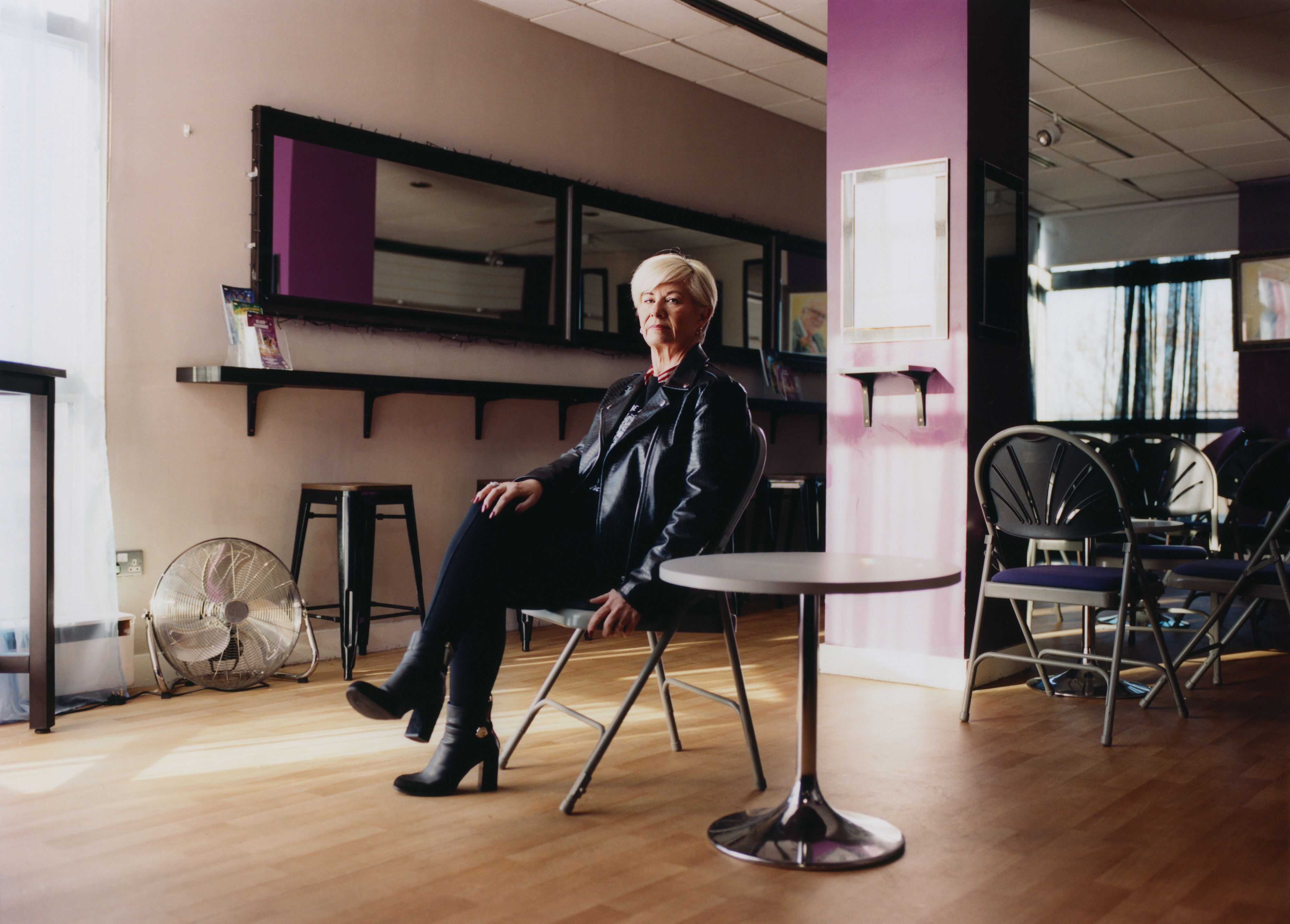
This is the opening image of Voices for Transparency, the Bureau of Investigative Journalism’s new photography exhibition, and it is an instructive one. Because before you get to the human cost, the campaigns, the testimonies, the faces, you have to understand the architecture. The anonymous corporations. The hidden ownership structures. The offshore companies registered in UK Overseas Territories and Crown Dependencies that exist, in part, precisely to make accountability difficult. Financial secrecy is not an accident. It is a design feature.
The Bureau spent three years on Thurrock. They took the council to tribunal to force disclosure of its investment. They turned what local government was actively concealing into a national scandal. That work, slow, legally pressured, often conducted without access to the basic transparency tools, like public registries of beneficial ownership, that should exist as a matter of democratic right, is what Voices for Transparency is also about. It is a celebration, unflinching, of what investigative journalism makes possible when it is allowed to function.
We are sharing this exhibition with Icarus Complex readers because its concerns are also ours. The structures that enable financial crime are the same structures that allow companies and governments to make environmental commitments in public while quietly violating them in practice. Shell companies don’t just hide stolen public funds, they obscure who owns the land being mined, who profits from the infrastructure being built, who is liable when the river runs dry or the soil turns. Climate accountability and financial transparency are not separate questions. They are the same question, asked from different angles.
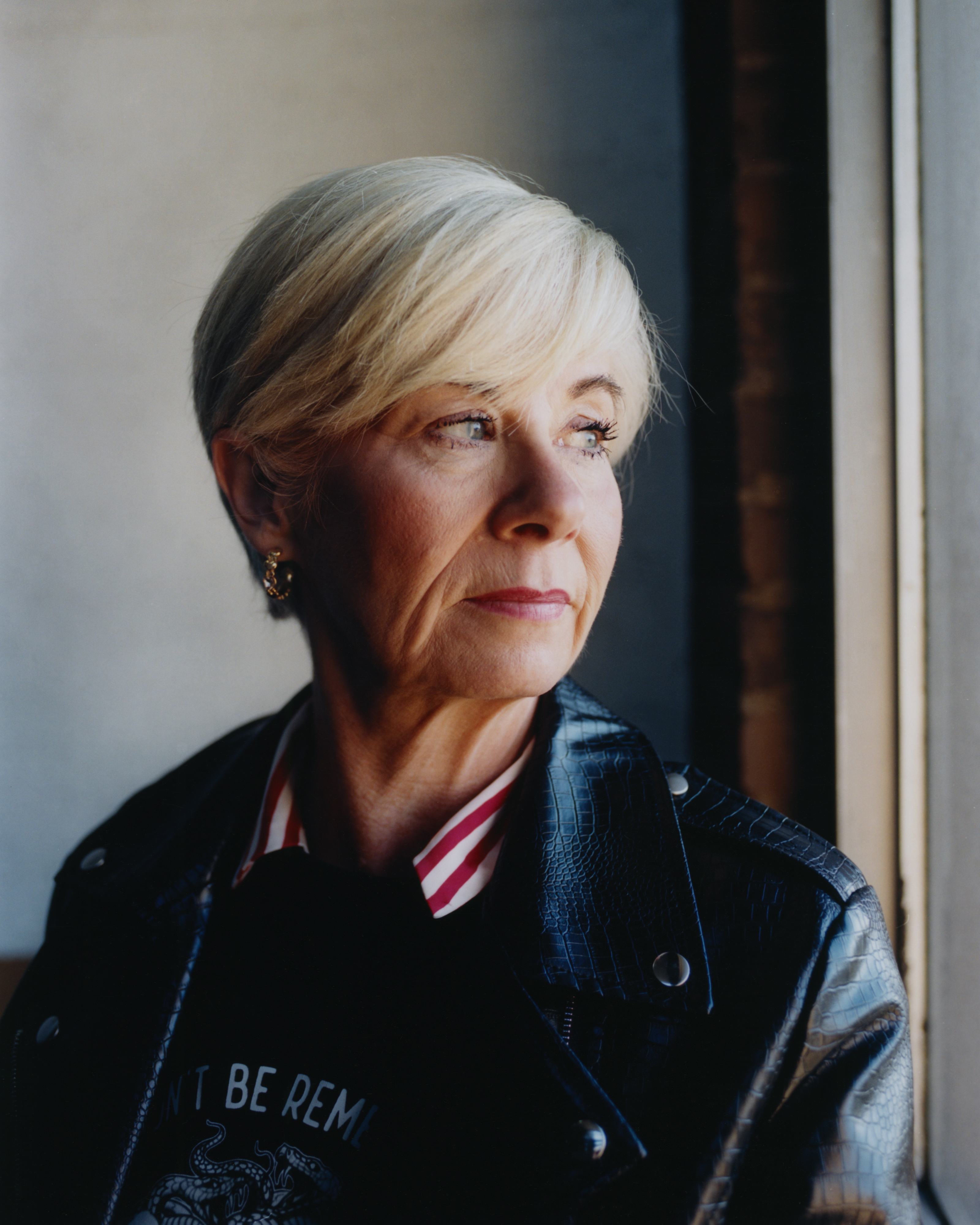
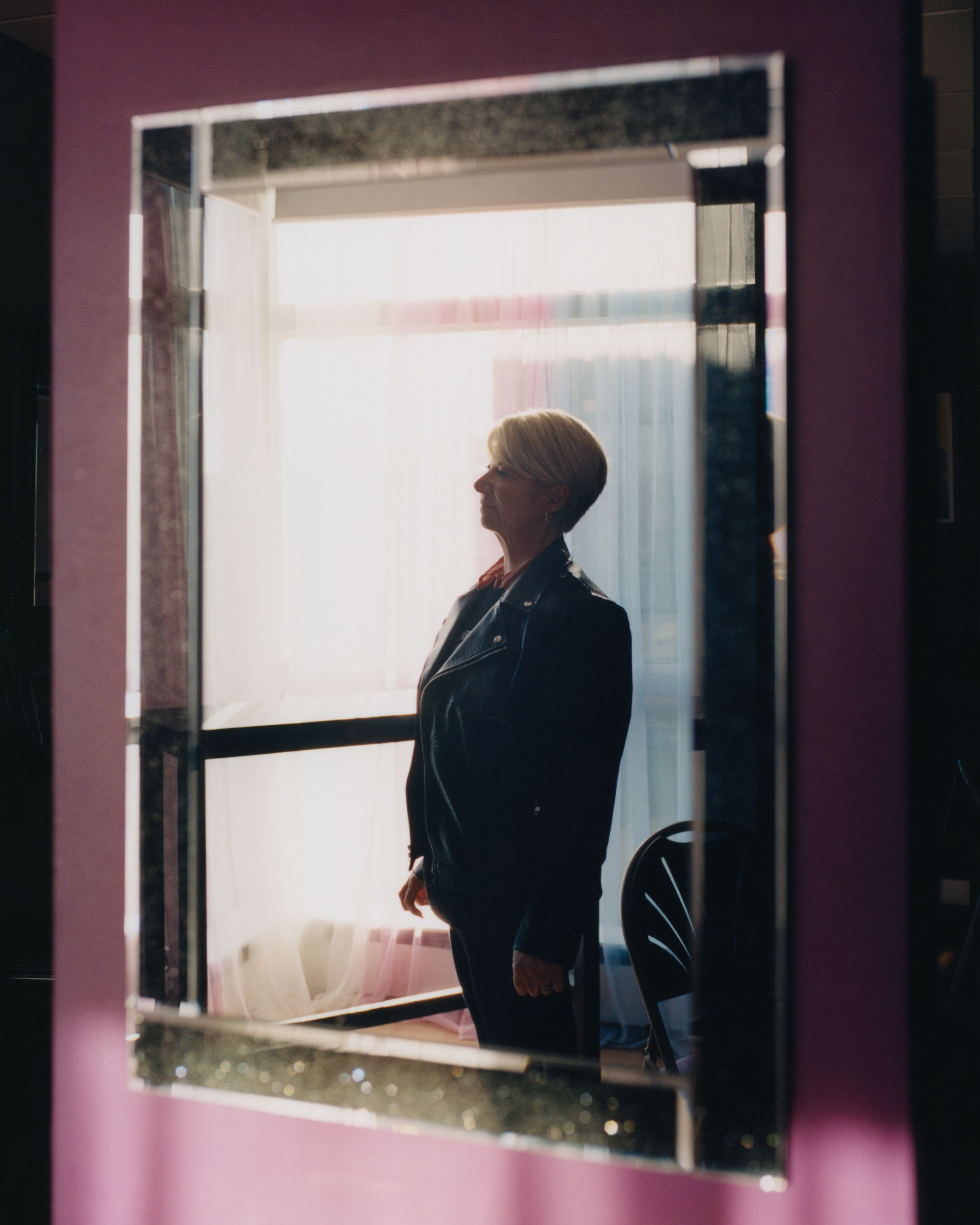
Voices for Transparency is timed to coincide with the UK government’s Illicit Finance Summit in December 2026, a moment when the political conditions for meaningful reform may exist, and when the pressure of public attention matters.
The Thurrock case is just the beginning. The exhibition goes on to document expropriation of government funds, healthcare corruption, cryptocurrency fraud, each story a variation on the same theme: opacity as a weapon, and journalism as one of the few tools we have left to fight it.