Sixty years on, Punjab’s agricultural landscape reveals the human and environmental toll of India’s Green Revolution.
During the 1960s, India launched an ambitious programme called the Green Revolution to increase foodgrain yields and avert a looming hunger crisis. The country had just endured two severe droughts in 1965 and 1966, and foodgrain production had fallen to historic lows. In 1965, Prime Minister Lal Bahadur Shastri urged Indians to skip a meal a week to ease dependence on food imports. By 1966, India was importing a record 10 million tonnes of wheat, earning the description of a “ship-to-mouth” economy.
In Punjab, a small state that borders Pakistan in the country’s northwest, farmers traditionally cultivated maize, pulses, and oilseeds. Its fertile soils, abundant water resources, and enterprising farming communities made it an ideal testing ground for the Green Revolution. Farmers were encouraged to adopt a rice-wheat cropping cycle and were offered high-yielding seed varieties, easier access to fertilisers and pesticides, and support to mechanise farm equipment.
As a result, between 1960 and 2023, wheat acreage in Punjab more than doubled, and production increased more than ninefold. Rice acreage expanded nearly fourteenfold during the same period, while production rose roughly 58-fold. Today, Punjab, which represents less than two percent of India’s geographical area, produces about sixteen percent of the country’s wheat and eleven percent of its rice.
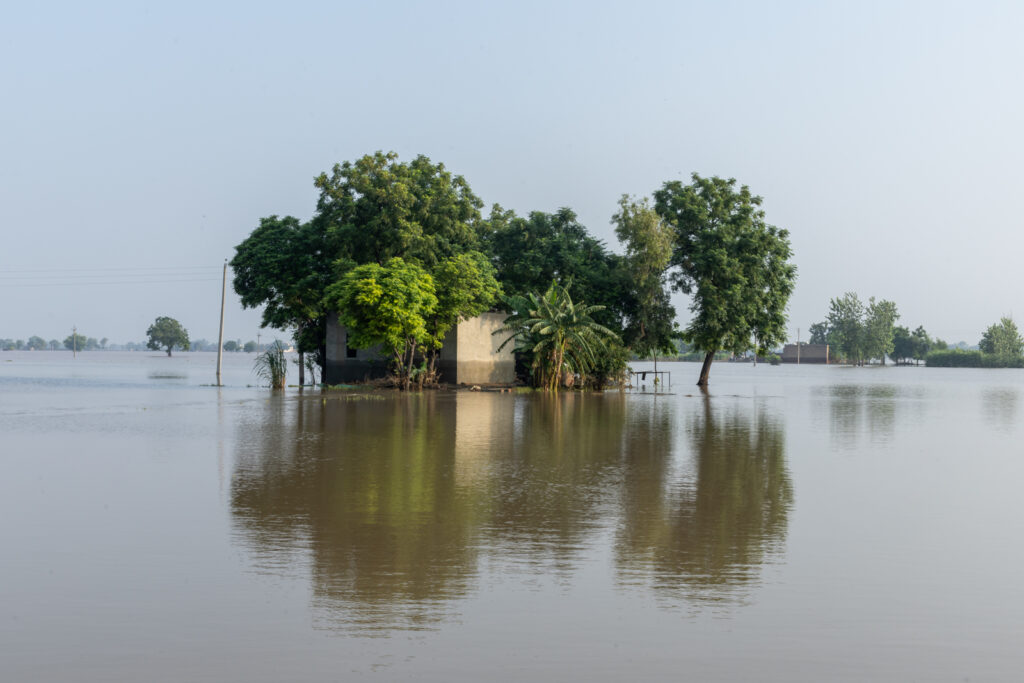
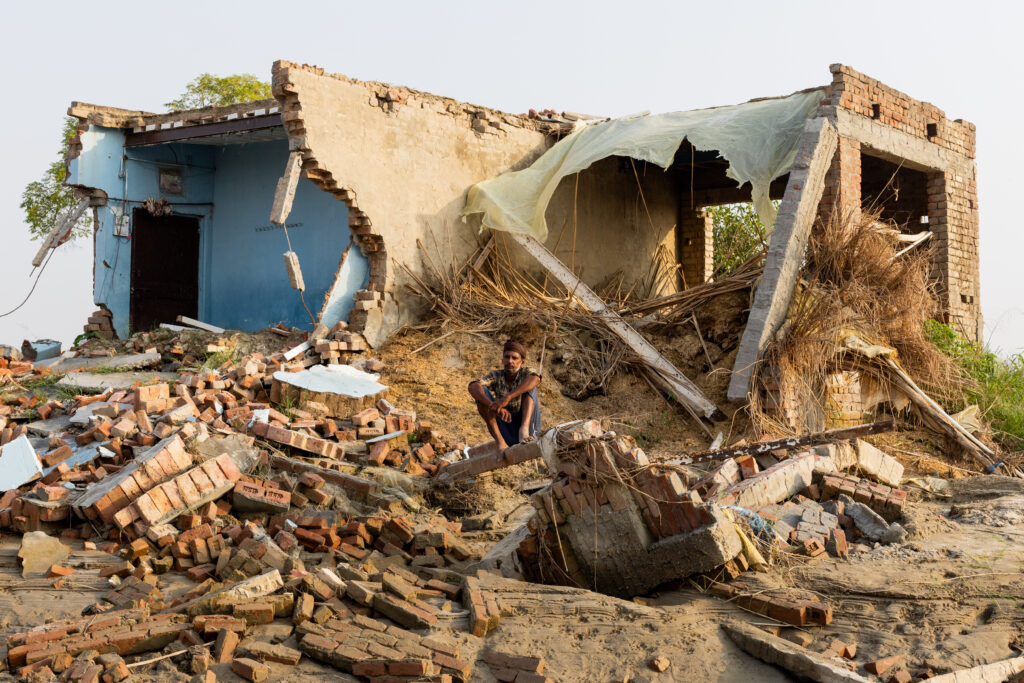
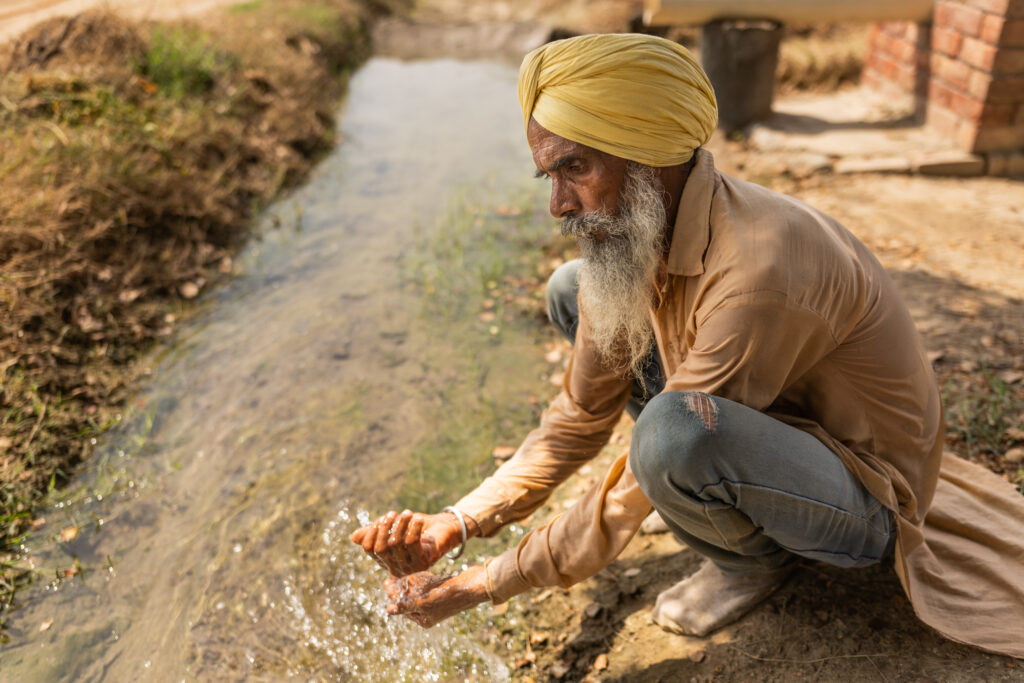
Rice is a water-intensive crop that requires about 5000 litres per kilogram of grain produced, and the impact of years of rice cultivation on Punjab’s groundwater levels has been drastic. The situation is compounded by climate change, as erratic rainfall and extreme weather events affect surface water availability. Consequently, farmers are digging tubewells in record numbers and to greater depths. The number of tube wells in the state has increased exponentially, from a mere 7,445 in 1961 to 1.5 million in 2021. A report by the Central Ground Water Board in 2019 warned that groundwater levels across Punjab were falling at the rate of 49 centimetres per year and that Punjab could exhaust its groundwater by 2039.
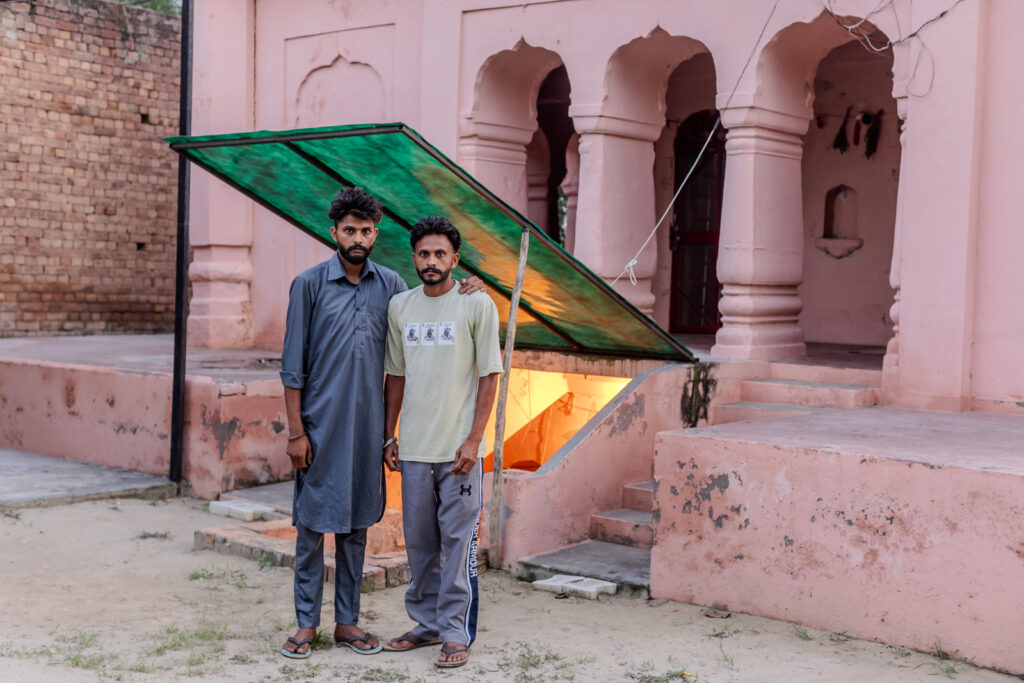
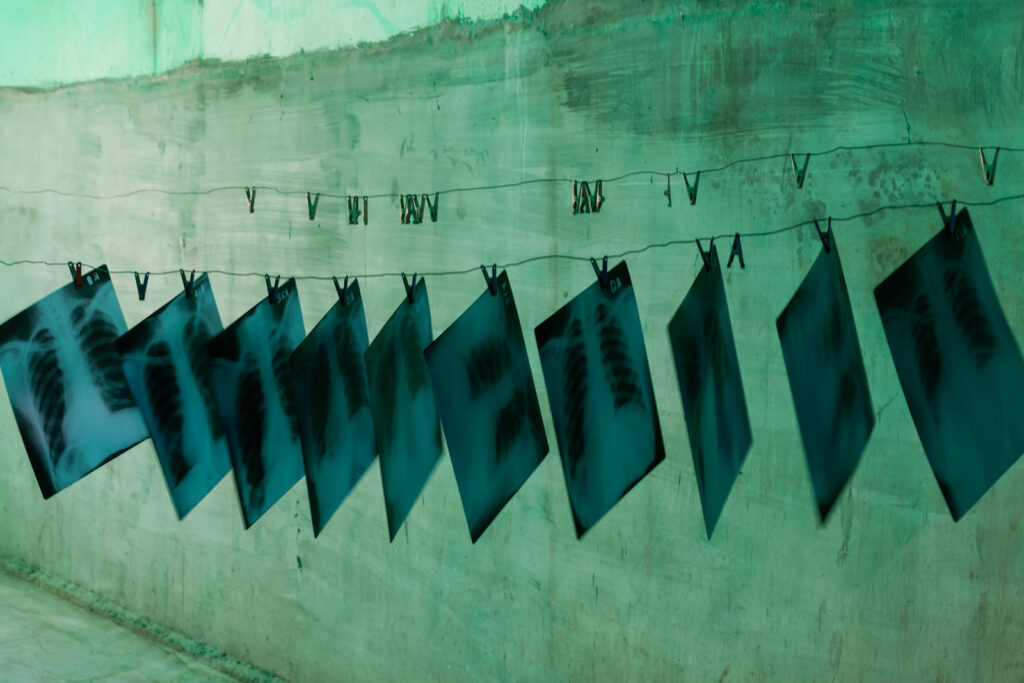
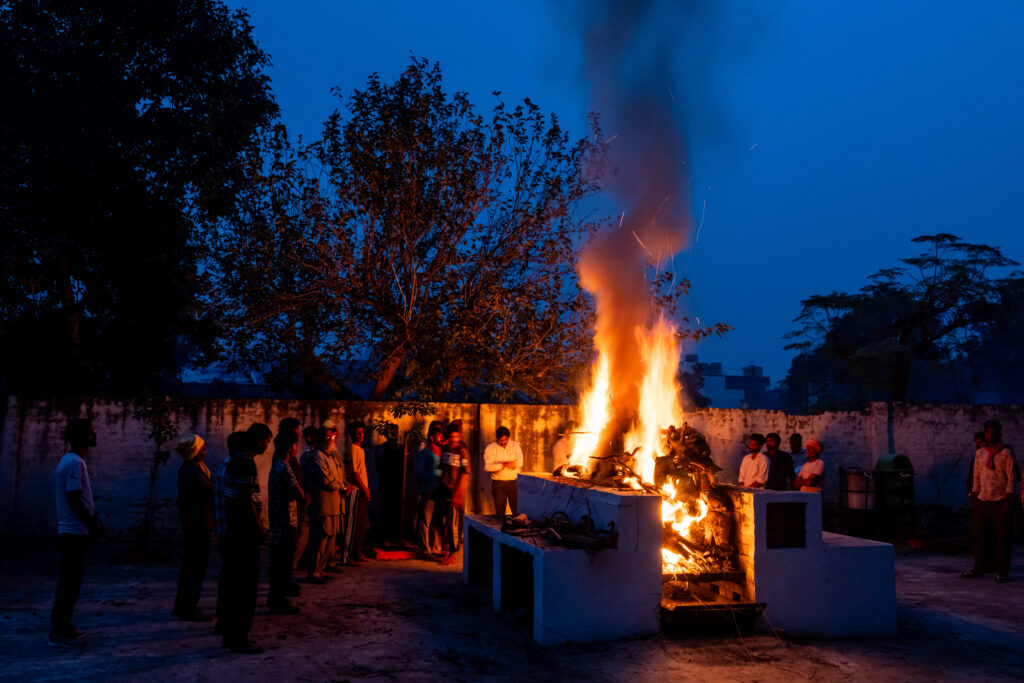
Decades of intense monocropping have led to a decline in soil fertility. Farmers say they use increasing amounts of fertilisers and pesticides each year, yet struggle to maintain the same yields. Unsurprisingly, Punjab is the largest consumer of fertilisers in the country. There is a growing consensus among farmers that this indiscriminate usage has contributed to rising cases of cancers and chronic kidney disorders.
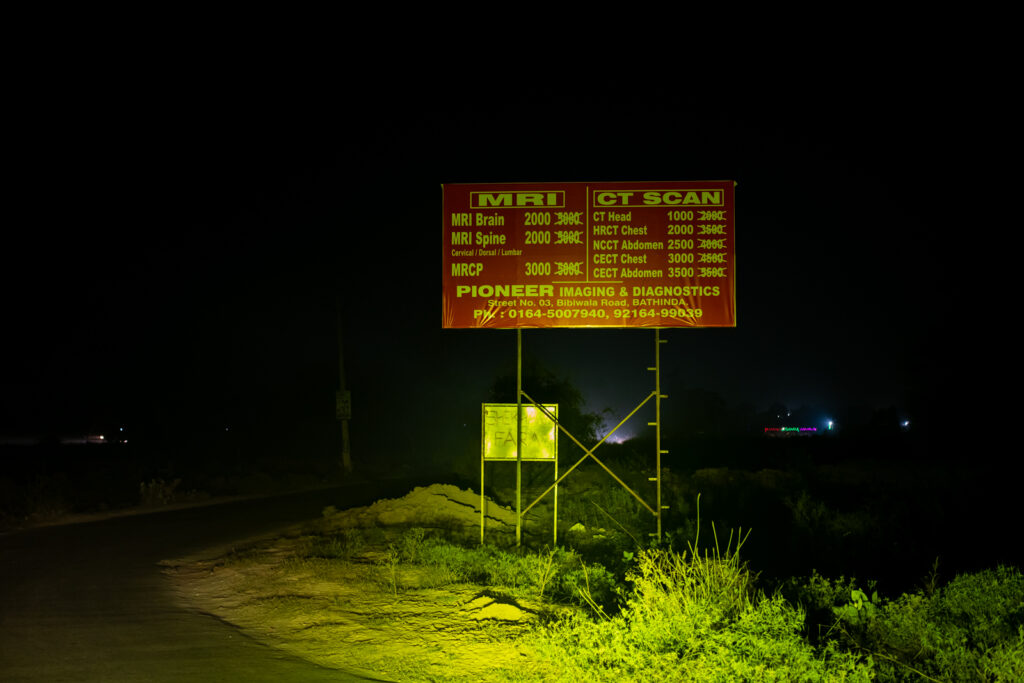
Data from the Indian Council of Medical Research showed that the incidence of cancer cases in Punjab rose by 7% between 2023 and 2024. A train that many from the region travel by to a hospital in neighbouring Rajasthan is infamously known as the “Cancer Express”. Although passenger numbers has declined following the establishment of three public hospitals in southern Punjab specialising in Cancer treatment, many still rely on the train.
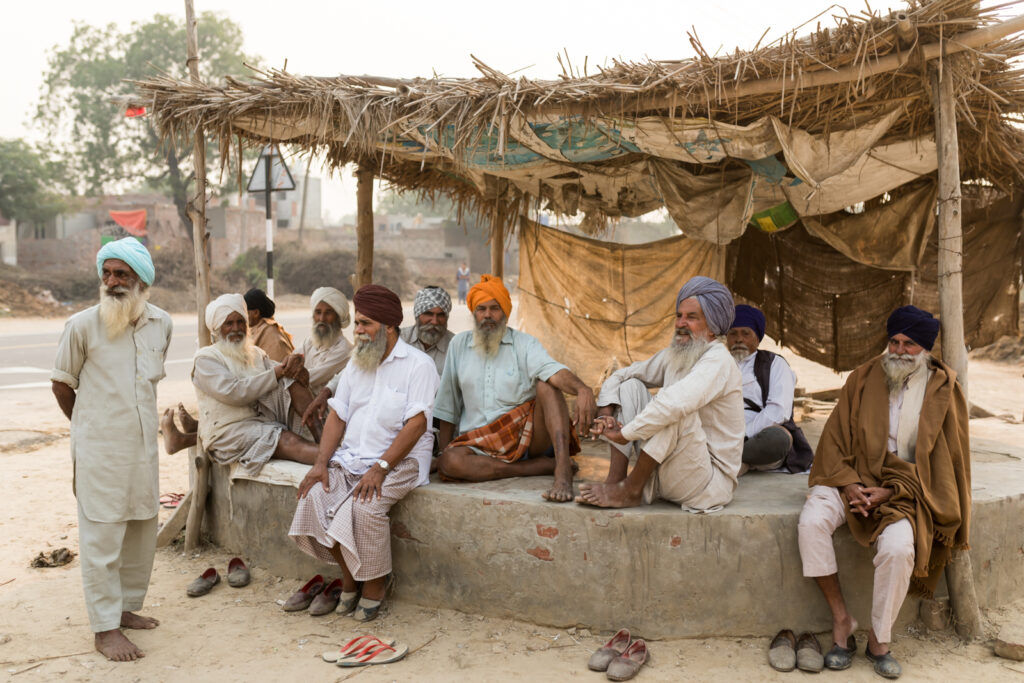
Farmers are well aware of these pressures and want to diversify into less water-hungry crops. Yet the safety net of a Minimum Support Price, or an assured price from the government, for rice remains a powerful incentive to continue paddy cultivation. Farmers from Punjab laid siege to Delhi’s borders for over a year in 2020–21 and have returned to protest again at Punjab’s borders between 2023 and 2024, demanding legal guarantees for MSP and an expansion of its coverage to all crops. Many hope that assured prices for alternative crops could protect both the state’s dwindling groundwater and their own livelihoods.
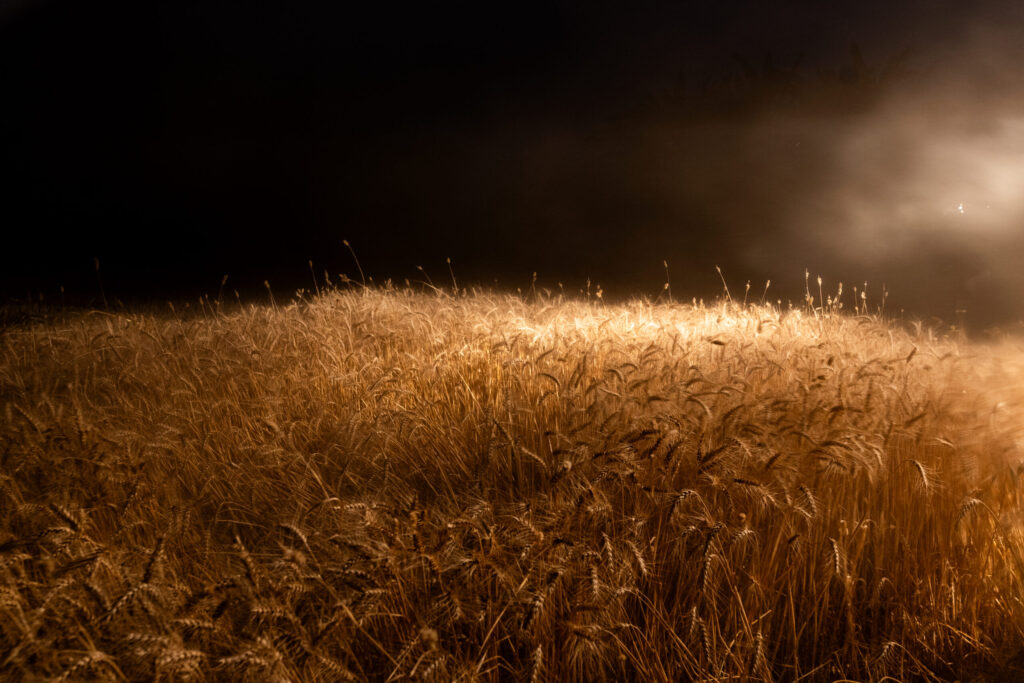
Kanak means gold in Sanskrit. In Punjabi, a language that evolved from Sanskrit, it has come to mean wheat.
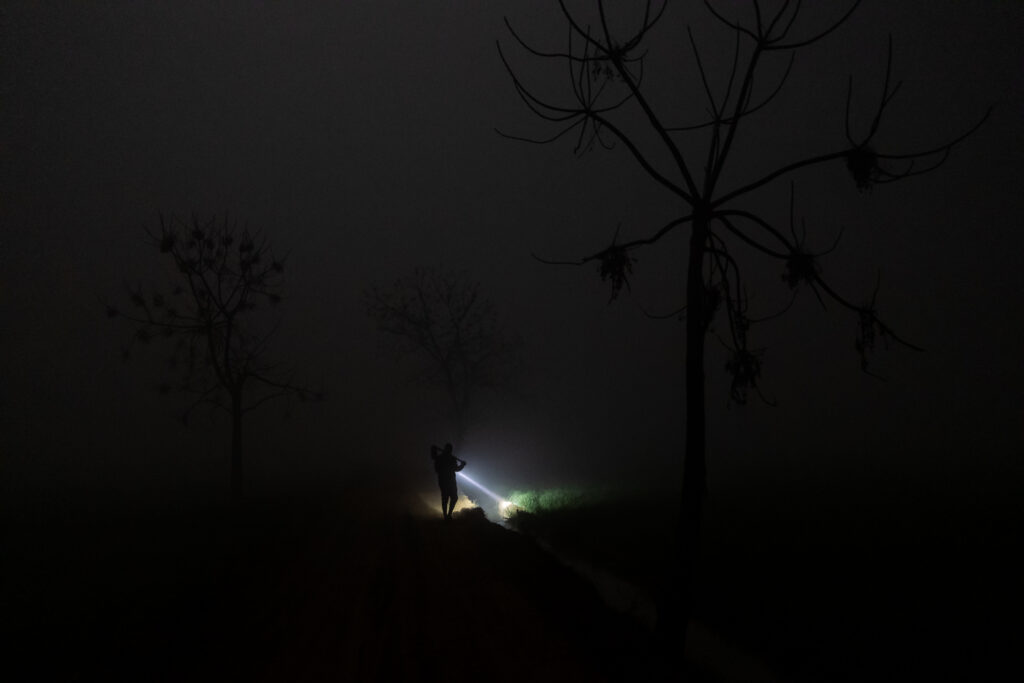
During the early years of the Green Revolution, farmers primarily relied on canals for irrigation. With the introduction of tubewells, farmers no longer had to wait for their turn to draw water from the canal, which could sometimes be at inconvenient hours. The introduction of free power for farms in 1997 contributed to the wider adaptation of tubewells and the rapid depletion of groundwater resources.
and nutrient supplements in a desperate attempt to improve paddy yield Nangal Kalan in
Mansa, Punjab, India. September 29, 2023.
During the first two months of the monsoon season, Mansa received 45 percent less rainfall than average, which resulted in crop underdevelopment and lower yields.
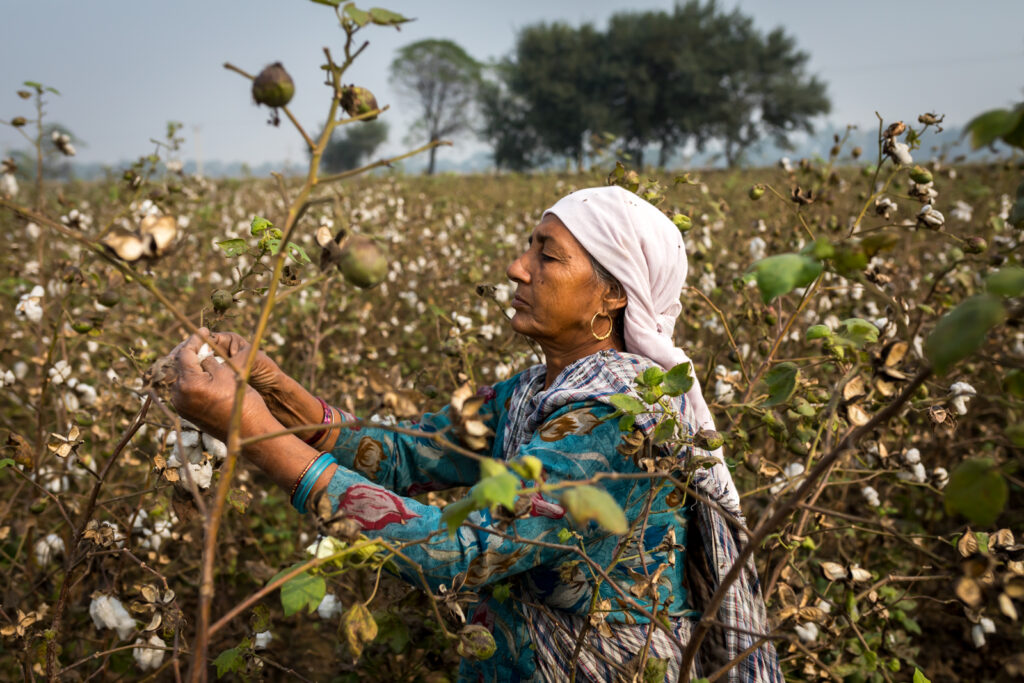
Decades of intense monocropping have led to a decline in soil fertility, and farmers say they use more fertilisers and pesticides each year, yet struggle to maintain the same yields.
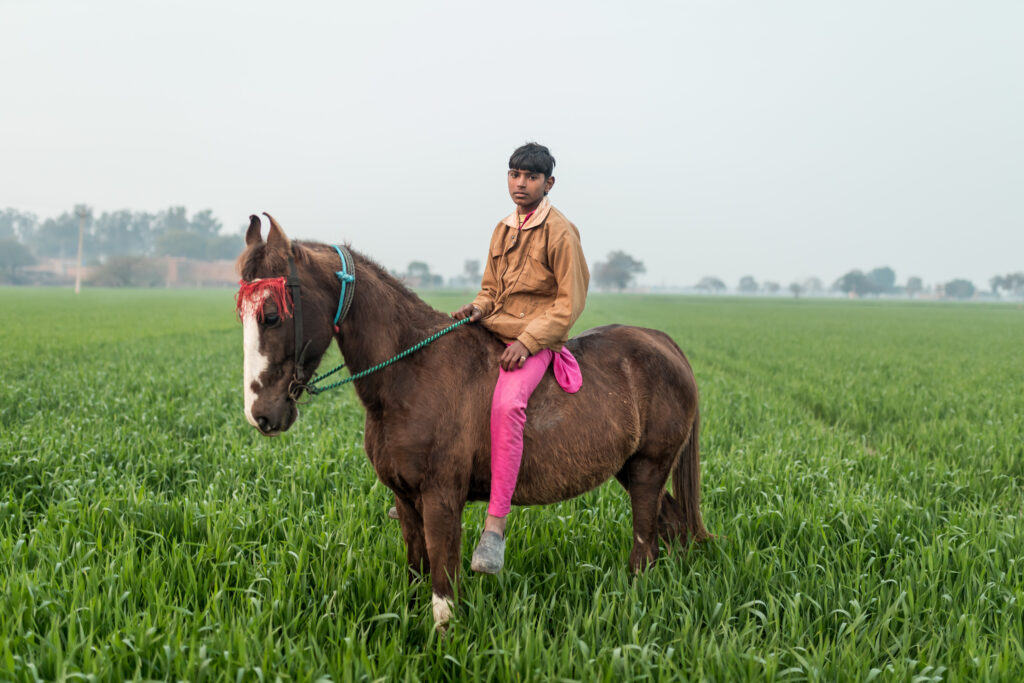
The family is employed collectively by the village’s farmers and gets paid in wheat, which they sell in the market to meet their expenses. January 29, 2017.

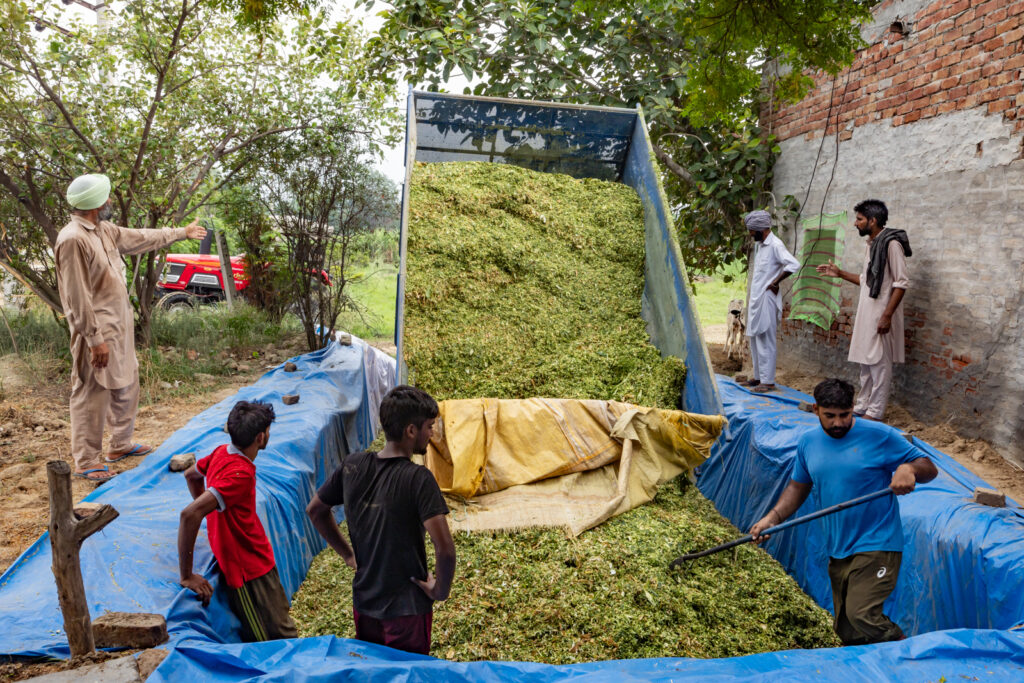
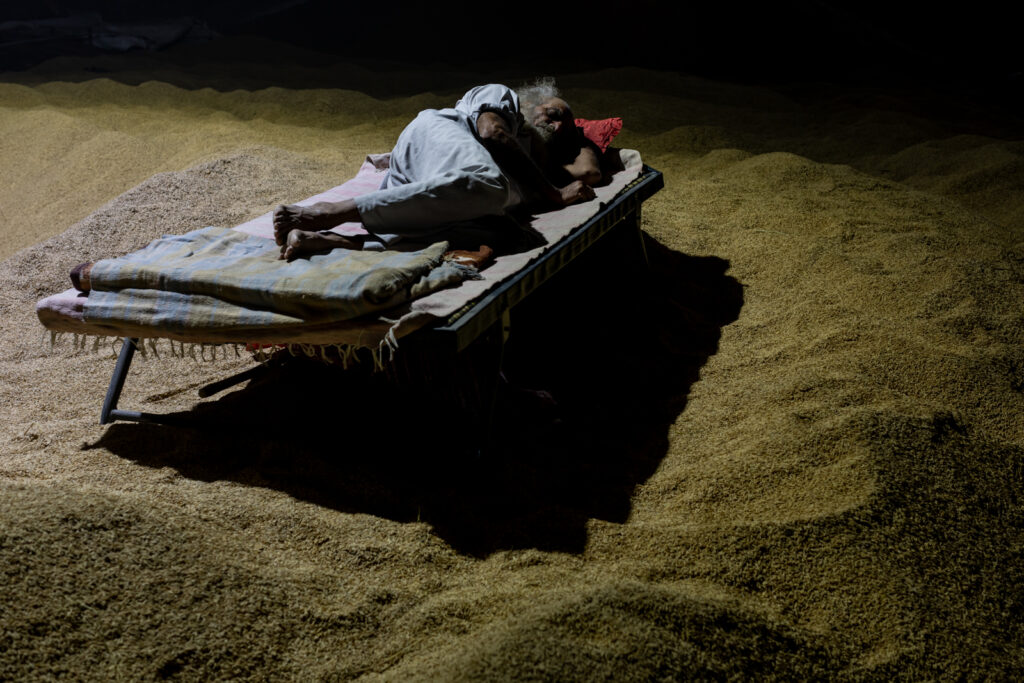
Earlier in October, untimely rains across the state damaged standing paddy crop and caused high moisture content in the harvested paddy.

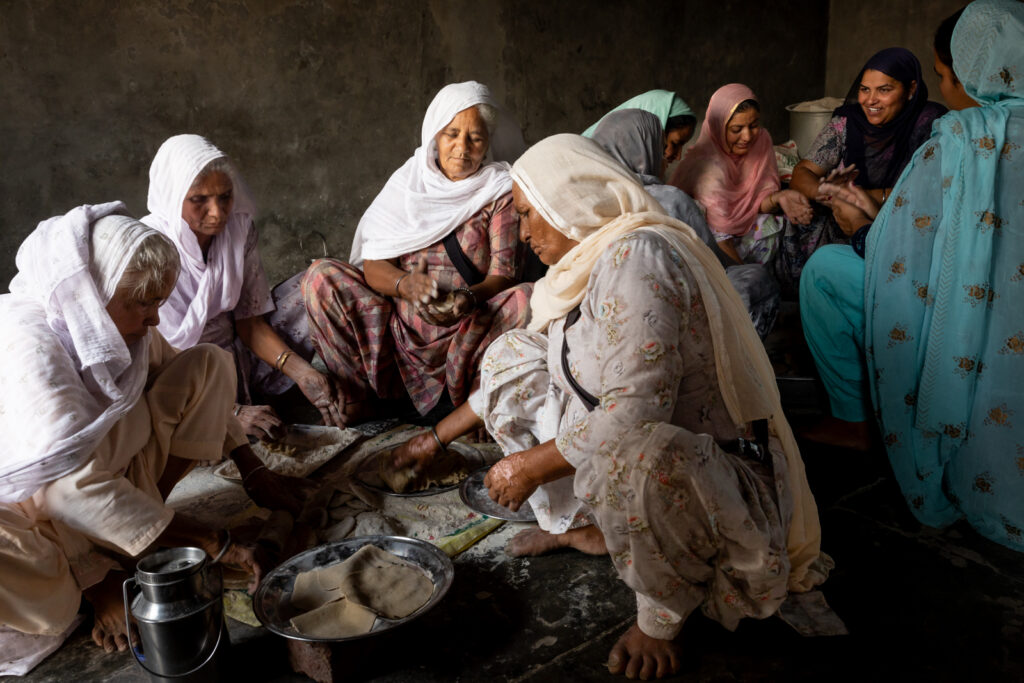
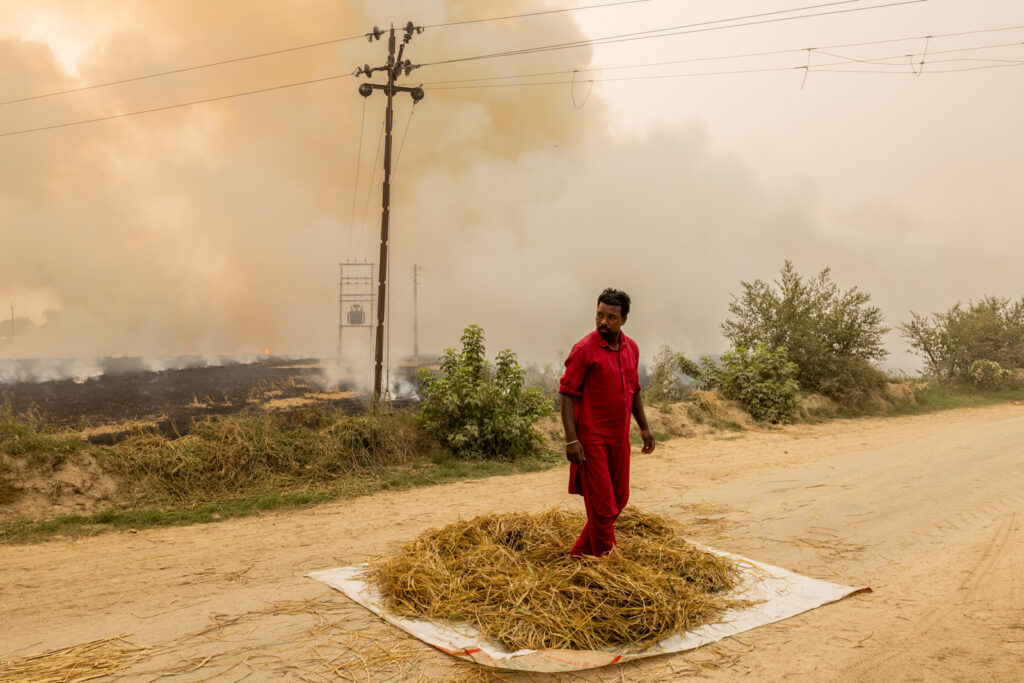
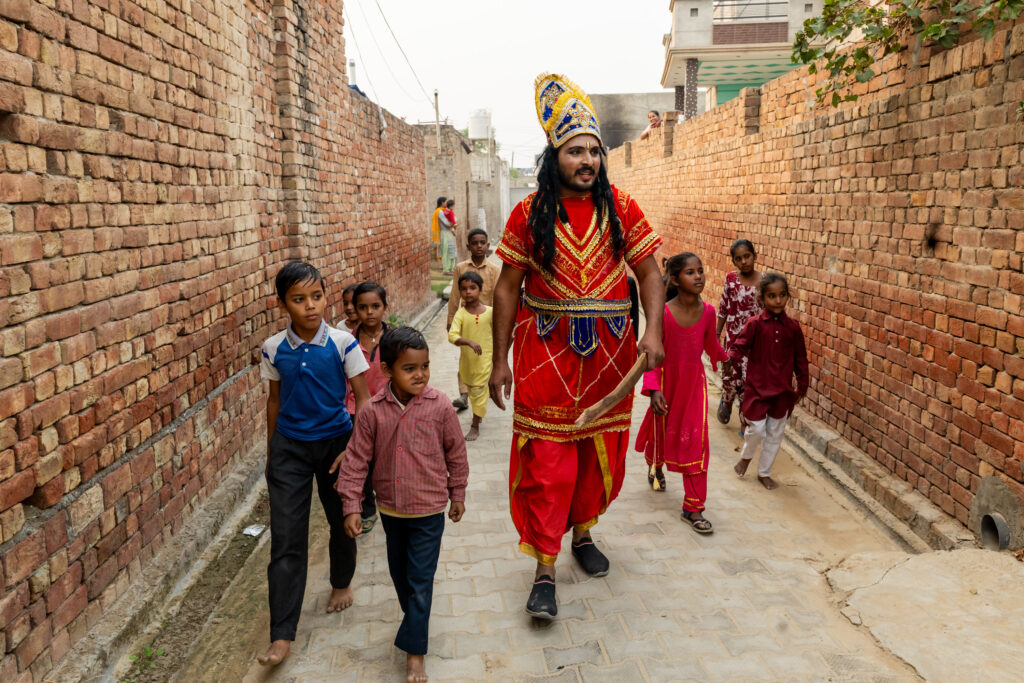
Nath, a farmer in Chikli near Ujjain in Madhya Pradesh, says he does this for fewer days now as farmer incomes have dwindled and they are not as generous with gifts as they used to be. November 14, 2023.
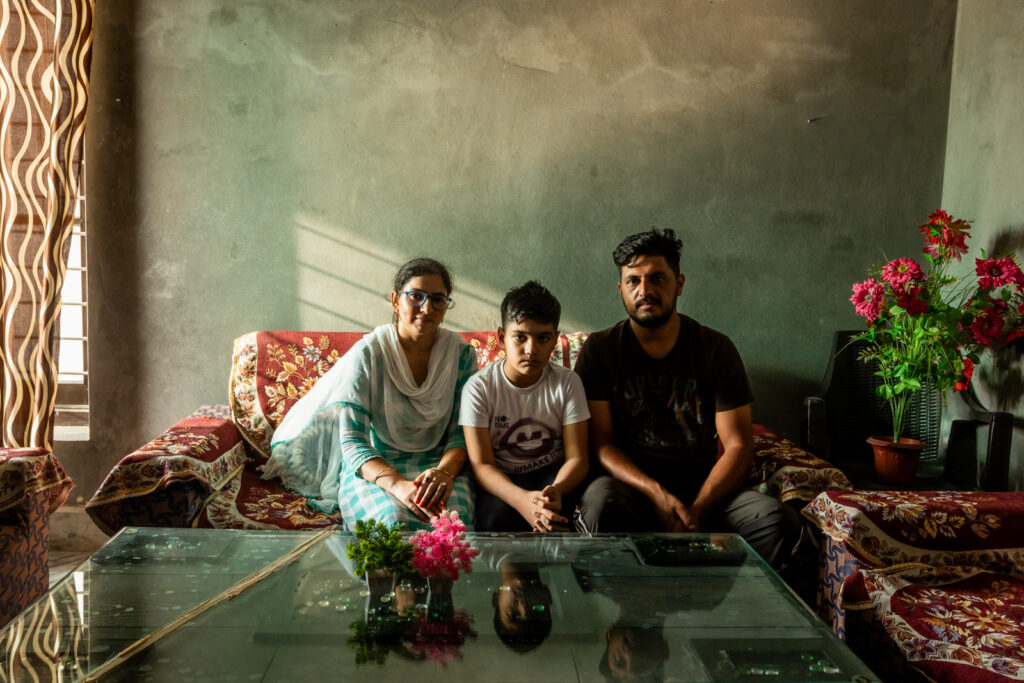
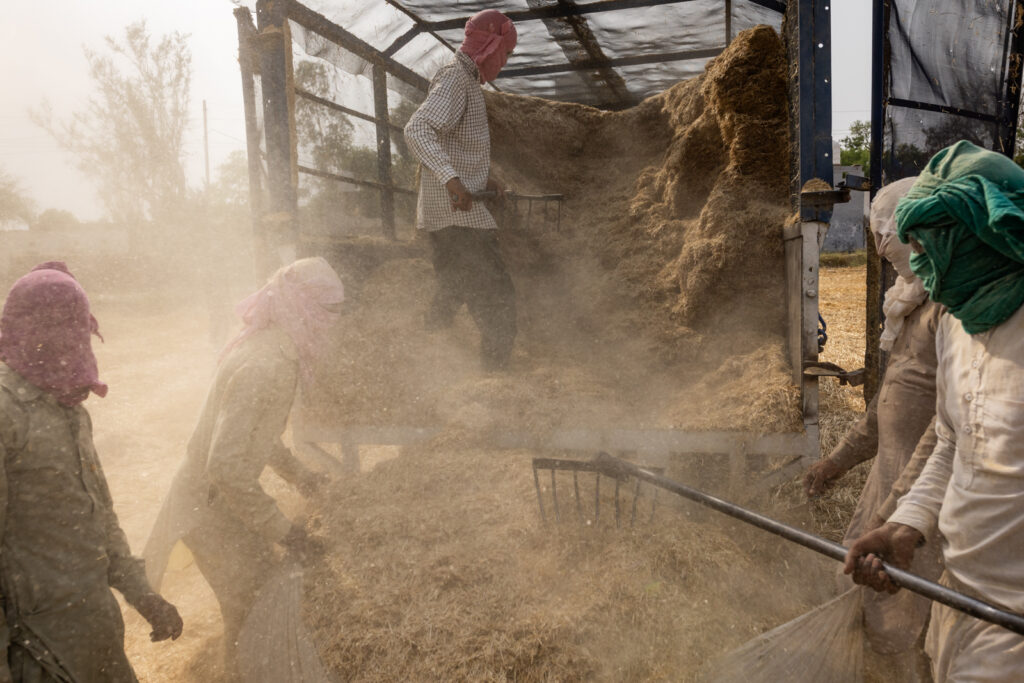

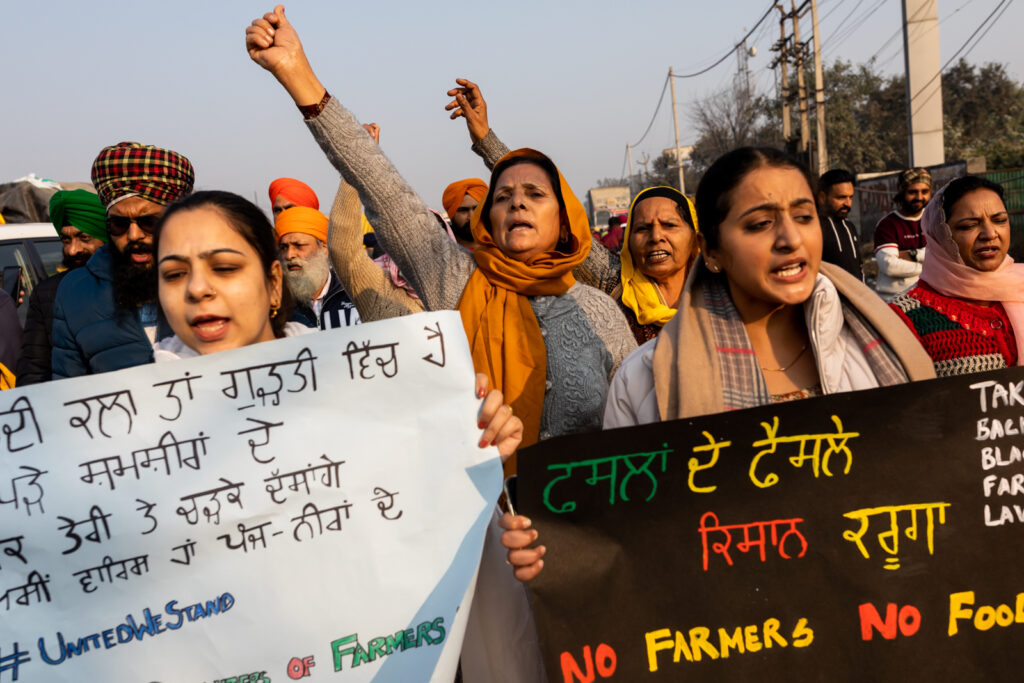
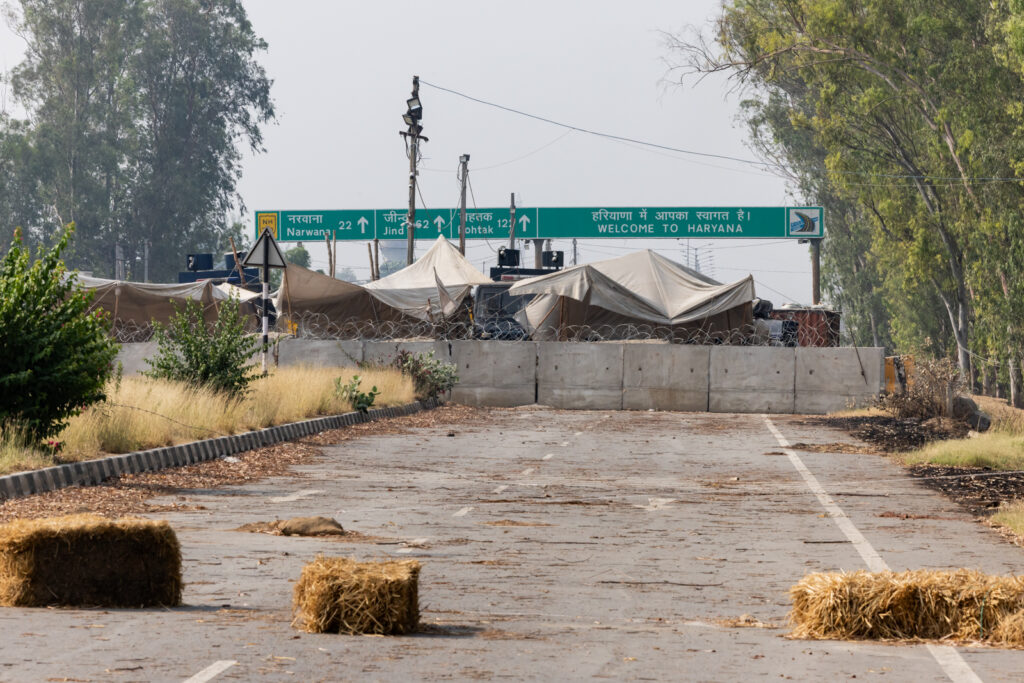
On February 13, 2024, hundreds of farmers set off to lay siege to Delhi’s borders, demanding a legal guarantee for MSP on all crops, but were stopped at the state’s borders at Shambhu and Khanauri by Haryana police. They’ve remain at the borders ever since.
Reporting on this project between 2023 and 2024 was supported by a grant from the National Geographic Society.