Few architectural movements embody political paradox as clearly as tropical modernism. Emerging in the final decades of European colonial rule, it sought to adapt modern architecture to the hot, humid climates of Africa and Asia through devices such as deep overhangs, brise-soleil, shaded courtyards and cross ventilation. Yet this climate-responsive architecture also created demand for industrial materials — particularly reinforced concrete and cement manufactured by European companies — embedding colonial industries within the built environment of the tropics.
The paradox extended into the postcolonial era. In 1951, just four years after India gained independence from Britain, Prime Minister Jawaharlal Nehru invited British architects Maxwell Fry and Jane Drew to help plan Chandigarh, embracing modern architecture as a means of projecting a new national identity on par with the West. Over the following decades, however, Indian architects such as B.V. Doshi and Charles Correa reinterpreted tropical modernism through local climates, cultures and ways of living, transforming it from an imported model into a distinctly national architectural language.
Across West Africa, tropical modernism also shaped civic architecture as countries moved towards independence, largely through the work of European architects. One such figure was the French-born architect Henri Chomette, whose work in Senegal came to be known as sub-Saharan modernism. He integrated local craftsmanship — ceramic and fired-brick elements — into reinforced concrete structures, while also drawing inspiration from African art for architectural detailing. These buildings demonstrated an early understanding of designing for tropical climates, but their reliance on concrete also reflected a broader hygienist worldview that privileged industrial construction over the earth-based materials long embedded in vernacular architecture. Contemporary architects are now retaining the movement’s climate-responsive thinking while looking beyond its material assumptions, exploring construction methods more closely rooted in the landscapes and cultures in which they build.
Across Southeast Asia, tropical modernism developed through a complex exchange of colonial influences, regional connections and local building traditions. In Indonesia, the movement was shaped by Dutch colonial architecture, neighbouring countries such as Singapore and Malaysia, and generations of architects who returned after studying abroad. Yet as concrete became associated with progress and modernity, it also gradually displaced traditional materials such as timber and bamboo. Today, architects are revisiting these materials alongside new technologies, while also exploring adaptive reuse as a way of extending the life of existing tropical modernist structures.
As we confront rising temperatures, resource scarcity and the environmental cost of construction, the debate has shifted. Rather than asking whether tropical modernism should be celebrated or rejected, the question is how its climatic intelligence can be carried forward with the knowledge and tools available today. Can the movement’s attention to orientation, shading, ventilation and material performance be combined with advances in environmental monitoring, simulation and material science to create buildings that respond more precisely to their contexts?
The answer may lie in revisiting the lessons of tropical modernism — not as a fixed architectural language, but as a way of thinking about climate, materials and place.
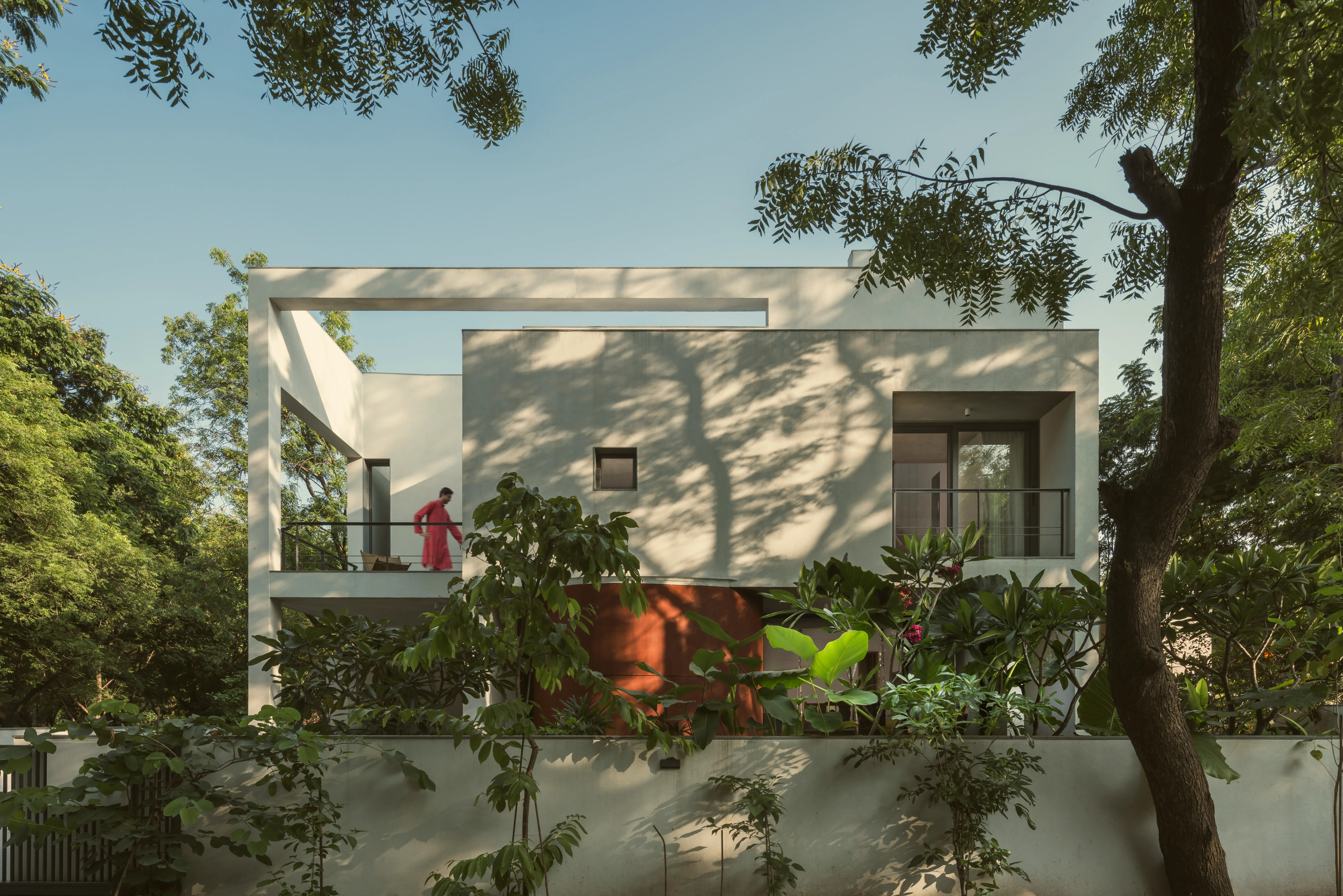
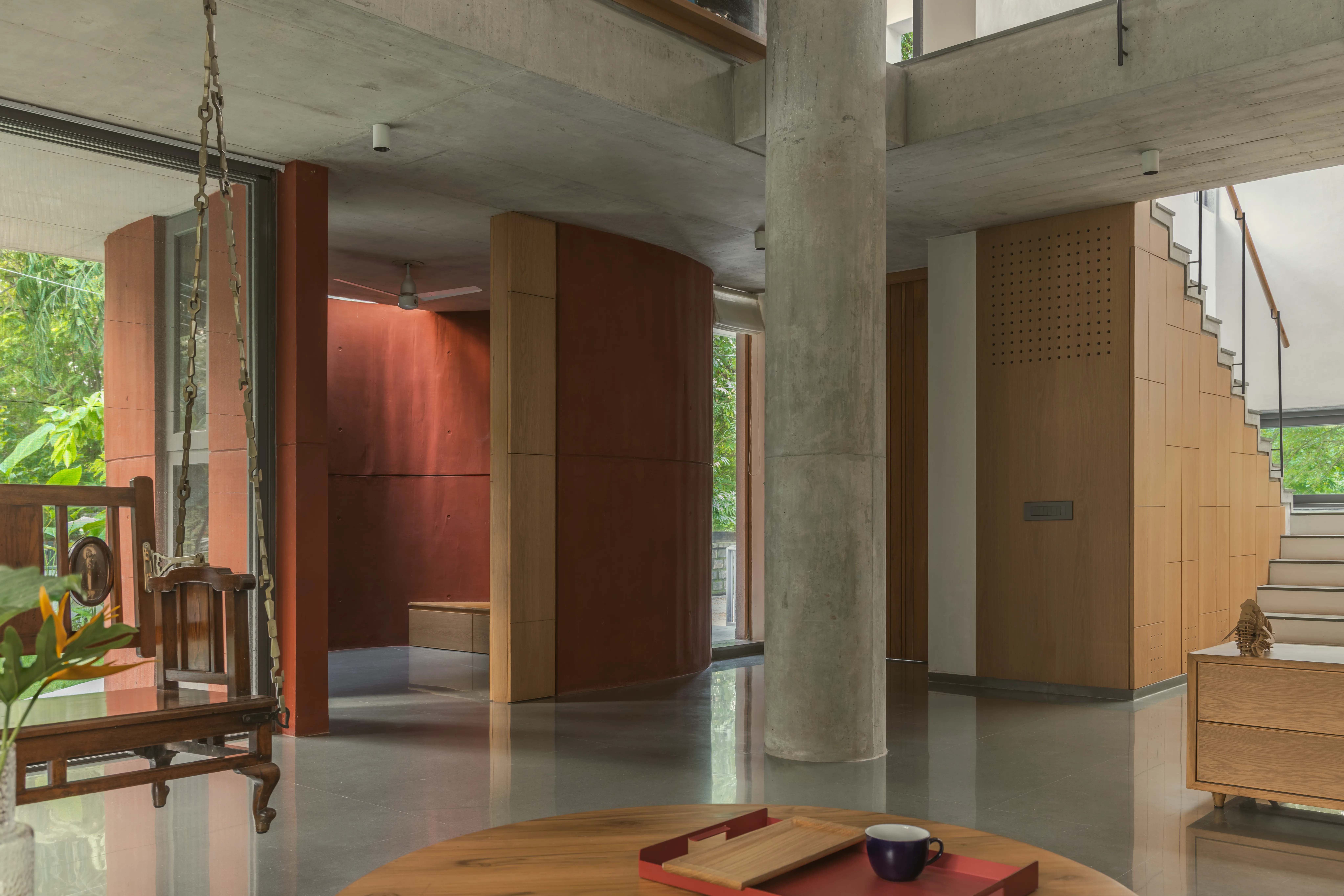
“There is a tendency to reduce tropical modernism to an aesthetic,” says architect Geeta Pandit of Ahmedabad-based Studio ARUR. Standing in the double-height living room of the home she shares with architect Hardik Pandit, conceived like the courtyard of a traditional Gujarati house, that distinction becomes immediately apparent. Bedroom windows overlook the shared space, where a fifty-year-old swing sofa anchors family life. Exposed concrete, local stone and generous overhangs lend the house a restrained material palette, but its defining qualities are environmental rather than stylistic: carefully calibrated daylight, shaded outdoor spaces and natural ventilation.
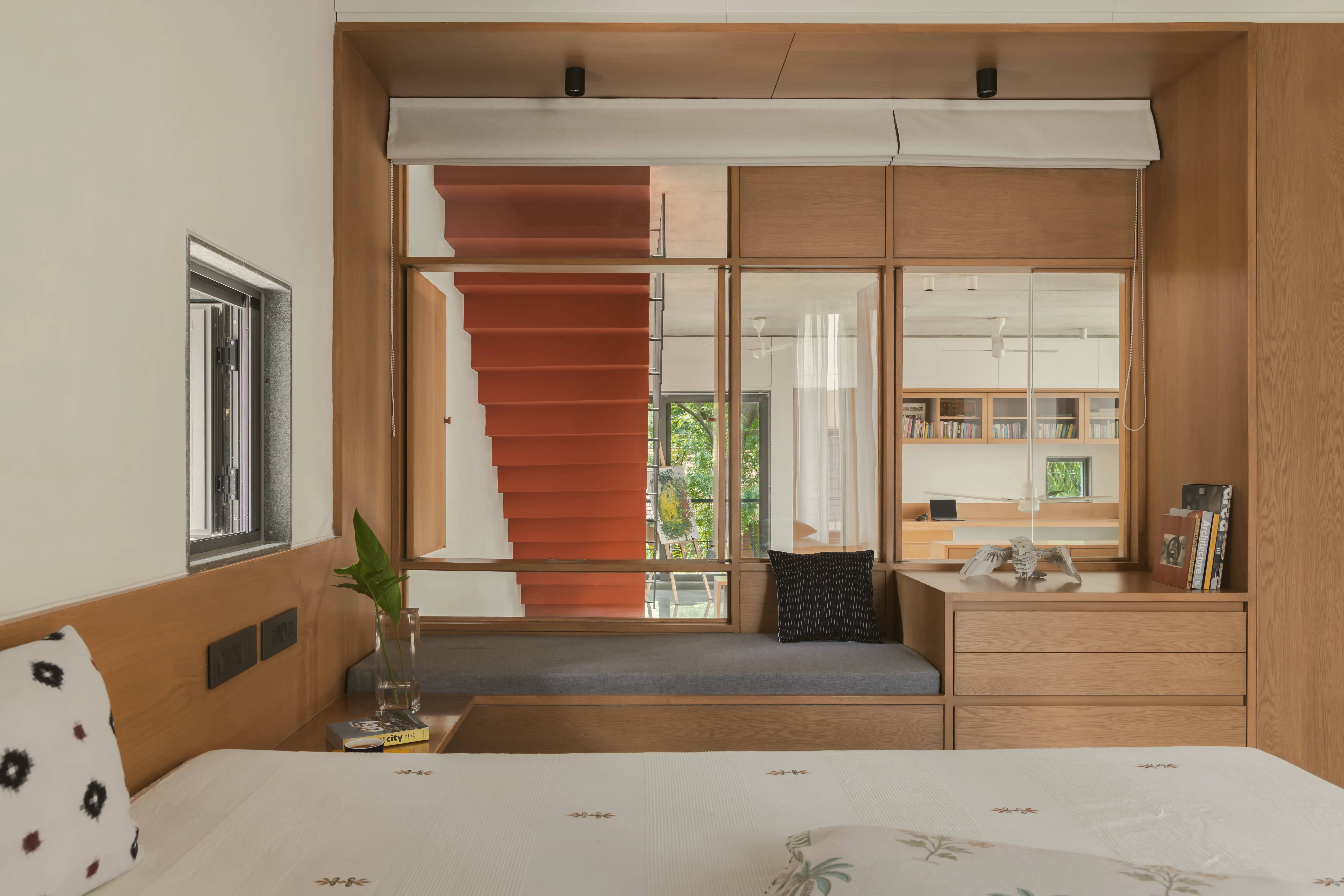
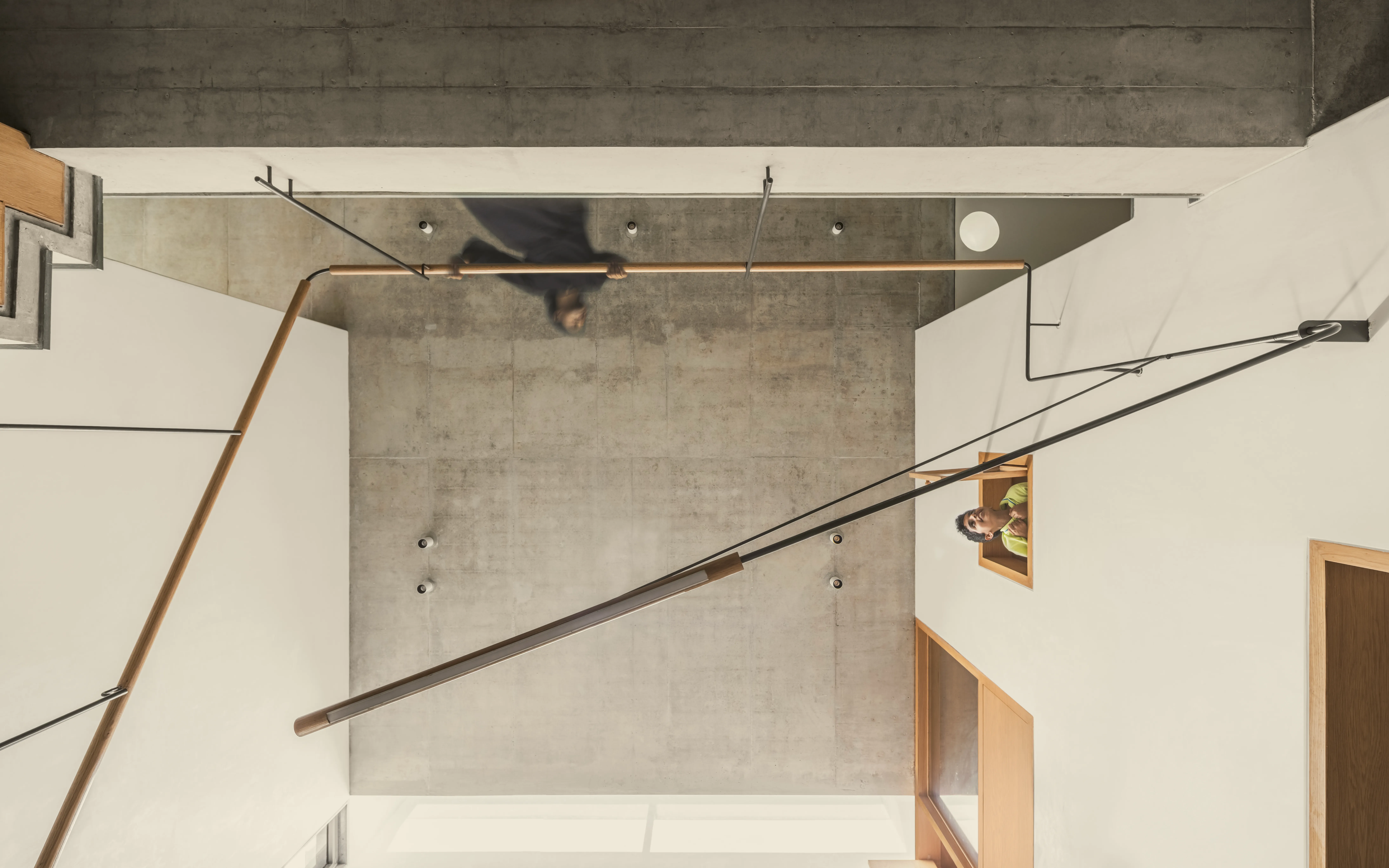
For Studio ARUR, the lesson lies not in replicating the visual language of tropical modernism, but in reinterpreting its passive environmental strategies through contemporary materials and technologies. In one of the studio’s recent office projects, a traditional brise-soleil is reinterpreted by wrapping the west-facing facade in a screen of fossilised stone that filters heat, traffic noise and harsh afternoon light. Integrated planters will eventually allow vegetation to envelop the screen so that, as Pandit puts it, “the entire building will dissolve into greenery.”
For Nzinga Mboup of Dakar-based architecture studio Worofila, known for its contemporary earth buildings, the movement’s most enduring contribution lies in its pursuit of thermal comfort rather than the materials through which it was achieved. Across the tropics, glass towers continue to signal progress despite their dependence on mechanical cooling — a model she describes as belonging to “an era of cheap energy” that can no longer be sustained.
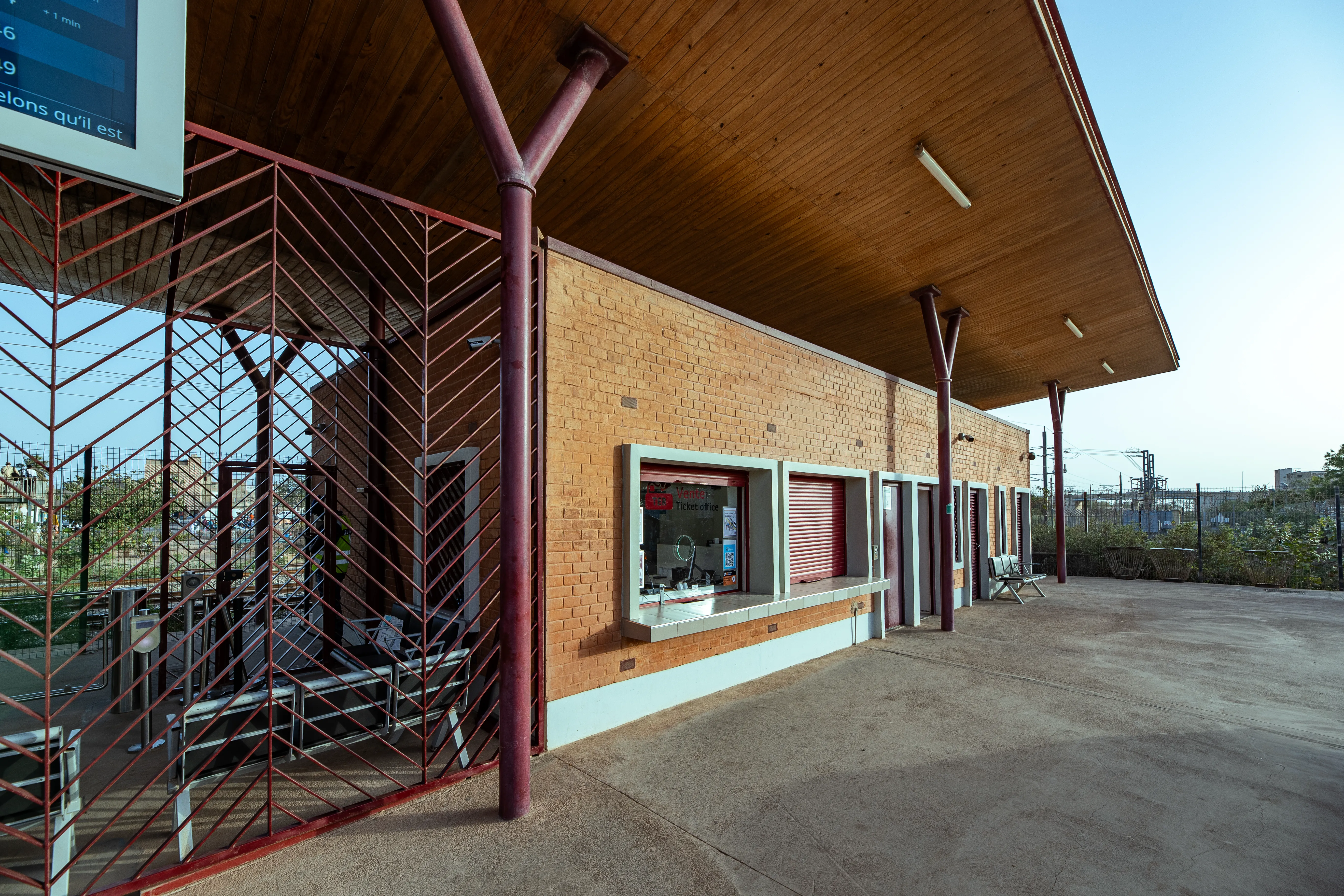
This thinking underpins Worofila’s work on Bargny TER station, one of 16 stations planned along Senegal’s new express rail network. Designed using compressed stabilised earth blocks (CSEBs) in combination with a steel structural frame, the station reimagines a traditional material as a contemporary building system for public infrastructure — one that is modular, economical and replicable across the network. Rather than positioning earth as an alternative to modern construction, Worofila demonstrates how locally sourced materials can be integrated with industrial systems to deliver robust civic architecture. In doing so, the practice extends tropical modernism’s climatic ambitions beyond concrete, showing that thermal comfort can be achieved through materials that are both lower in carbon and rooted in local construction knowledge.
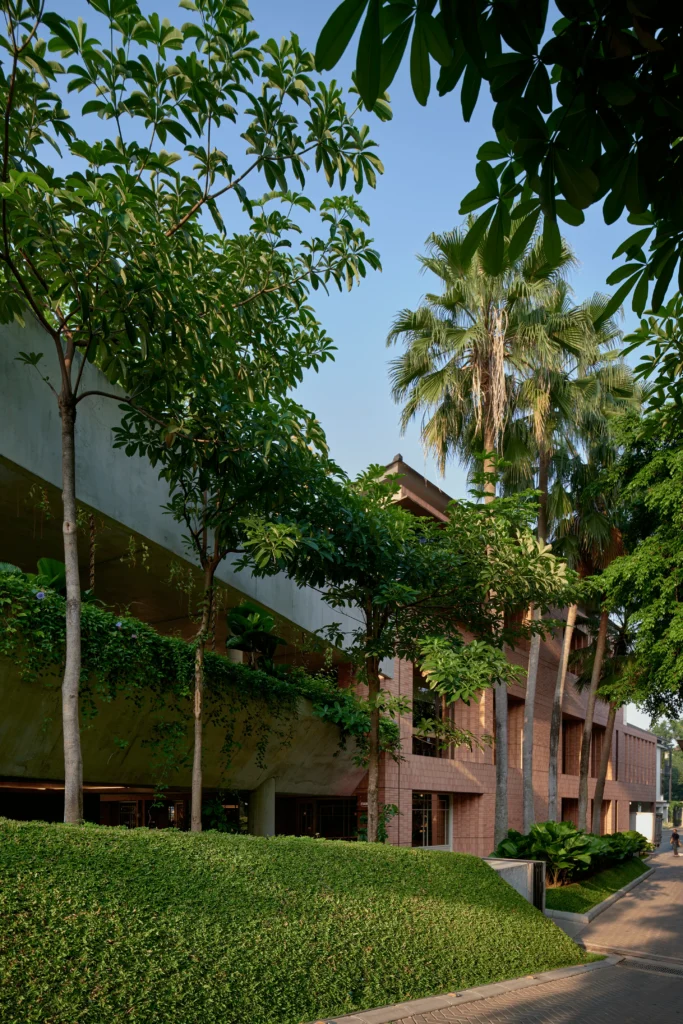
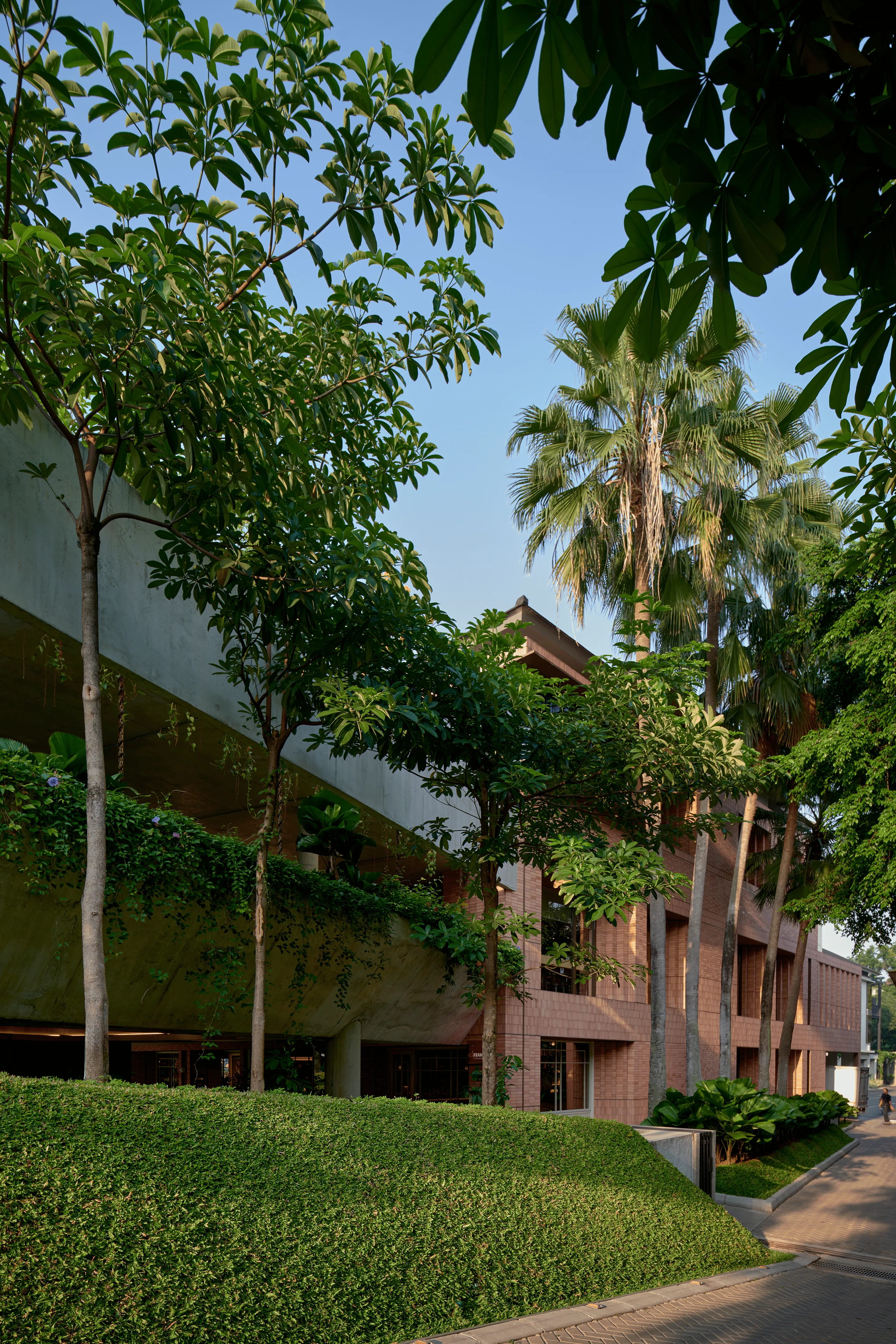
For Indonesian architect Joe Willendra of WOFF, the future of tropical architecture begins with preserving both landscape and existing buildings. Commissioned to transform a 1990s concrete-frame building with a pitched tiled roof into Bumi Pakubuwono, a food and dining destination in Jakarta, Willendra began not with the architecture but with the site. “We wanted to respect the natural conditions and keep all the trees,” he says. “We actually designed the landscape first, and then the building around it.” The existing structure was retained, wrapped in a new brick skin and extended with a contemporary glass-and-concrete addition that reconnects the street to the deep-set site.
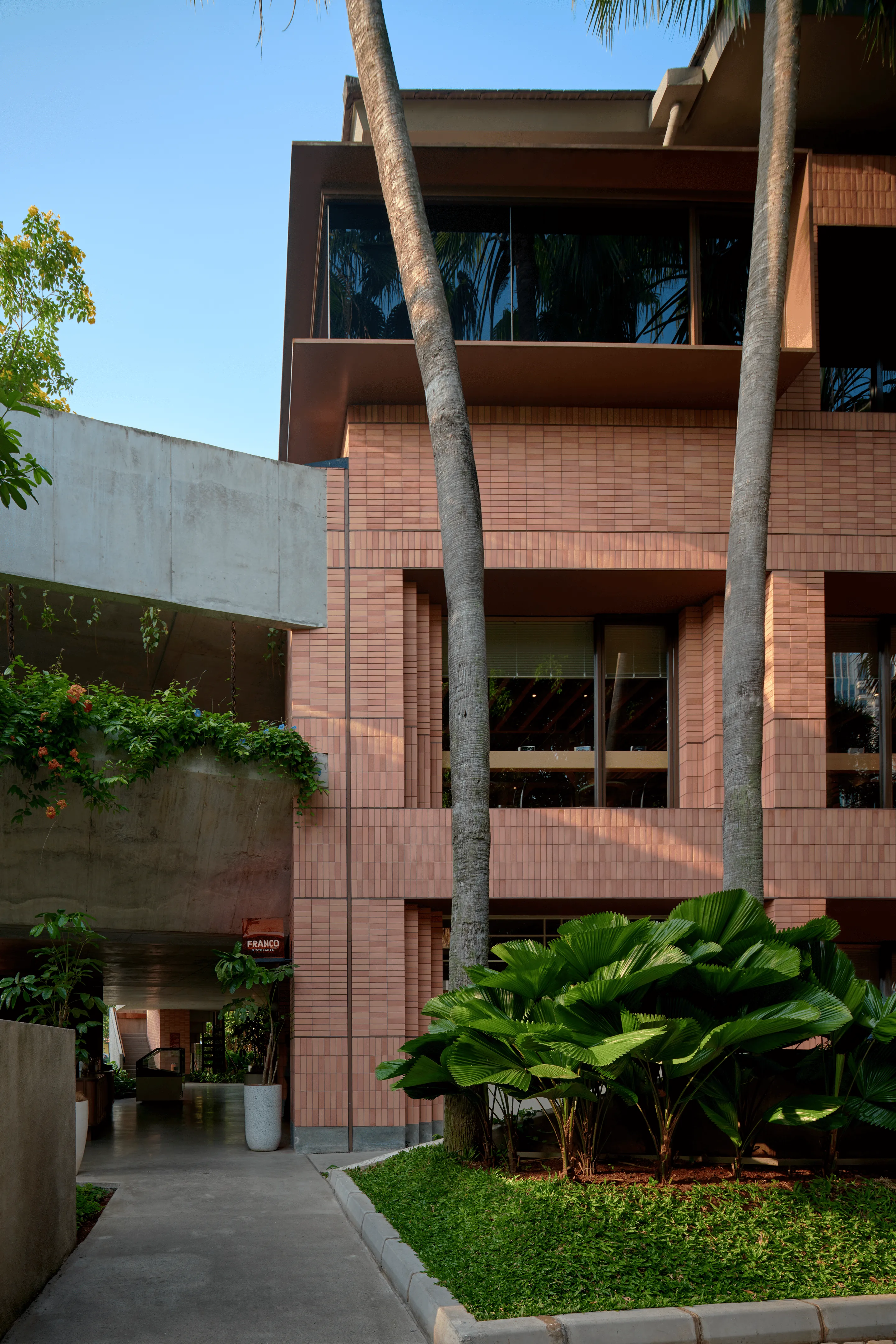
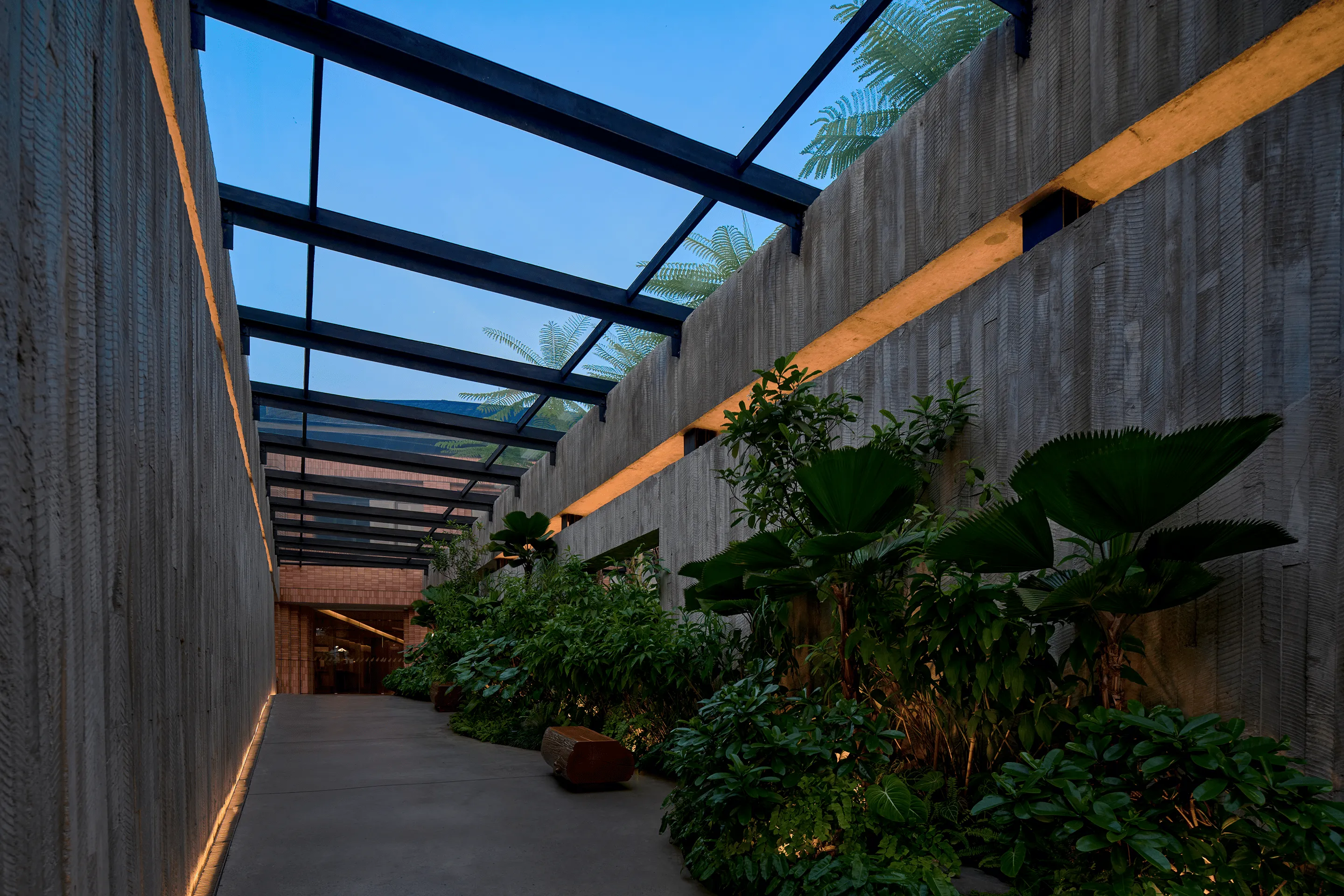
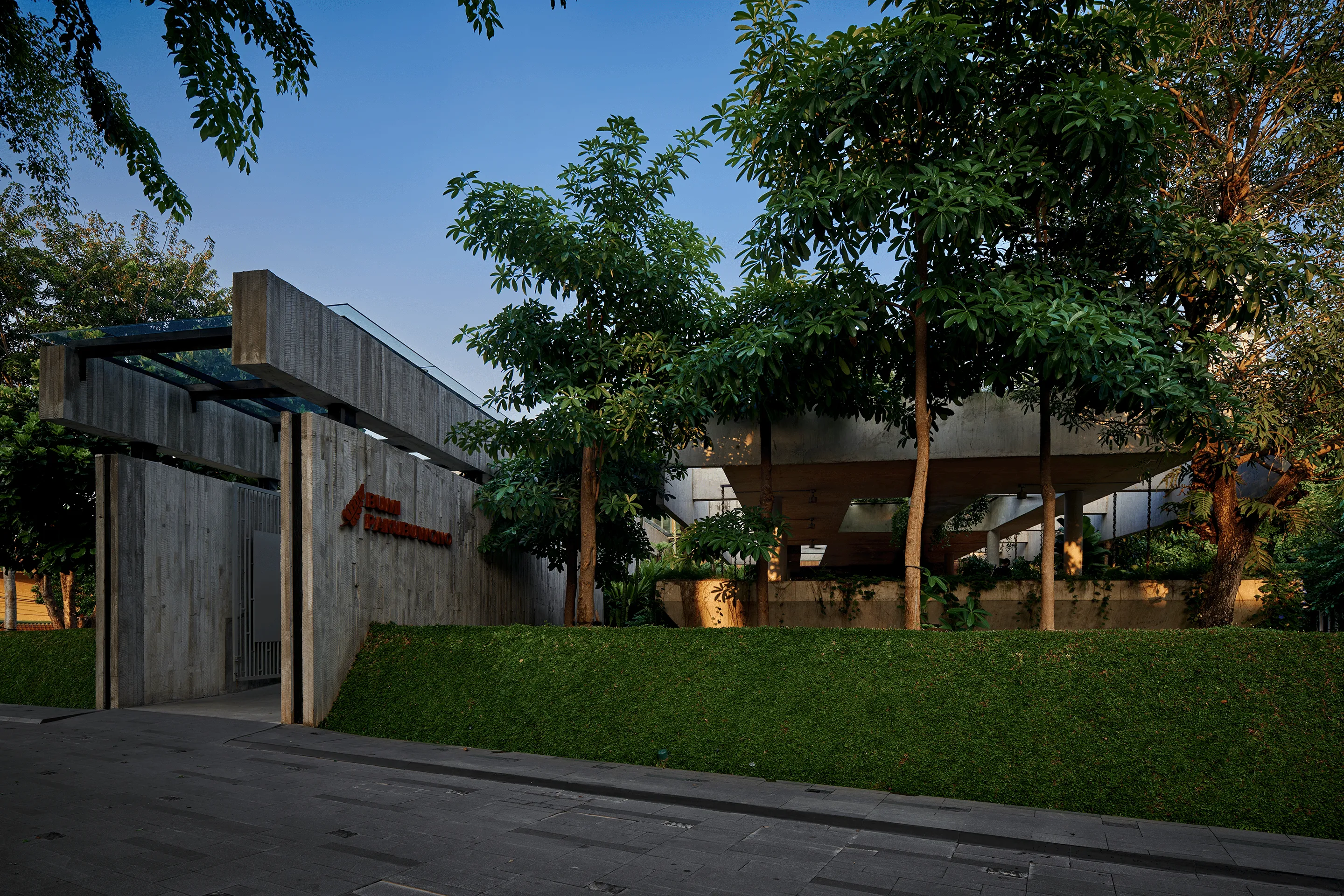
Willendra argues that concrete structures inherited from the tropical modernist era are resources rather than relics. Instead of replacing them, architects should improve their environmental performance, recognising that extending a building’s life can often have a lower environmental cost than constructing a new one — even with more sustainable materials.
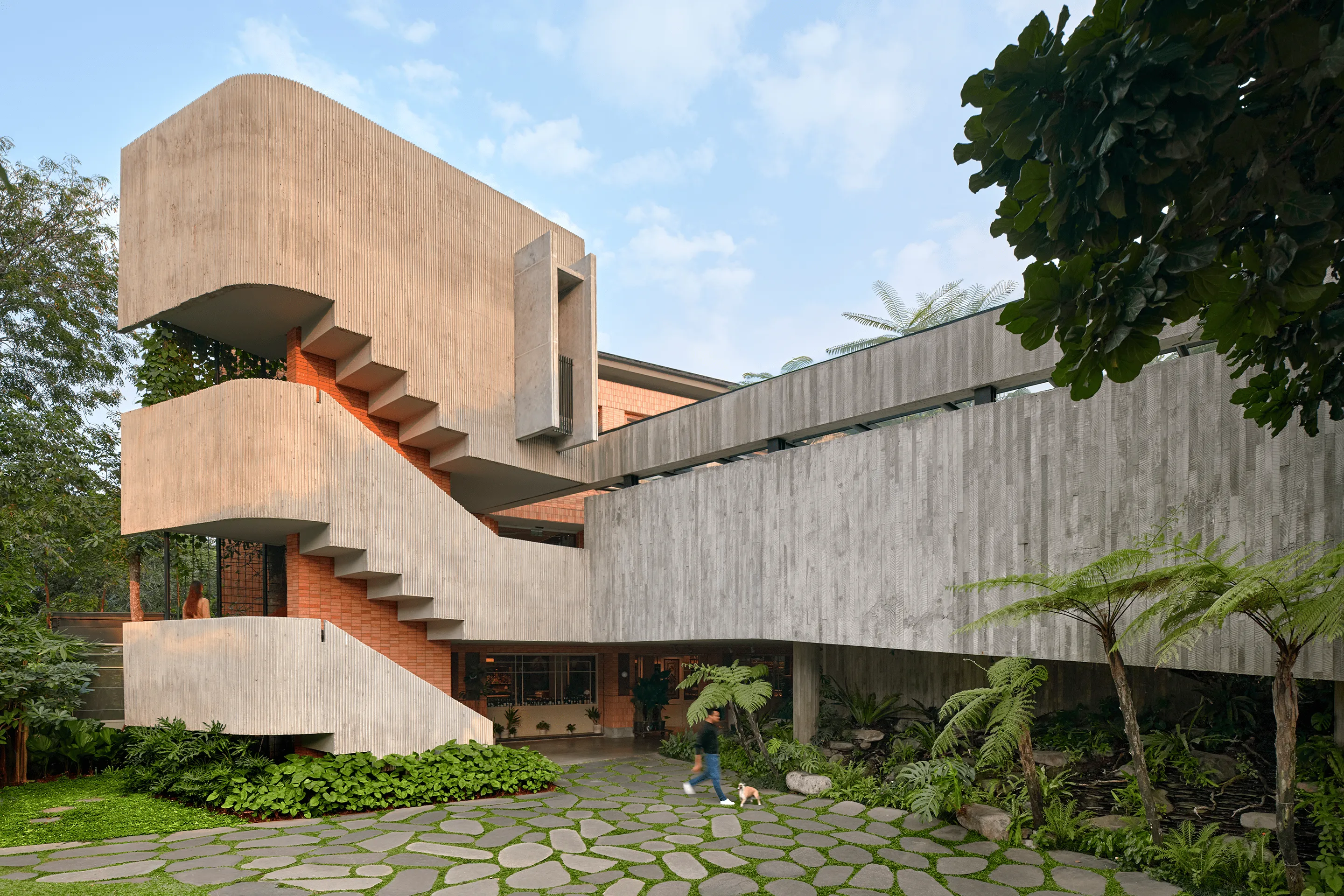
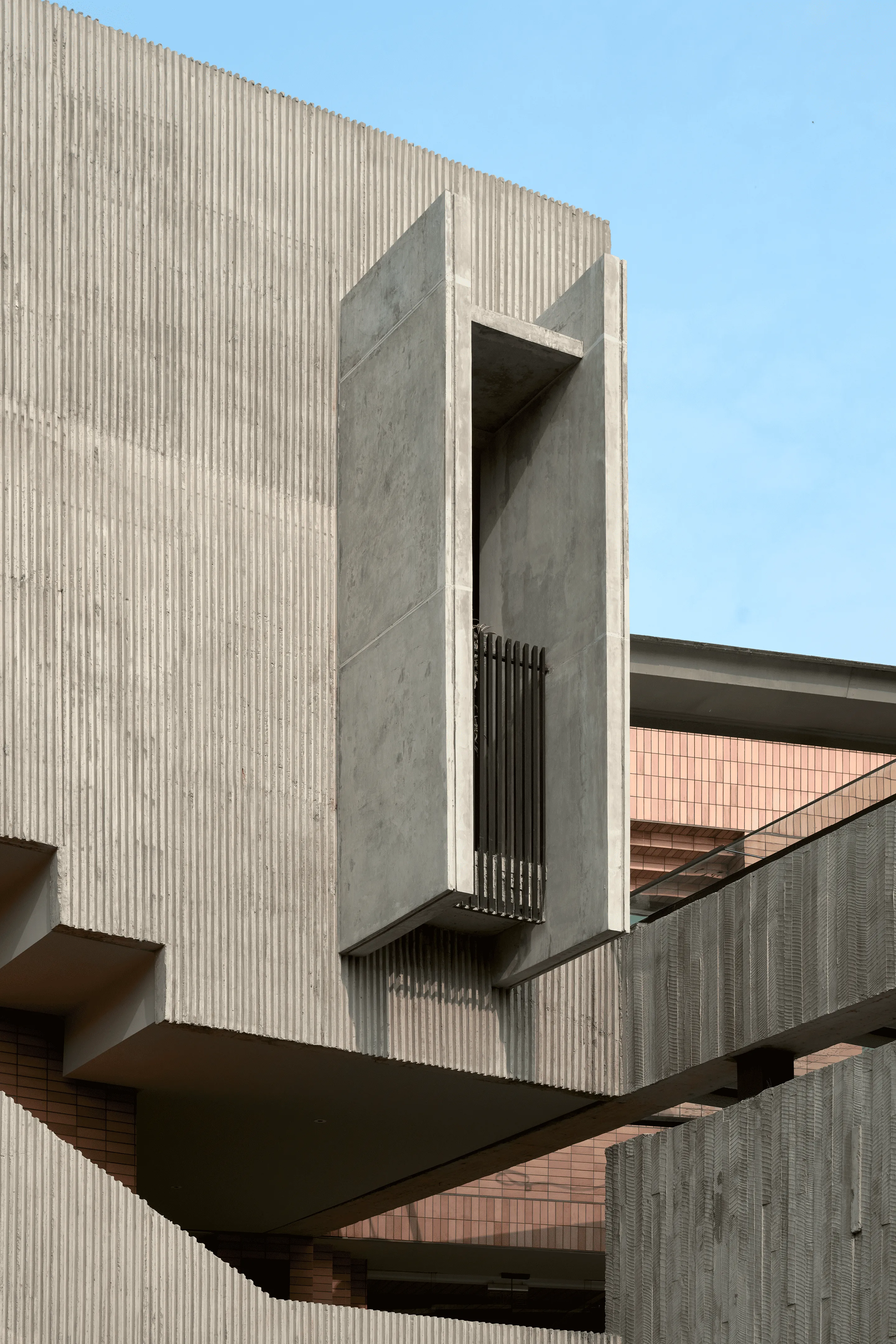
Together, these practices suggest that the future of tropical architecture lies not in reviving a movement, but in extending its principles in new directions. Whether through passive environmental design, earth-based construction or the adaptive reuse of existing buildings, they demonstrate that climate-responsive architecture is as much about decisions on materials, resources and landscape as it is about form.
Yet isolated projects alone cannot reshape the built environment. Their impact will remain limited unless these ideas begin to influence planning policy, building regulations and construction practices, which continue to prioritise zoning, height and setbacks over environmental performance. As cities across the tropics confront rising temperatures, rapid urbanisation and mounting resource constraints, the challenge is no longer simply to design better buildings, but to embed climate-responsive thinking into the systems that produce them. Only then can tropical modernism evolve from a historical movement into a framework for building more resilient urban futures.