Along the shores of the Dnieper River—one of Europe’s major transboundary waterways—evidence of warfare and ecocide remain, three years after the burnings.
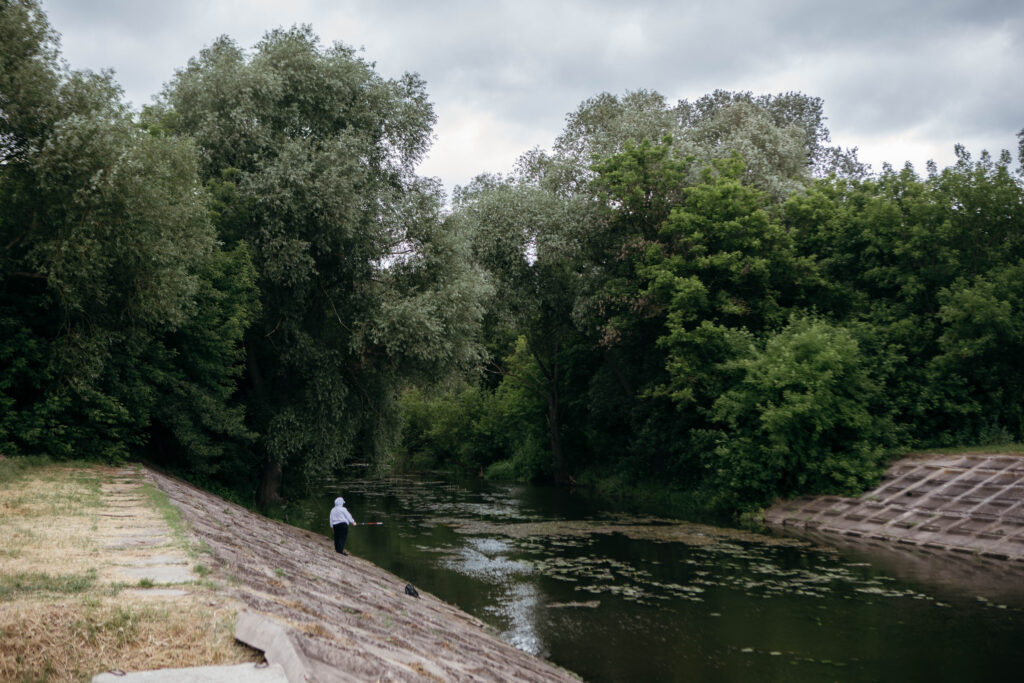
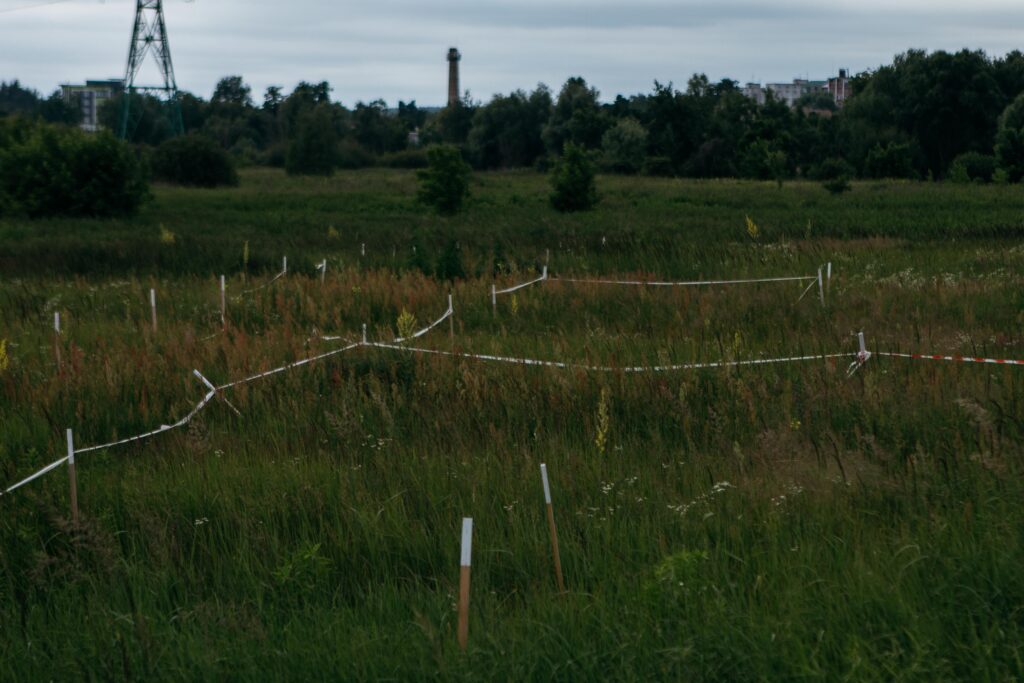
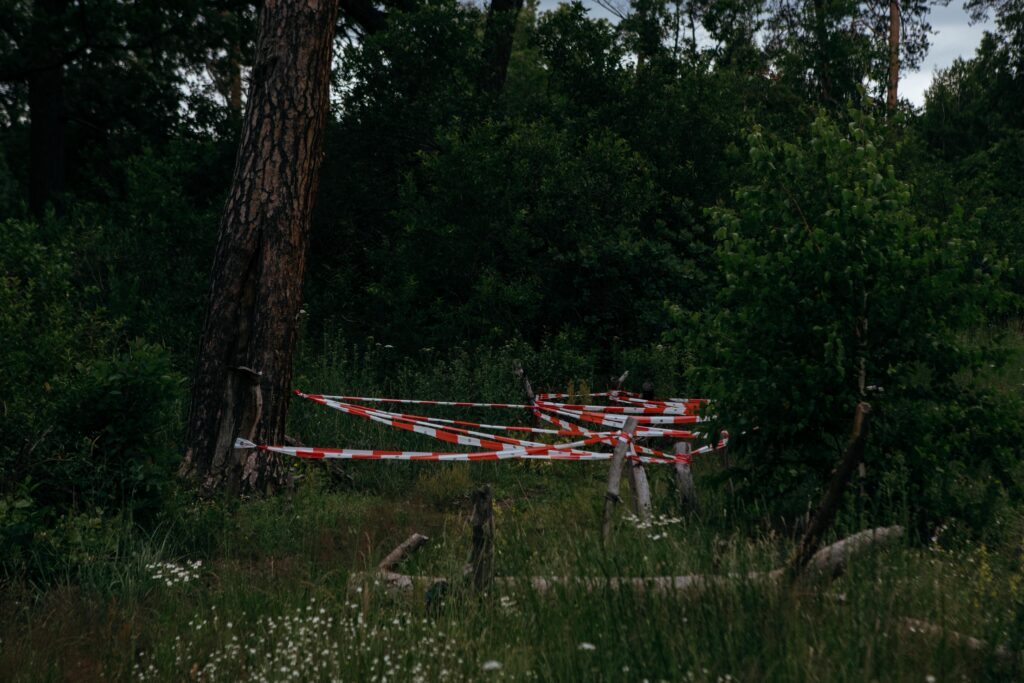
Fishermen float past felled trees rotting in the water; sections of forests remain cordoned off for fear of landmines. A bluebird sky graces the weekend; on the surface, everything appears calm. But unspeakable horrors have happened here, leaving behind trauma that continues to trouble residents who chose to stay.
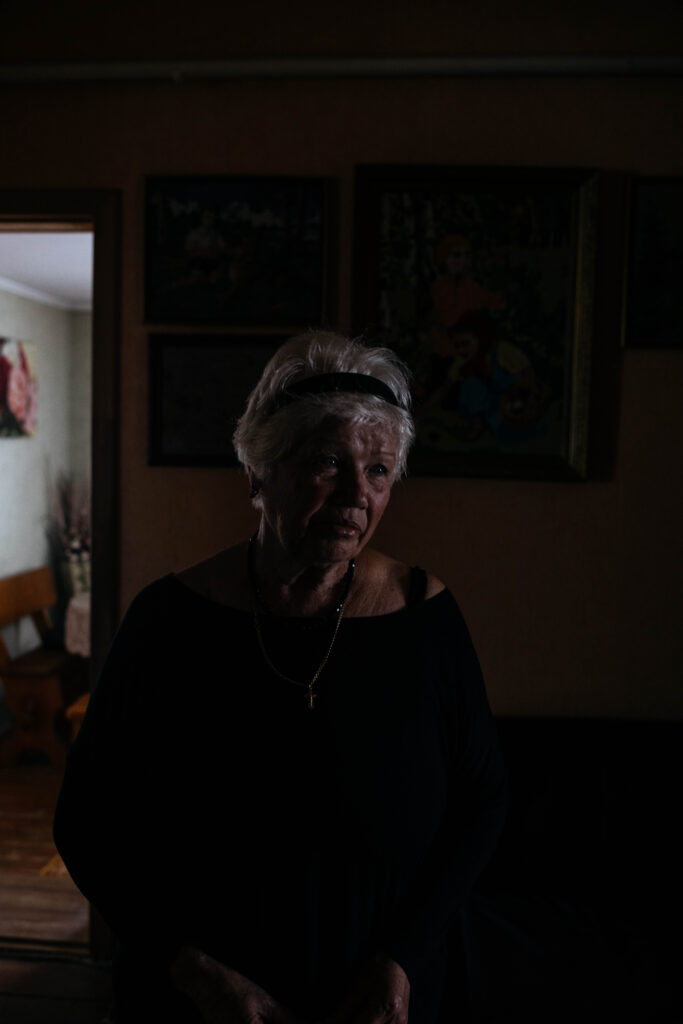
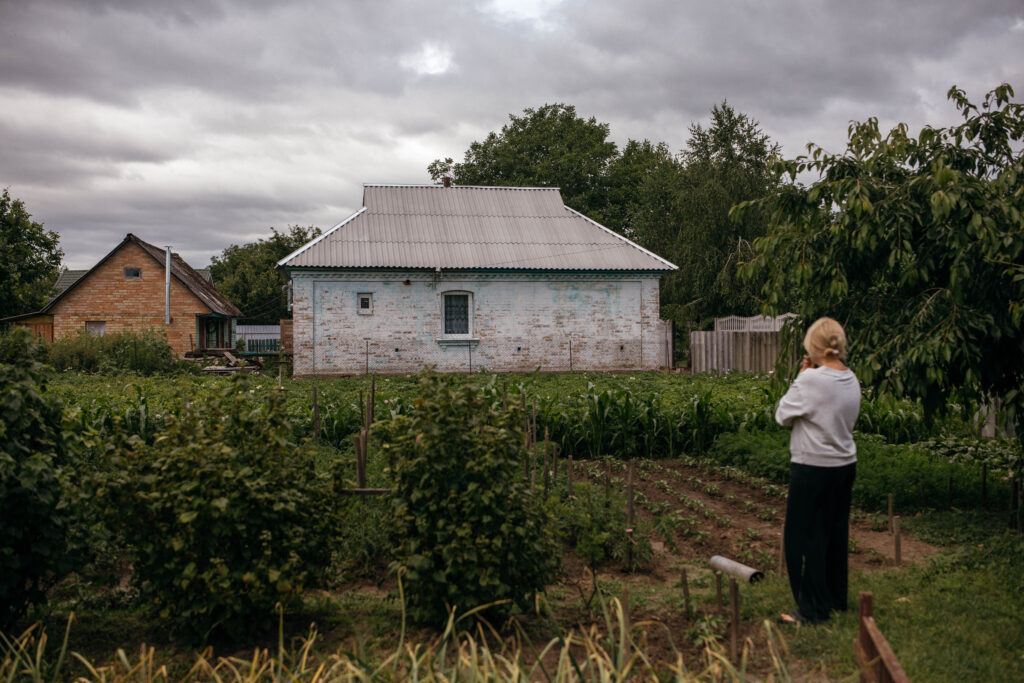
Lidia Grybneva’s life has taken turns she never could have expected. In her youth, she worked at Dovzhenko Film Studios, headquartered in Kyiv. Now, only days after her husband of 49 years has passed away, she cooks pancakes in her cottage, in Kozarovychi village.
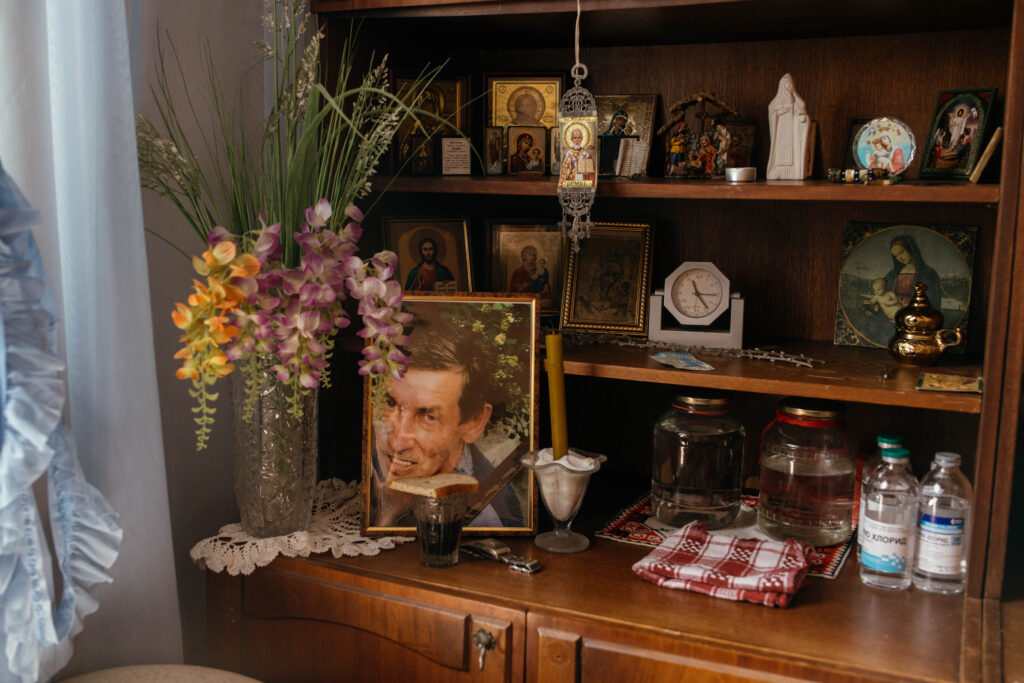
Grybneva, 70, was processing the hurt of losing a life partner. She had prepared an altar for him in the study: a framed portrait of him surrounded by candles. “I think this war killed him—the war started and he began having issues with his heart,” she says, tears leaking from the corners of her eyes. “The last two months [before he died], he started having mobility issues and was in and out of the hospital.”
“My husband was like a stonewall, and I was behind him,” Grybneva mentions periodically. “He was a really good man.” They had both come from military families in Russia: she from Sahalin, the land of red caviar, and he from Astrahan, a region known for black caviar. They met in Kyiv when she was 20, quickly fell in love, and were married within 3 months. Their home was always open to visitors, frequented by friends and colleagues after work. “There was always something to eat, to share.”
At present, Russia occupies roughly 20 percent of Ukraine, seizing nearly 120,000 square kilometers of Ukrainian territory in one month following its full-scale invasion on February 24, 2022. Grybneva and her husband found themselves entangled in what had become a rapidly shifting front line of the war.
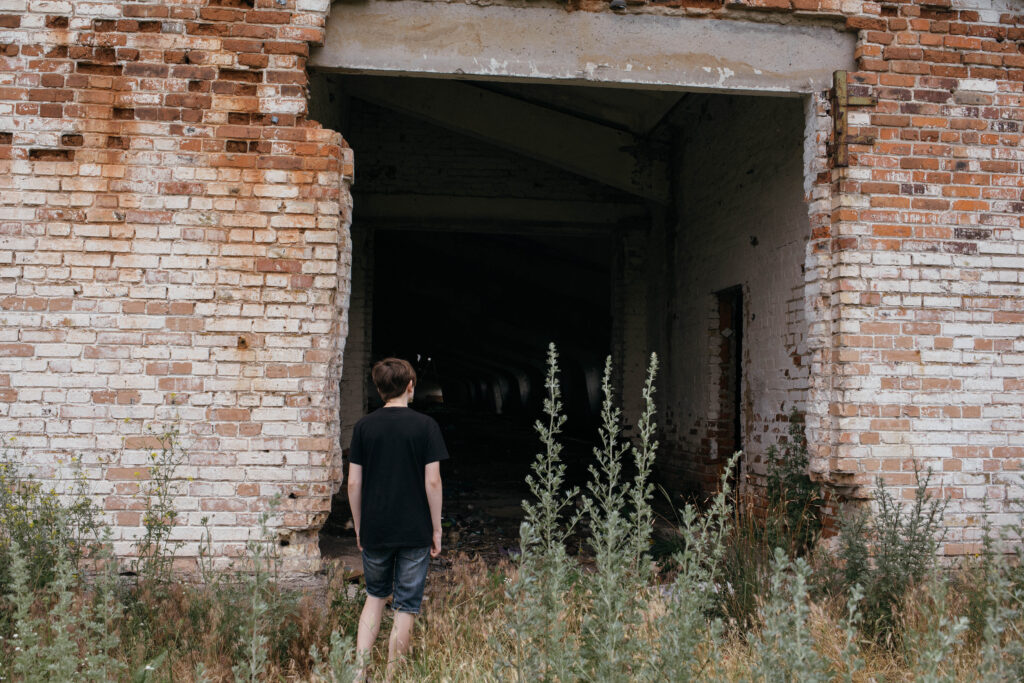
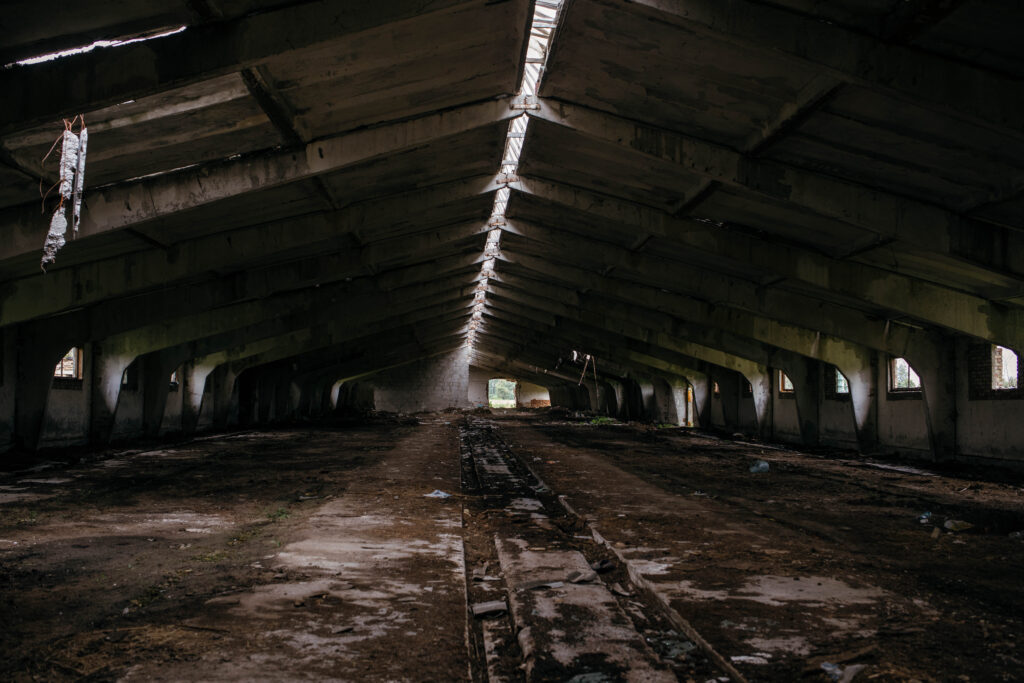
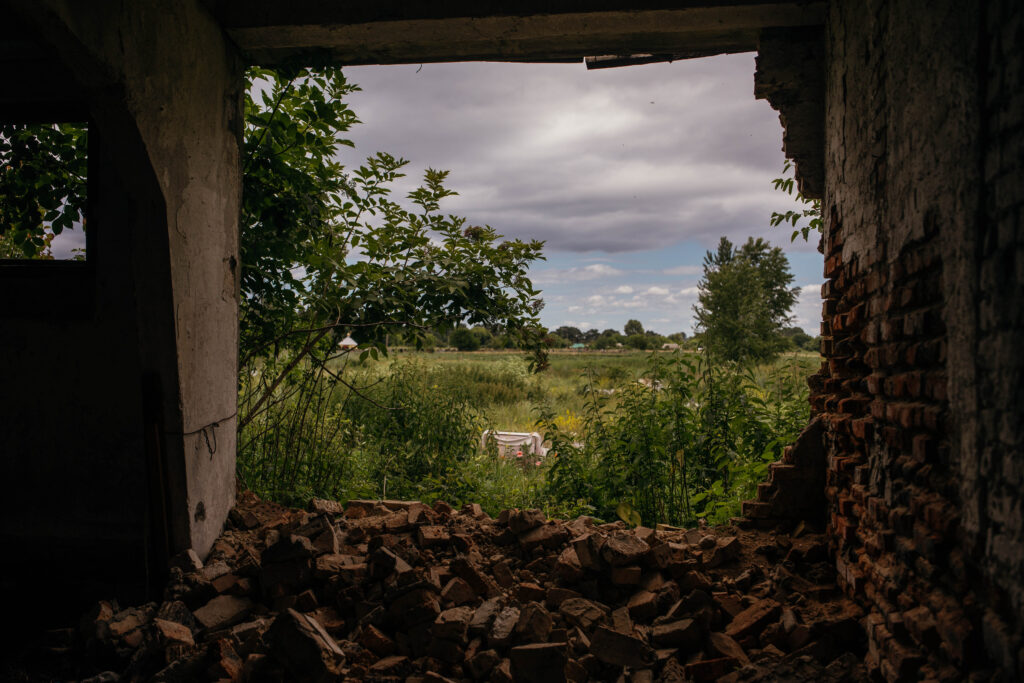
Kozarovychi, where they retired after decades living and working in Kyiv, became unrecognisable. What were once bucolic gardens and orderly animal sheds were transformed into a dystopian reality of makeshift trenches. Grybneva’s son-in-law shows the way to a barn that a couple had recently renovated for their goat farm, which Russian soldiers promptly seized, turning it into their makeshift quarters during their occupation in Kyiv Oblast. Ration packets, discarded gear, and the stale smell of urine pervaded the now-abandoned building.
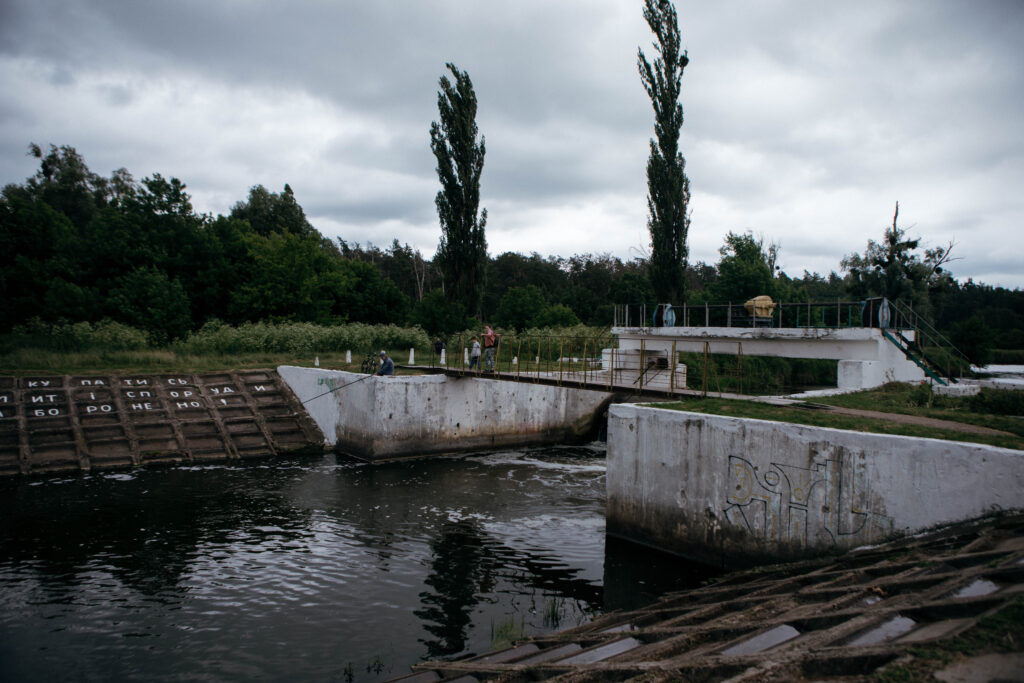
An idyllic village by any standard, Kozarovychi’s 2,000 residents are mainly farmers. The tarmac road leading to the dam is lined with Cypress trees, now riddled with potholes and evidence of active conflict—this was one of the war’s frontlines at the beginning of the Russian invasion. Out of desperation, the Ukrainian army destroyed the Kozarovychi dam, which separates the reclaimed floodplain of the Irpin River from the Kyiv Reservoir, to prevent Russian troops from advancing to the capital city of Kyiv, just 40 kilometers away.
Evergreen environmental challenges
Even before the war, Ukraine—dubbed the ‘Green Heart of Europe,’ containing 35% of Europe’s biodiversity—faced significant environmental challenges, from deforestation to pollution. Ukraine is home to incredible floral biodiversity; the Ancient and Primeval Beech Forests of the Carpathians, arcing 1,500 km across central and southeast Europe, are considered a UNESCO heritage site.
An estimated 2.5 to 3 million hectares of Ukrainian forests have been burnt by Russian fire, explosive devices, and artillery shelling, according to Oleg Lystopad, an environmental protection expert of ANTS, the National Interests Advocacy Network. Up to 30% of Ukraine’s 9.6 million hectares of forests are now either in combat zones or occupied territories. The Ukrainian government estimates that since the onset of Russia’s war of aggression in 2014, there have been over 108 billion euros in damages to the nation’s environment. Lystopad believes the damage valuation would be even higher if calculated according to international methods. “Russia is definitely committing ecocide,” says Zibtsev. “But there is no such legally defined term in international law—this needs to be corrected.”
As the war drags past its third year, natural ecosystems are suffering from the scale and intensity of the conflict. Landmines and explosive ordinances are major threats to steppe ecosystems in the east and south, while the armed conflict is polluting soil and water with dangerously high levels of heavy metals. Furthermore, conservation projects and fieldwork (e.g., collecting data vital to improving monitoring networks, a major component of environmental preservation) have shuddered to a halt.
“Russia is definitely committing ecocide, but there is no such legally defined term in international law—this needs to be corrected.”
Only 6.8% of Ukraine’s territory, including Crimea, is legally considered protected territory—low by European Union standards. According to The Conflict and Environment Observatory (CEOBS), nearly 2,000 protected areas in Ukraine were under some form of occupation in late 2023.
Fires raging from shelling and explosives have damaged more than 100,000 hectares of natural ecosystems, according to the European Forest Fire Information System’s Satellite data. The Ukrainian Ministry of Environment and Natural Resources says that at least 900 protected areas constituting 1.2 million hectares—nearly a third of all protected areas in the nation—have been affected by shelling, bombing, and military maneuvers.
These sobering numbers aside, much of the damage to biodiversity and ecosystem processes is difficult to quantify, according to Roberto Cazzolla Gatti, a professor of environmental sciences at the University of Bologna focusing on Ukraine’s scale of environmental devastation. The loss of forests is amplified in Ukraine’s breadbasket regions due to the critical ecosystem services that forests provide, from water and air filtration to erosion protection.
Gatti argues that when the war ends, the government should highlight environmental policies to restore ecosystems and promote reforestation, which may support demilitarisation and create buffer zones for peace.
Containment strategies
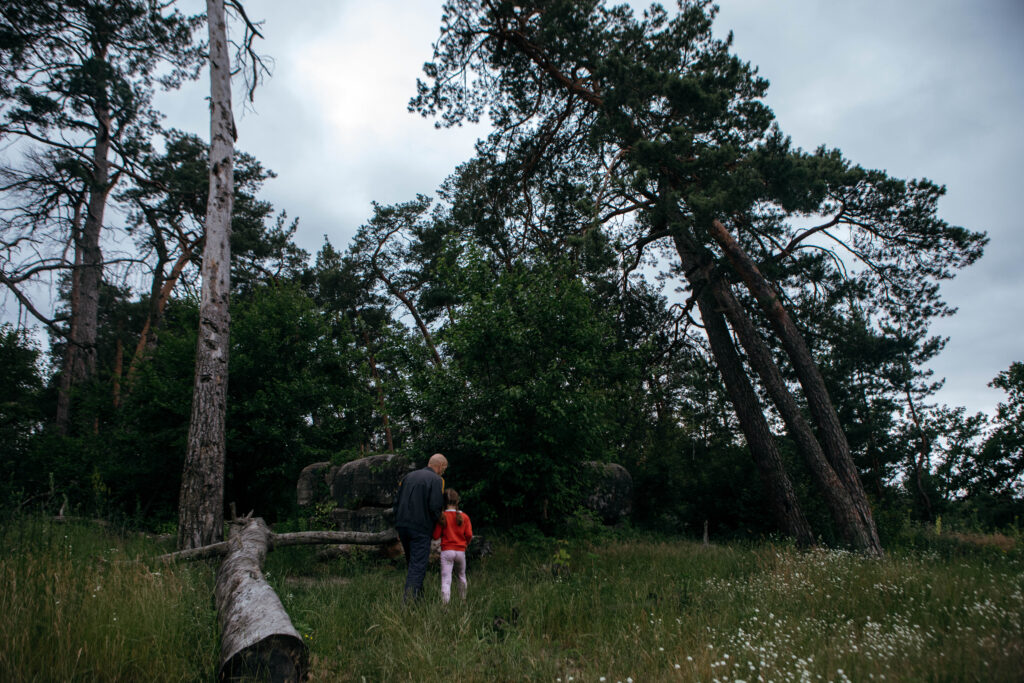
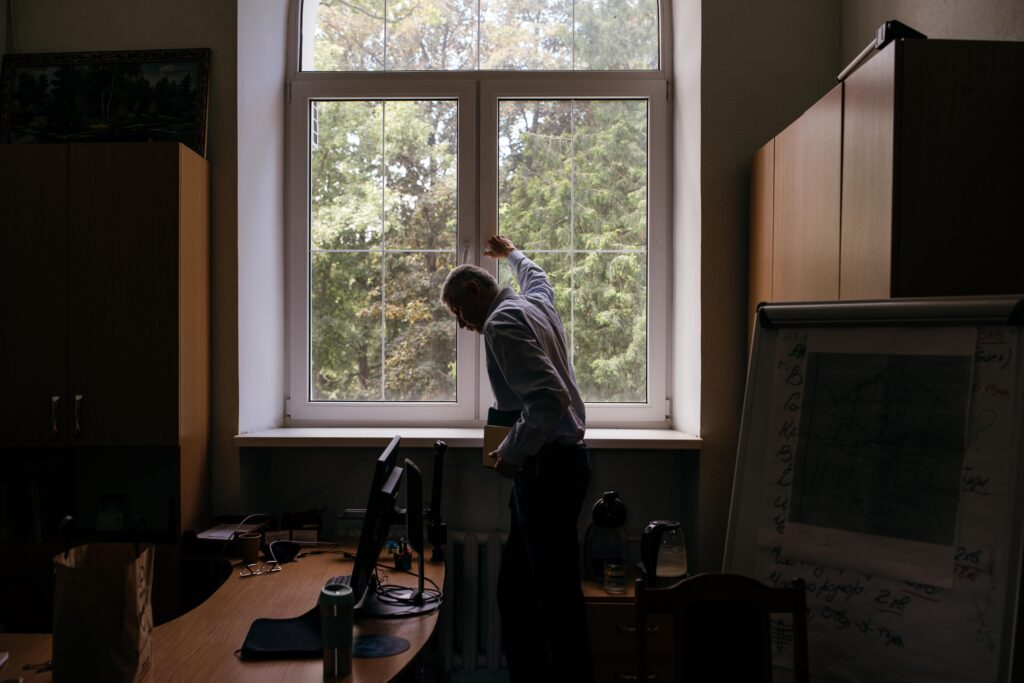
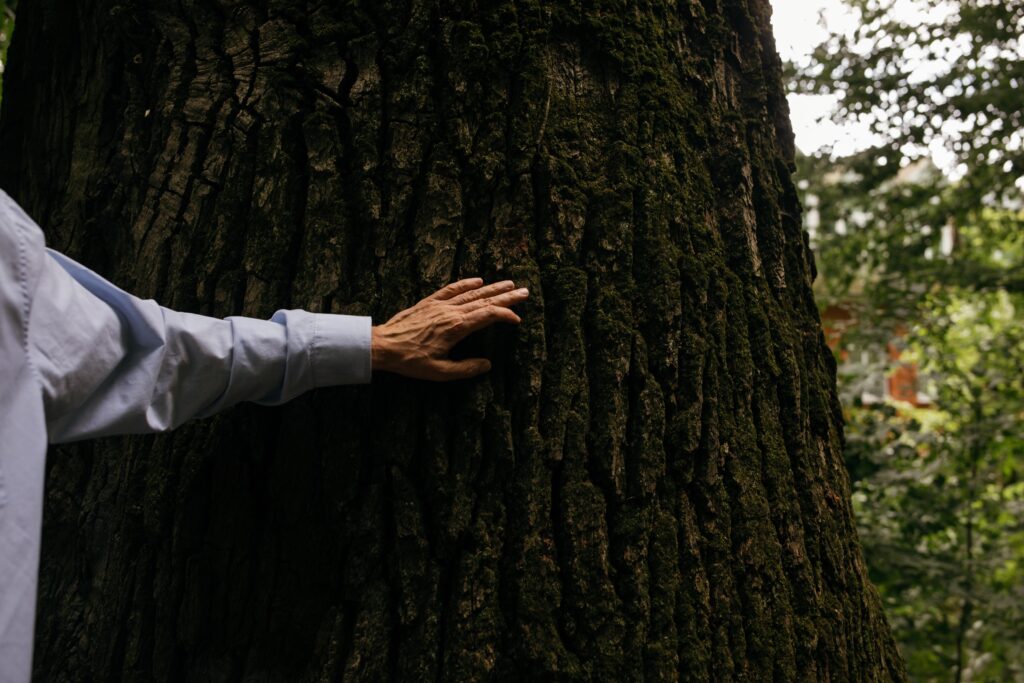
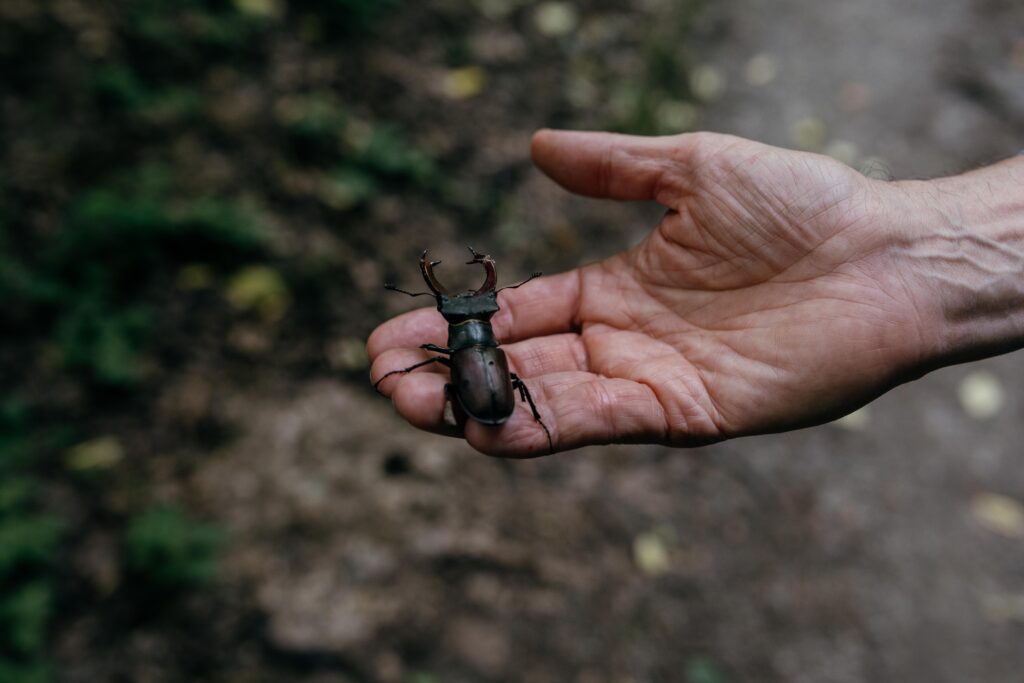
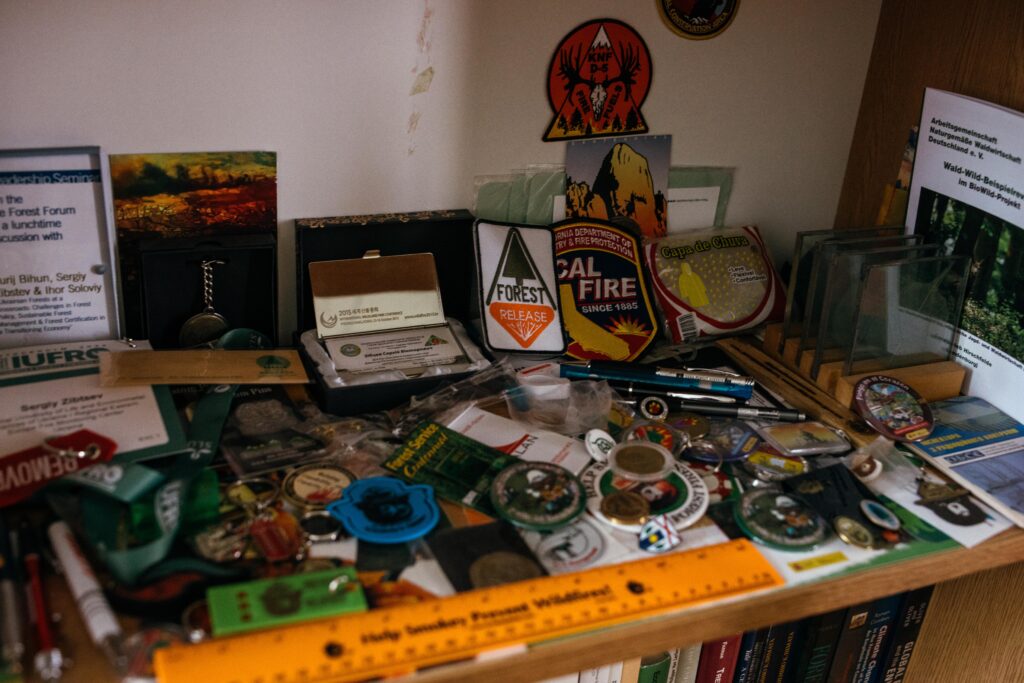
On the border between the National University of Life and Environmental Sciences and Holosiivskyi National Natural Park—a sprawling 11,000 hectares of forest—Sergiy Zibtsev takes a break between conferences and lectures for a stroll. A professor of forestry and fire sciences, he is also the head of the Regional Eastern European Fire Monitoring Center (REEFMC) Institute of Forestry and Landscape-Park Management. One of their recent projects is collaborating with the World Wide Fund for Nature (WWF) on fire management—in particular the management of unexploded ordnances.
Zibtsev’s work has taken on new urgency with the most recent Russian incursions, plus the uptick in drone attacks (on August 20, Russia launched 574 drones and 40 missiles on Ukraine, the heaviest bombardment in weeks). He and his team have long worked with villages to protect against fires, but the priority has now shifted to managing forests contaminated by war. “We’re emphasising forest safety,” he explains, stopping on occasion to examine the bark of a tree, or a beetle on the forest floor. “How not to be a victim of something you can’t be responsible for.”
The war has generated a multitude of new fire sources, ranging from shelling, army activities (cooking, burning garbage, old Soviet tanks dripping fuel, machinery igniting). And that’s only what’s known.
“We’re working to understand what happens in occupied territories,” says Zibstev. He has many years of experience spearheading fire defense trainings with villagers—many of whom are subsistence farmers. “Nobody detects what happens in grey zones (the 30 kilometers separating frontlines from the rest of the nation). There are lots of drones there, but no monitoring.”
“The absolute priority is defending and liberating territory,” Zibtsev continues. “Everything else is secondary.” Still, it is painful witnessing the intensity and scale at which forests are being destroyed. “The belt of pine forest from Kharkiv to Luhansk (340km in length) has been completely burnt by war.”
Surviving the full-scale invasion
Grybneva opens the door to the basement, where she and her late husband hid in the basement for half a month when Russian troops encroached on their village. “There was no water, no gas,” she recalls from that tense period, her blue eyes wide. “We managed to collect snow that melted during the day, for water. We were moving on our hands and knees in the house.” The jars in the cellar, holding jams and preserves from the summer produce, would rattle with the booms of each explosion––no one knew what was going on.
A few days later, Russian soldiers knocked at their door. “They were looking for water,” she recalls. “I didn’t want to give them any, but my husband took care of it.”
The situation devolved before reaching some kind of normalcy again. On a dreary day in March 2022, the fighting seemed to escalate to a new extreme. Planes were overhead, targeting the Kozaroyvchi Dam, Grybneva recounts. My husband was too weak to leave, but he told me to take my documents and flee.
She managed to jump over the holes in the bridge, withstanding the columns of fire not far from her. “I don’t know how I had the strength to run,” Grybneva says. “Ukrainian soldiers were shouting at me, ‘Don’t stop!’”
Eventually, a car picked her, and she headed to her daughter’s place in Kyiv. “I couldn’t believe that I had seen Russian planes [here].”
“One of my favorite movies that I ever worked on was called ‘The War,’” Grybneva shares. “There were all these explosions and tanks, and I had to think, ‘What explosion would fit here. But then this happened to me–it was so scary.”
Every generation has participated in some war, Grybneva continues. “My mother was in World War II, and I in this one. It’s extra hard because we’re originally from Russia, and still have family there.”
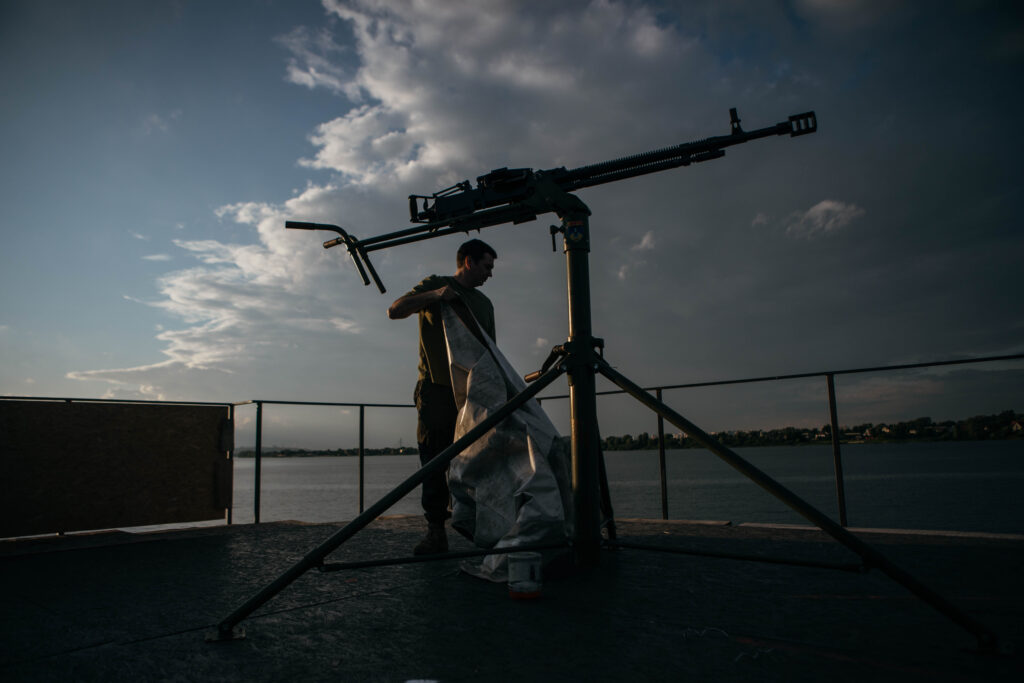
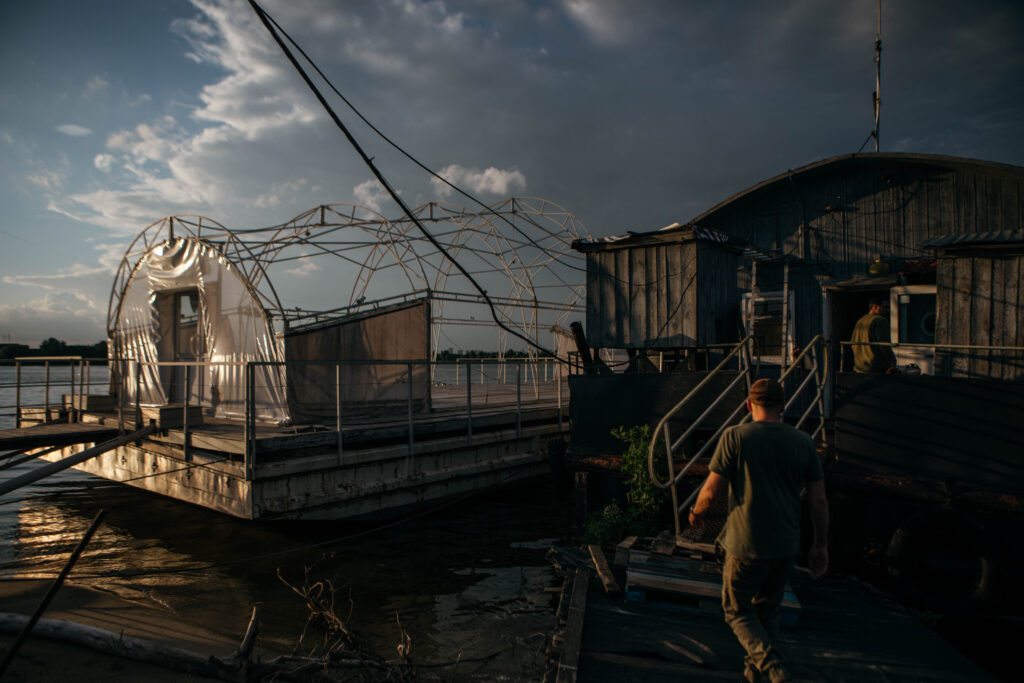
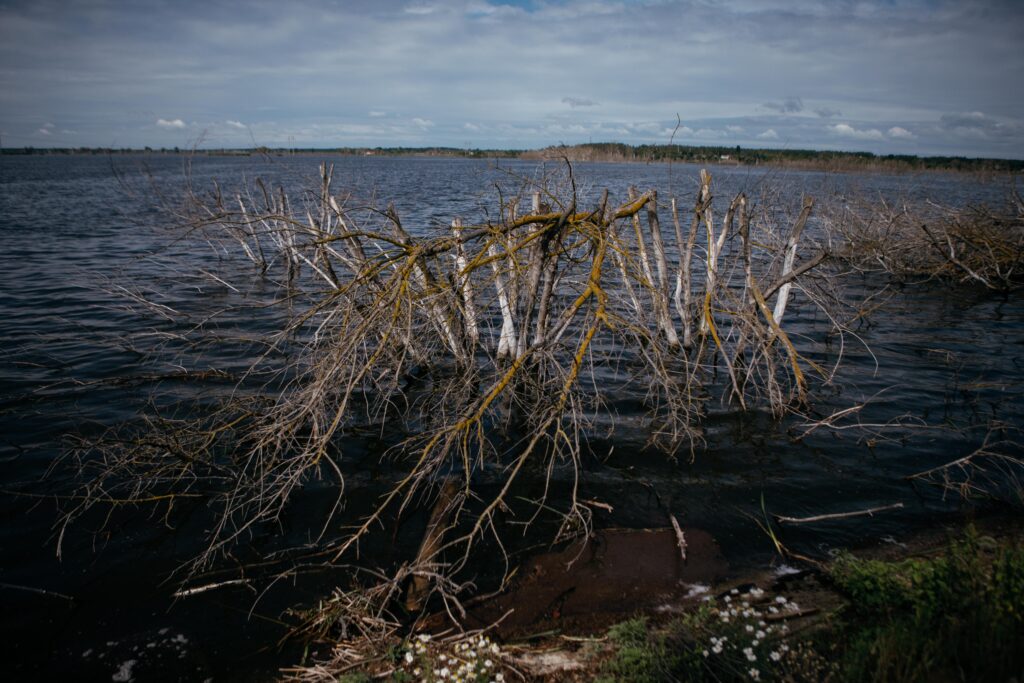
Makysm Matsala is a postdoc at the Swedish University of Agriculture who studies forest ecosystems at the landscape level using ground and satellite data and forest dynamics. He believes that visualisations of the impact of war around the Kyiv Oblast remain mild when compared to the devastation brought by the Russian invasion in eastern and southern Ukraine, where tens of thousands of hectares of forests are wiped out by shells or burned down. “The threat to Kyiv forests is unseen to the eyes of many,” he says. Since the beginning of the full-scale invasion, fortification networks have been built along Ukraine’s northern border to Belarus, at the requisite cost of woodlands. Although necessary from a defense perspective, this disrupts ecological networks for wildlife.
“The northern part of Kyiv Oblast is the Chornobyl Radiological Biosphere Reserve, famous for much wildlife returned in the absence of human impact (abandoned after the 1986 disaster),” Matsala continues. “Now, movements of large mammals and especially predators are impacted by that.” For instance, there were sightings of brown bears, considered extinct in northern Ukraine, travelling from Belarus or Russia to Chornobyl before 2022. “Now, such migrations are not possible.”
Matsala anticipates a muddled path for ecological recovery when the war is over. “There will be a huge desire by many interested actors in government and related businesses to recover destroyed forests,” he believes. “If we assume a huge influx of investments, grants, or reparations given to ‘restore ecology and environment of Ukraine,’ it means a lot of contracts for businesses to harvest burned trees, clean the area, and do re-planting.”
Unless clear and comprehensive strategies are created and followed, implementation can easily become unsustainable. There will be so much to account for, from species adaptation to climate change, to the density of seedlings on replanted, clear-cut plots. “Landscape fire management also needs to be accounted for,” says Matsala. “I fear it all will be quickly sacrificed—or even never considered—just to burn money under the umbrella of ‘business-as-usual.”
This reporting was supported by the International Women’s Media Foundation’s Women on the Ground: Reporting from Ukraine’s Unseen Frontlines Initiative in partnership with the Howard G. Buffett Foundation. Tetiana Burianova contributed reporting to this story.