Through image and language, photographer Aubin Mukoni traces the intimate rhythms of daily life in Goma, on the resource-rich shores of Lake Kivu.
The prose of photographer Aubin Mukoni recounts a multigenerational story of life and environmental chenge shifting alongside daily life in Goma, Democractic Republic of Congo.
On the shores of Lake Kivu, where waters stretch into infinity, a story has unfolded over millennia— The wave and the lake meet each day, like two souls seeking redemption. Their murmurs mingle, carrying the secrets of a region where life and survival are intimately entwined.
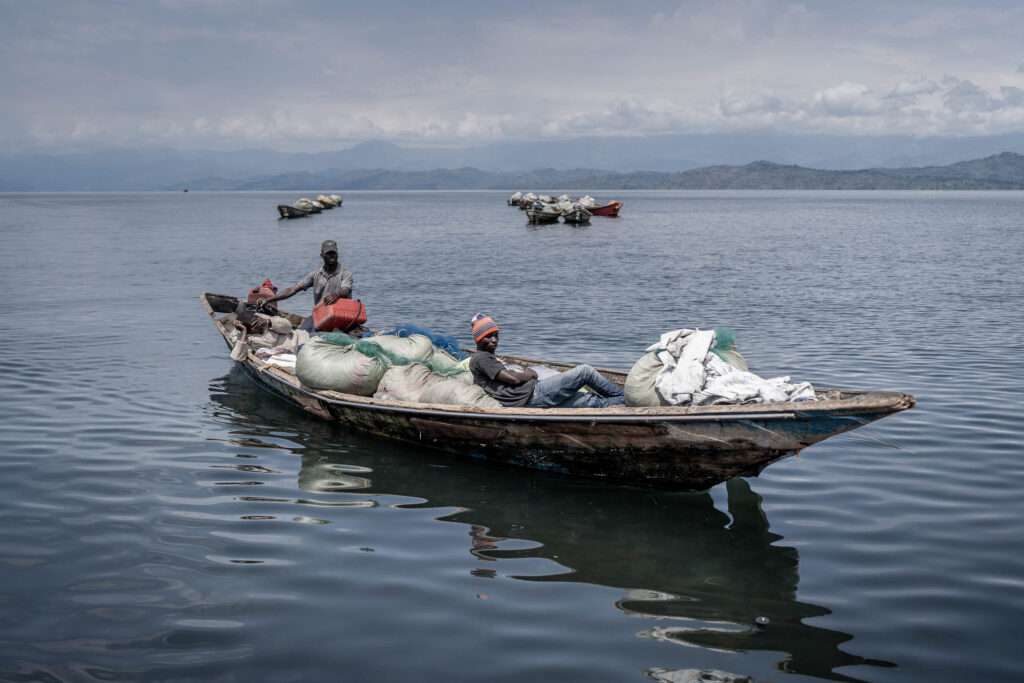
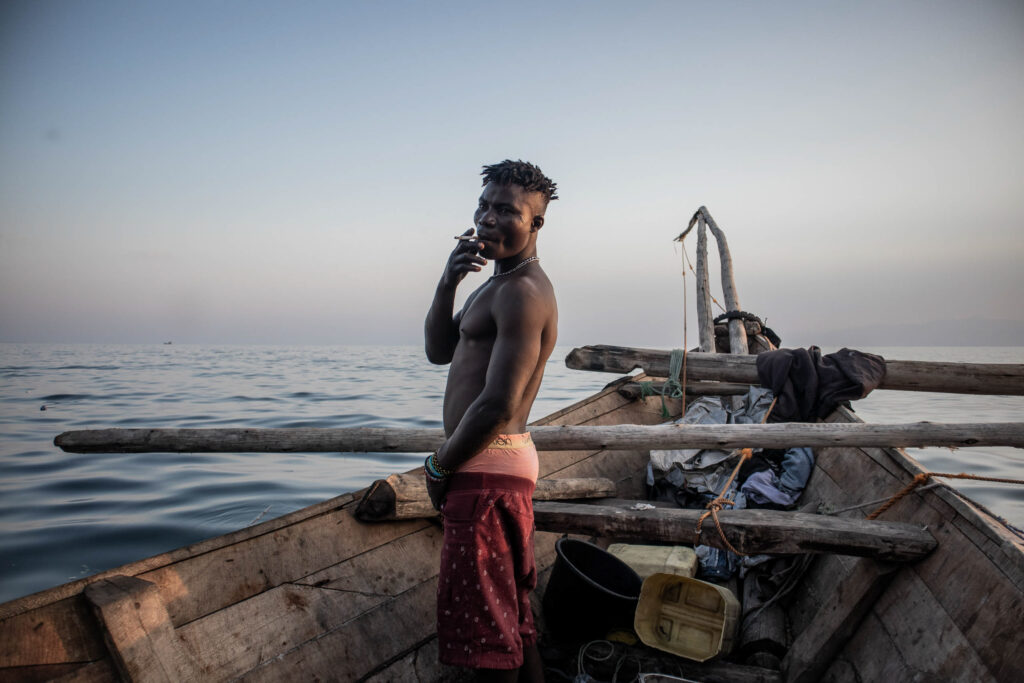
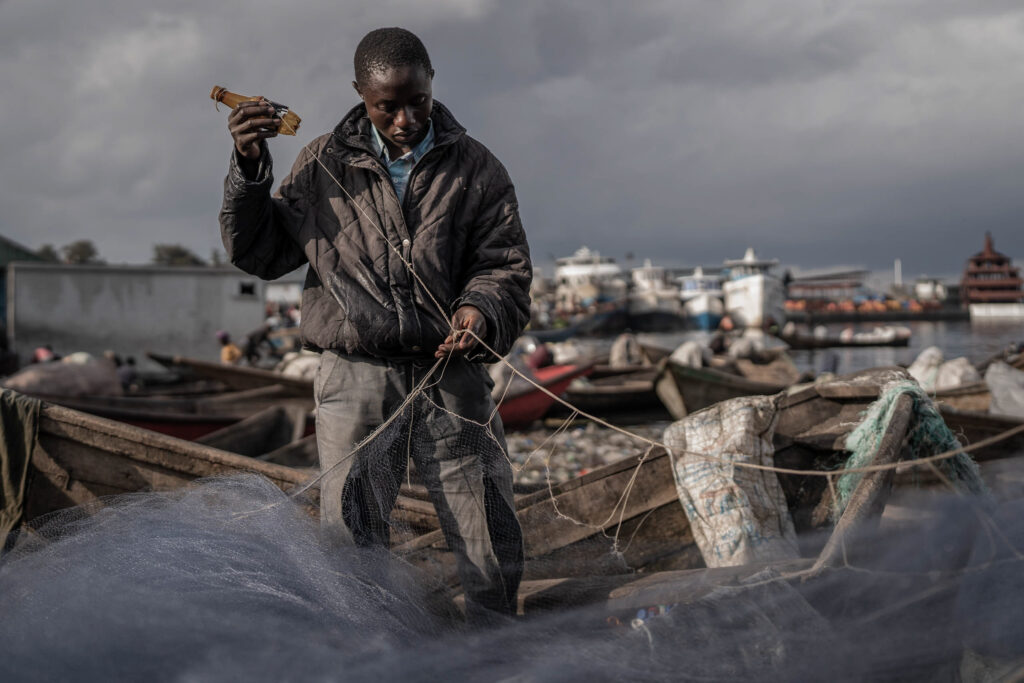
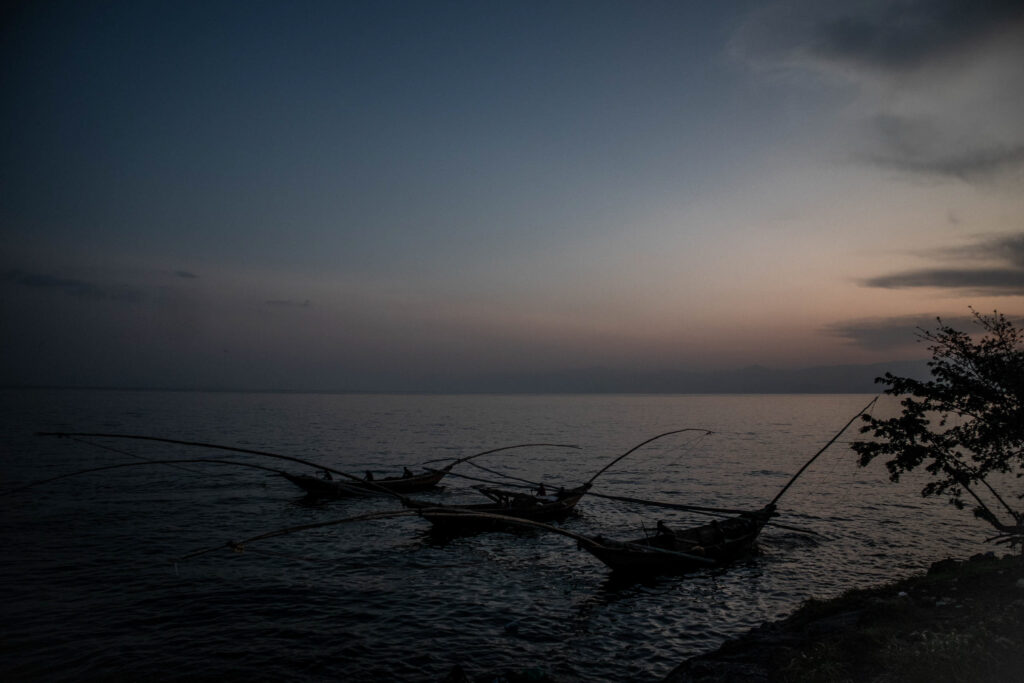
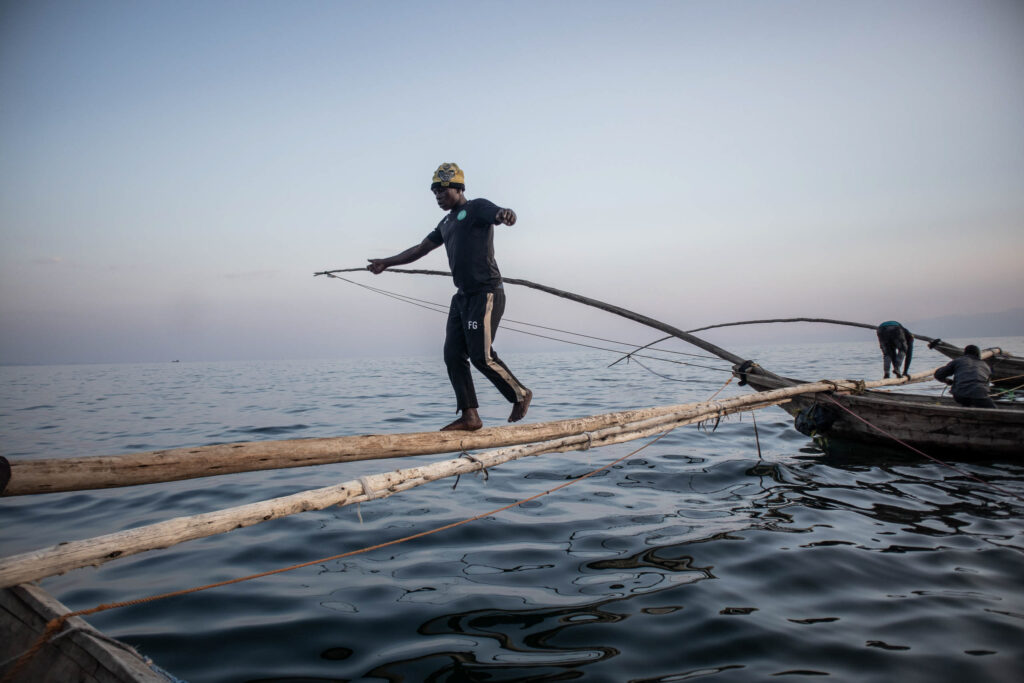
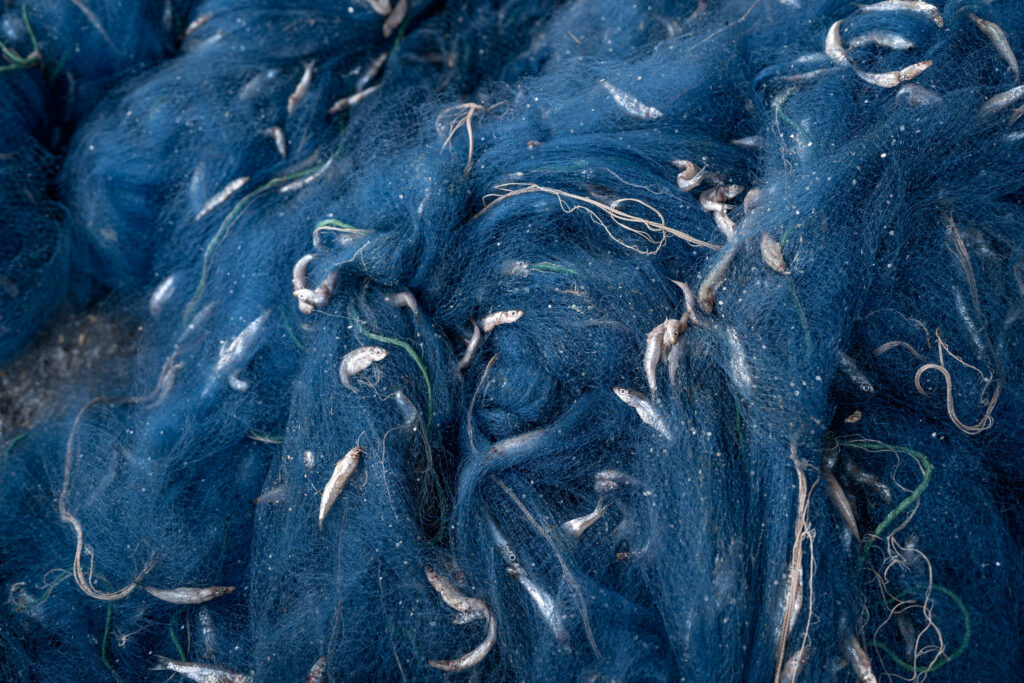
The wave embodies life’s ceaseless movement. It dances to the rhythm of the winds, caresses the fishermen’s boats, and carries within itself dreams and hopes. It implores the lake to forgive, to find peace. Its white crests tell the legends of the ancestors, the distant voyages, and the hopes for a better harvest. But the wave also knows that the lake is angry. The fishermen, their nets stretched taut, have seen the signs. The more frequent storms, the fish growing scarce, the nights when the sky blazes with unsettling colors.
The wave whispers in the lake’s ear: “We are witnesses to the changes, to the wounds inflicted by humanity. But together, we can heal.”
Lake Kivu itself is a wise guardian. Its deep waters conceal treasures and mysteries. It has watched generations of fishermen succeed one another, their calloused hands casting their nets with hope. But it has also felt the growing threat of climate change. The waters warm, the fish flee toward the colder depths, and the lake rumbles.
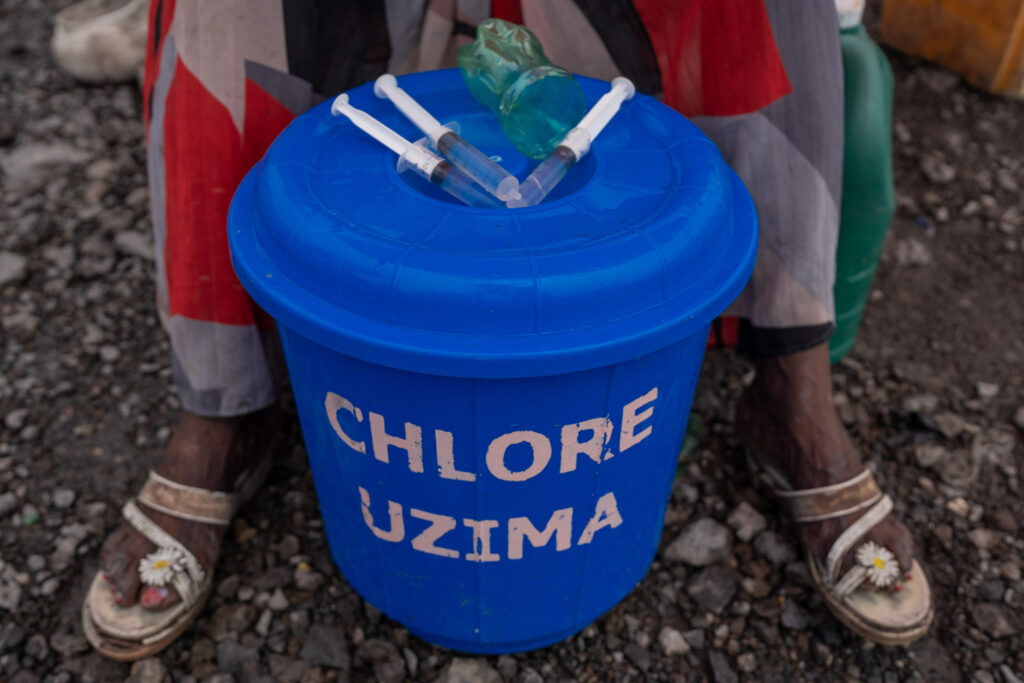
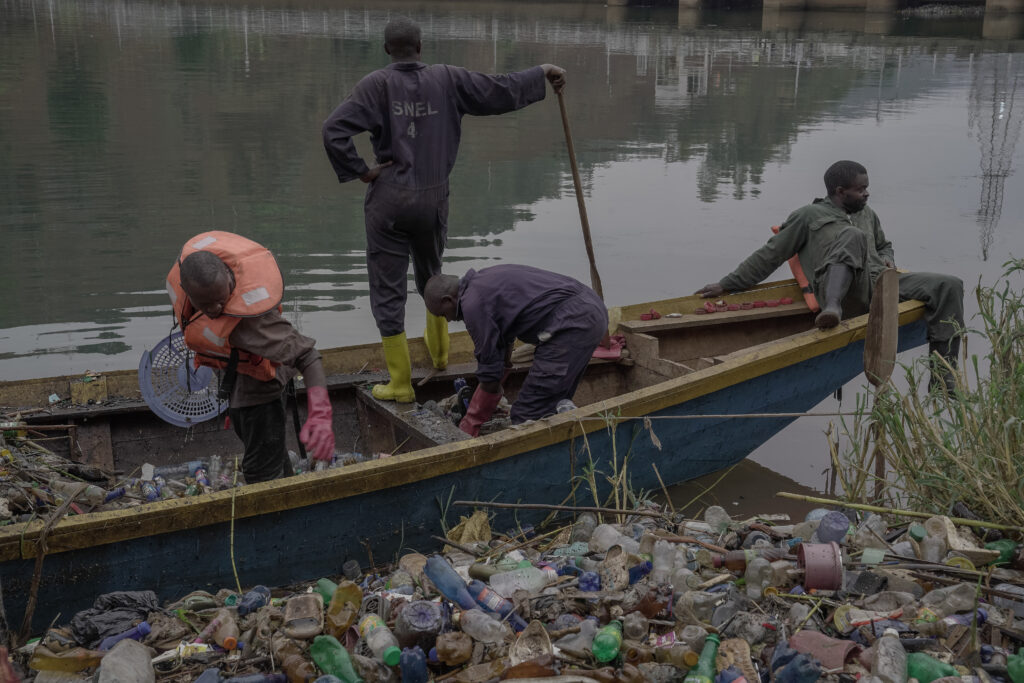
Its anger is legitimate. Plastic waste floats on the surface, motorboats disturb the quiet, and the waters grow heavy with sediments.
But the lake murmurs: Healing is our duty. We must purify our waters, restore the balance. And there is more still…
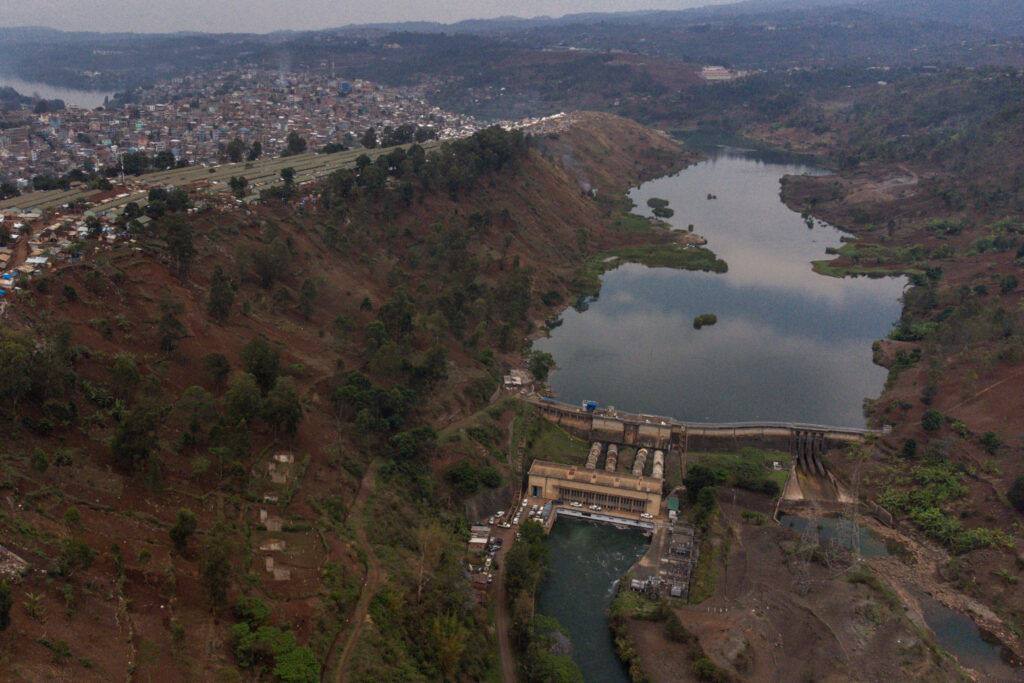
Beneath the surface, in the depths of Lake Kivu, slumbers a priceless treasure: methane gas.
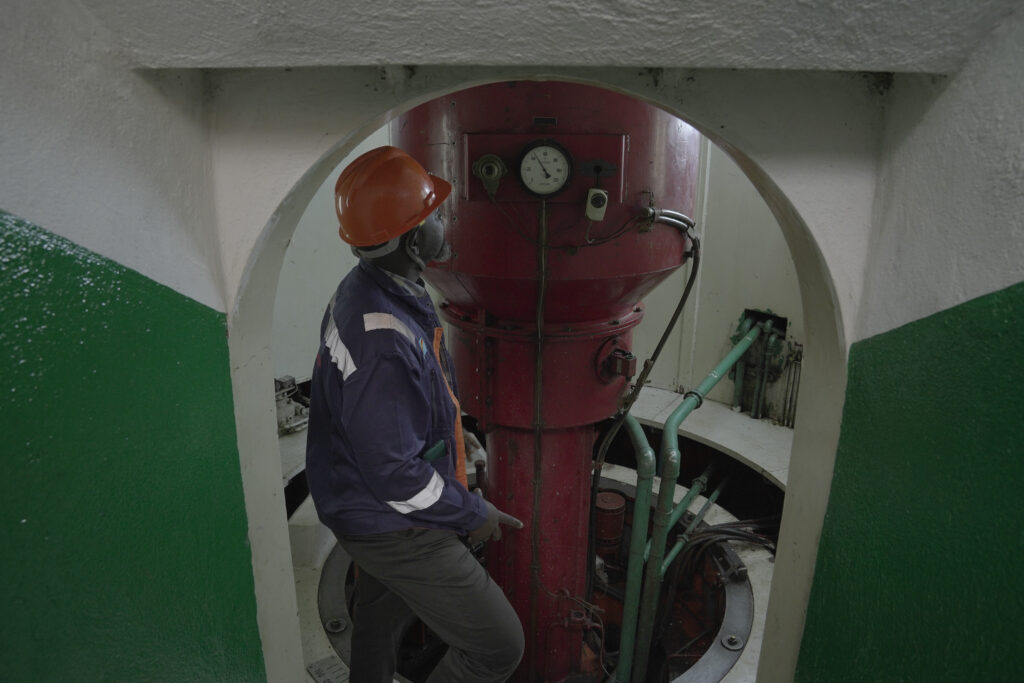
This gas, produced by organic sediments, awaits extraction. It could fuel homes, industries, and bring light to sleeping villages. But the lake is cautious. It knows that gas extraction must be meticulous, respectful of the fragile ecosystem.
Thus, the wave and the lake stand side by side, united in their quest. They are the guardians of life, the silent witnesses for generations to come. Together, they remind us that the fragile beauty of our planet deserves our respect, our action, and our hope.
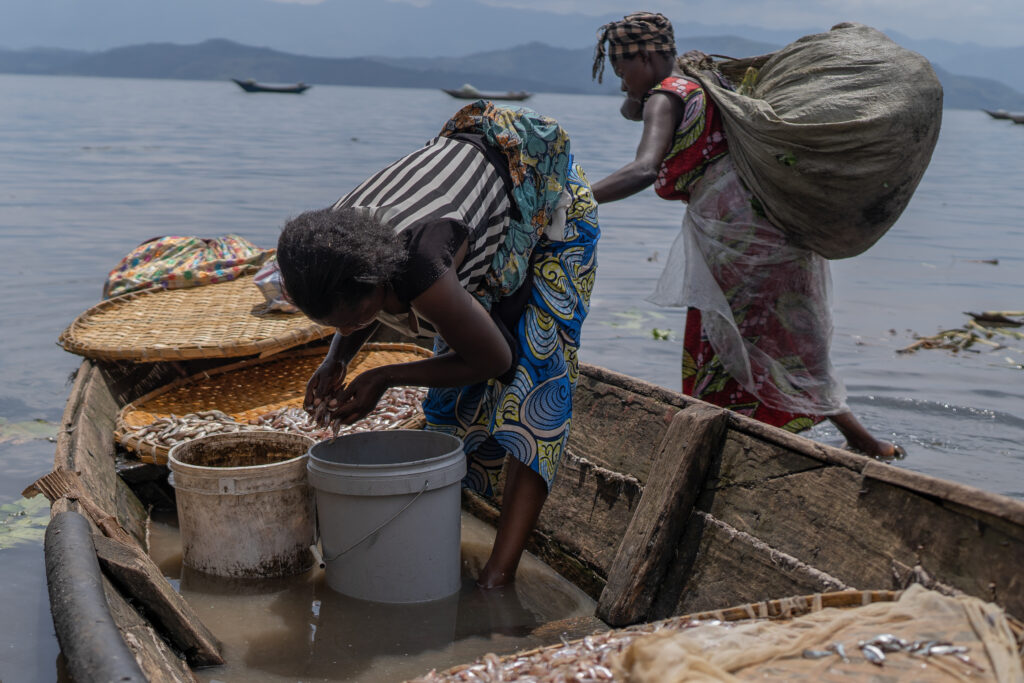
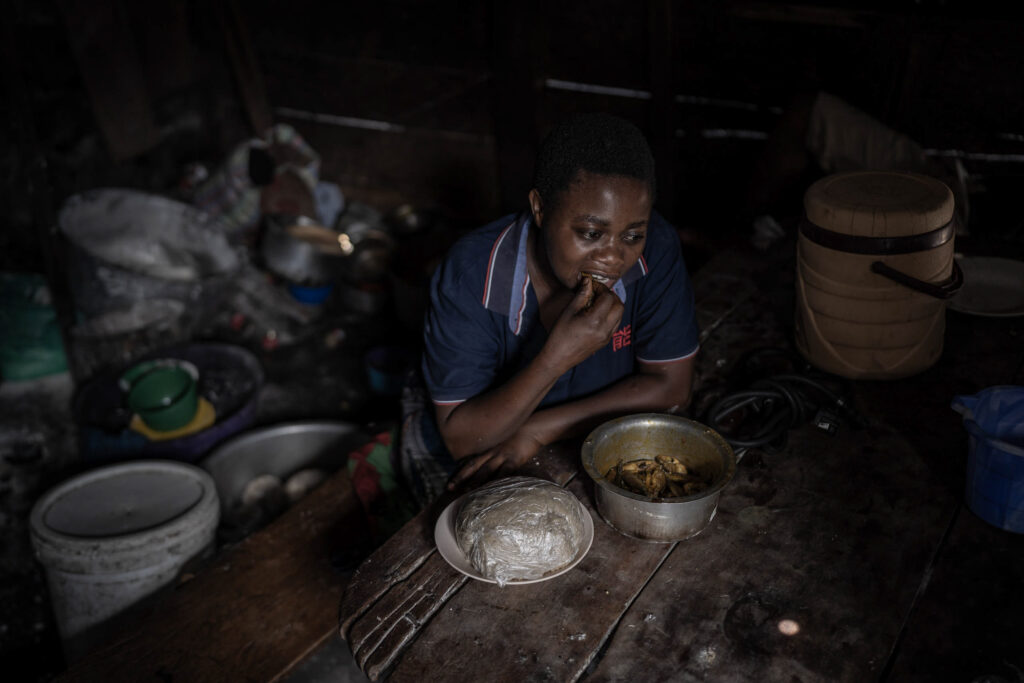
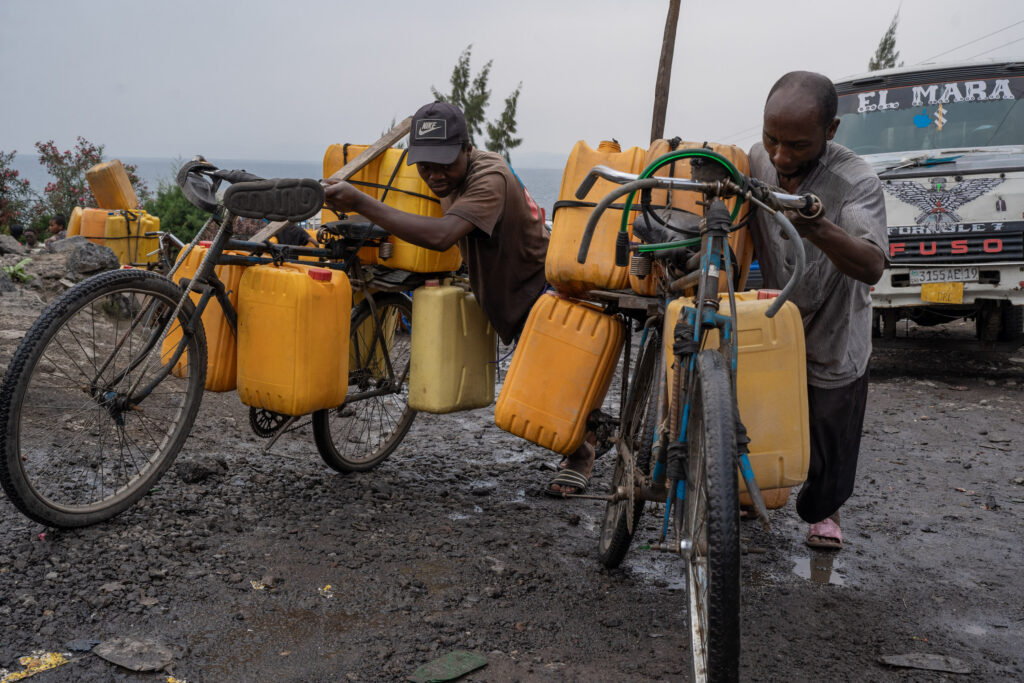
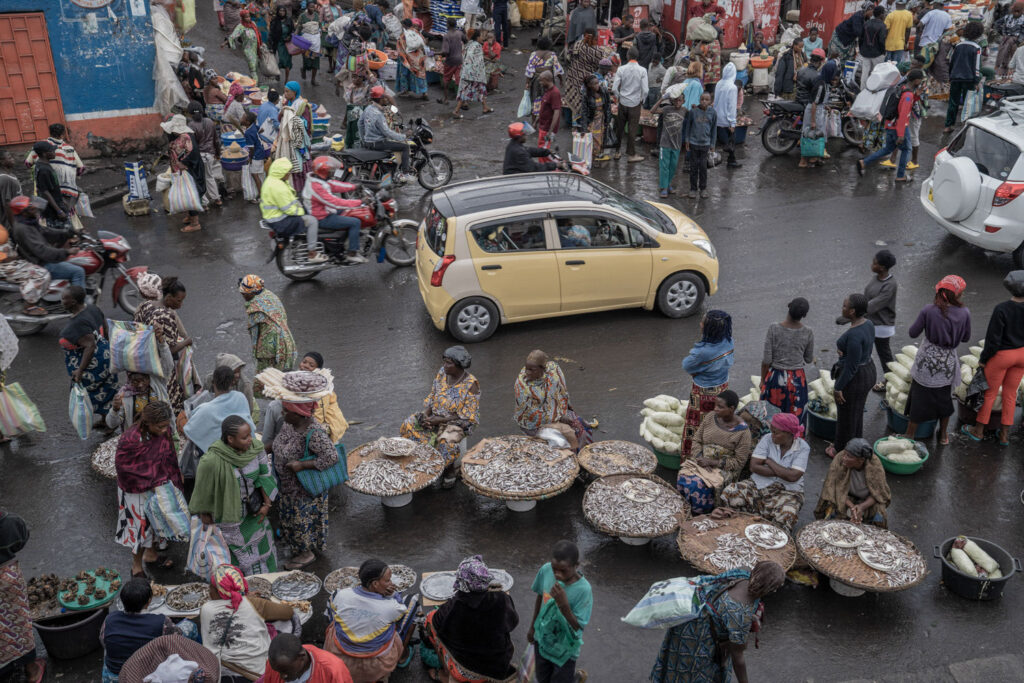
This project is a journey into the heart of Lake Kivu, into the boats of fishermen in search of survival, with these small fish that feed the entire city of Goma and its neighbor sharing the lake’s shores in Rwanda. Its history has been relegated to oblivion; the people behind this production, their nightly struggles are sometimes left untold. This narrative reminds us of the role played by this beautiful lake at the foot of Nyiragongo volcano and its importance to the city of Goma.