In Indonesia, the island of Flores and its volcanoes are drawing geothermal projects. Built on Indigenous land, these large-scale plants are being developed without regard for local communities and the impacts on their health and the environment.
Short Test, Long Scars
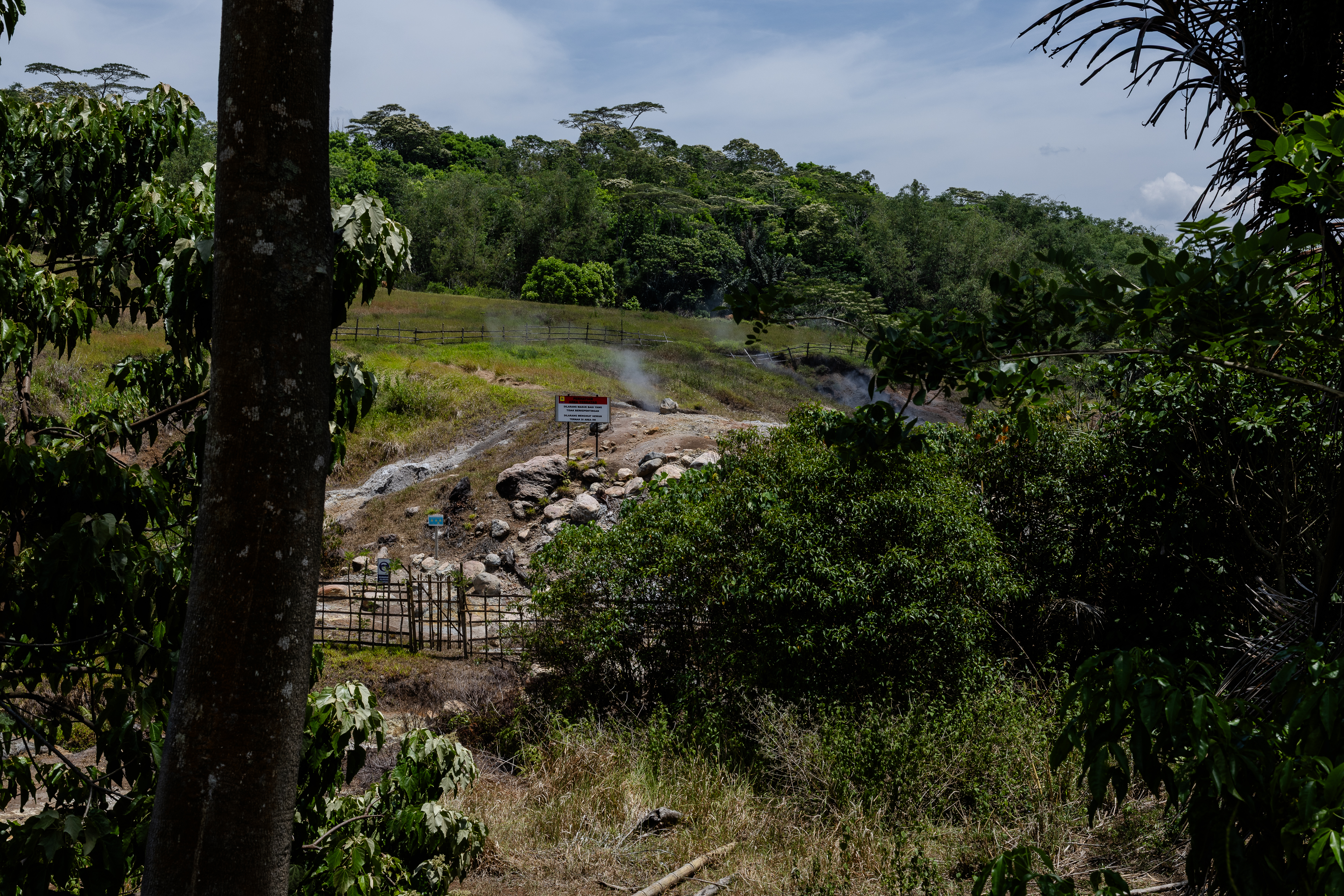
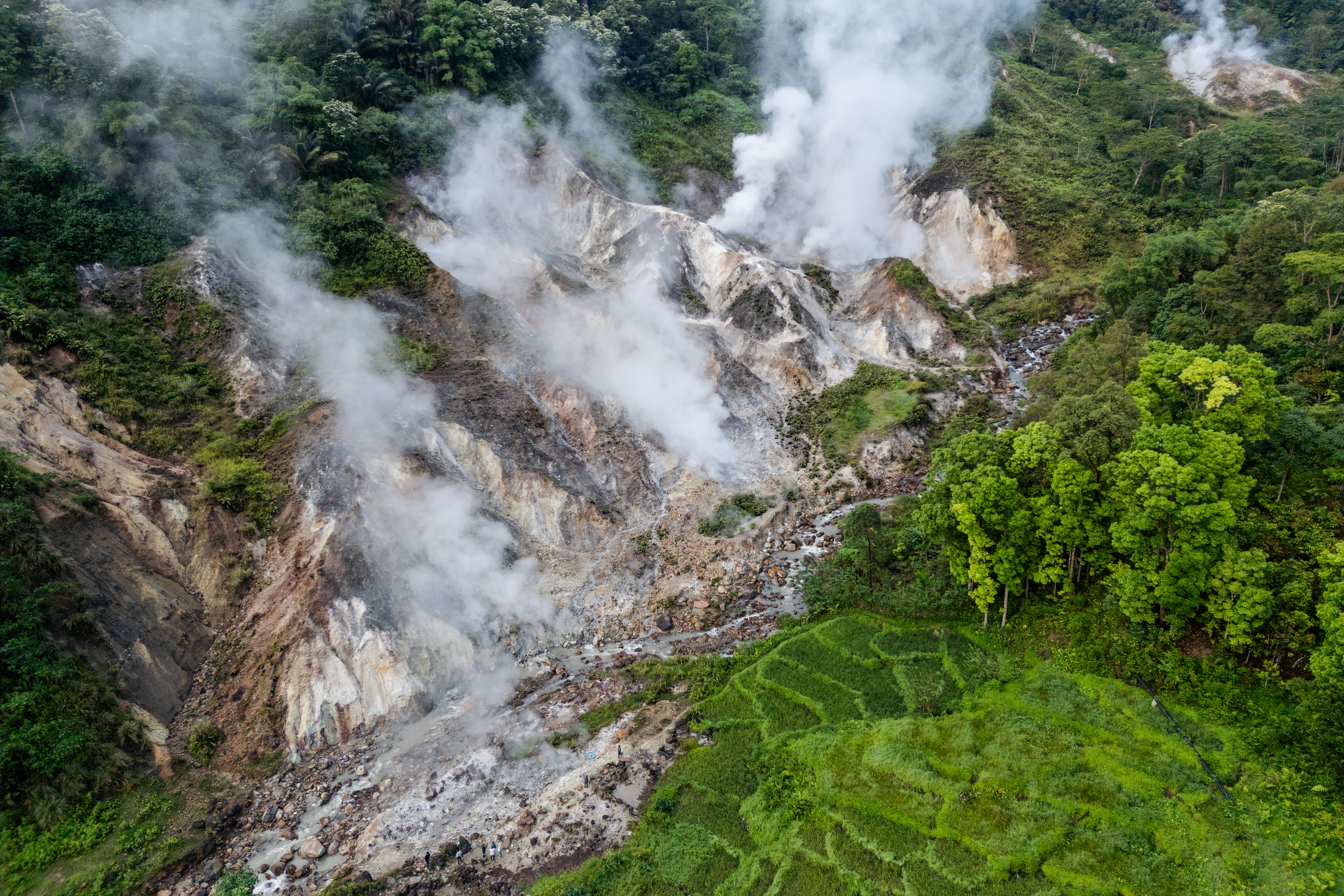
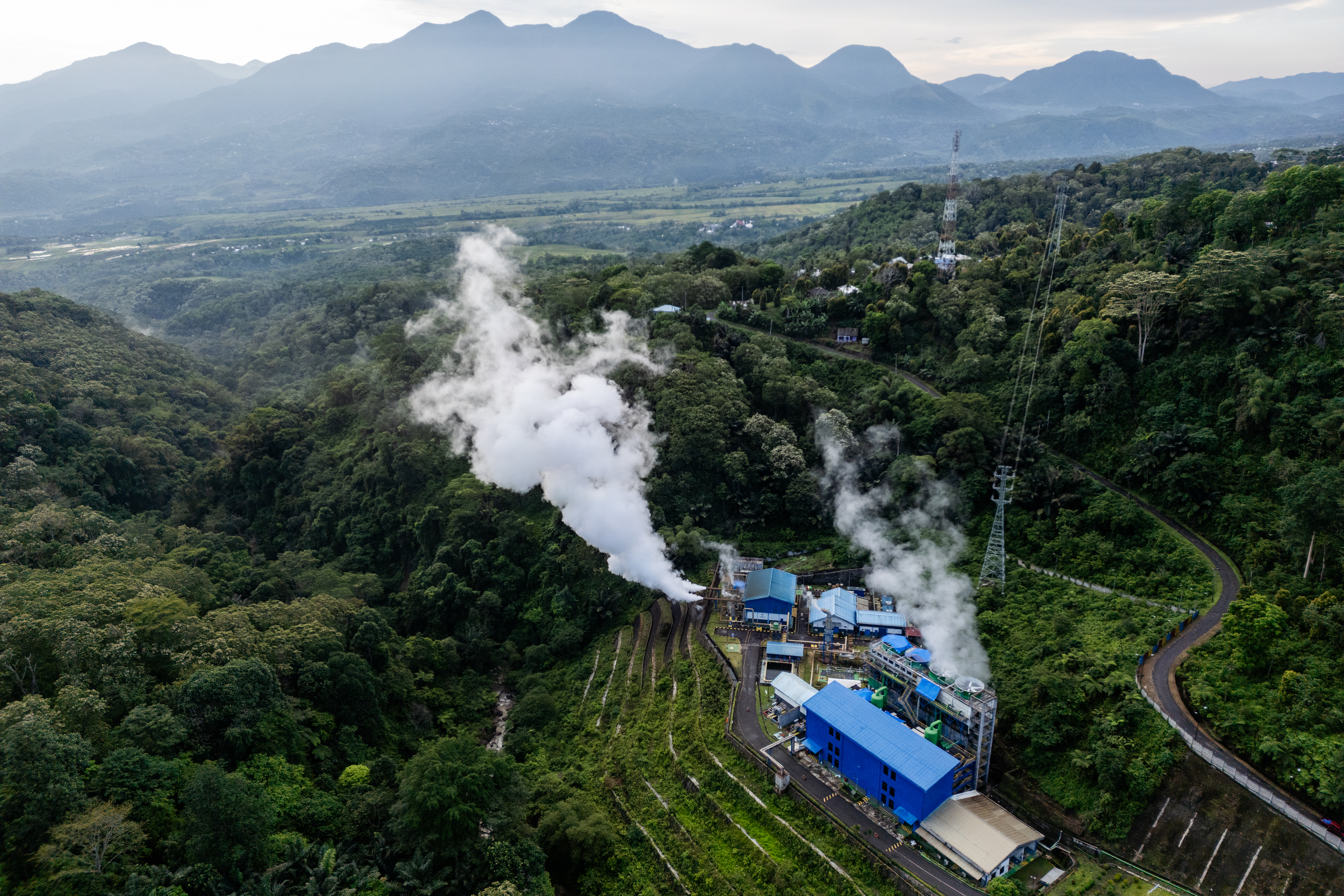
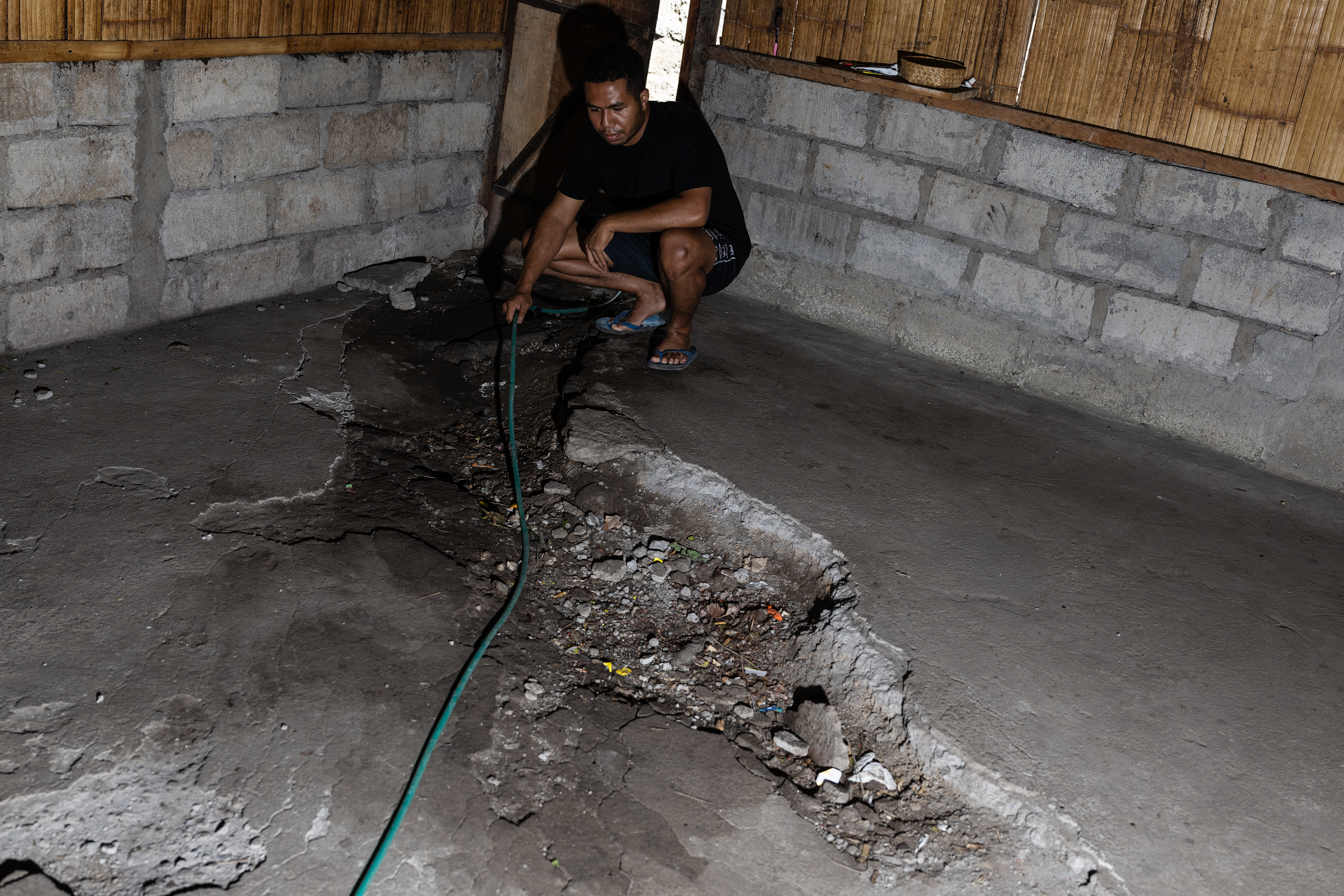
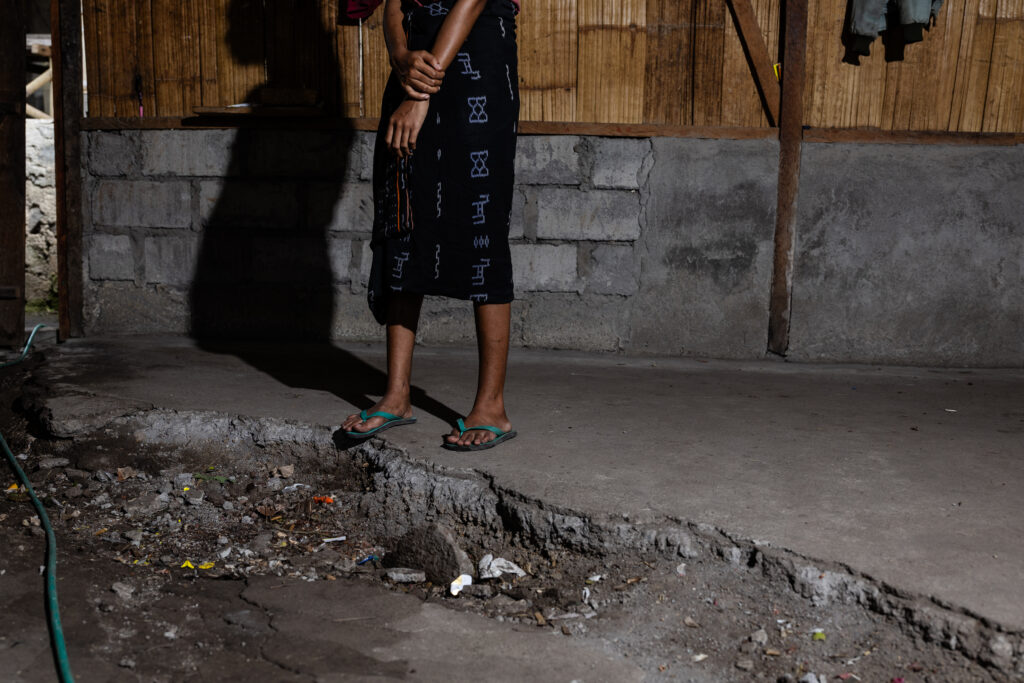
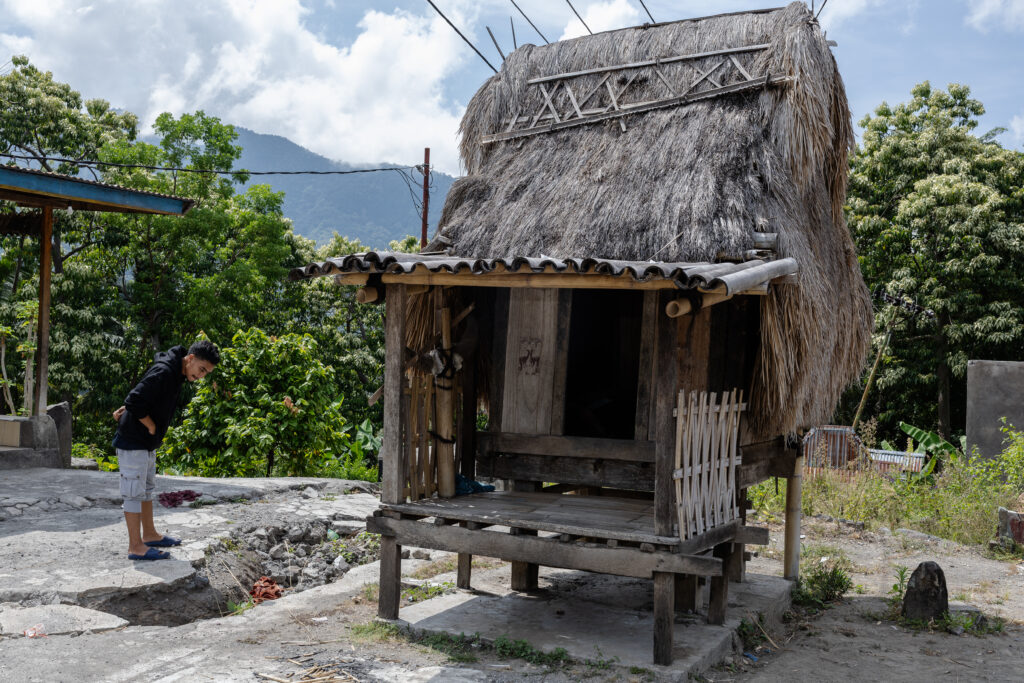
Thin smoke seeps from cracks in the ground in Mataloko Village, Ngada Regency, East Nusa Tenggara. The strong smell of hydrogen sulfide (H2S), like rotten eggs, quickly fills the air for anyone nearby. Under the trees and among the remains of old plantations, villagers look out over land that has become difficult to live on. The government sees Flores as the future of Indonesia’s green energy, referring to it as the “Geothermal Island” since 2017. But for the indigenous people living here, from Mataloko to Wae Sano and Poco Leok, this project marks the start of losing their way of life.
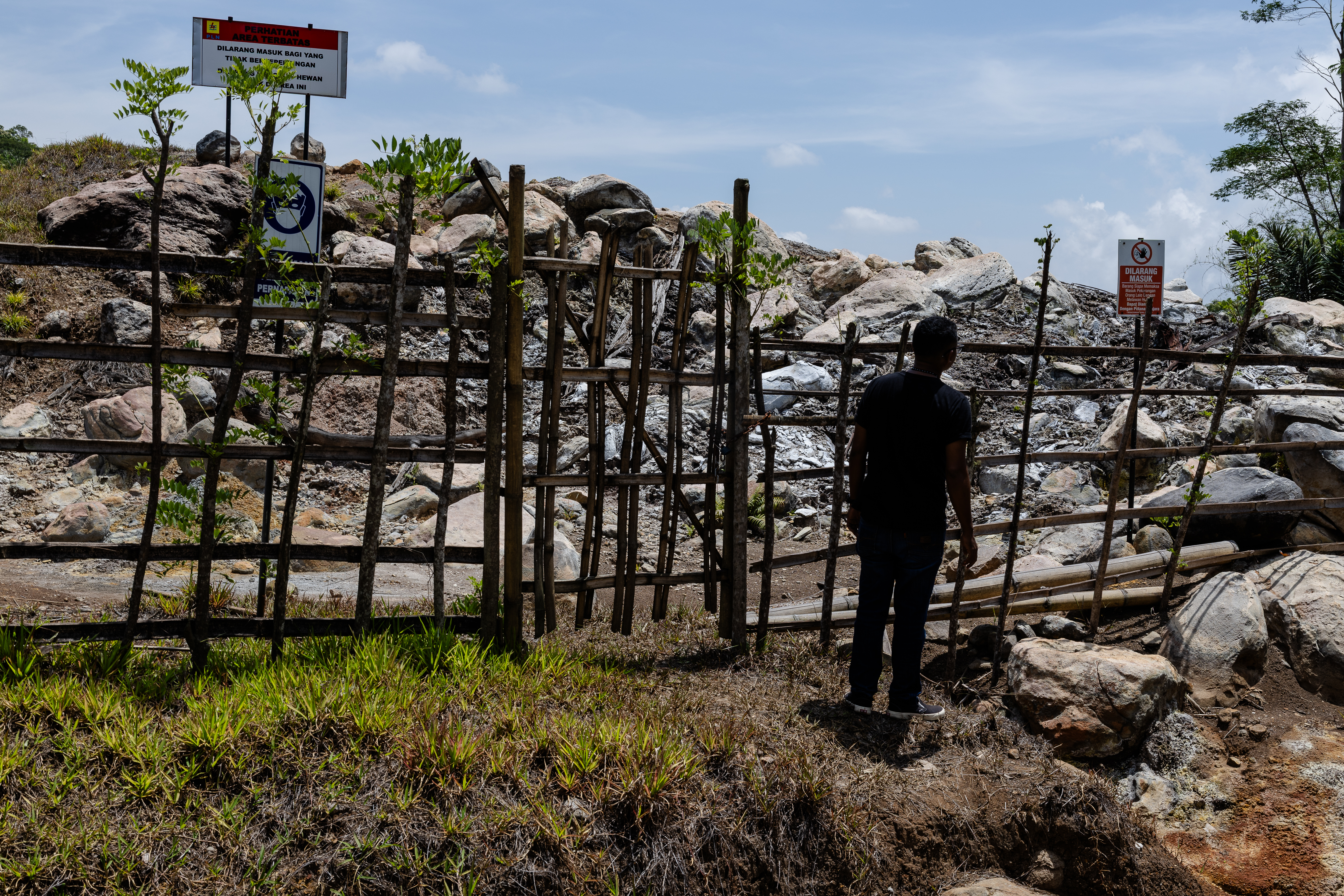
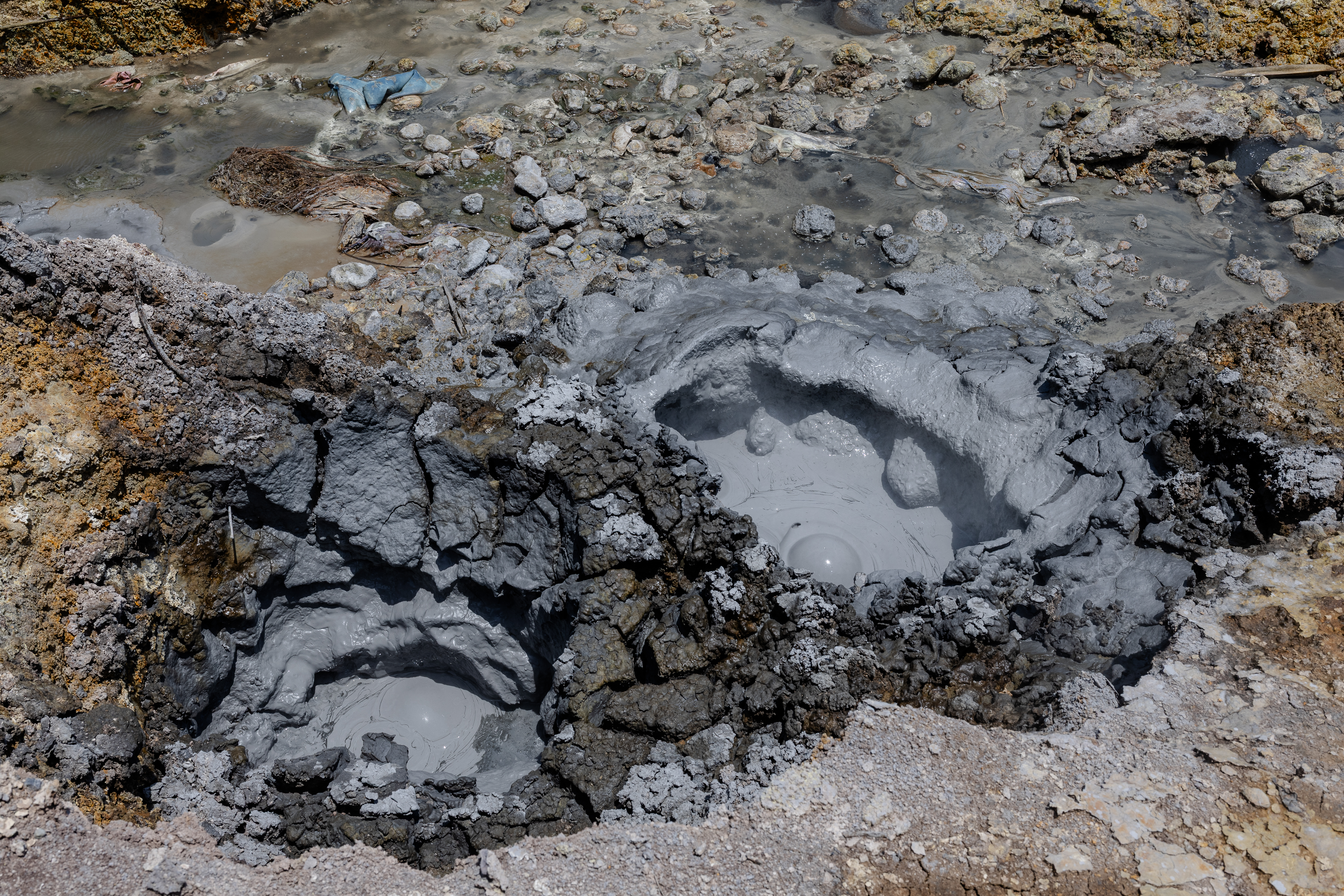
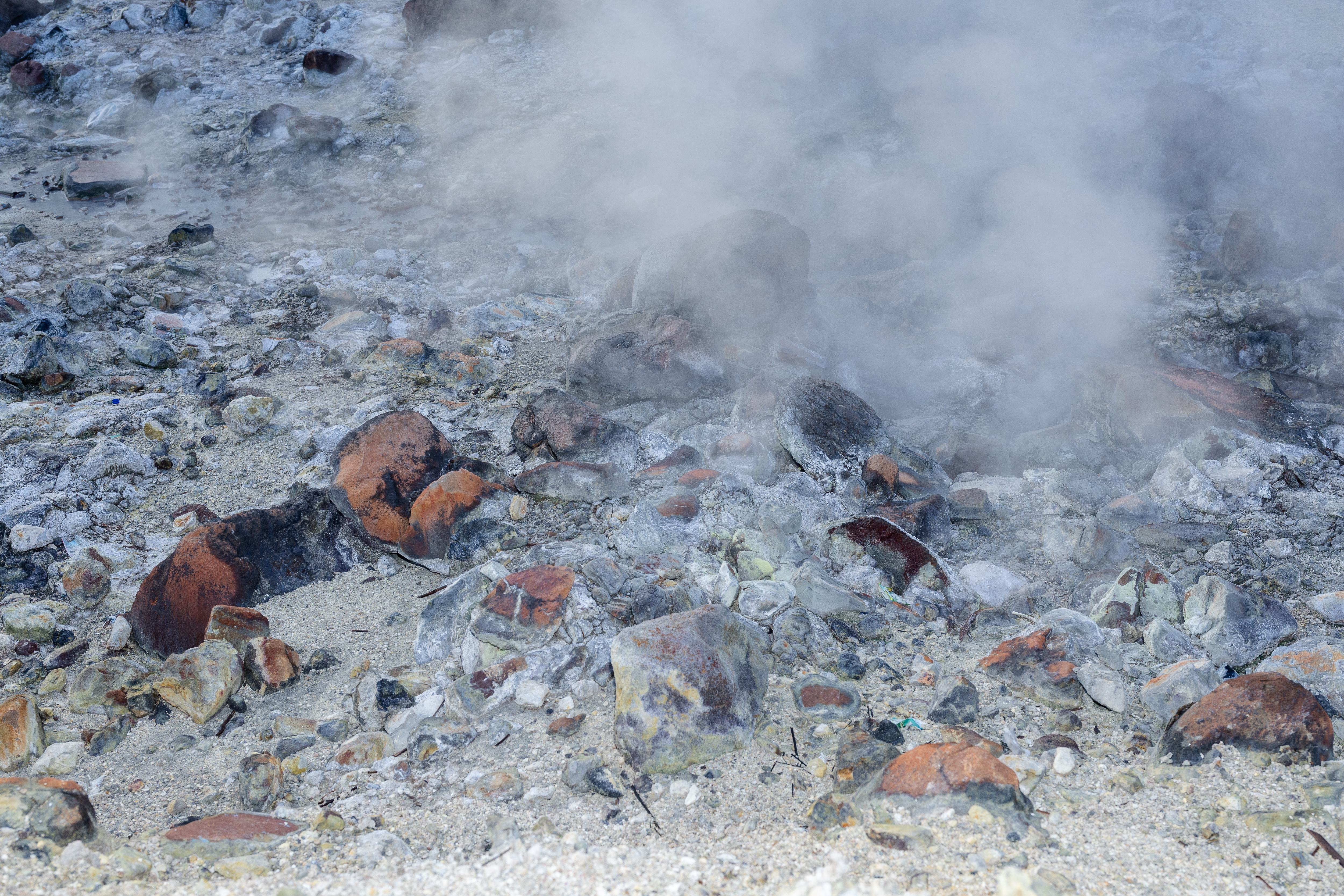
People have been wary of geothermal energy for a long time. Thirty years ago, the first geothermal power plant was built in Mataloko, in the middle of the island, but it failed and operated only briefly. Not far from some houses, there is still a remnant of the old plant: a borehole with a fence around it and a “No Trespassing” sign featuring a skull and crossbones. Even though it was supposed to be sealed, steam still leaks from the borehole. This steam smells like rotten eggs because of hydrogen sulfide, a very toxic gas, and it has changed the local environment. The stream that used to run here has disappeared, replaced by boiling mud bubbling up from the ground. The nearby fields are empty now because nothing grows there anymore. These lasting signs of neglect and pollution have shaped how people here feel about geothermal projects.
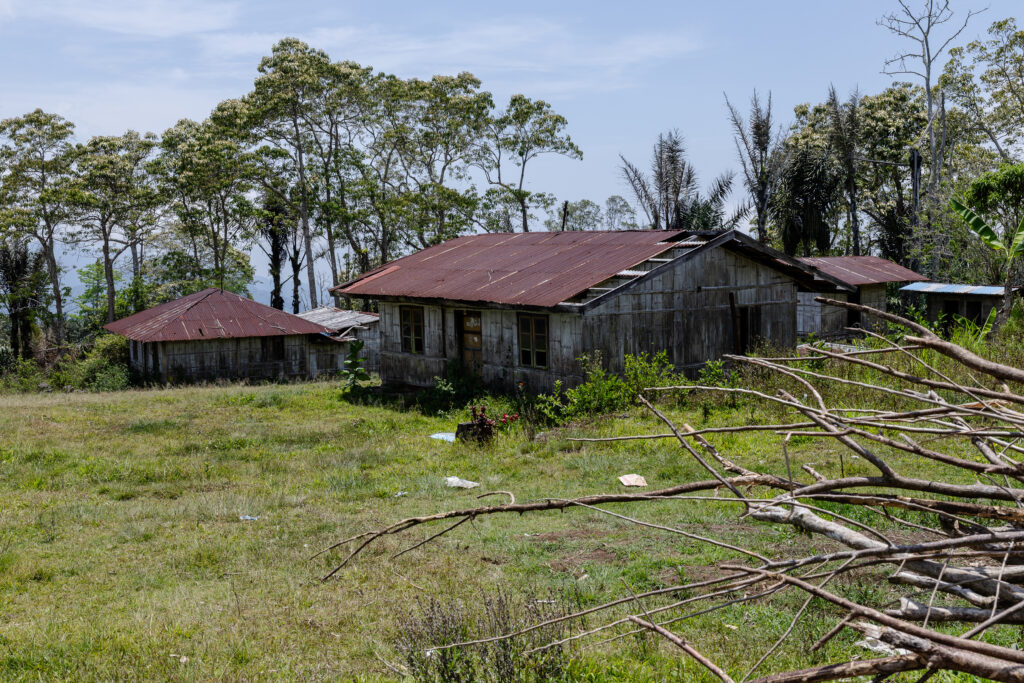
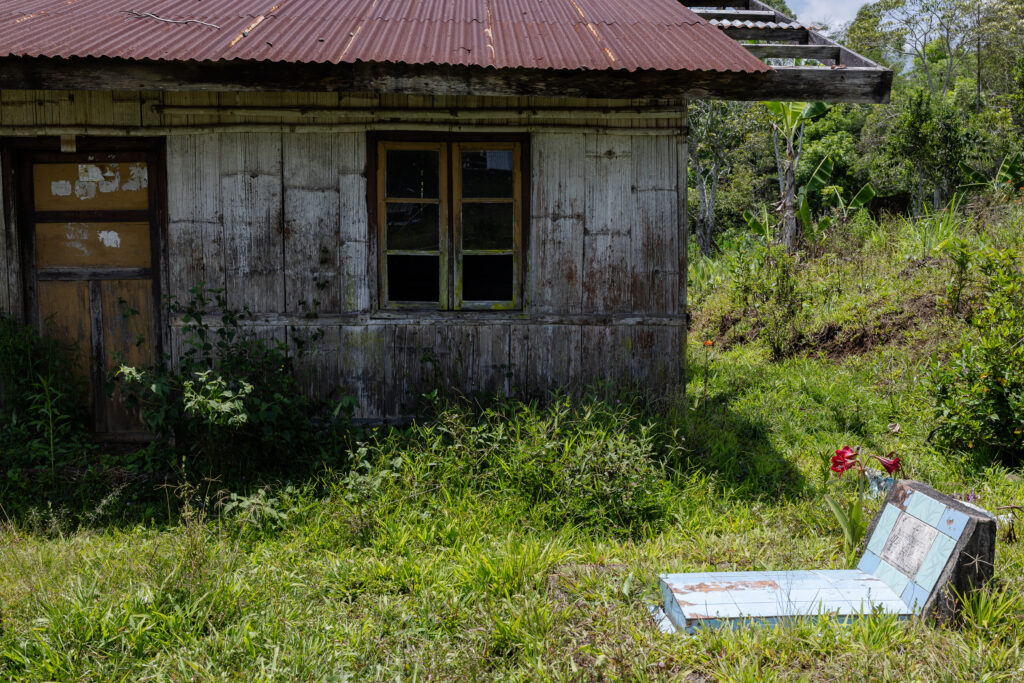
The corrugated iron roofs on the houses are badly rusted. Instead of lasting 20 years, they need to be replaced every few months here. People living in the area believe this fast rusting is caused by hydrogen sulfide from the geothermal plant. They also report skin and breathing problems, which this gas can cause. Hydrogen sulfide is known to cause rust, irritate the skin and lungs, and, in high amounts, can even stop someone from breathing. These daily problems make people even more worried about the abandoned borehole.
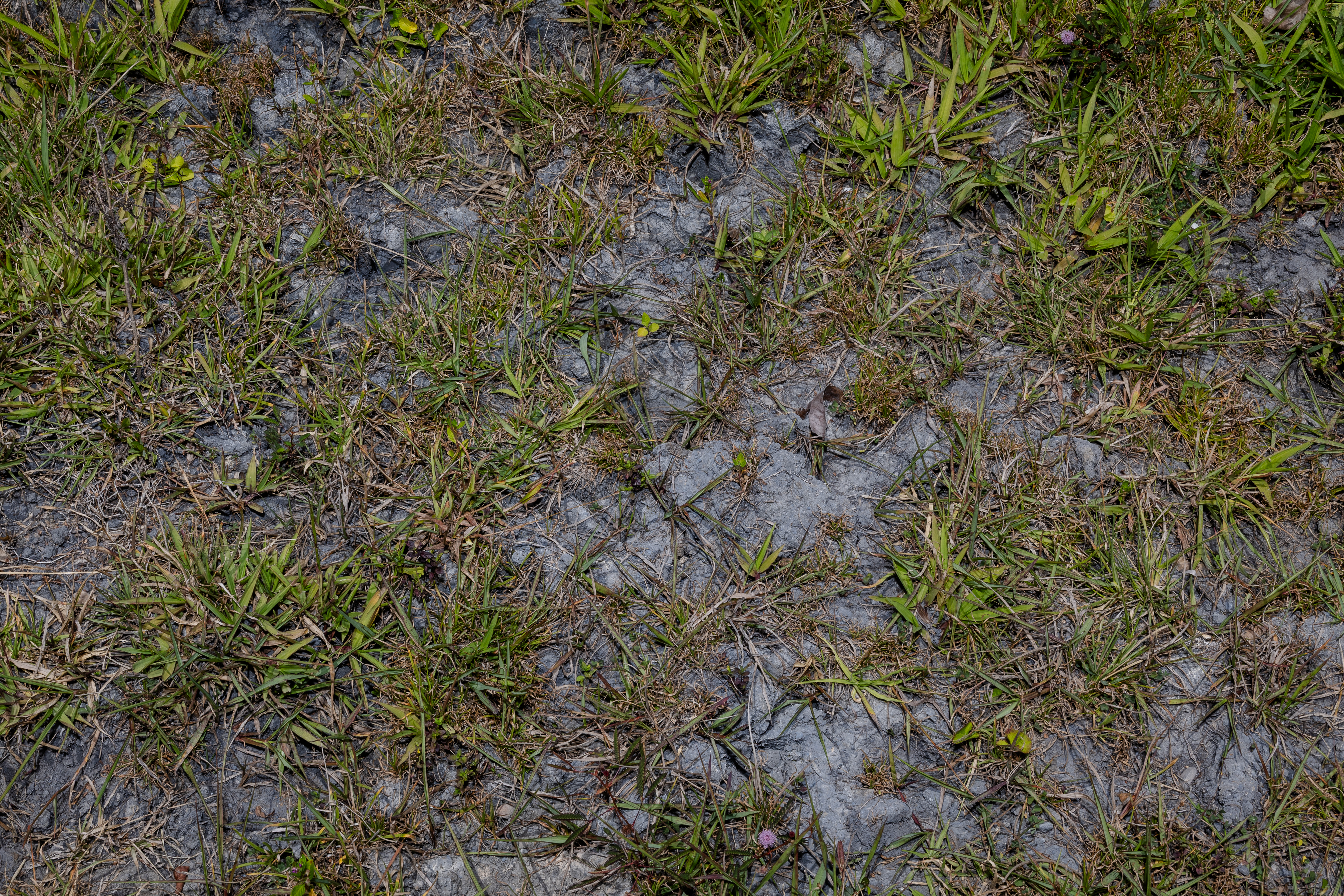
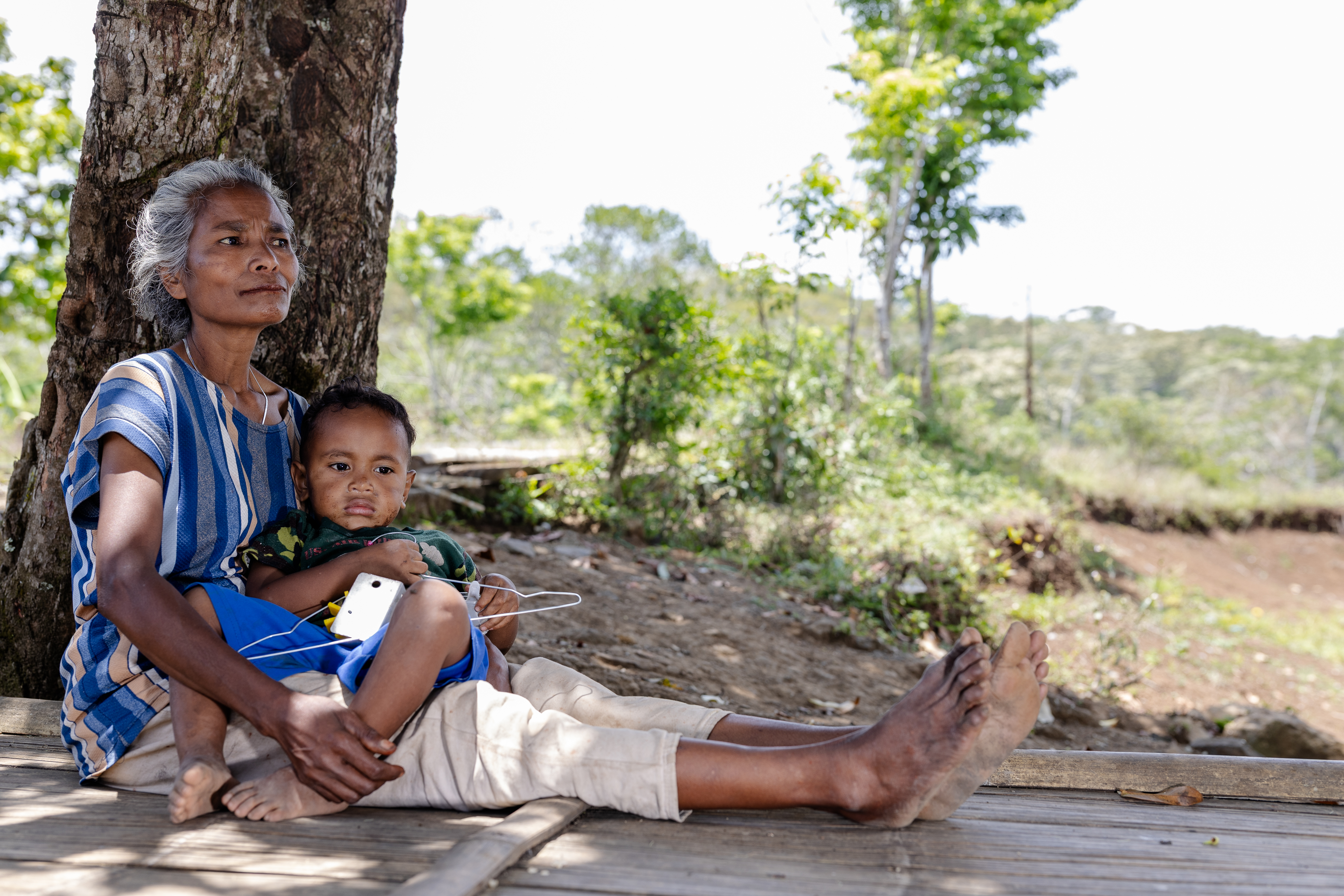
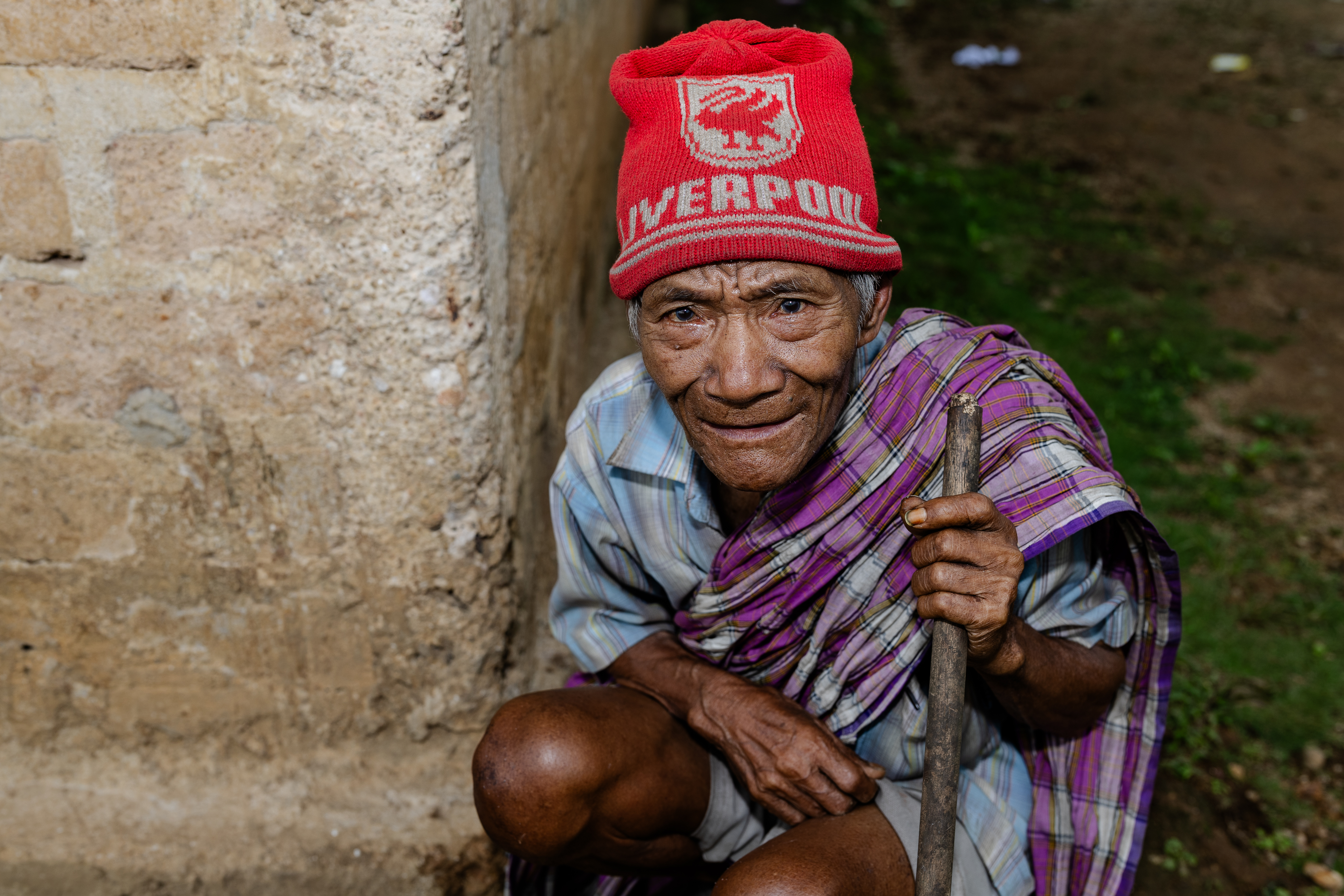
“The land used to be fertile, the harvest good,” says Augustina Kigo (pictured below), sitting in front of her hut. “But since the drilling started here, that’s no longer the case.” An air quality survey in several villages shows that the allowed levels of sulfur dioxide, which can cause acid rain and harm soil and plants, and hydrogen sulfide are much higher than they should be.
The Geothermal Risk
Geothermal energy is generally considered a sustainable, environmentally friendly, and safe solution for generating electricity from geothermal heat – a constantly available energy source. Due to its many volcanoes, experts believe Indonesia, located on the Pacific Ring of Fire, is particularly well-suited for this type of energy production. Indonesia intends to expand the giant plants on this stretch of land to reduce its dependence on fossil fuels and advance its goal of carbon neutrality by 2060. Indonesia has an estimated geothermal potential of 23 gigawatts. By comparison, all civilian nuclear reactors worldwide have a combined capacity of 414 gigawatts. Flores plays a key role in Indonesia’s national strategy, as its province accounts for 5% of the country’s geothermal potential.
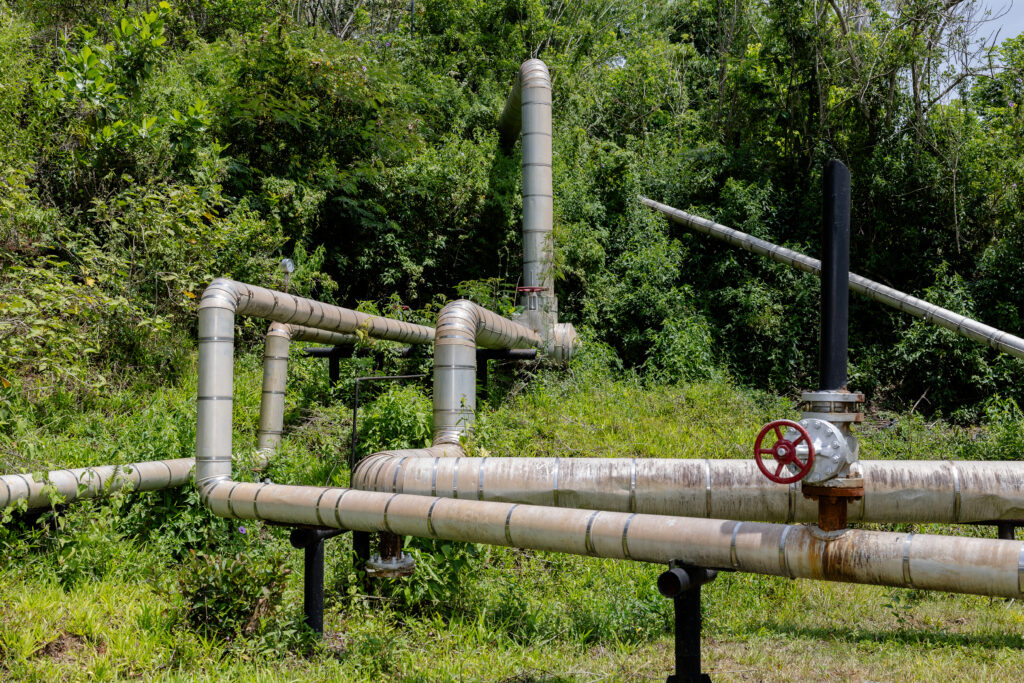
Accordingly, the Indonesian government is investing in this renewable energy. For example, 16 power plants are planned for the island of Flores, which has a population of nearly 2 million and is predominantly Catholic. The German development bank KfW is financing the construction and expansion of geothermal energy in Indonesia with €200 million. This includes the two power plants in Ulumbu and Mataloko, where the first attempt failed. They are being built by the Indonesian state-owned electricity company PLN.
Since 2017, Flores has been designated a “Geothermal Island” by the Indonesian Ministry of Energy and Mineral Resources. Since then, conflicts have erupted in villages including Sokoria, Wae Sano, Mataloko, and Poco Leok. In Mataloko, hot mudflows from the PT PLN Geothermal project have contaminated gardens, rice fields, and residential areas. The pungent smell of sulfur wafts through the air every morning, causing skin diseases and soil damage. Such problems reinforce community resistance even as large-scale projects move forward. People of Mataloko have doubts about the safety of geothermal energy. Whether all the changes and events they observe are actually related to geothermal energy and the drilling, or have another cause – that’s something experts need to determine. Those affected have no studies to go on, only their decades of experience. And that tells them that nothing like this happened before the drilling began.
The head of the Indonesian Center for Renewable Energy Studies (ICRES), Surya Darma, acknowledged that while geothermal energy has significant advantages, it is crucial to carefully consider its environmental and social impacts.
The development of geothermal energy on small islands, particularly those such as Flores and Lembata that are characterized by volcanic and seismic activity, presents unique challenges and environmental consequences.
Surya noted that even without geothermal projects, Flores’ geography makes it vulnerable to volcanic activity and seismicity, as it lies on the subduction zone and the eastern Indonesian Ring of Fire.
Surya recommended that, prior to project initiation, the government conduct comprehensive geological and environmental risk assessments to identify and address potential adverse effects.
He explained that geothermal potential is intrinsically linked to the geographic and geological characteristics of the Ring of Fire, which inherently contribute to the region’s elevated seismicity.
He said that geothermal utilization should avoid areas with high disaster risk because geothermal activity increases the risk of earthquakes, particularly through the reinjection of fluids into the Earth’s crust.
Powerful earthquakes occasionally occur, especially in areas with fragile geological foundations, such as Flores, which lies on a tectonic plate and experiences frequent seismic activity.
“Therefore, thorough geological and environmental assessments are necessary to identify and mitigate risks,” he stated.
According to Surya, comprehensive geological risk assessments, the implementation of seismic monitoring, and the use of safe injection technologies are directly associated with minimizing earthquake impacts during geothermal operations.
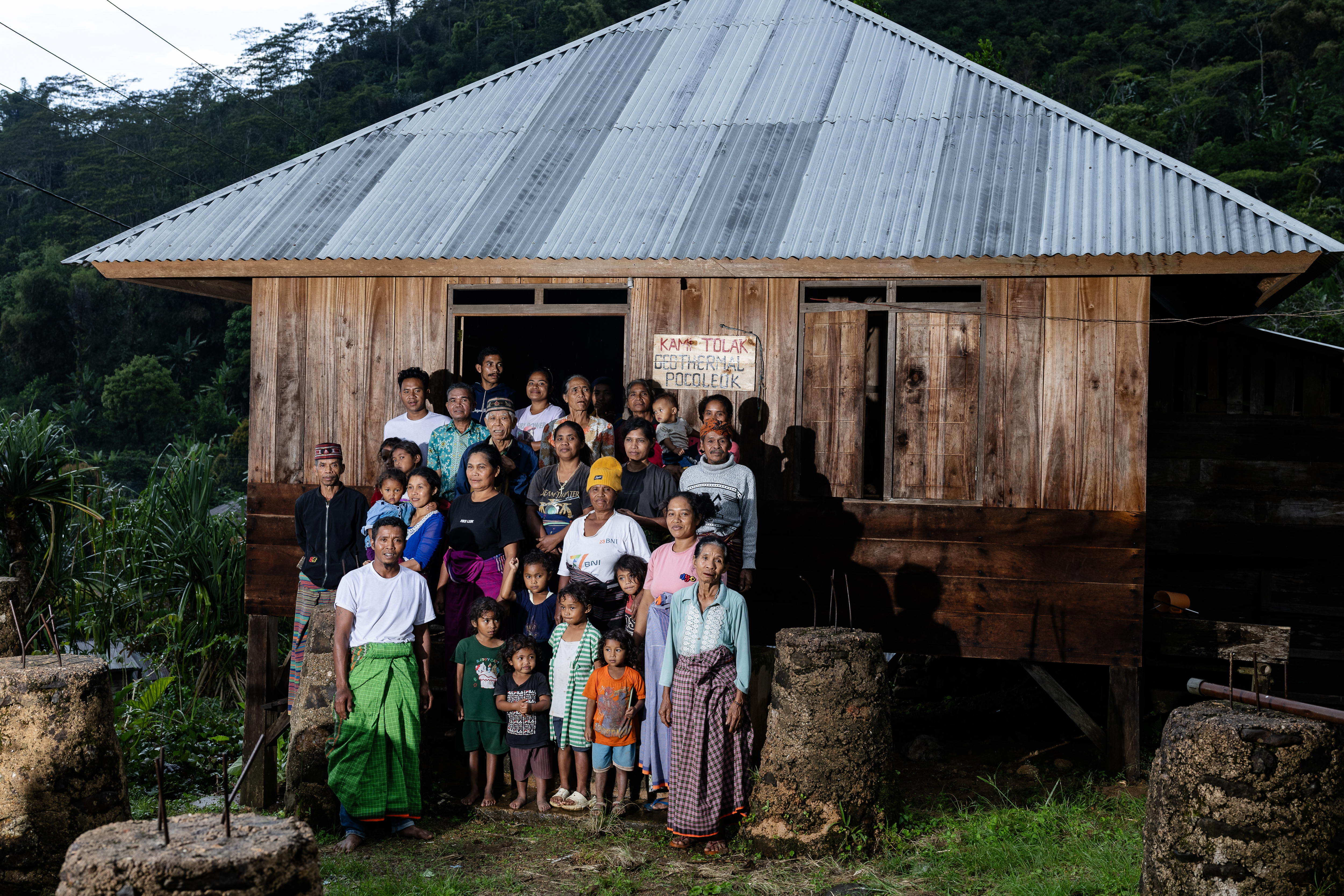
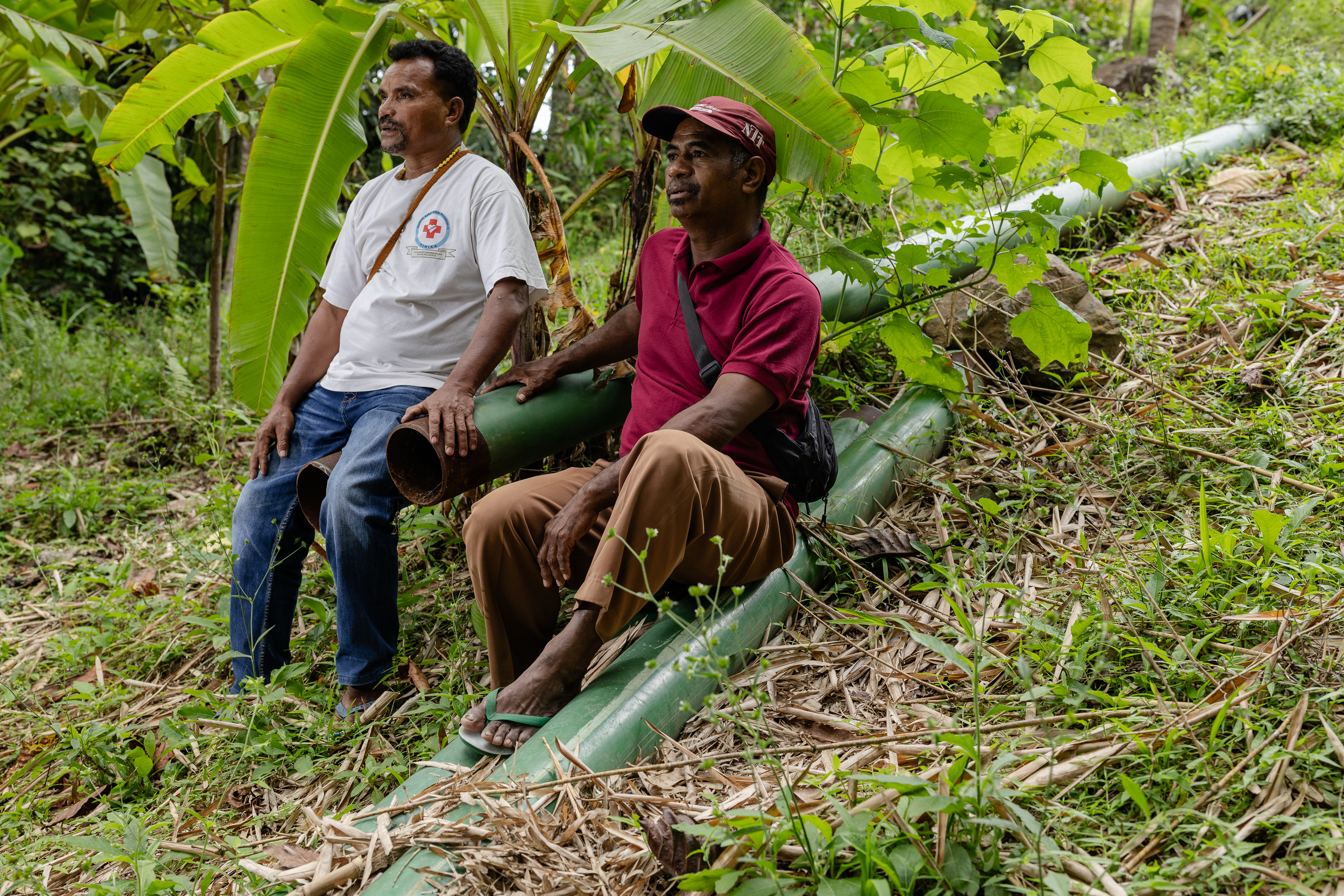
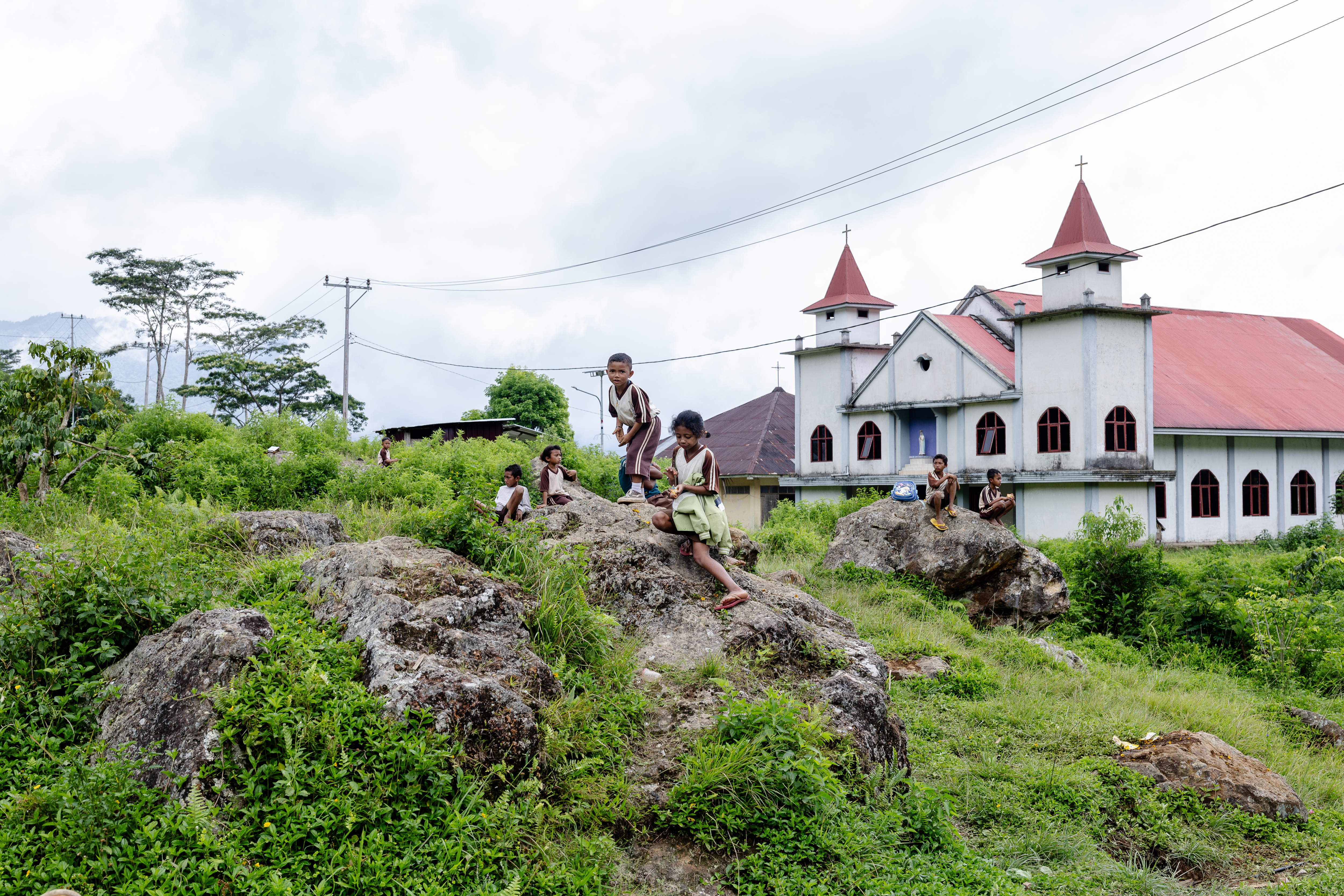
Not far from here, the Poco Leok volcano rises from the morning mist in Lungar village. Local women are leading the fight against the energy company. Elisabeth Lahus (Picture 32-34, white shirt) is one of these leaders. She opposes geothermal development in her village and also works as a coffee and clove farmer. In her traditional language, she says, “tana hitu ende dami”: the land is our mother. It is the inheritance of our ancestors. “The damage doesn’t just happen where the drill is. It can affect even places 500 meters away. There’s smoke. The sound of bubbling, boiling water fills the area,” she said.
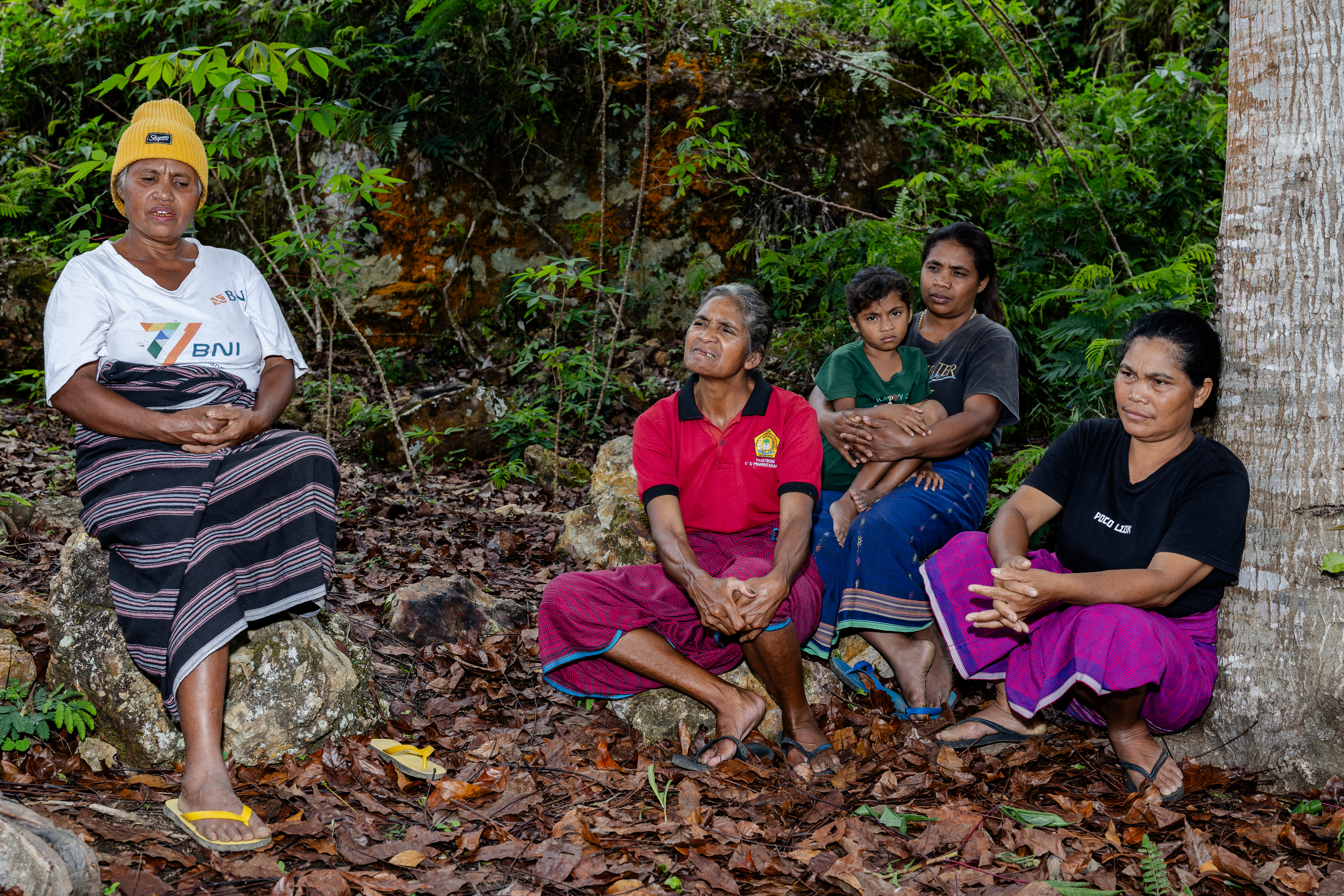
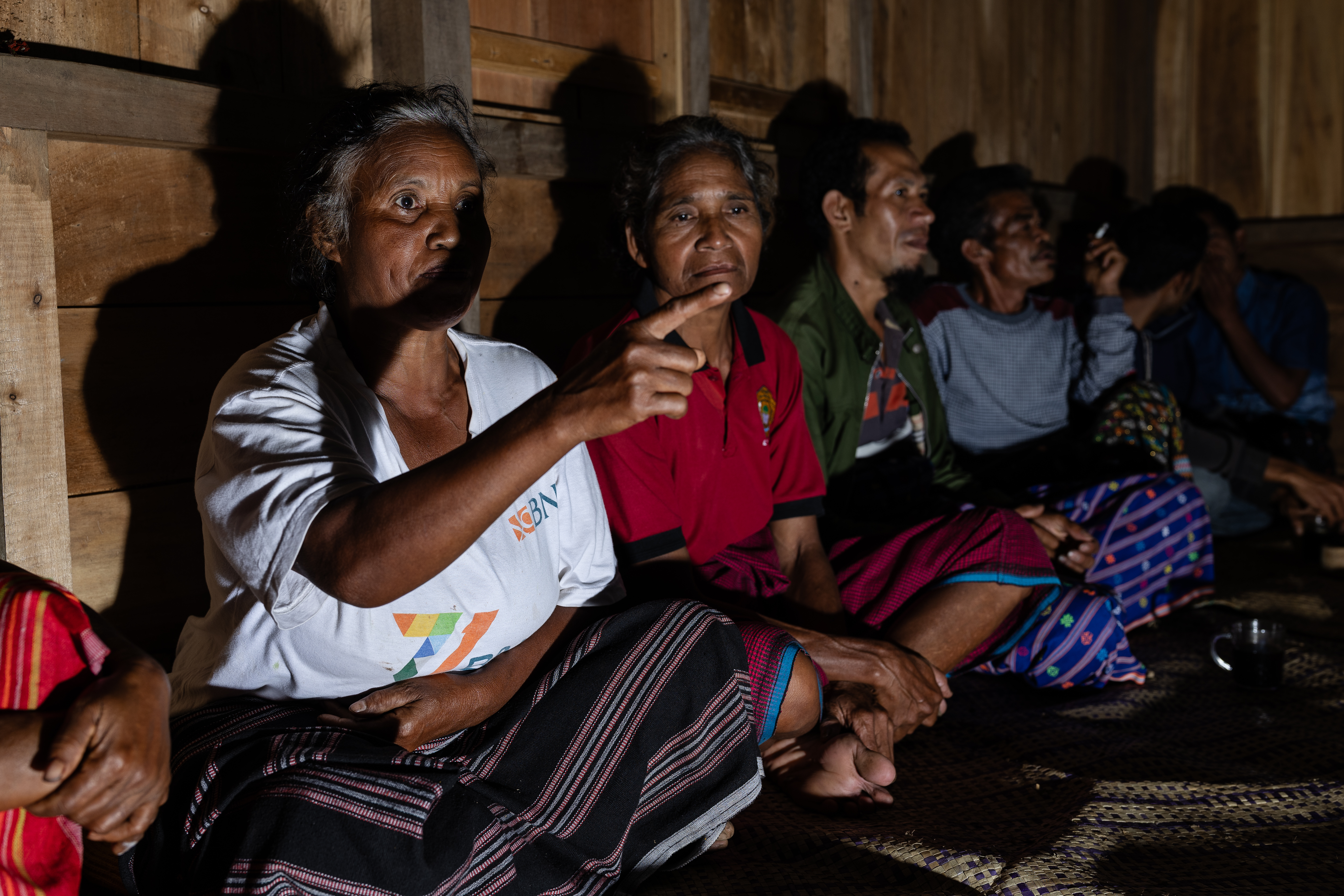
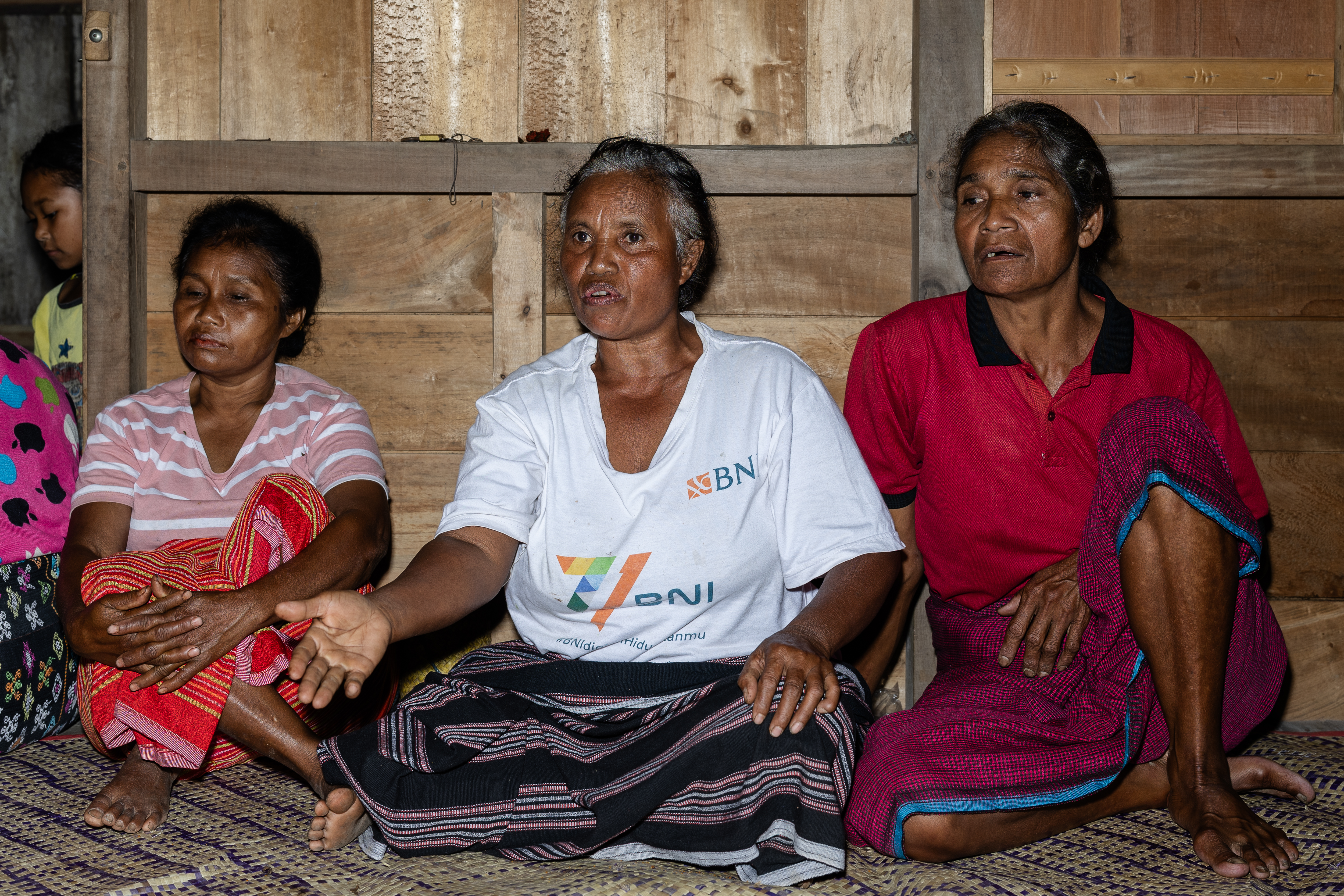
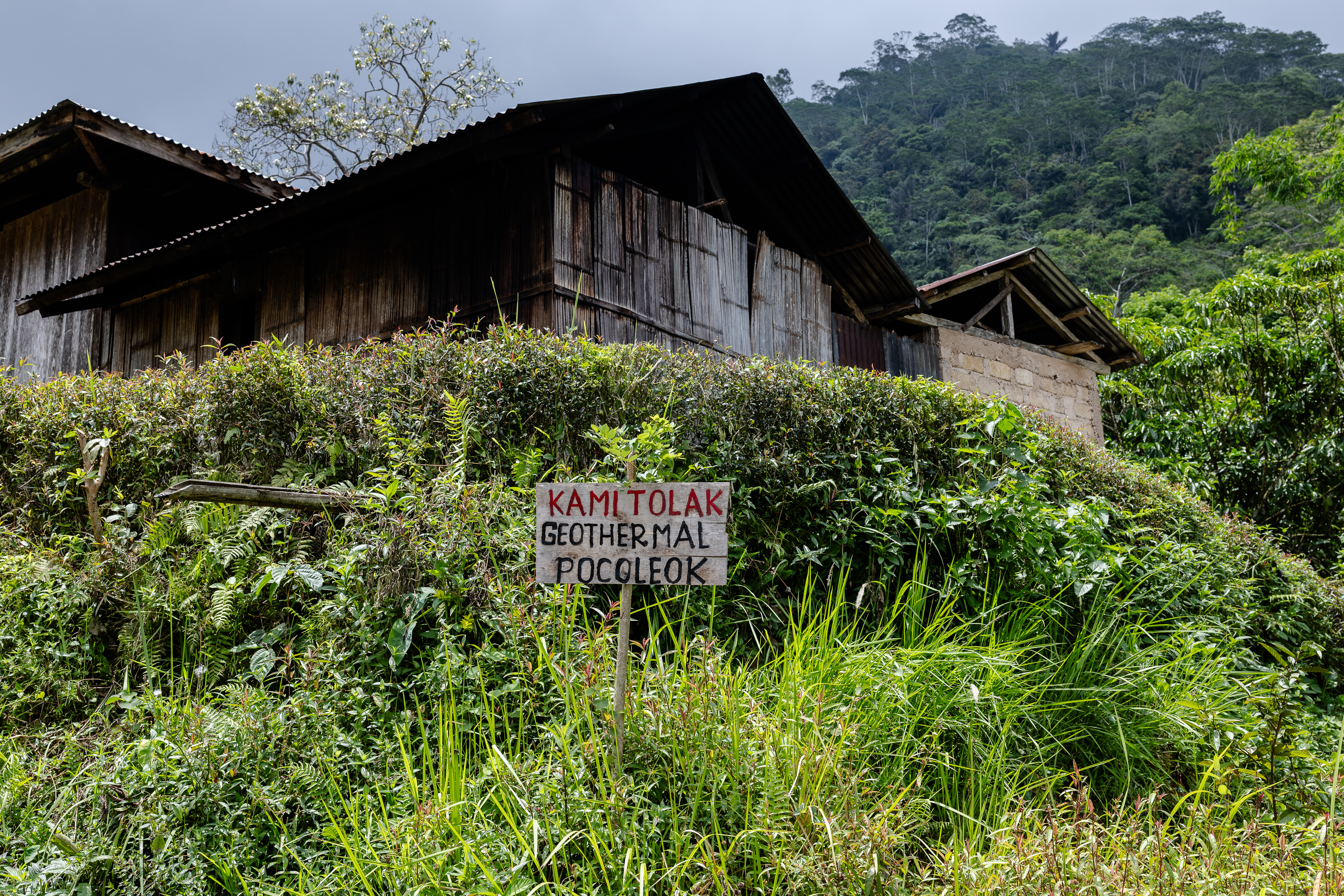
“We are never afraid to fight for the future of our children and grandchildren,” she said. Elisabeth is one of many Poco Leok women leading the resistance against the geothermal project. They believe the project threatens their way of life. Their determination connects generations as they continue to defend their community’s future.
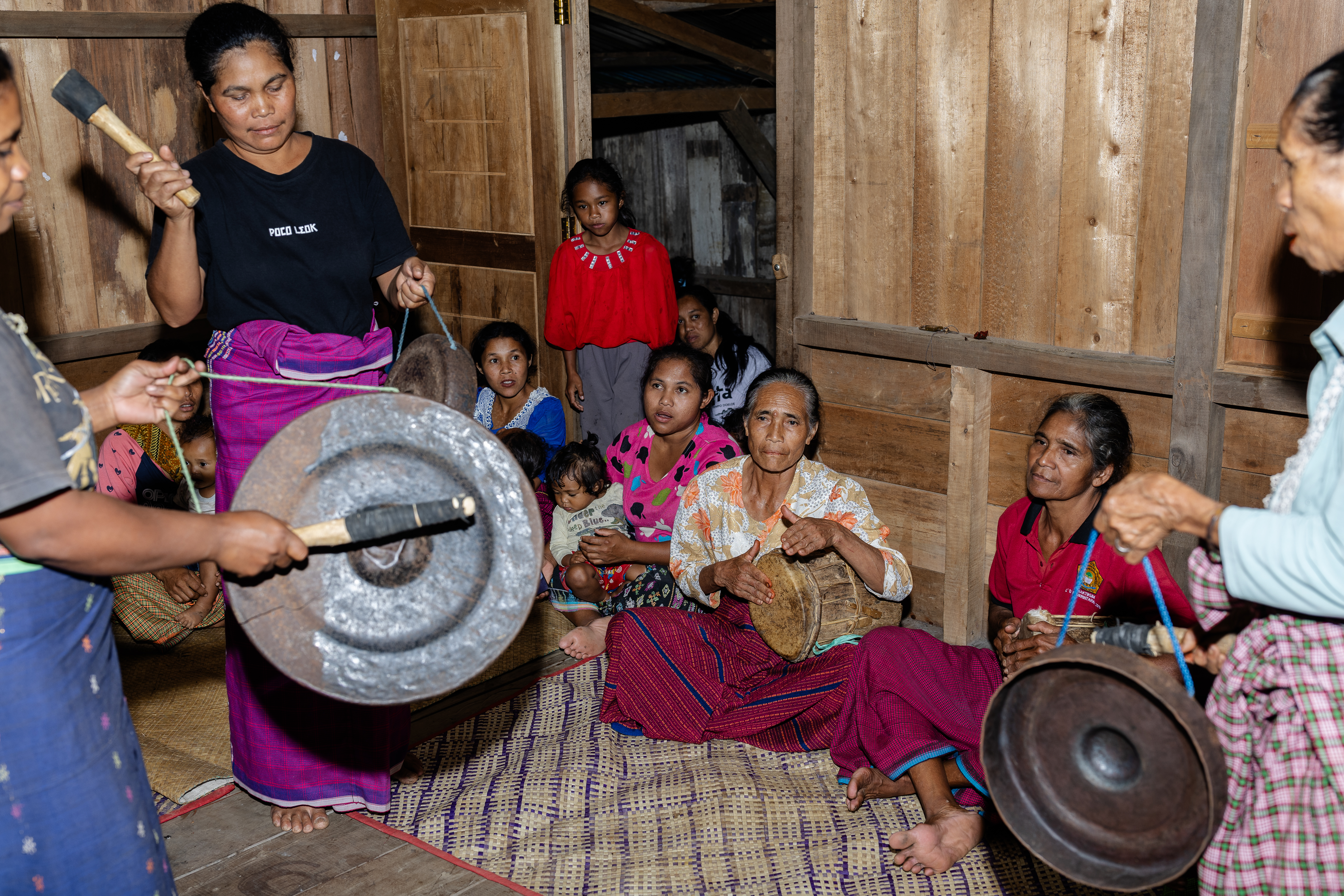
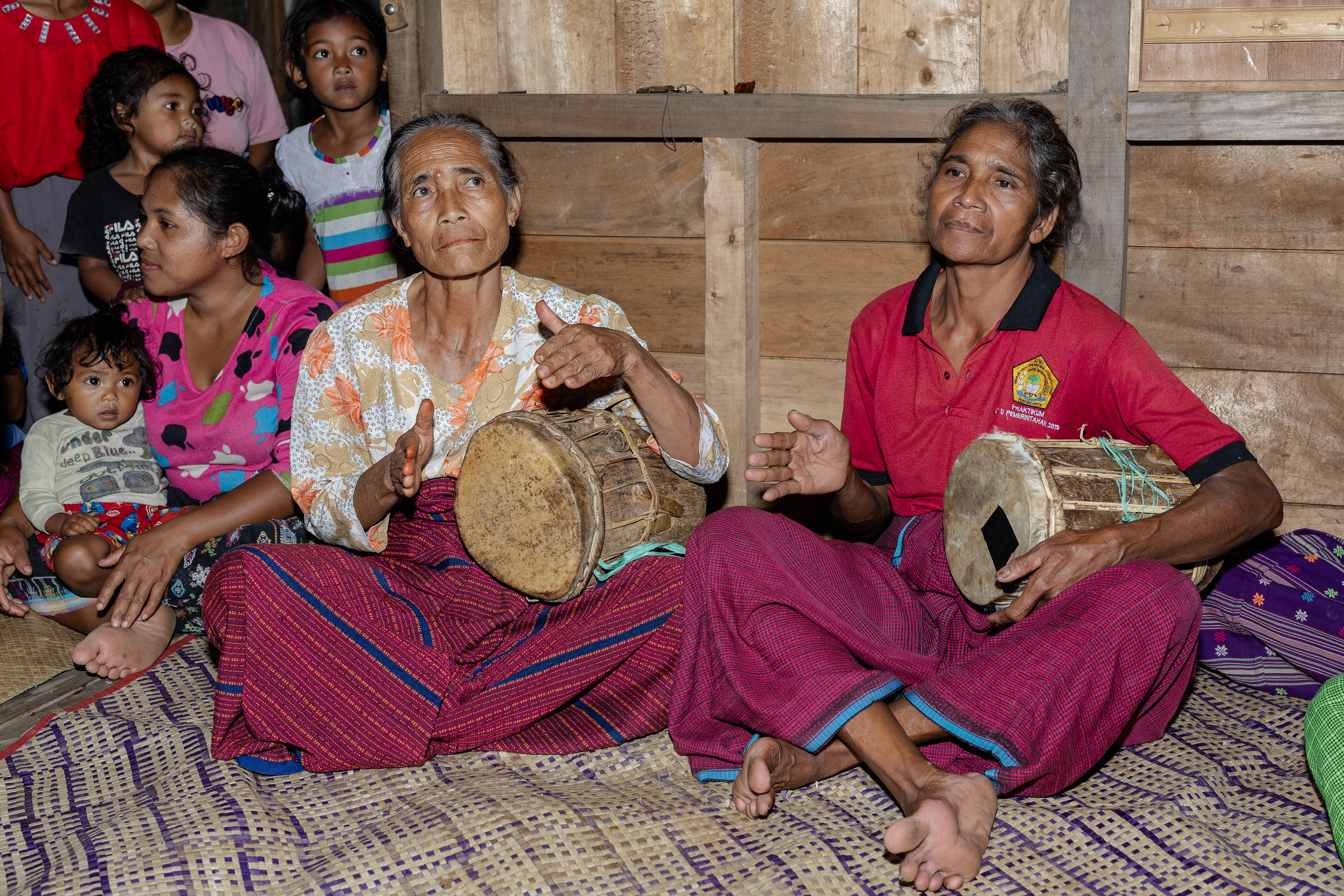
Poco Leok is located three kilometers east of the Ulumbu Geothermal Power Plant, which has been in operation since 2011. Its territory includes 14 hamlets in three villages: Lungar, Mocok, and Golo Muntas. The targeted drilling sites (wellpads) number 60 and are spread across these villages, raising ongoing concerns among residents about their environment. The problem is the same: the negative impacts of geothermal energy will endanger us all, not just the men,” Elisabeth concluded, explaining why they refuse to stay silent.
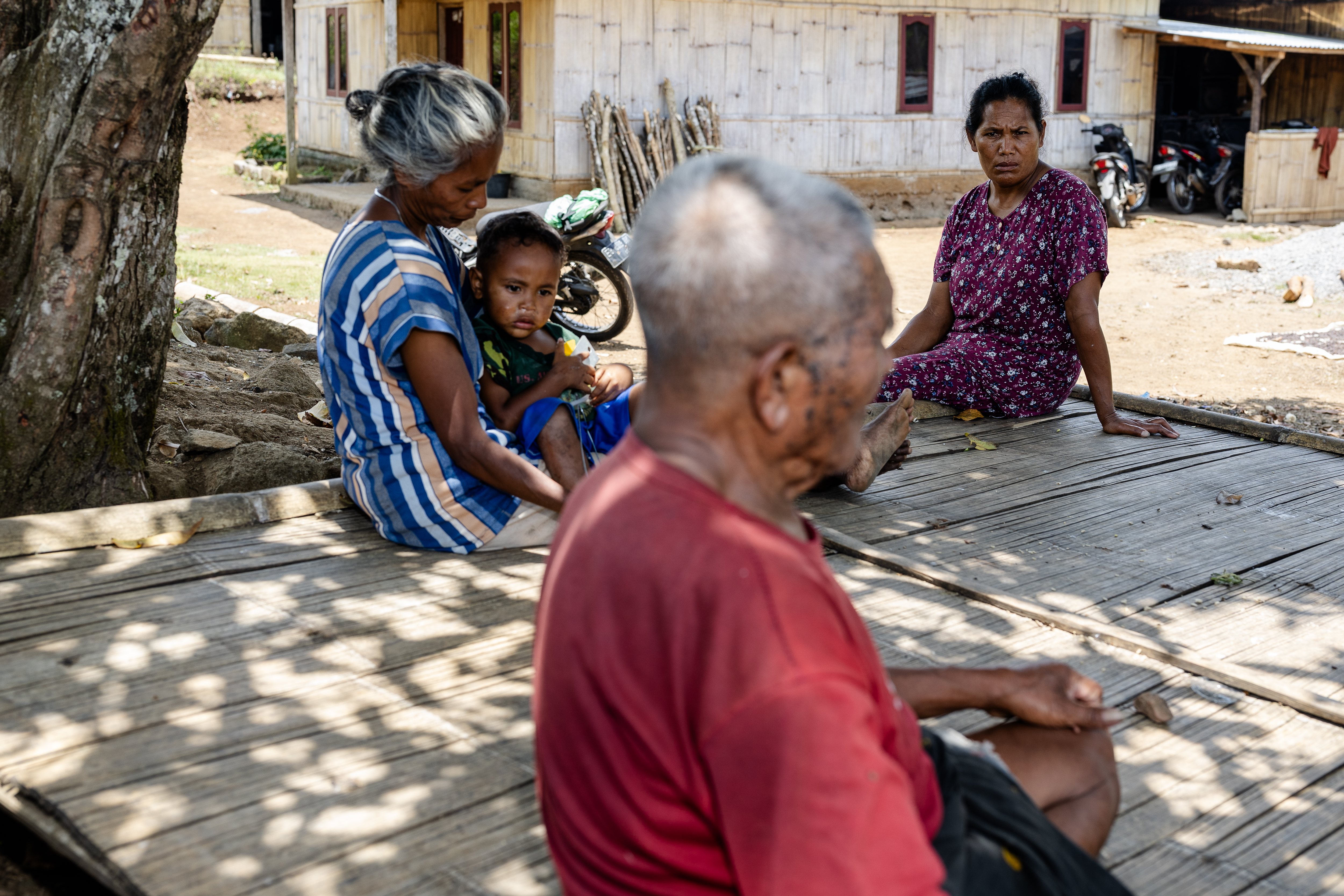
Several people in this community, living simple lives in wooden huts with tin roofs, tell the same story: the plant’s expansion is being carried out at breakneck speed, without the locals being properly informed. Furthermore, according to them, supporters of the project heavily repress any opposition through intimidation and disinformation campaigns disseminated by compliant media outlets.
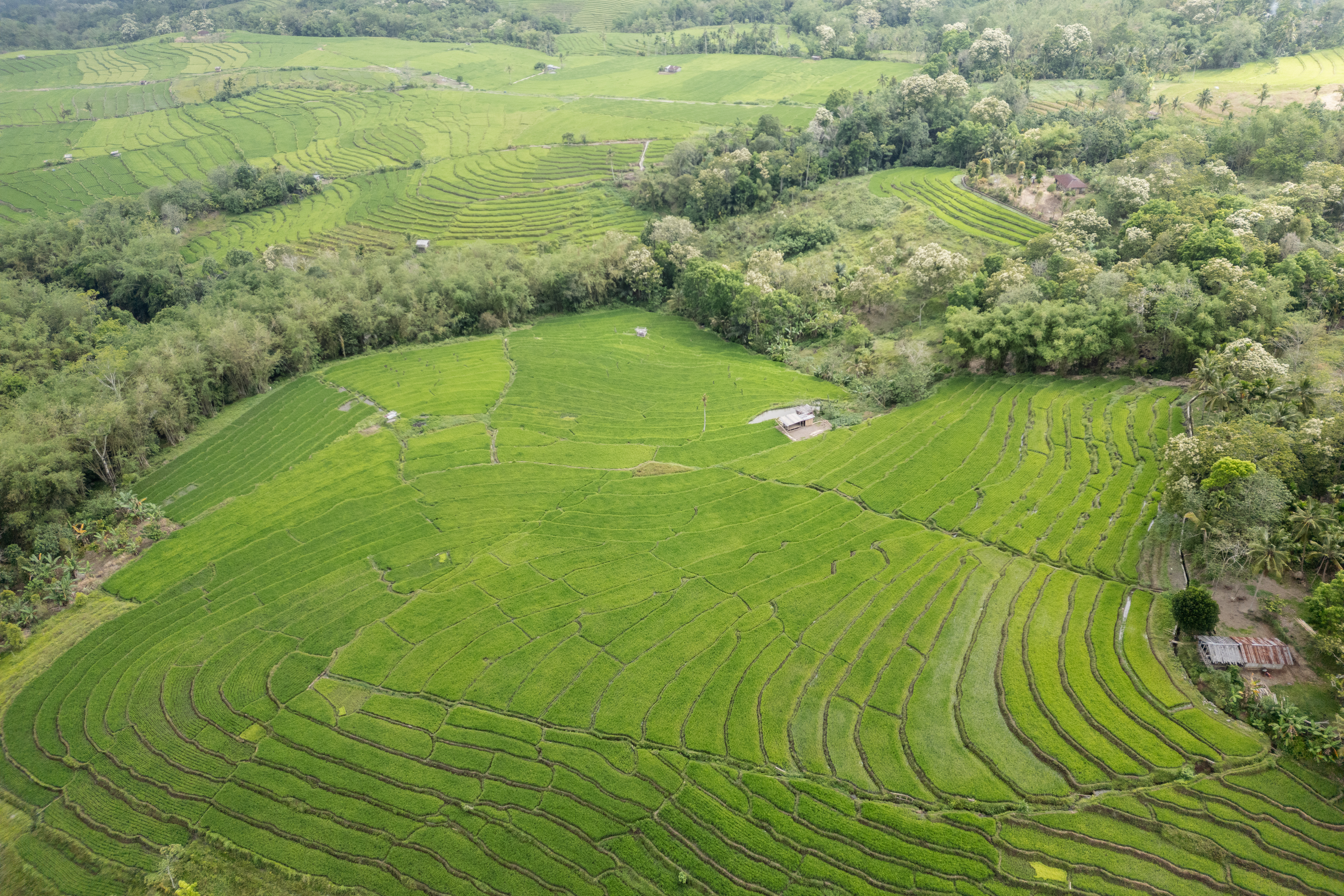
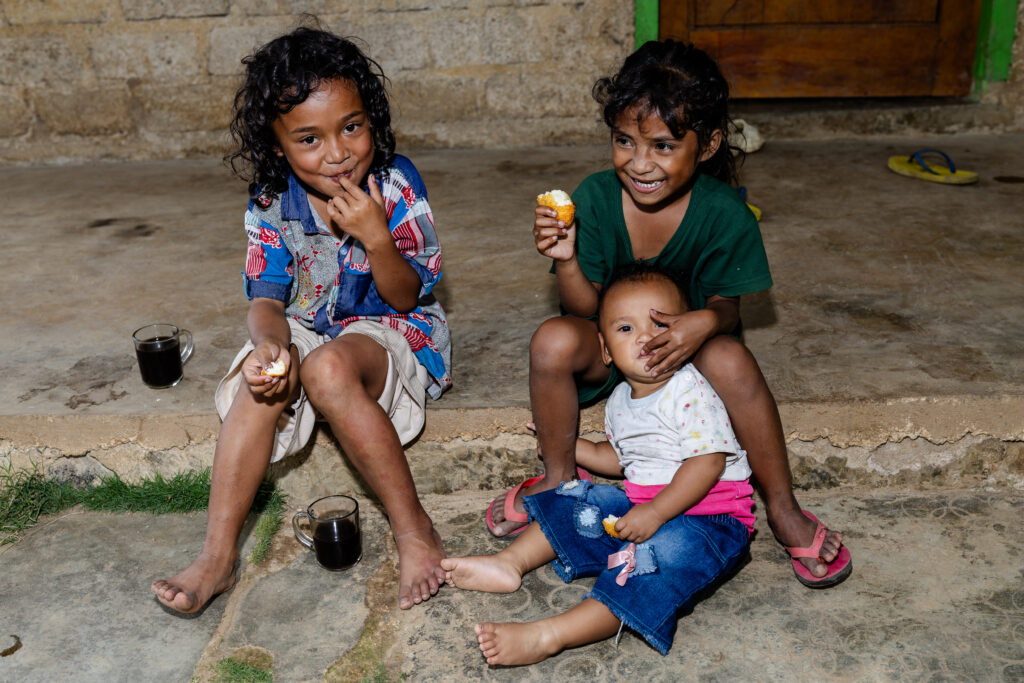
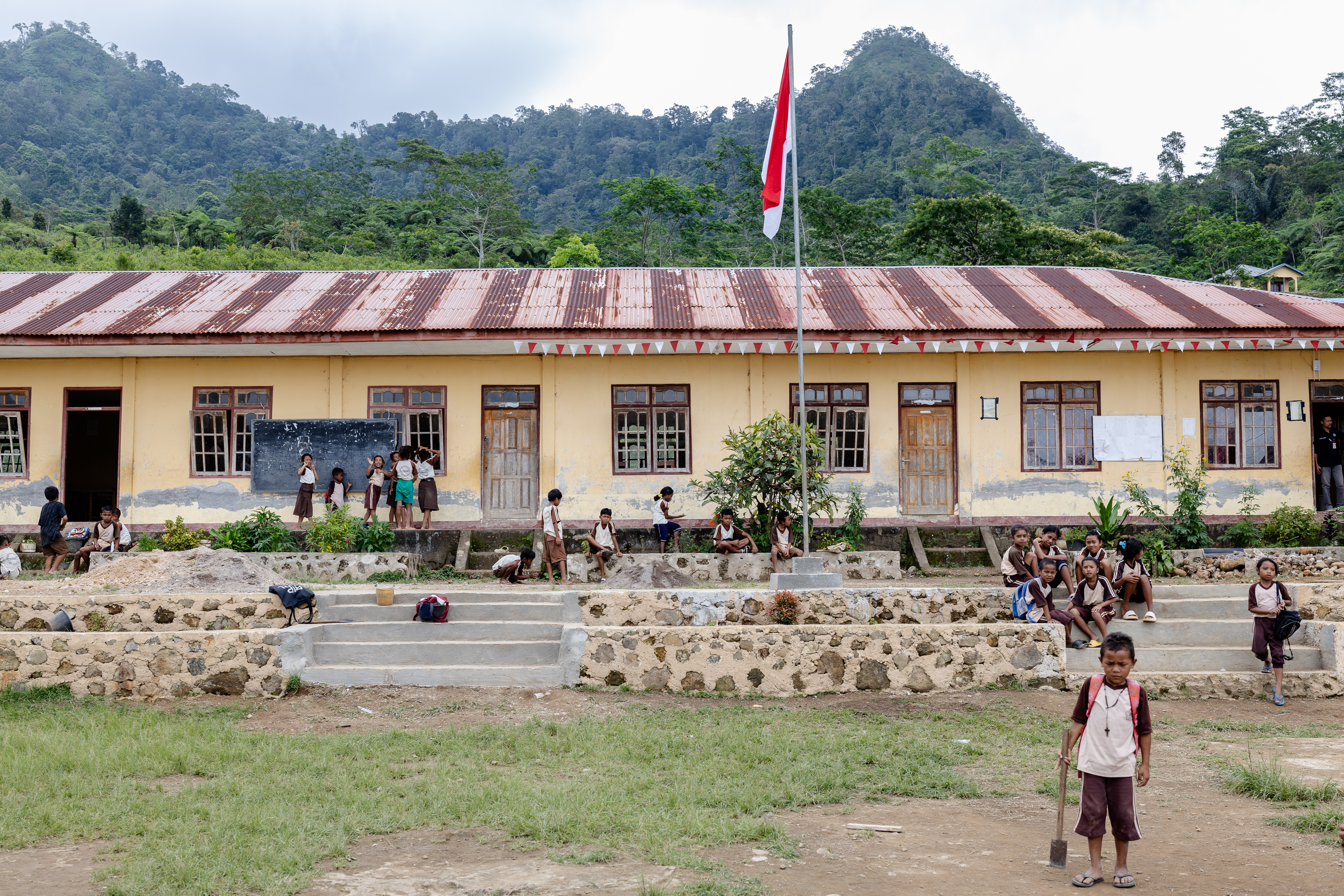
In the Poco Leok area, residents live very simply. They depend on agriculture to meet their family’s needs, including growing coffee, candlenuts, chocolate, sweet potatoes, corn, and other crops.
Hand in hand with Indigenous Communities
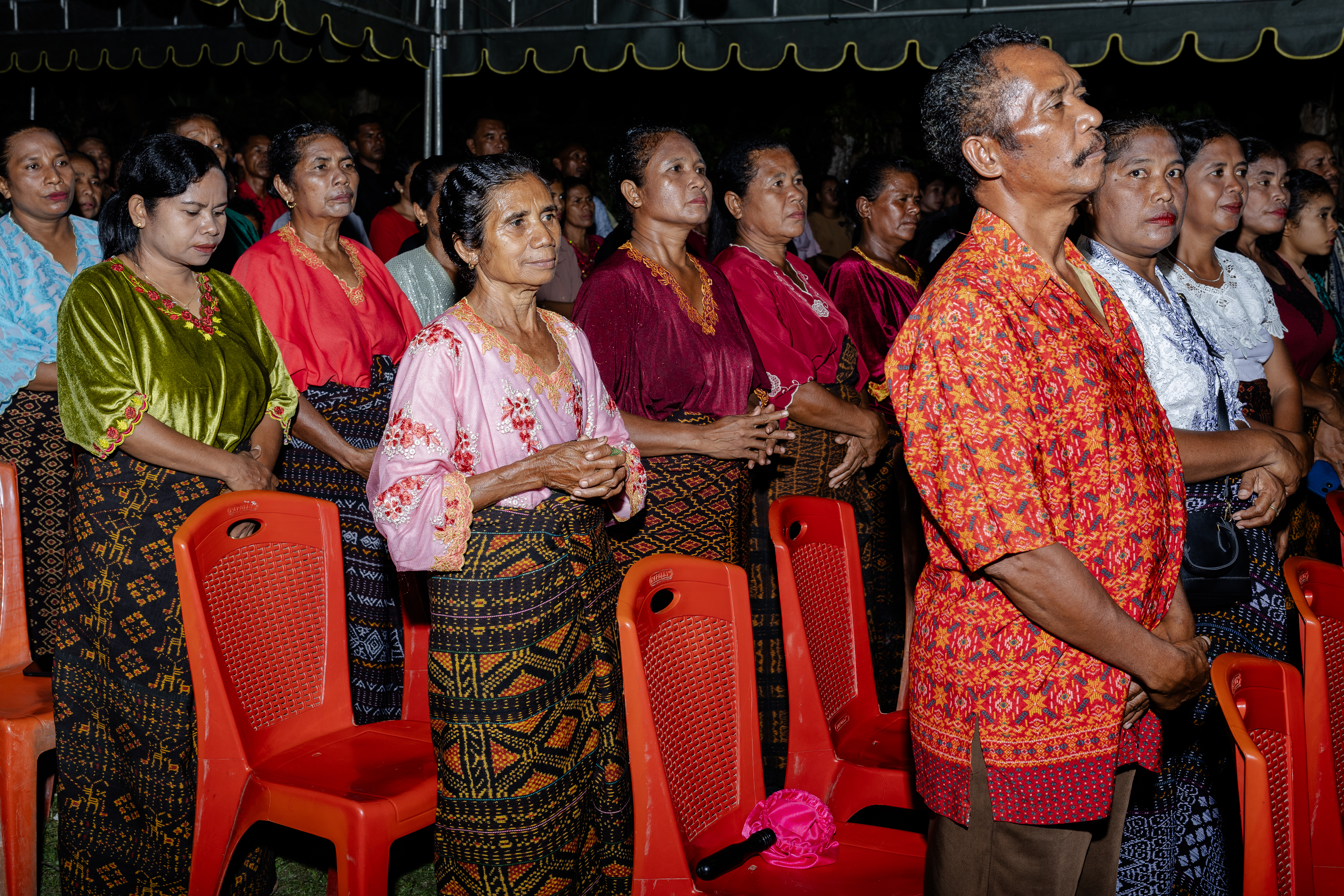
Opposition to the geothermal project in Flores is growing. In January 2025, Catholic Church authorities on Flores Island, led by Bishop Paulus Budi Kleden, SVD, the new Archbishop of Ende, formally rejected the project. This stance was soon supported by all bishops across Flores, prompting previously quiet dissenters in the broader community to speak out.
The Catholic Church’s opposition has sparked local protests and traditional rejection rituals in affected areas, further strengthening resistance to the geothermal projects.
A lack of information and disregard for community concerns have intensified opposition to the geothermal project. Those responsible have violated the UN principle requiring free, prior, and informed consent from indigenous peoples. “Here, the authorities have not conducted any outreach to the community, but instead have taken the most important figures from the indigenous community and forced them to agree to this project,” said Father Felix Baghi, SVD, who has supported the community and protests in Mataloko.
Local impacts have become clear to residents and advocacy groups. In Ngada Regency, farmers and villagers report damage to farmland from mudflows caused by a failed geothermal project. In Poco Leok, Manggarai, plans for geothermal expansion have divided the community, with some residents supporting the project and others opposing it.
Father Budi Kleden, SVD, Archbishop of Ende and superior general of the Society of the Divine Word, stated that the Church decided to reject geothermal exploration and exploitation projects on Flores Island after hearing firsthand testimony from affected communities in Sokoria (Ende) and Mataloko (Ngada).

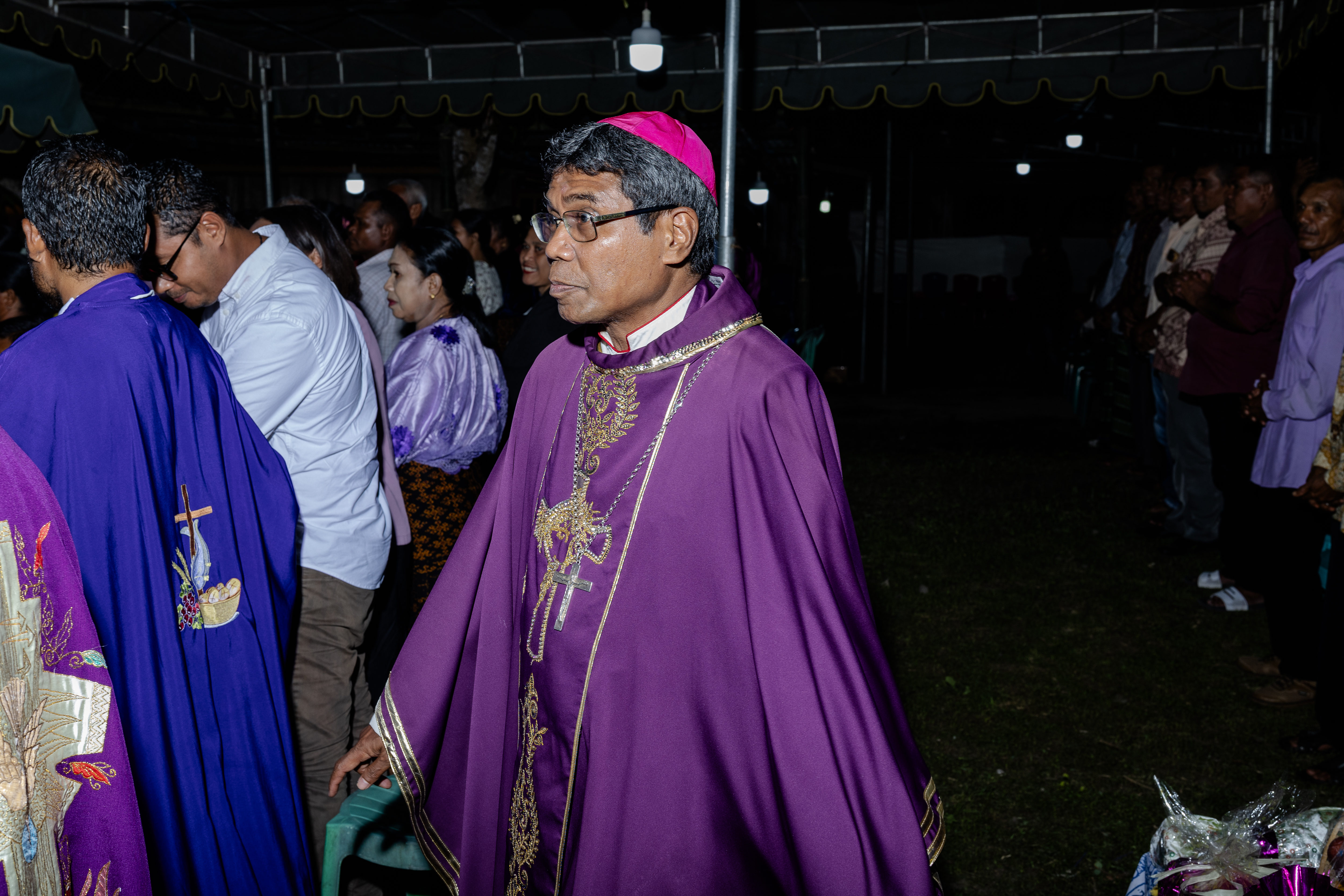
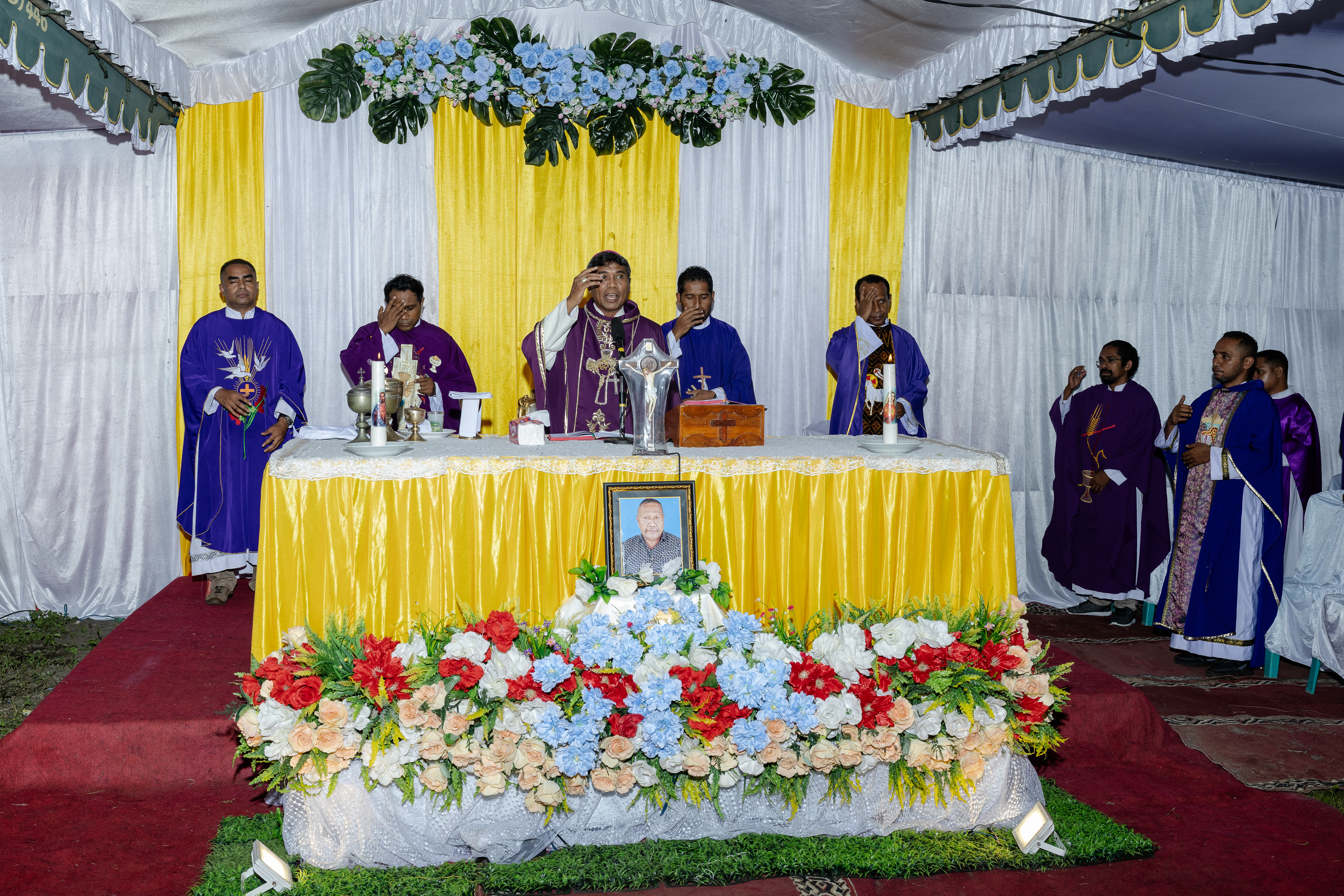
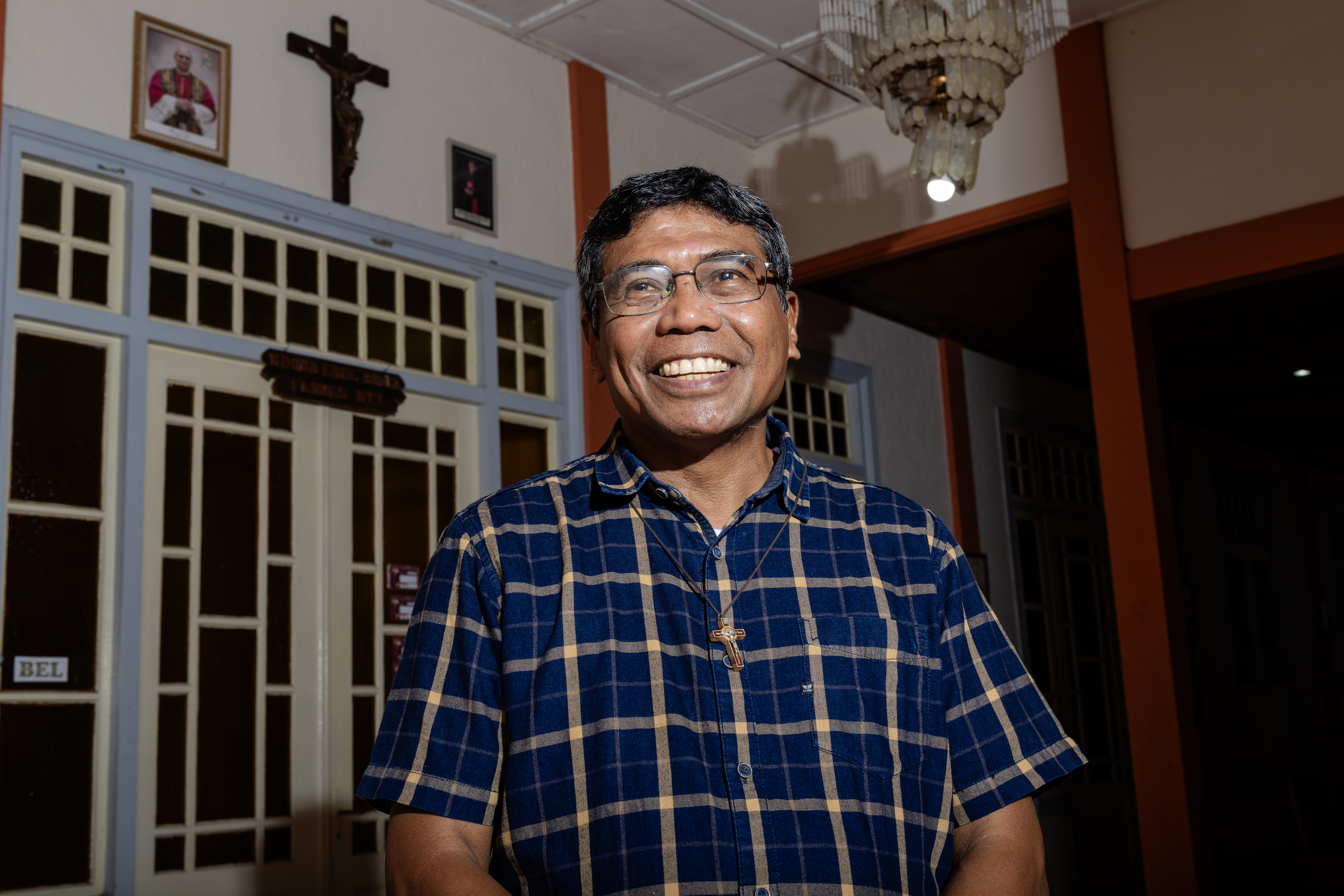
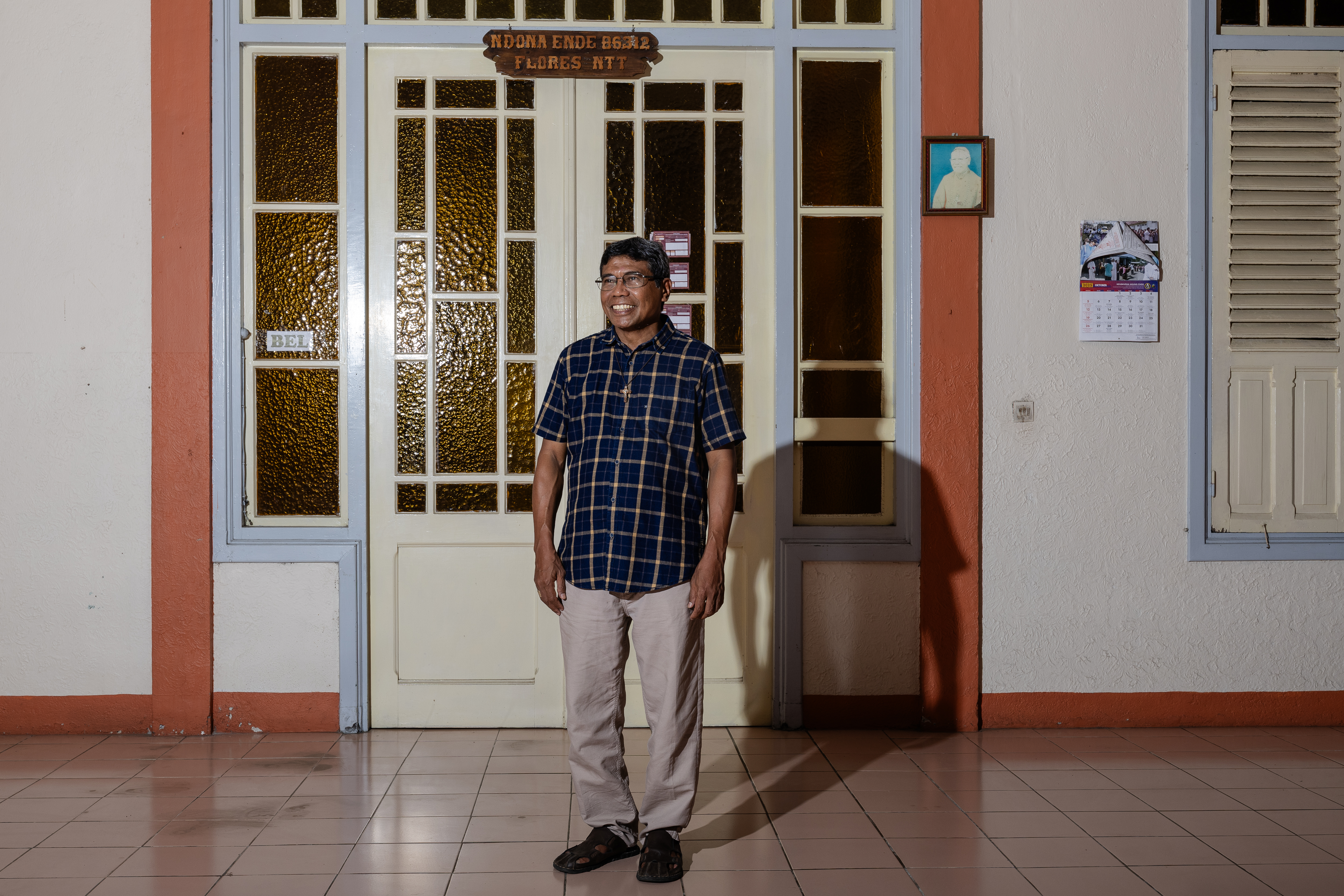
“Geothermal energy can be a very good thing, as has been demonstrated elsewhere. But it is not an option for Flores,” said the archbishop.
He cited several reasons: “Flores’ mountainous, steep, and disaster-prone topography makes it highly vulnerable if it is forced to become a Geothermal Island. Industrial-scale drilling in upstream areas is considered to threaten the stability of the soil structure (triggering landslides) and damage the forest ecosystem that supports the air.”
Geothermal energy development will consume much of the suburban land on Flores, which has limited agricultural land essential for subsistence. Drilling requires significant amounts of water, which is sourced from areas vital for rice cultivation.
He also expressed concern for the dignity and rights of those affected.
Their culture and identity are at risk because both are closely tied to their land and agriculture.
Given these circumstances, over 80 percent of Flores residents who rely on farming will be affected, risking loss of jobs, income, and agricultural culture.
Flores Villagers Refuse to Yield
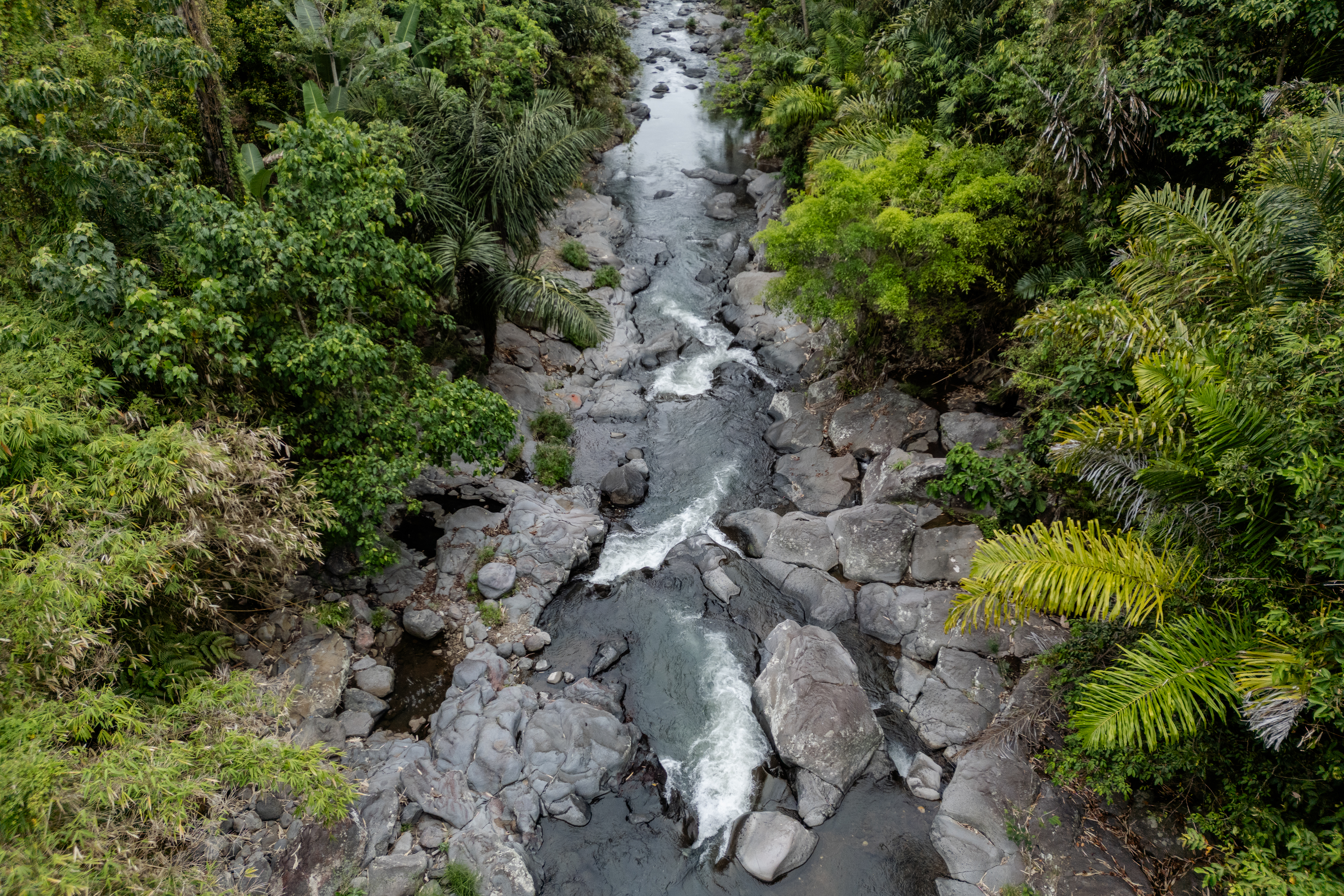
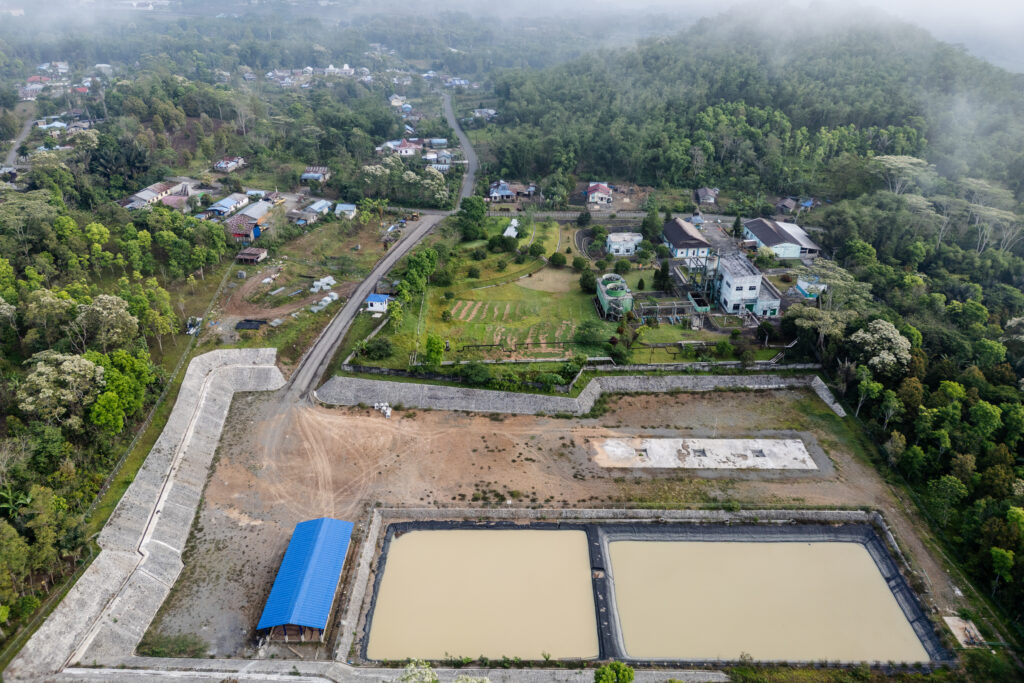
About 150 kilometers west of Mataloko, the Ulumbu geothermal power plant is set to expand from 10 to 40 megawatts with support from KfW (German Development Bank). This expansion requires new drilling. At the site, boiling bubbles rise from the muddy ground, smoke escapes from the former riverbed and mountain slopes, and the smell of rotten eggs lingers in the air verbally and in writing. Archbishop Budi Kleden has also urged the bank to halt further geothermal development. Stakeholders hope KfW will follow the World Bank’s example and withdraw from financing the project due to ongoing controversies.
In response to an inquiry, the German bank KfW issued the following statement: “KfW has suspended financing for the planned infrastructure projects in Ulumbu and Mataloko. PLN has contractually committed to KfW to observe and comply with international environmental and social standards. Due to the protests, KfW has reiterated its request to PLN to implement the necessary processes in accordance with World Bank standards and has recommended measures to improve the information and consent processes for the local population. The project developer is currently working on this. This will take some time.” Despite this, the people of Mataloko and Poco Leok will continue to demonstrate against the two projects. WALHI, an environmental advocacy NGO, urged all local governments and communities in East Nusa Tenggara (NTT) to oppose the policy to develop geothermal projects. The central government’s policy is seen as failing to reflect grassroots aspirations.
With the drilling rig looming nearby, the future of the indigenous communities of Poco Leok and Mataloko remains uncertain. Instead of bringing prosperity, the promise of clean energy has left their living space at a standstill. The compensation offered does not match the loss of their traditional lands, dried-up springs, or withered coffee plants.
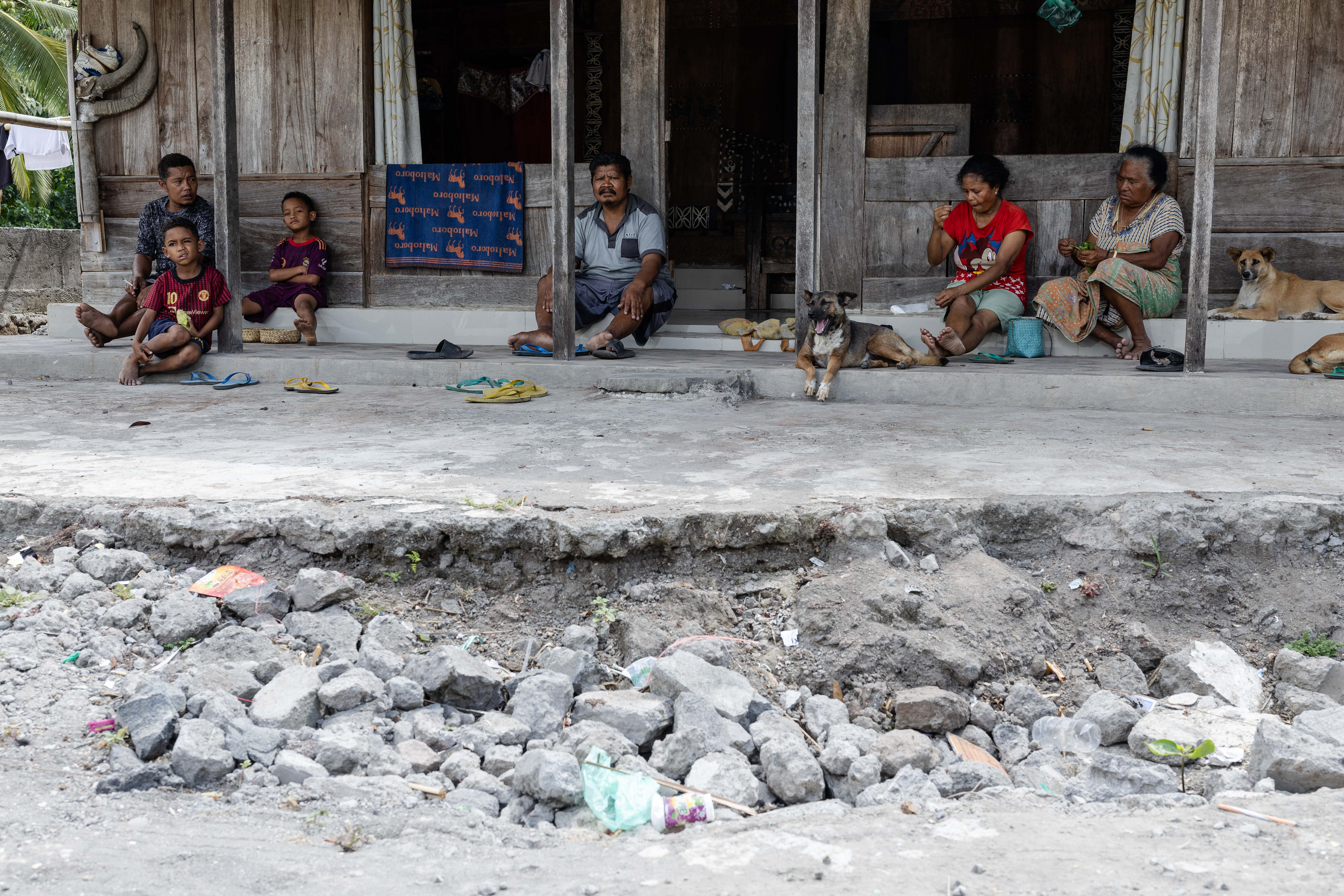
When mediation ends without agreement, and opposition is ignored, local residents must cope with social trauma and the constant risk of environmental harm. In the end, the geothermal project in Flores is not just about energy transition. It is a sad irony that indigenous communities pay the price so other cities can have electricity, while their own homes grow darker and their way of life is at risk.
The debate over the geothermal project goes on, with the government facing opposition from the church and the local community. People are still waiting for the government to deliver on its promises.