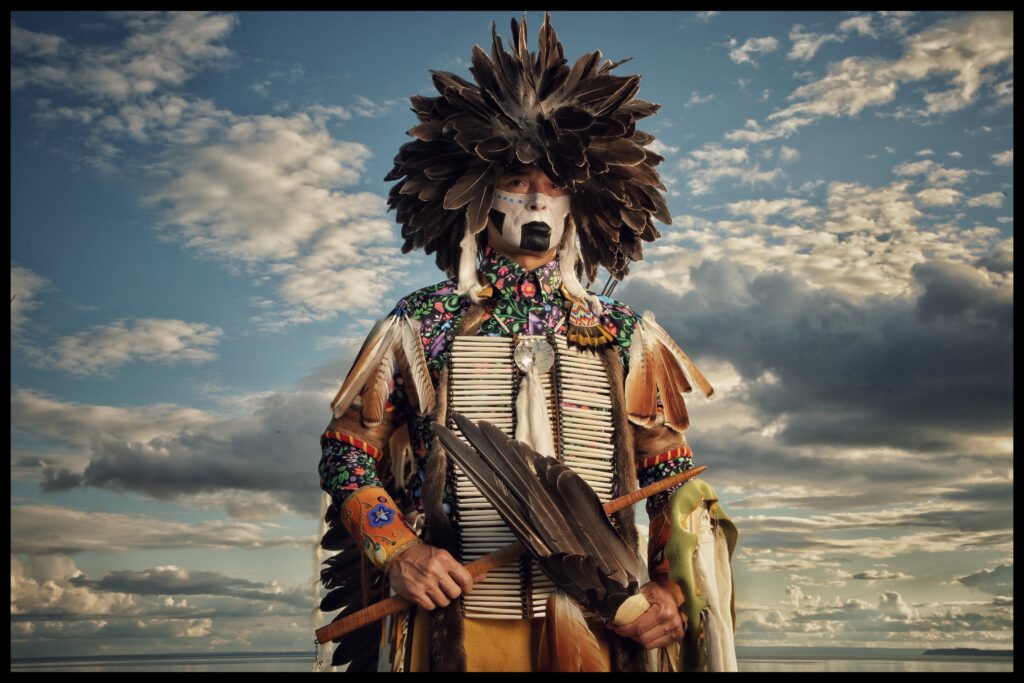
Chris Rainier is a Royal Geographical Society Fellow and a National Geographic photographer and explorer. He started out his career as Ansel Adams’ last photographic assistant and is known for his documentation of Indigenous cultures and languages around the world. For over 15 years, he co-directed a programme at the National Geographic Society documenting endangered traditional knowledge and language. He has published six photography books focused on the documentation of traditional Indigenous communities. Rainier is presently working on a multi-year project photographing Native American and First Nations communities across the US and Canada.
Olivia McKendrick is from Cambridge, England. A lawyer by background, she worked in London, New York, Hong Kong and Shanghai and was a corporate partner at Linklaters, one of the world’s largest law firms, before life took an unexpected turn. Alongside Chris Rainier, she is the co-founder and Director of The Cultural Sanctuaries Foundation and oversees the charity’s projects from Mexico, Peru and Canada to Mongolia, Polynesia and Papua New Guinea. The Cultural Sanctuaries Foundation is a US-based 501c3 non-profit focused on supporting and protecting endangered cultures and languages in double hotspots – where both culture and language and biodiversity are endangered.
Rainier and McKendrick will be speaking at Summit Photo: the Royal Geographical Society’s annual photographic event, featuring talks, exhibitions, and workshops with award-winning photojournalists, artists, filmmakers and explorers on how image-making can shape today’s world. Summit Photo will take place at the RGS in London and online, from 17-19 July. Booking and details available at rgs.org/events/summit-photo.
Icarus Complex Magazine’s Digital Producer, Madeleine Bazil, spoke with them ahead of Summit Photo. This conversation has been edited and condensed for clarity.
Madeleine Bazil: I wonder if, in your own words, you could give me an introduction to the foundation and the work that you’re doing. I would love to hear from you how it came about. What was the genesis of formalising this work? And the mission, and what you’re doing at the moment with it.
Chris Rainier: The seeds began in the early 1980s. At that point, I was invited to work with Ansel Adams, the great landscape photographer and conservationist of the twentieth century. I had a myriad of responsibilities, one of them being assisting him with the use of his photography in the conservation movement. Ansel had a long history of working with the Sierra Club, the Wilderness Society and many other conservation groups and helping preserve the American National Parks: Yosemite, Yellowstone, Big Sur. His philosophy, which I believe in strongly, is that the power of photography is the power of hope and promotes conservation by showing the beauty of what we have on the planet. Whether that be landscape, or, in our case, culture. The two are woven intricately together. You cannot separate us humans from the planet, let alone the traditional peoples that are the protectors of the land. I came out of that five-year experience working with Ansel with the philosophy of wanting to spend the rest of my life documenting not only landscapes and pristine wildernesses but the people that live in them. It’s their long history, empirical knowledge and true understanding of sustainability that is at the heart of what Olivia and I do now at The Cultural Sanctuaries Foundation and also that is a crucial part of the conversation around climate change and mitigation today.
I spent the following two decades documenting Indigenous and traditional cultures around the world and then in 2000, I was invited by the National Geographic Society to co-partner a programme on traditional knowledge. We spent twenty years working in areas in the world where Indigenous culture, tradition and language were endangered. Through that experience, I began to really focus on traditional knowledge and conservation. I saw the conservation movement on one side and the Indigenous rights movement on another and the two, it seemed to me, weren’t really coming together. Many conservation organisations do really good things when it comes to working with communities. They set up training programmes for local Indigenous people to become park rangers, they build schools, they build hospitals. But sometimes they miss the essence of that relationship, which is the culture itself and its traditional knowledge around ecosystems, whether reefs or wild lands in Mongolia or Brazilian tropical rainforests. There was a whole knowledge base there that wasn’t really being understood and was under-utilised. When Olivia and I went to the Paris Climate Conference in 2015, I was invited to bring a group of Indigenous elders speakers to talk about the importance of traditional knowledge. We realised again there was no one working in that space where conservation and culture come together. So over a glass of red wine and some good French food, we decided to form The Cultural Sanctuaries Foundation.
MB: Olivia, you have a background as a lawyer. How does your skill set play into the foundation?
Olivia McKendrick: If Chris’s history has been immersed in everything relating to Indigenous peoples, wild places and photography, mine was very much not. Mine was sitting in an office working as a lawyer and I loved that. I did it for 24 years. But I look back now and I realise that I never looked up and out very much. I never thought about where the water was coming from in my tap in London or where the gas was coming from when I started the engine in my Mini Cooper. It just wasn’t my world. And I didn’t know much about Indigenous cultures to be honest. I probably knew that they were at the forefront of climate change but I didn’t realise their importance as guardians of the world’s remaining biodiversity. Fast forward. Chris and I met on a plane and life took a fork in the road, and I left my law career and we joined forces in many different ways, as life partners but also with Cultural Sanctuaries.
I was at one law firm, Linklaters, for all those years, the first chapter of my professional life. And this is my second chapter. Chapter two wouldn’t really have been possible without chapter one. And what I found out was, even though I didn’t have a history in the non-profit world or the conservation world or the Indigenous peoples world, the skills that I had could be transferred. A lot of what Chris is naturally brilliant at, I’m less good at. Some of the legal skills that I have, and strategising, negotiating and pitching skills, are actually really useful for what we’re doing. So coming together and working together, we think we make quite a good team.
CR: We are creating relationships with Indigenous peoples and creating cultural centres under the umbrella of the Foundation. Olivia’s skillset is absolutely essential to that. It’s great having a lawyer in residence!
OM: What really struck me was that while conservation is quite tangible, the concept of cultural and language revitalisation is rather intangible. What actually is cultural revitalisation? What does that mean? We feel very strongly that by creating cultural centres and, in that, by giving cultural revitalisation a physical, tangible, touchable home, good things can flow in and flow out, whether it be technology, economic opportunity, jobs, language, music, cooking, arts, crafts, dance, song, textiles… Having a physical home, in our case by creating a cultural centre, can really galvanise and be a catalyst for this rather ephemeral thing called cultural revitalisation.
MB: It’s very hard to quantify these things in terms of impact. It’s incredibly difficult, especially with funders, to come up with real material proof that shows the needle moving. So I think it makes complete sense to try and physicalise and visualise the work for the community itself. Are there any interesting examples you could give of impact that it has had on a community? You speak on your website about this idea of these ‘double hotspot’ places – the idea of that intersection between culture and language and biodiversity. I’m curious: in practice, what does that link and that dialogical relationship look like?
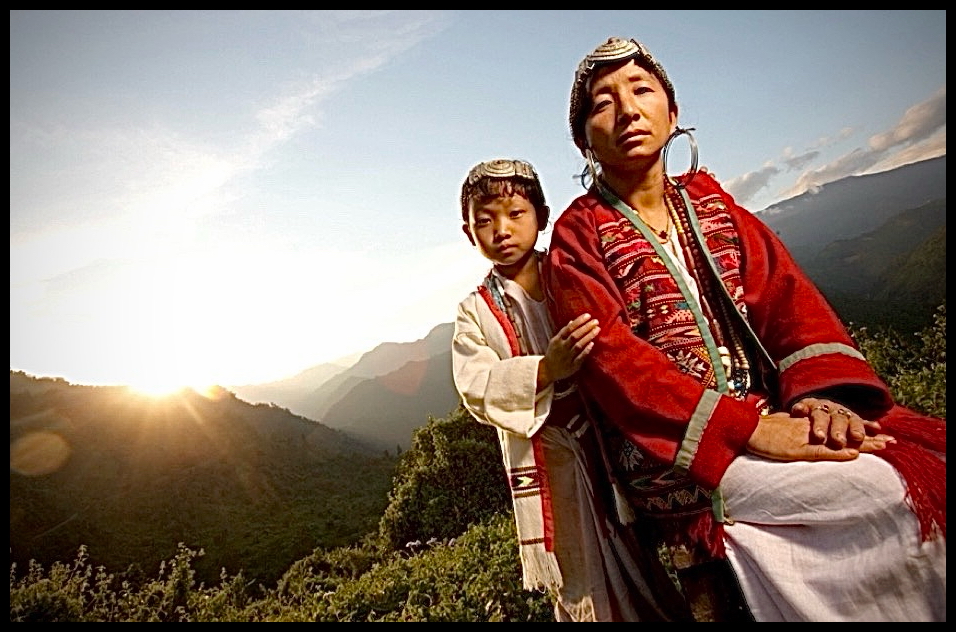
CR: I’m happy to say that our cultural centres have been very effective. The first one we created was in Bhutan, a remarkable country. We always try and work with local NGOs and in Bhutan, we collaborated with Her Majesty the Queen Mother and her Tarayana Foundation. We worked with them and with the Olep people, the oldest Indigenous group in the country, to create a community cultural centre in a beautiful valley called Rukha.
OM: There were three speakers of the oral Olep language when Chris and I first visited Rukha. Two of the speakers were in their eighties and one of them was very frail and blind. He’s since passed away. The youngest of the three speakers, Kuenga, was 64. No one else spoke the language fluently. No one else knew the names of the local plants in their original language or of their medicinal qualities. So working with a team, and with the local community (led by one of the local teenagers who was really interested in the language and really wanted to learn but didn’t know how to), we created the first ever dictionary. And now the Olep language is being taught to all the local kids with Kuenga as their teacher. That language now has a chance; it now has a future. With Tarayana, we helped the community promote itself to bring in tourism and they started to apply for and get micro-finance loans to start new small businesses. A new road has brought the community closer to markets for their produce and, at the same time, technology is allowing the Olep to stay in their village while doing business beyond its boundaries. And the kids who were leaving the valley because they thought that there was little hope of jobs there, who didn’t want to leave but felt they had no choice, are now coming back because they see opportunity. The Bhutanese government has been so pleased with the impact of the project, not only on the Olep language but on local culture, pride and economics, that they have created a national park around it and they are replicating the project’s model to build cultural centres in 21 other areas of Bhutan. So the seed that we sowed has really grown into something we’re incredibly proud of.
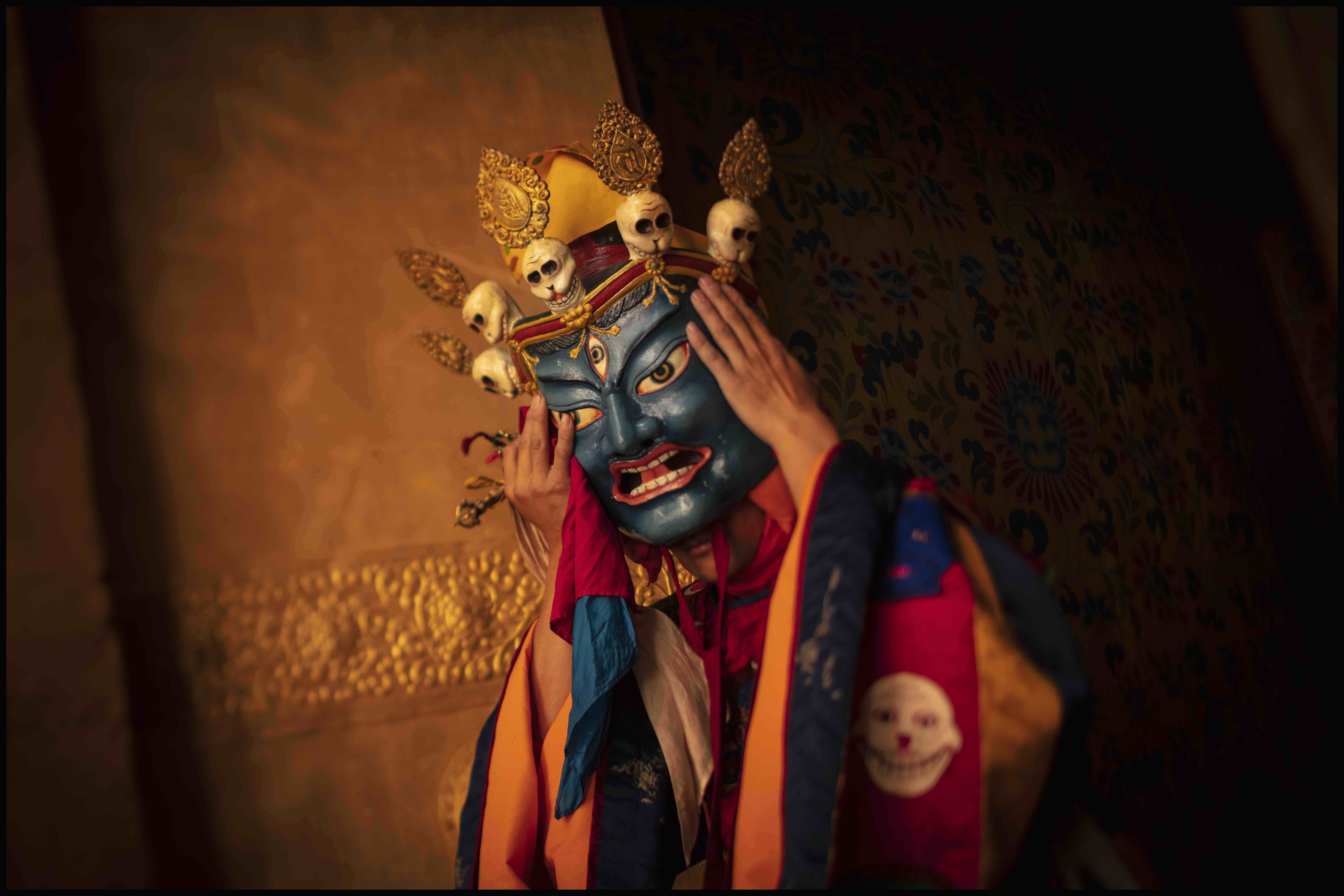
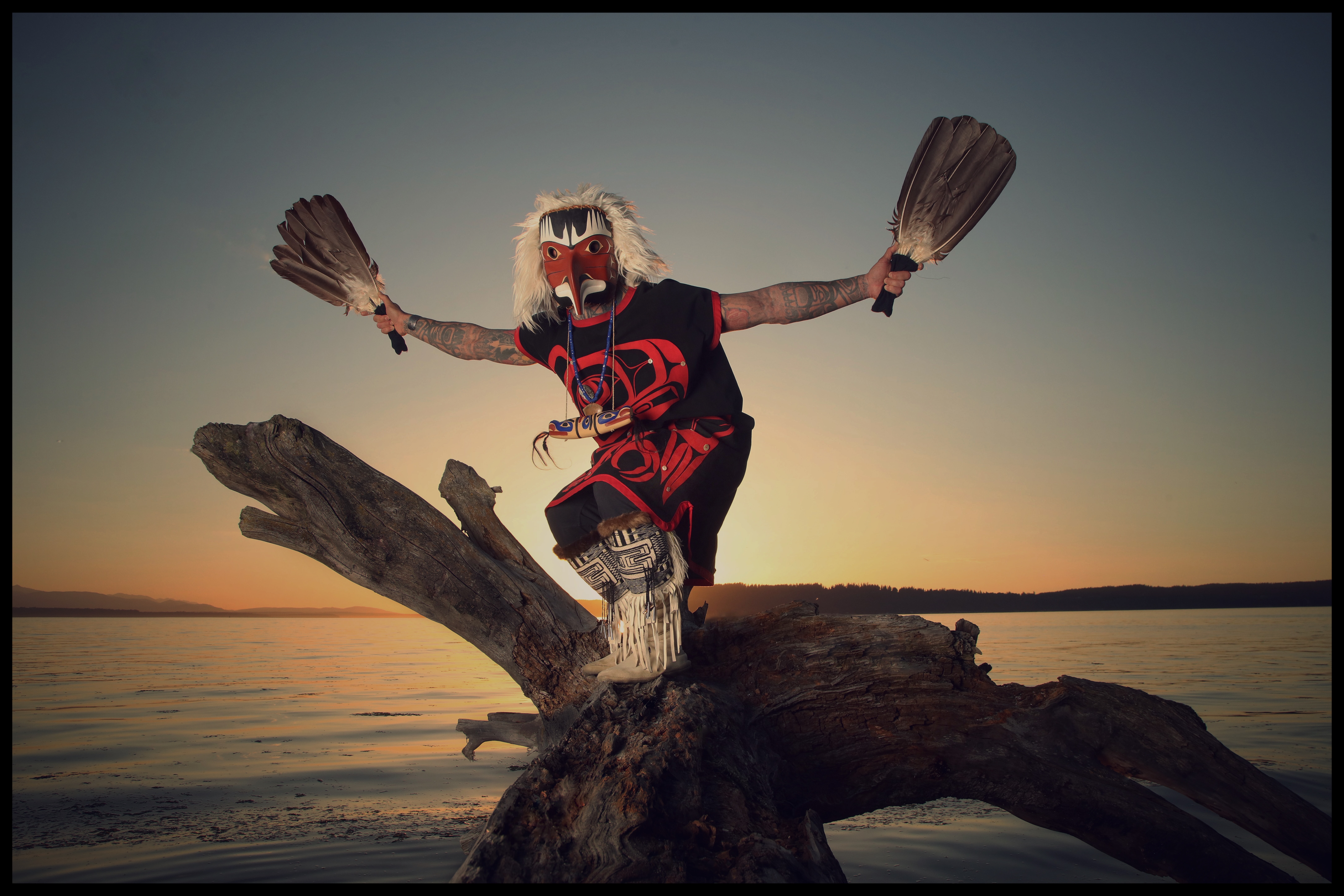
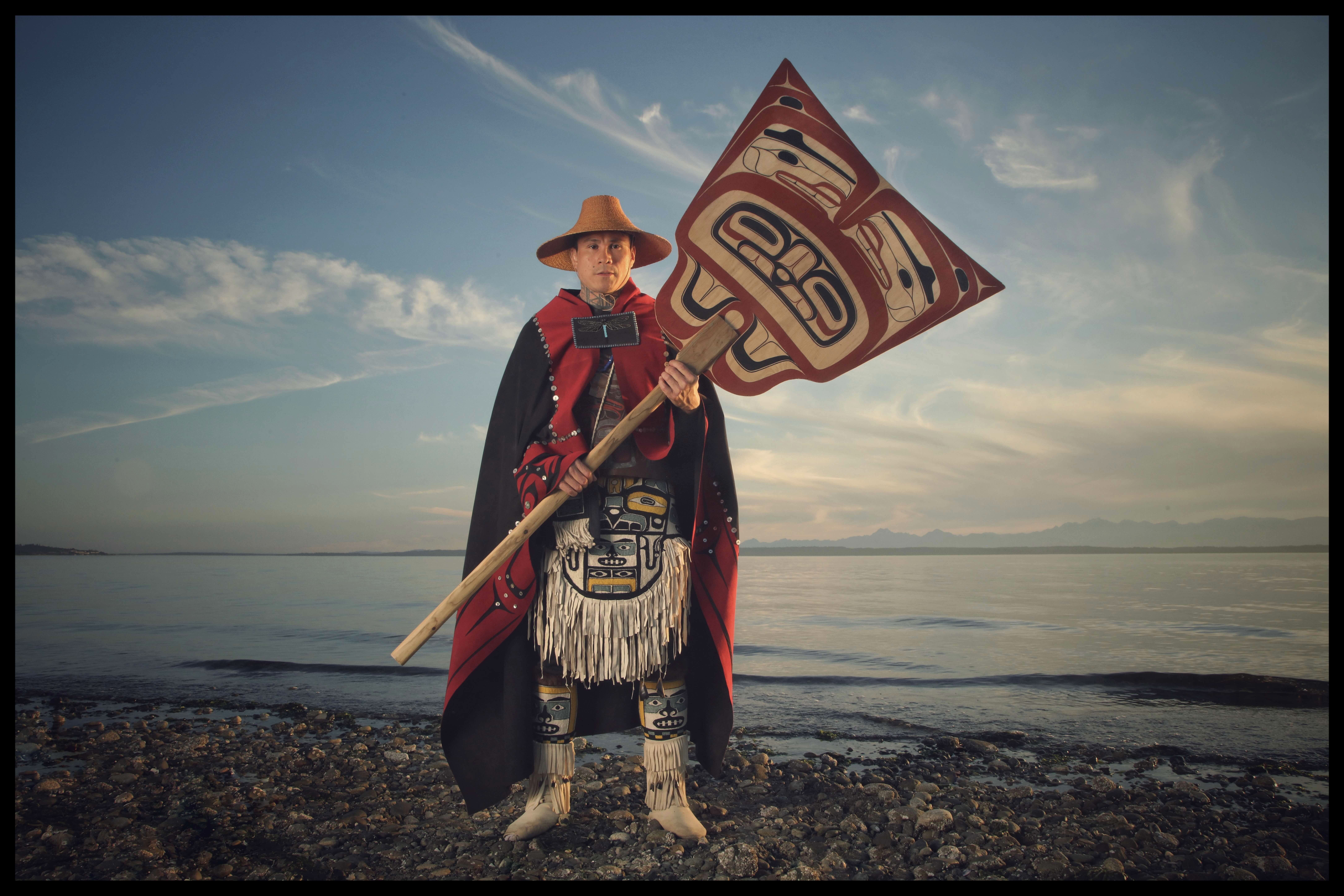
CR: Knowing that our approach worked, we set about creating similar centres in other hotspots – where culture and language, on the one hand, and biodiversity, on the other, are under threat of fading away. We have projects in, among others, Mongolia, Mexico, Papua New Guinea, Ecuador and Peru, and in my home country of Canada where we work with the Kwakwaka’wakw, a small First Nations community on the British Columbia coast. We only work in communities where A) we’re invited and B) they have made a choice that they want to protect their culture, preserve their language and save their traditional knowledge.
OM: We should tell you more about our project in Mexico. You may have heard of the forest mountains to which the Monarch butterflies migrate each year. It’s a miracle of nature – each year ten of millions of butterflies fly thousands of miles down to the same spot in the same forest and they all arrive basically on or around the same day, which happens also to be the Day of the Dead. The local people feel the butterflies are the returning souls of their ancestors. It is a beautiful natural phenomenon. But sadly, the butterflies have been under threat, not only because of climate change but also due to local logging and other destruction and deterioration of the forest. There is a UN Biosphere protecting the butterflies but the forest around it is still at risk. The Indigenous Mazahua people living in the area have historically had very little economic opportunity and little help and when we first started to meet and talk to the community (in a small Mazahua town called Crescencio Morales), they talked with sadness about the loss of cultural identity. They had been told, as so many Indigenous groups have, that they should speak the national language, in their case Spanish, and not their own indigenous language, in their case Mazahua. Young people were not speaking or learning the language and their connection to their culture and their land was diminishing. They also talked about their fears for the forest. They wondered about what could be done to help. We see ourselves as a catalyst. And we knew straight away that we wanted to work with this community – they were so welcoming and so strong, proud and hard-working and so passionate about wanting to save their culture and the mountains around them. So we teamed up. Together, we built the new Casa de la Cultura Mazahua, a community cultural centre right there in Crescencio Morales. It opened last autumn, four years after our first visit to the community. Now, the village is fizzing with pride and there’s so much going on and the people are energised. They are so excited to have tourists come to learn about their culture. They are eager to sell their textiles, sell their arts and crafts, showcase their music and dance and show off their amazing cooking, honey and medicinal plants. All of this has bubbled up around the cultural centre. We also started a language programme and so far 180 adults and kids have learned the Mazahua language and it’s spreading. Happily, the butterflies had a really good winter this year too, in part because the Mexican government has done a good job of bringing in, and enforcing, new regulations. And this goes to our whole philosophy: that if you protect the culture, you protect the land, and vice versa. This is why we work in double hotspots. Culture and Nature go together. They are intertwined and interlinked. The land protects and provides for the people and when you can lift up and help support culture and language, Indigenous peoples are empowered and enabled to stay with and look after their land. It’s a win-win for everything.
MB: Right. It’s supporting the people who are the stewards of that land.
CR: Exactly. And that’s our tagline: protecting the protectors. Indigenous communities are the protectors – of their culture and of our planet. They’re the guardians. And we think that if you protect culture and language, if you help people to protect their home, then in a way, nature will look after itself.
MB: Do the centres sustain themselves after the initial period?
CR: Yes. We collaborate, we help build, we serve as a catalyst but we are not making the decisions. The community knows what they need and what they want and the community centres are built by the community for the community. And as soon as we can, we’ll step back. Our centres are designed to be financially self-sustaining after a period of time. So each has to have a sustainable economic model at its core: whether that be in the sale of arts and crafts, textiles, produce and food or in tourism or all of the above.
OM: For example, in Mexico, there’s a significant tourist industry which revolves around going to see the butterflies. Our mission, which is unfolding successfully, is to channel some of that tourism – in an appropriate way so it is never too much and not overwhelming – towards the Casa de la Cultura Mazahua. And the Mazahua community really deserves it and deserves for people to come to learn about and experience their culture and traditions and to see the stunning landscape around them. Yes, to see the butterflies take to the air – a sky of orange in flight – is wonderful but there is so much more to this area and so much more to celebrate and cherish.
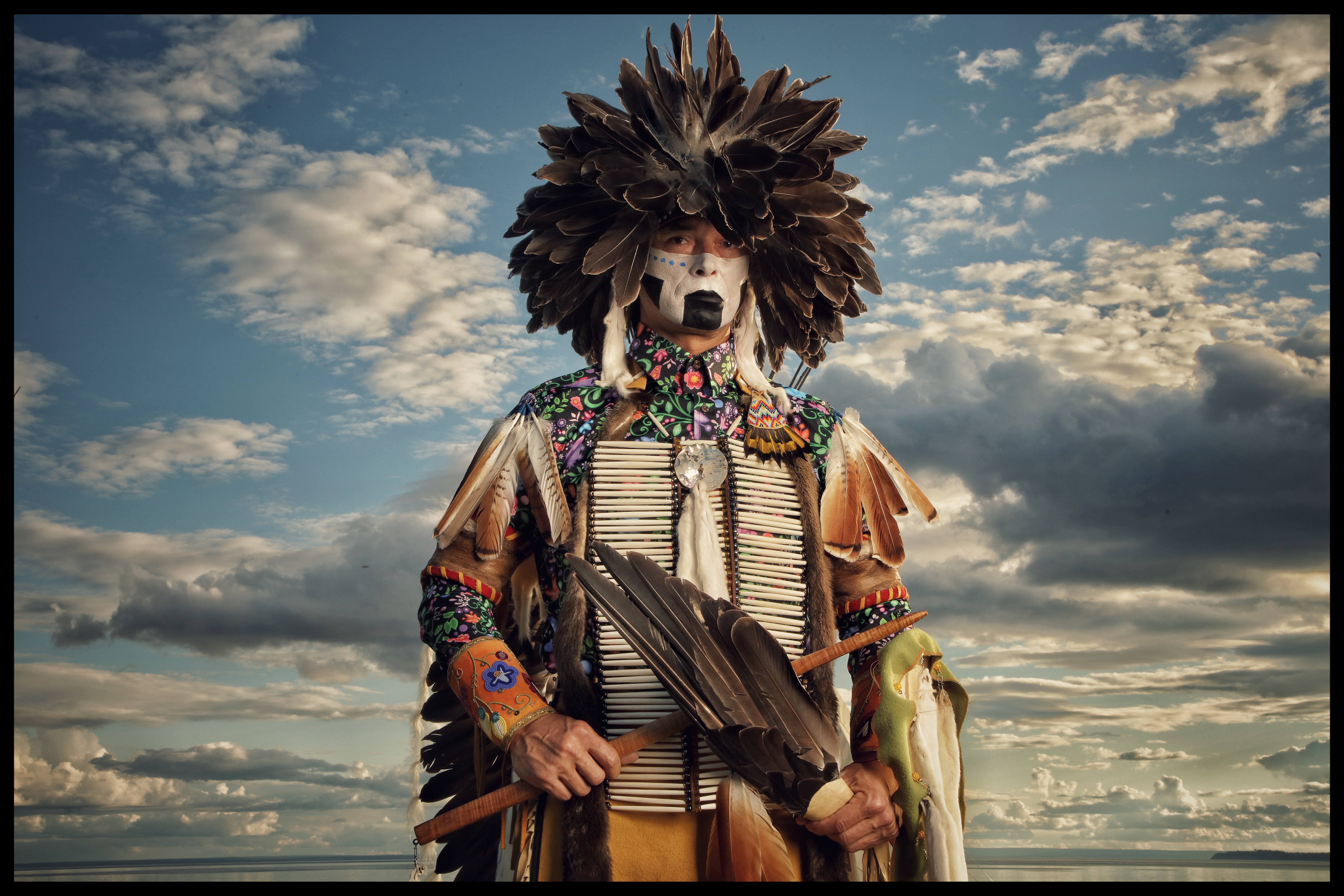
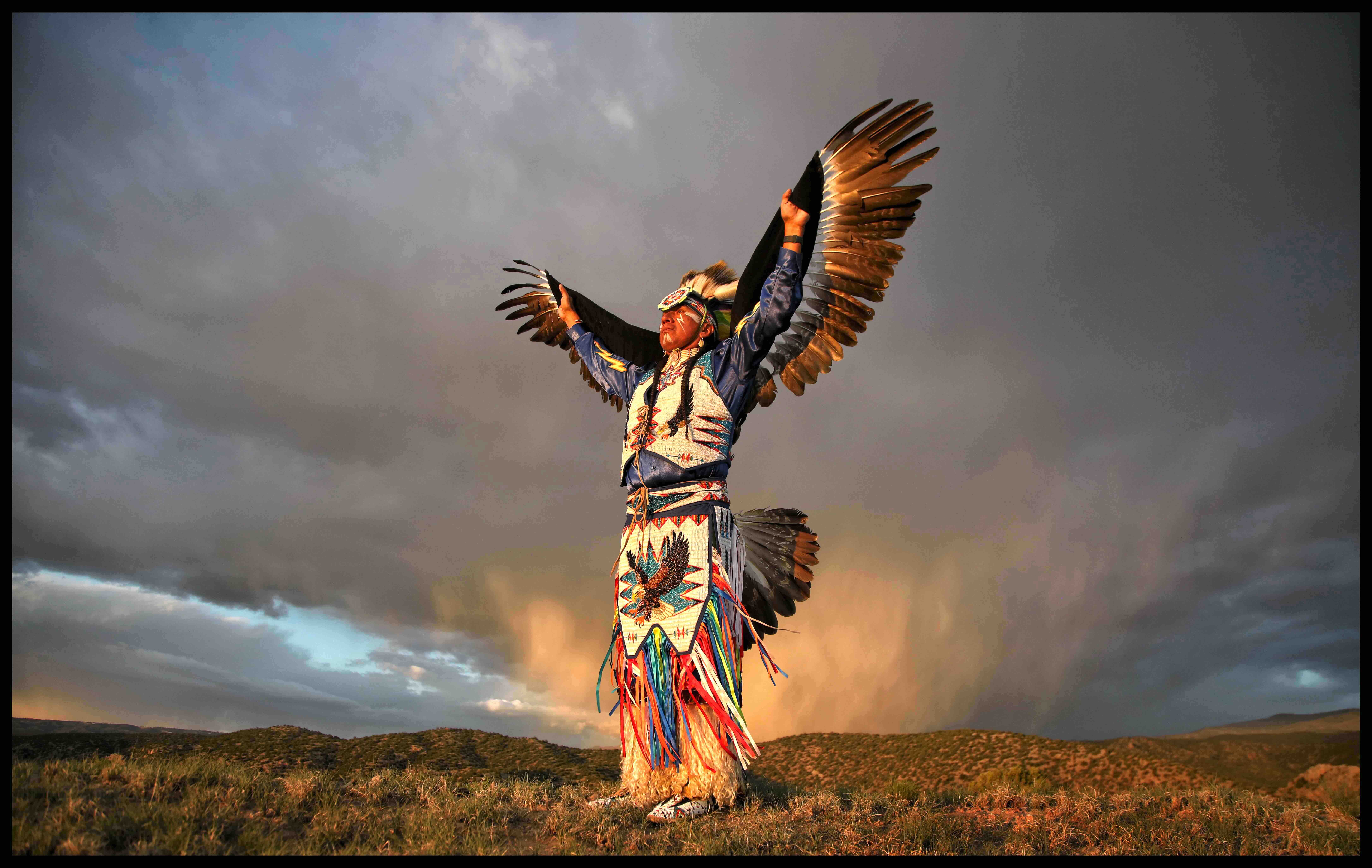
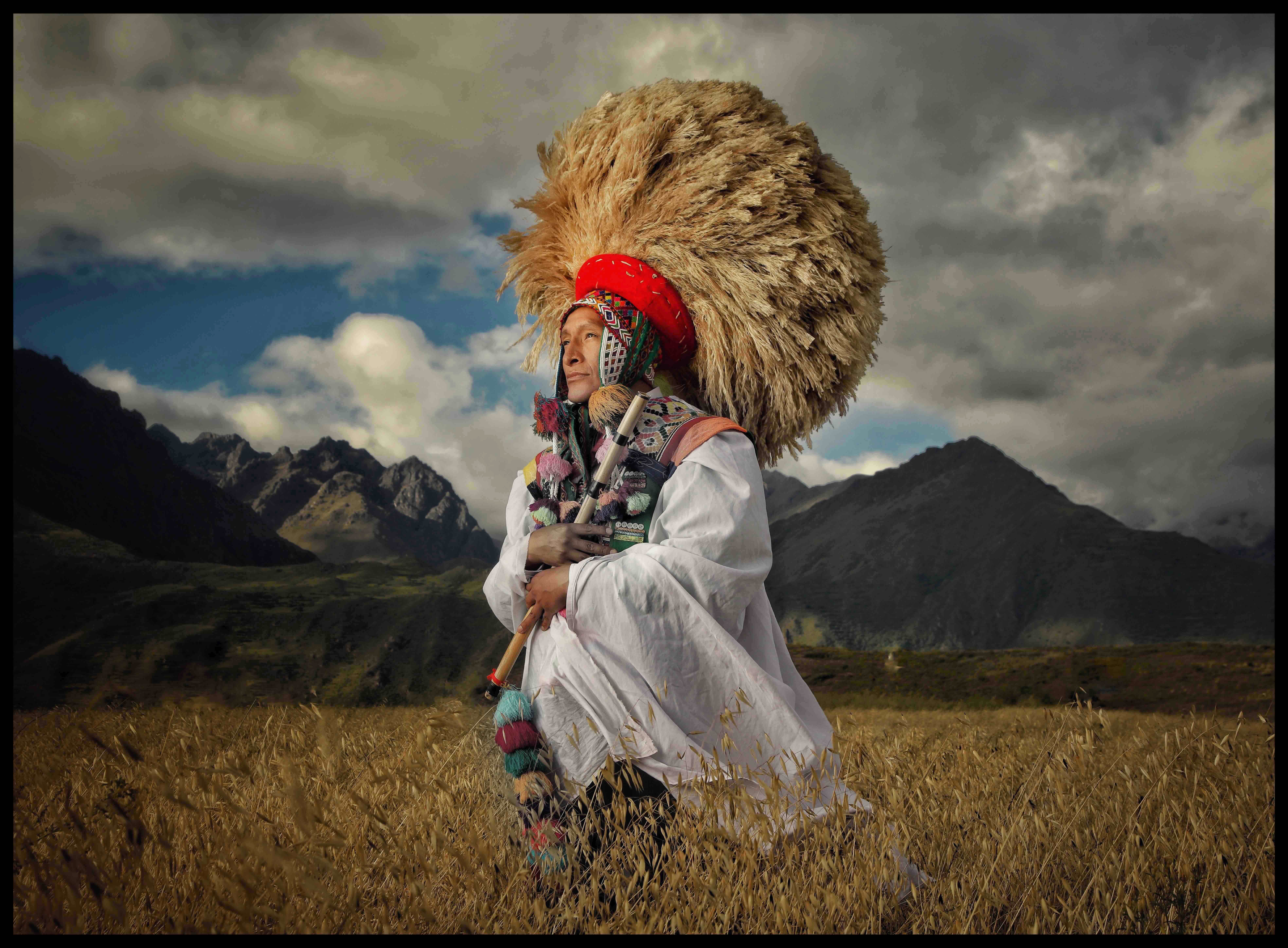
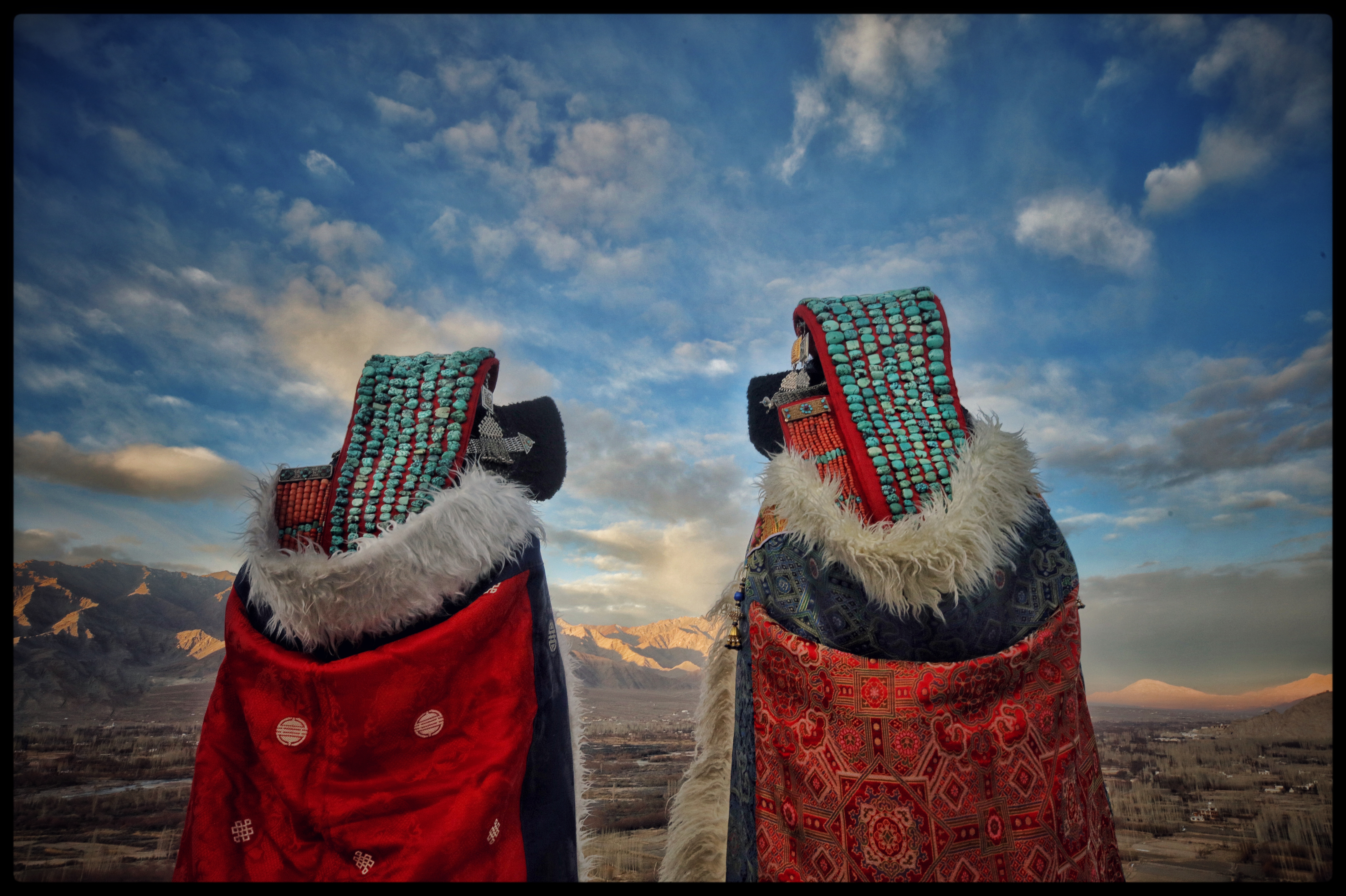
CR: Another crucial part of it, and since we’re talking about the photographic forum coming up at RGS, is photography. It’s woven into everything that we do. Apple has been kind enough to supply us with some equipment for recording audio, video and still photography and computers to archive it. As a photographer myself, what I like to do as part of every one of our projects, not least as it can serve as a catalyst for instilling a lot of pride, is to photograph the local elders and other culture bearers in the community. The teachers of the language, those that know the local medicinal plants, the farmers, the traditional cooks, the dance groups, the musicians, the singers, the weavers, the artisans and so on. We then put those photographs up on the walls of our centres so that when the community walks in and when the children look around, they see those strong cultural carriers and influencers and say “this is our place,” ‘this is our culture,’ ‘this is something to be proud of’.
MB: The young people that you’re teaching in these workshops, what are they then going on to do with their own photography practice?
CR: The youngsters all have phones. We help with photography and video workshops and the communities don’t need us to tell them the power of photography and storytelling. In our project in Alert Bay in Northern Vancouver Island, for example, there is a fantastic young group that are working with video, stills and audio and who see it as a race against time to document a lot of the stories of their grandparents and other elders. There are now only eleven fluent speakers of the Kwakwala language – all in their 70s and 80s. It’s a race against time to document and archive it. The community is dedicated to and working hard at doing this to protect the language, stories and traditions for future generations.
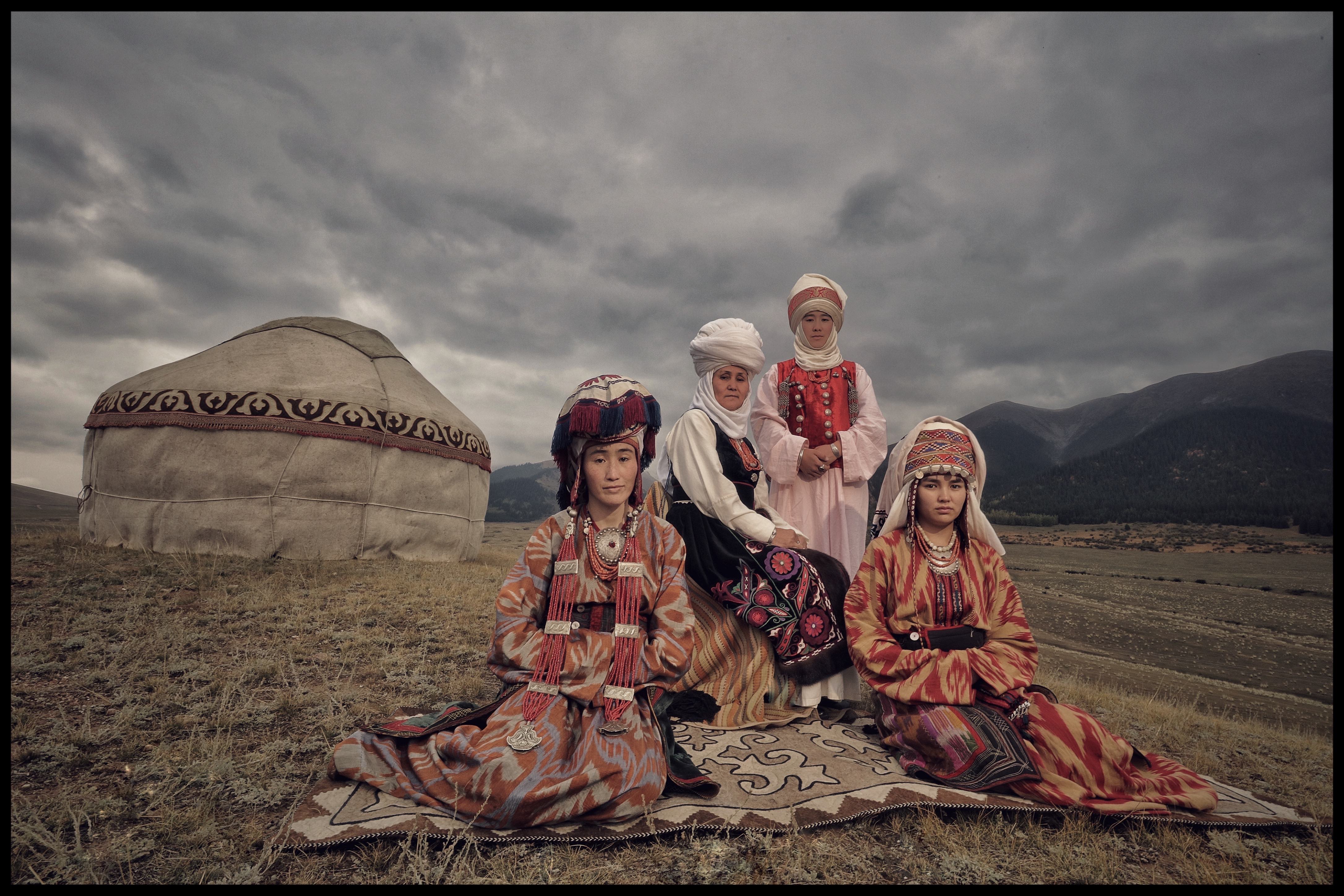
OM: We said earlier that we tend to always start by talking to the elders when we’re invited into a community. We sit down with the elders first because that’s what is appropriate. But we always tend to identify and work with young community members to actually run the centres, because they are the ones who hold the keys to their future and it is they that will energise it. They’re using their new photography and video skills and iPhones to run the social media campaigns for the centres and for the community. So they’re literally taking the new skills they’ve got and new ideas that they’re generating partly to draw in tourism but partly for the community – perhaps mainly for the community – to record their grandmothers talking, to video the traditional songs, to showcase the traditional dancing, to share the traditional recipes and to understand the forest around them.
MB: That’s incredible because I think often when we think about community archiving, we think about it in the past tense. We don’t think about the community getting to reap the benefits and celebrate.
OM: The cultural centres that we create are all different but one thing that they are not is the past. They’re about the future and the present. They’re meant to be fun places. They’re meant to be vibrant and popular and full of kids running around and full of people cooking and weaving. They’re not a dusty museum that focuses on the past because the whole point is that these Indigenous communities are here in the 21st century and their culture is alive. And they’re everything that’s ‘modern’: they’ve got bills to pay, families to care for and social media to scroll through. Everything is evolving and revitalising.
CR: In a lot of conversations and conferences, people are suspicious of technology as it relates to traditional culture. In a way, I find that’s sort of another form of colonialism, as if we were the deciders. Everybody’s using phones in the jungles of New Guinea and on the isolated steppes of Mongolia. Technology is everywhere and what we are finding over and over again is that people are using it for education, for empowering women, for routes to market for business ideas, produce and crafts and for accessing online medicine. It opens up the world and it democratises so no one gets left behind.
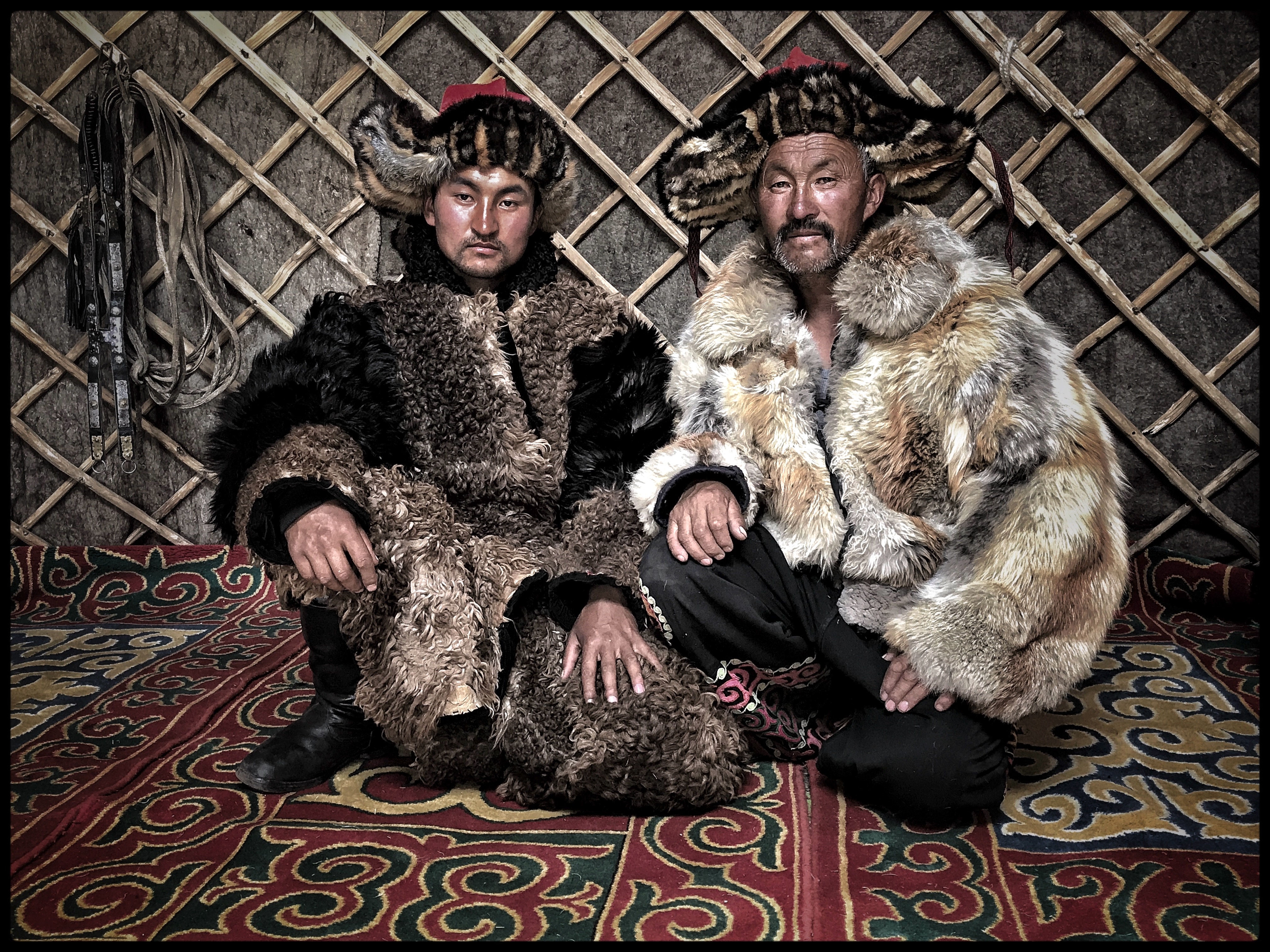
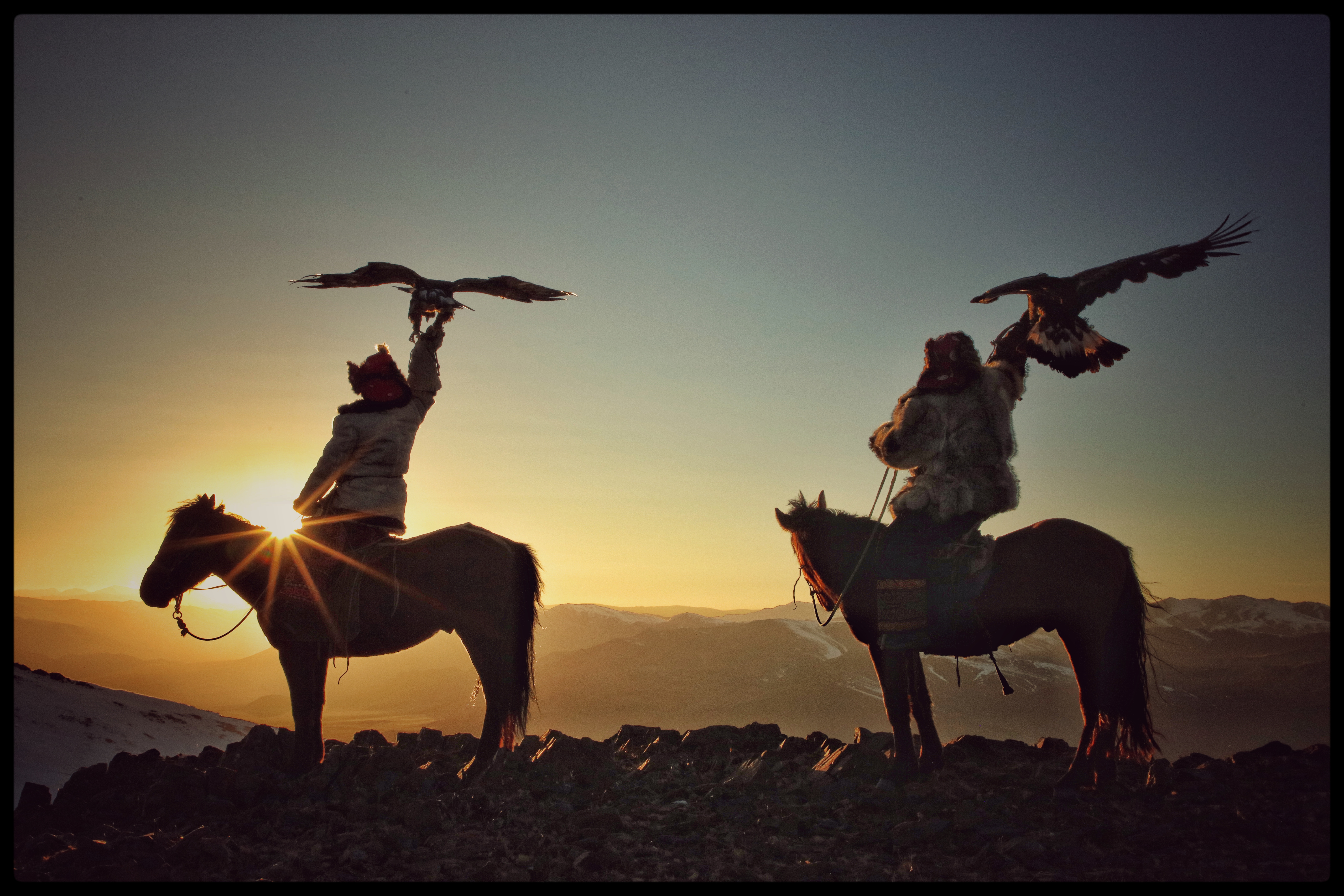
MB: It’s sort of cultural fetishisation to demand that some Indigenous community must remain within some Western ideal of the past, of how they must have lived. The reality is that people deserve the means and the autonomy to do the things that are important to their community. How would you define success for a centre in particular, or just for the organisation more broadly? To me, it seems like this whole conversation around technology – it’s a tricky one, right? It’s still within the paradigm of our Western culture’s parameters and ability to engage with another culture. Looking beyond that, what would be the ultimate end goal?
OM: I always think about one of the things that Chris told me when we first met, and which still saddens me so much: that a language dies every two weeks. Isn’t that incredibly heartbreaking, a language dying? I just can’t fathom what it must feel like for that last speaker. With no one left able to understand them, with no one to talk to in their mother tongue. Like the last bird of a species in the forest singing out and there is no other bird left to reply. How must it feel to know that you’re the last speaker of your language? You asked about our ultimate goal. If we could wave a magic wand and not have those languages die (24 languages dying a year; an equivalent of burning down libraries of knowledge and countless stories), that would be our dream.
CR: And so many of these languages are oral. Of the 6,000 languages on the planet, two-thirds are oral.
OM: So little of the philanthropic money in the world goes to Indigenous communities. You could spend millions protecting a grassland or a wetland. And of course that is important. But if the people whose lives support it and who it supports are not there, then the protection can sometimes be quite short-lived. So we feel that the philanthropic money of the world should pivot to focus more on Indigenous culture and language, because that underpins so much conservation.
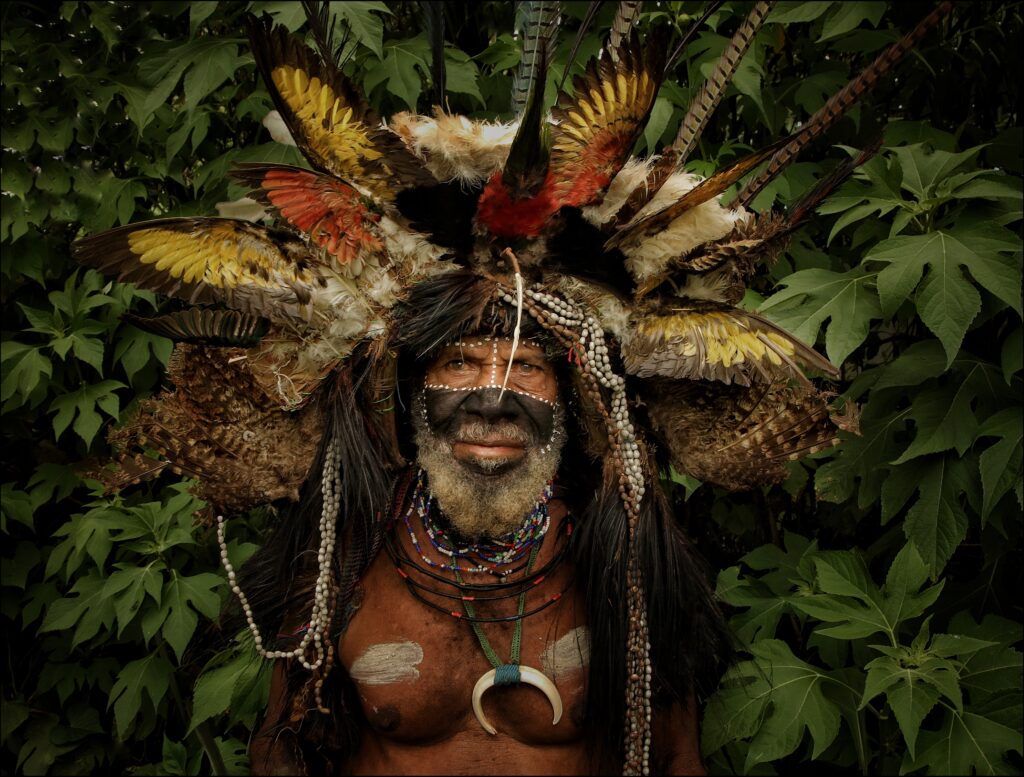
CR: Another way to look at it is that 85% of the remaining biodiversity on the planet is looked after and lived on by Indigenous people, who make up just 5% of the world’s population. So this 5% are crucial. When you think about it that way, it feels crazy not to be doing everything you can to support Indigenous communities and Indigenous guardianship. We would love to try and amplify that message and get more people focusing on it. That’s our dream.
MB: Is there anything else that we haven’t touched on that either of you wants to make sure is included?
CR: I would add that the catalyst for this interview is the Royal Geographical Society, which I’ve been a member and a Fellow of for many years. In fact, my grandfather was a member way back. It is a very impressive organisation in so many ways but what I’ve also really appreciated is that within that concept of exploration, RGS has really honed in on the climate issue. You cannot go climb a mountain, you cannot paddle backwards across the Pacific Ocean and just do it for yourself or for the sake of it. That era is over and now it is an era of collaboration to protect the planet. An era where when we explore, we do so to learn and to connect and to save. And in fact, as a side note, one of my main jobs while at National Geographic was to try and rectify a legacy of colonialism – the concept of the white explorer. It was all about bringing in storytellers and photographs from around the world. We needed then, and we need now more than ever, storytellers and explorers and scientists and thinkers and problem-solvers and conservationists and traditional wisdom-keepers from every walk of life and from every part of the world to come together and to join forces. I’m pleased to see the Royal Geographical Society focusing on climate issues and all of the conversations around that. What I’m also pleased about with this conference in particular is the highlight on photography as so crucial. Seeing is believing. When we pick up a newspaper or read an article online, the first thing we do is look at the photographs, which then emotionally get us involved and take us into the story. We are a visual species. We assess everything around us by the visual information that we get. I’m pleased that we’re getting at the power of photography as a social tool.
I had the great honour a few years ago to work with Jane Goodall. She was one of 38 people who contributed to a book that I did with my friend Terry Garcia called The Future of Exploration. When we interviewed Jane, she wanted to focus not on ‘the future of exploration’; she wanted to talk about ‘the future of hope’. If we lose hope, she said, if we begin to believe that there’s nothing left, that there is no wonderment and no future for Nature and wildlife, then it’s all over. I agree with her. I feel strongly that photography and visual storytelling are vital for that hope and that it’s important for all of us as visual storytellers to maintain that thread of hope for future generations. Kris Tompkins was another contributor to the book and, as you know, an incredible conservationist (what she has achieved is remarkable). She told us that she is pessimistic about the future but that she’s not complacent. Her pessimism is what inspires her. It’s what makes her fight. We have to take up that battle. I am optimistic at heart but I completely agree that we all have to link arms in that battle.
OM: The other thing I would add is that it seems to me that your whole philosophy at Icarus Complex is about trying to find solutions within what can otherwise feel overwhelming. That seems pick up on the theme of hope. It’s such an issue with the climate change crisis and conservation and also in the world of language and cultural revitalisation too. The challenge can seem so huge, such a mountain to climb, but what I feel, having been at Cultural Sanctuaries now for nine years, is more hopeful, not less and much more certain of the power and goodness of humans. One person can make a difference. Two people can make a difference. You build relationships. You team up with others. You partner with communities. You don’t focus on the difficulties but you focus on solutions and small steps, step by step. Then you look behind you after nine years and go, wow, you can actually get stuff done; we did something meaningful. I say that not to be self-serving or self-aggrandising. I just think it’s a message for young people, for anyone – perhaps a young lawyer sitting at their desk in an office who doesn’t think about where the water is coming from in the tap in their flat or the source of the petrol in their car: that if they choose to, they can make a dent in all of this crisis. I know that it sounds like a cliché but each individual can make a difference and if we all make our small steps, it can and will make a huge difference.
MB: Absolutely. That’s something we think about a lot in terms of the stories we programme because it’s a fine line. You don’t want to be reductive or patronising and think that one person recycling plastic is going to save the world. And I think we’ve moved on from that as a narrative. But then at the same time: people have agency. I think that’s what’s so important about the work that you’re doing; it really hinges on collaboration. We’re all a small drop in the bucket until we join forces, and then we’re a slightly larger drop in the bucket.
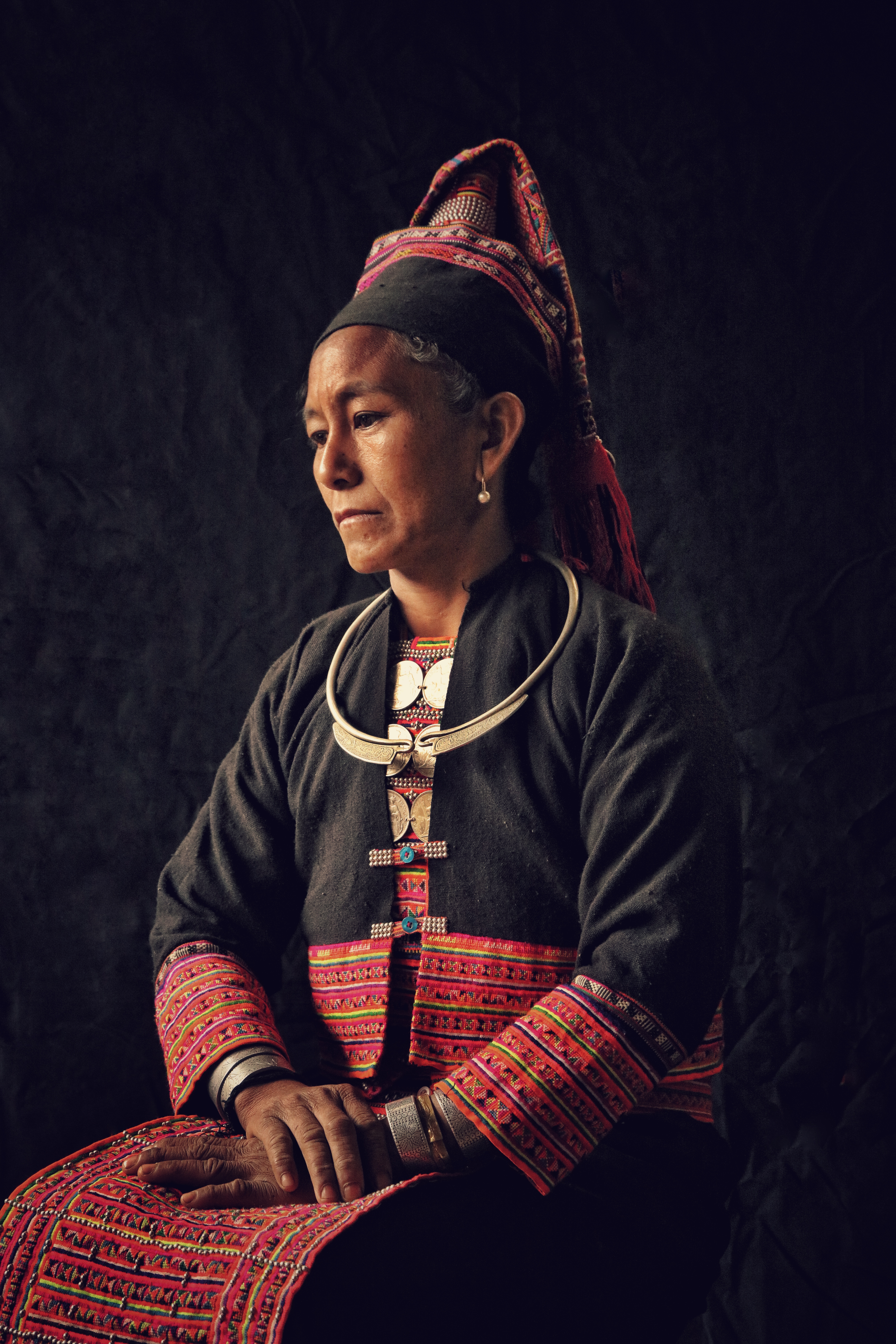
OM: Hope is palpable. Pride is palpable. You can see it and you can feel it. We can see it in the communities that we work with. We can see it in the Mazahua community in Mexico. We can see their power, their confidence, their self-confidence.They know now that they can make things happen. They know that they can stop the logging. They know that they can protect the butterflies. They know that they can protect their own culture, language and livelihoods. And they will.
MB: People are collective power. I think that’s a nice spot for us to end on. Thank you so much for taking the time. See you in London.
CR & OM: Take care. Have a good day. Bye bye.