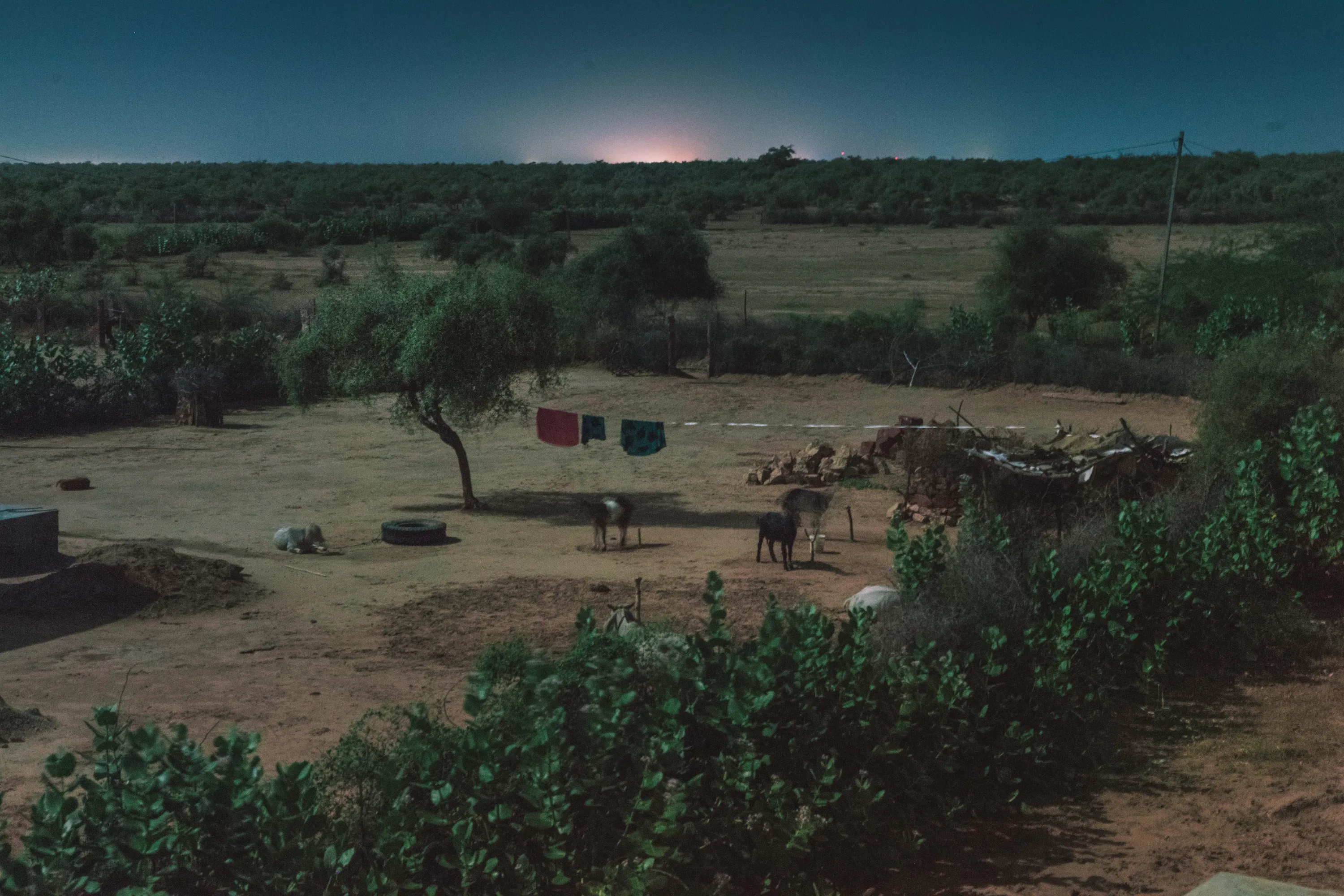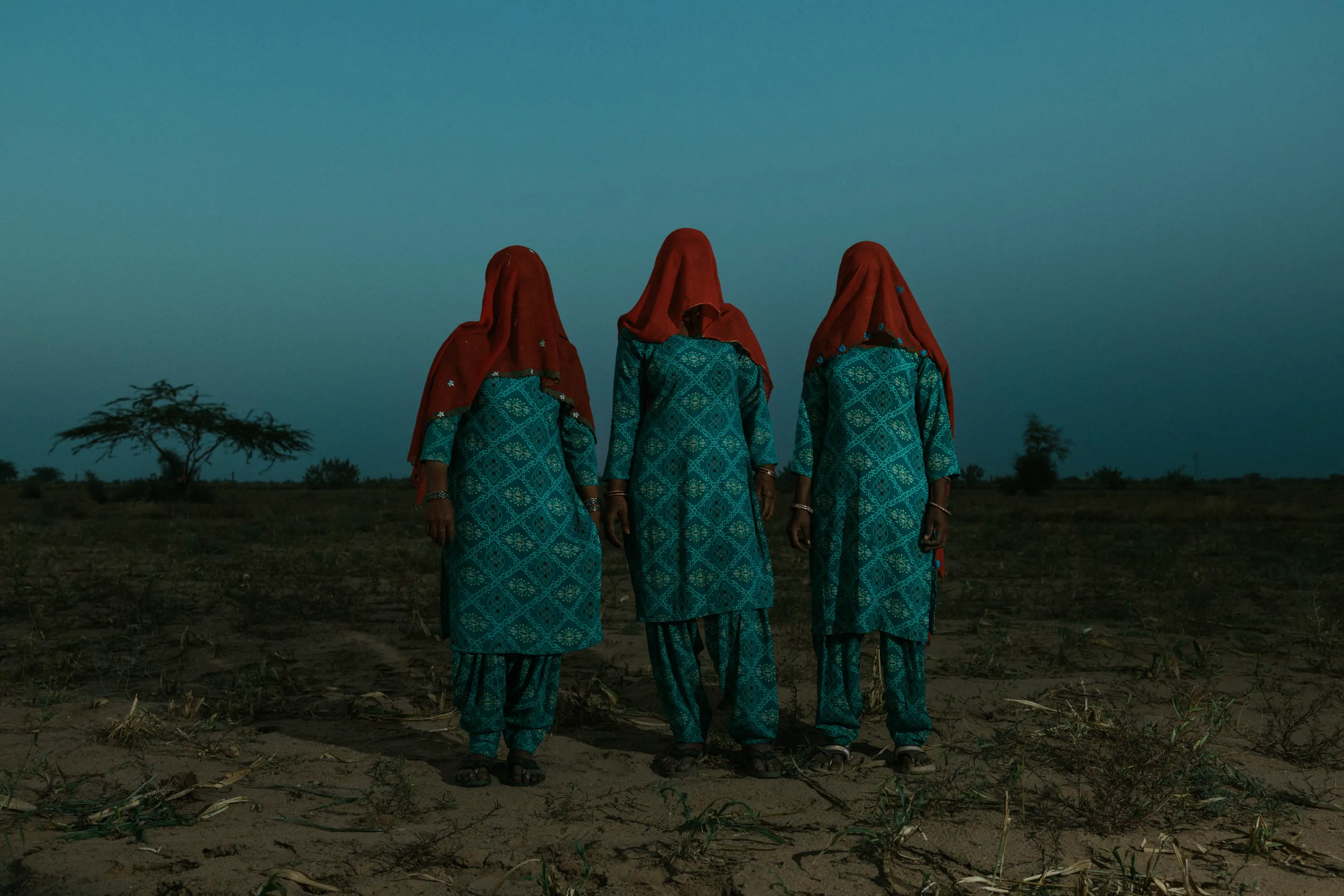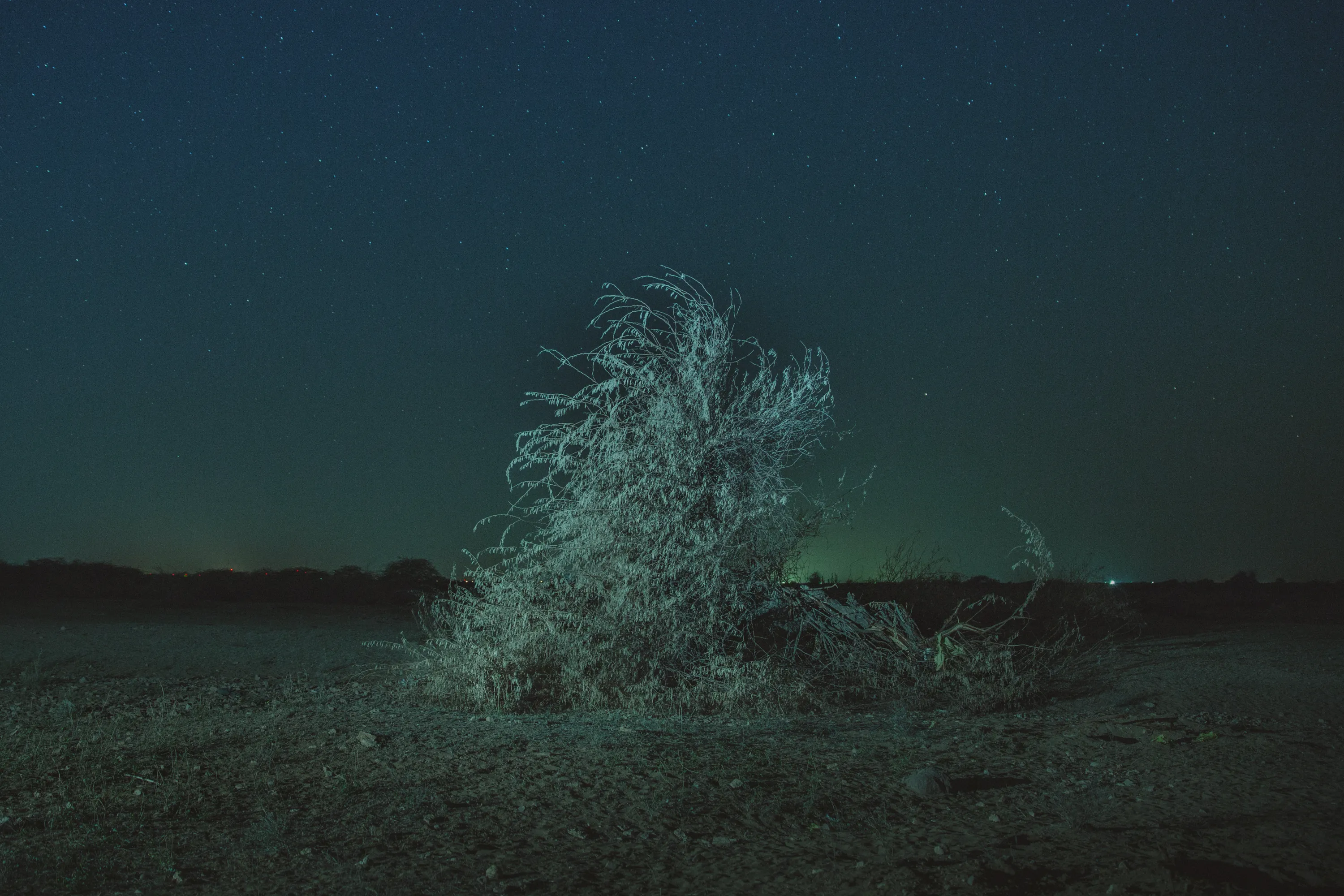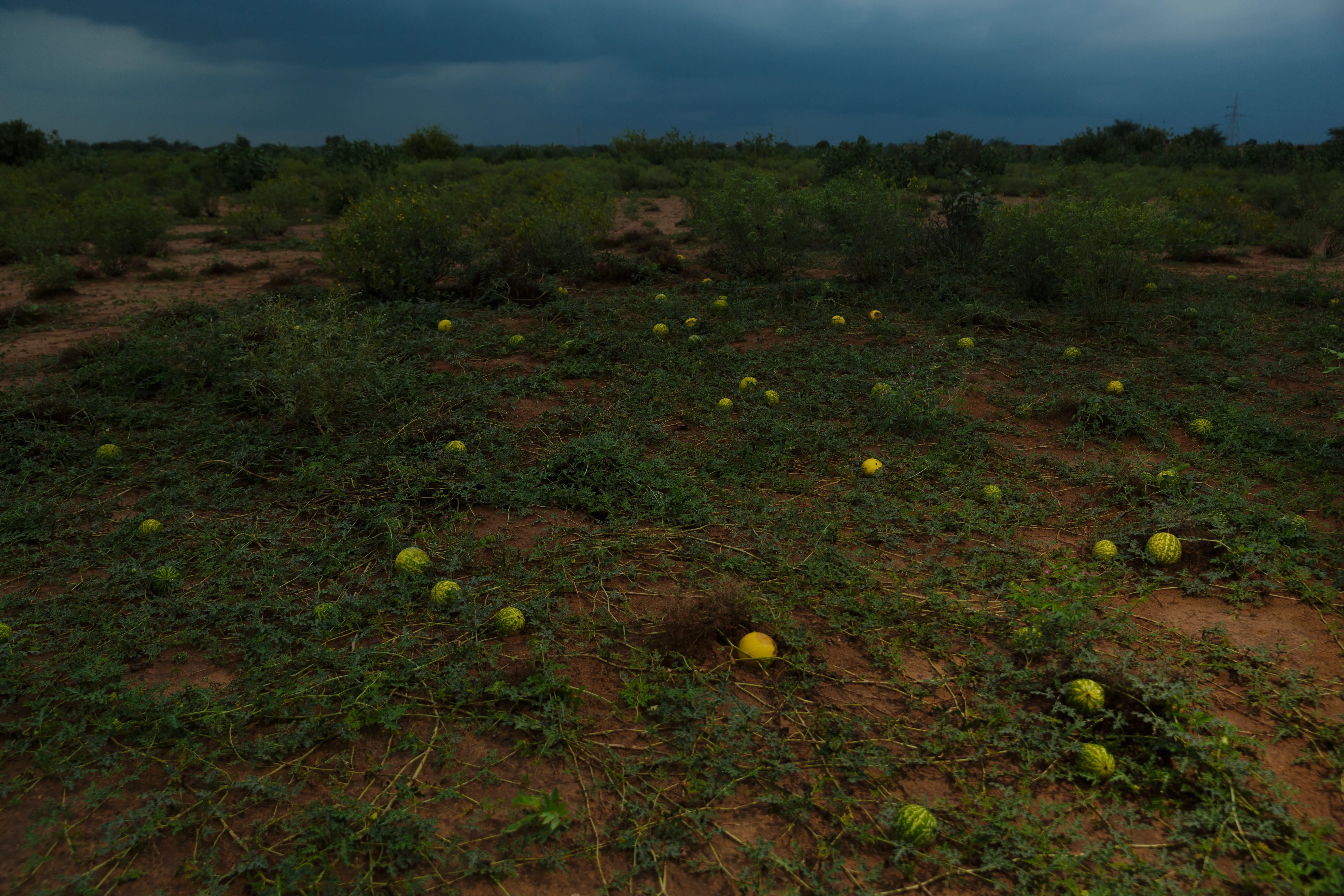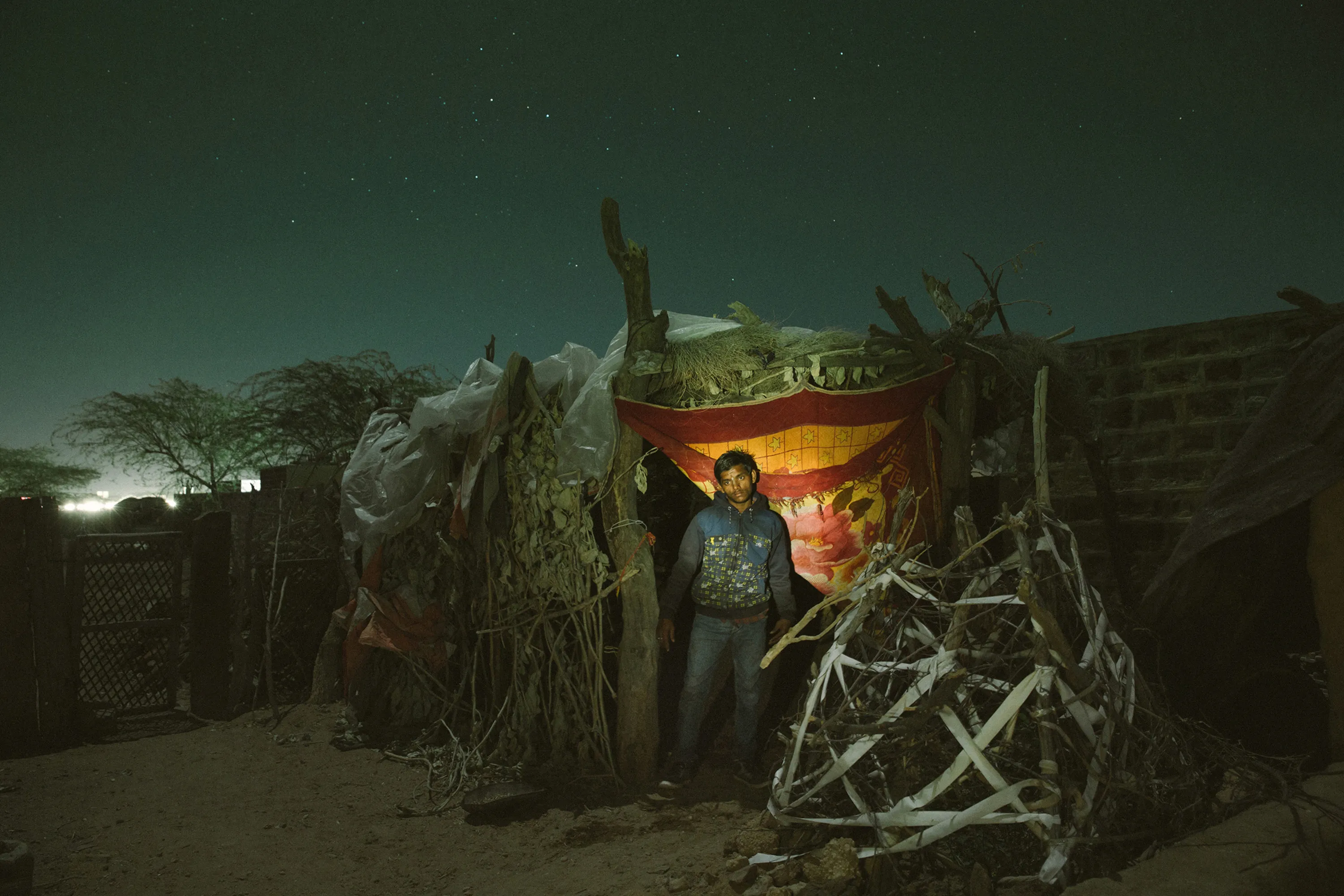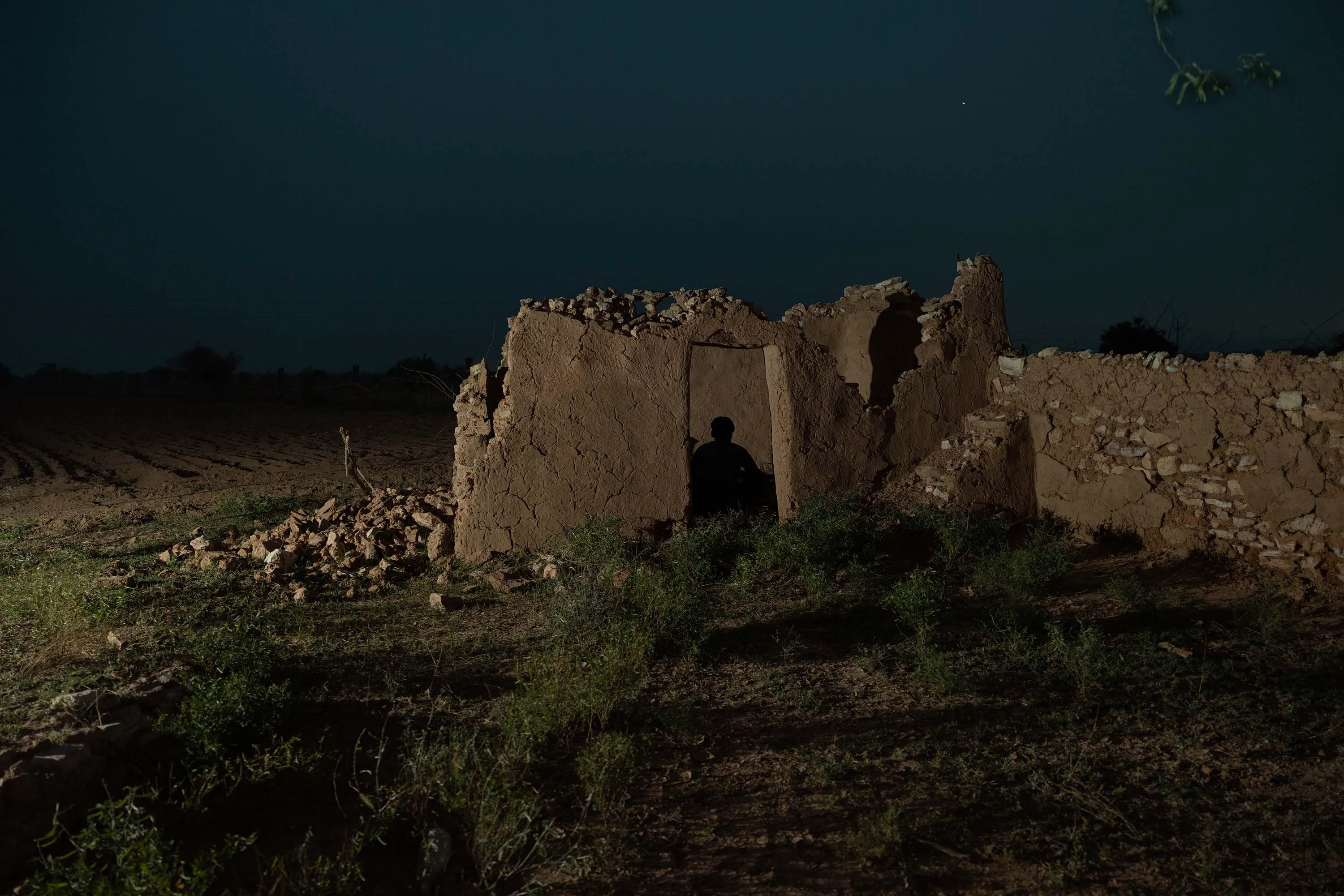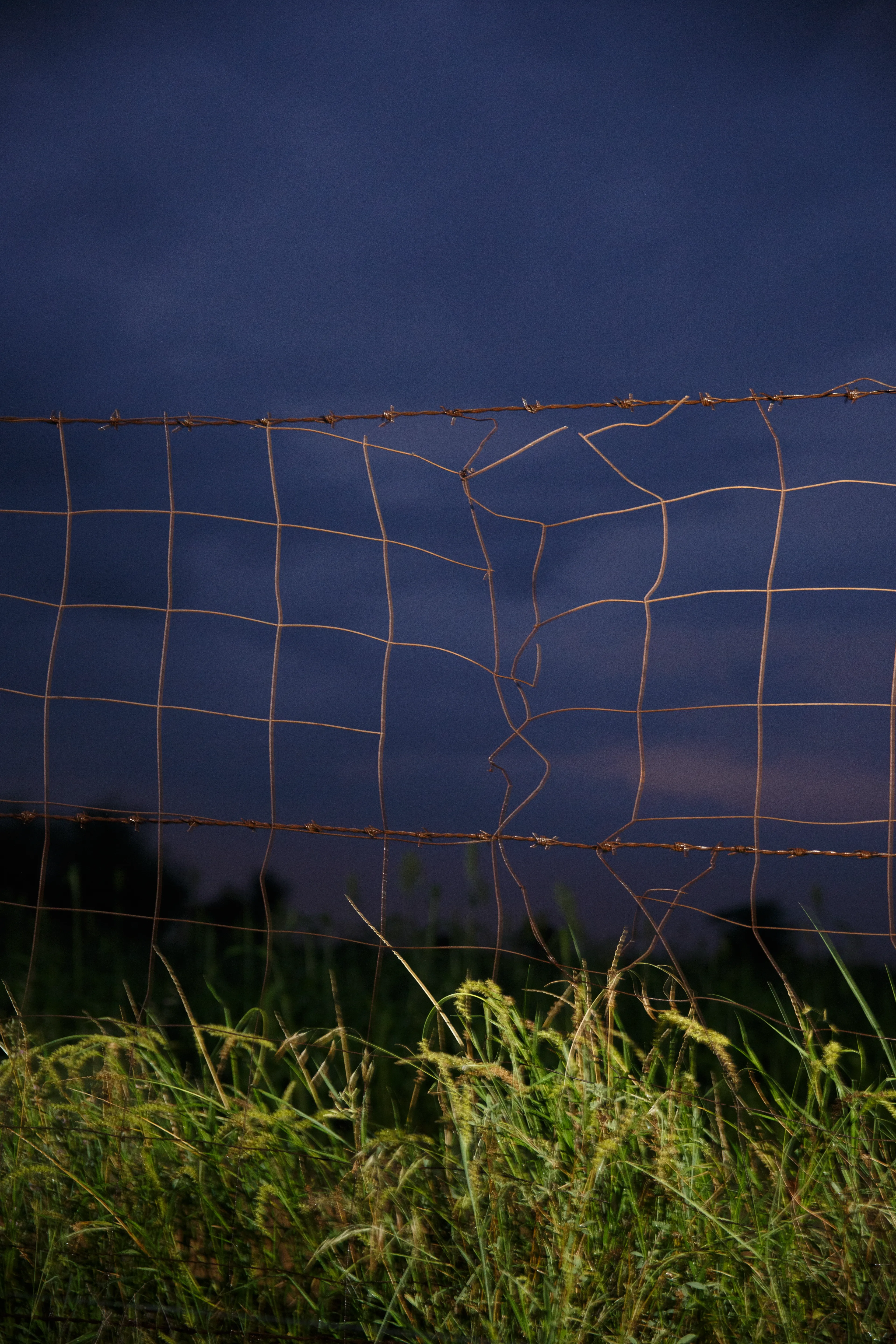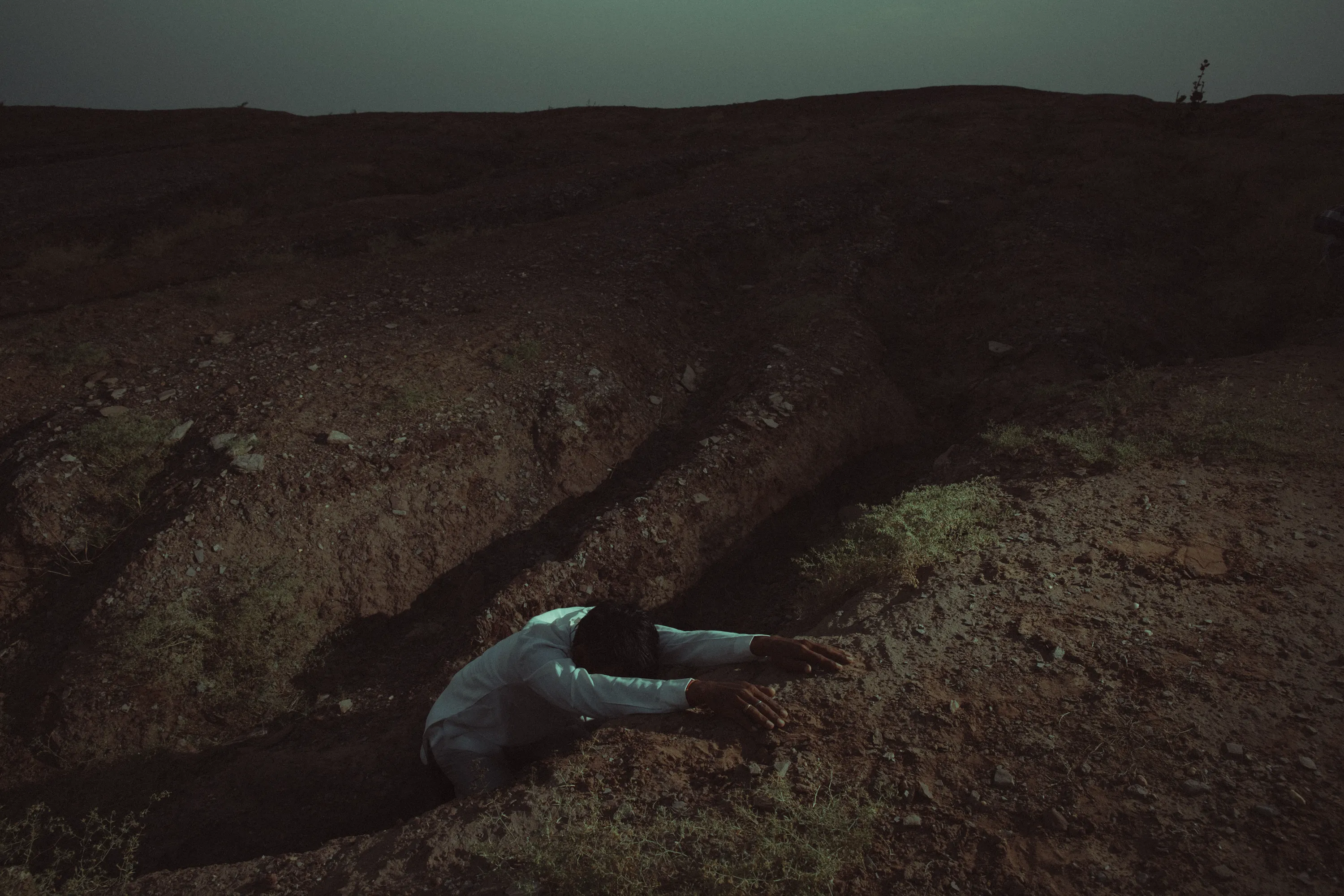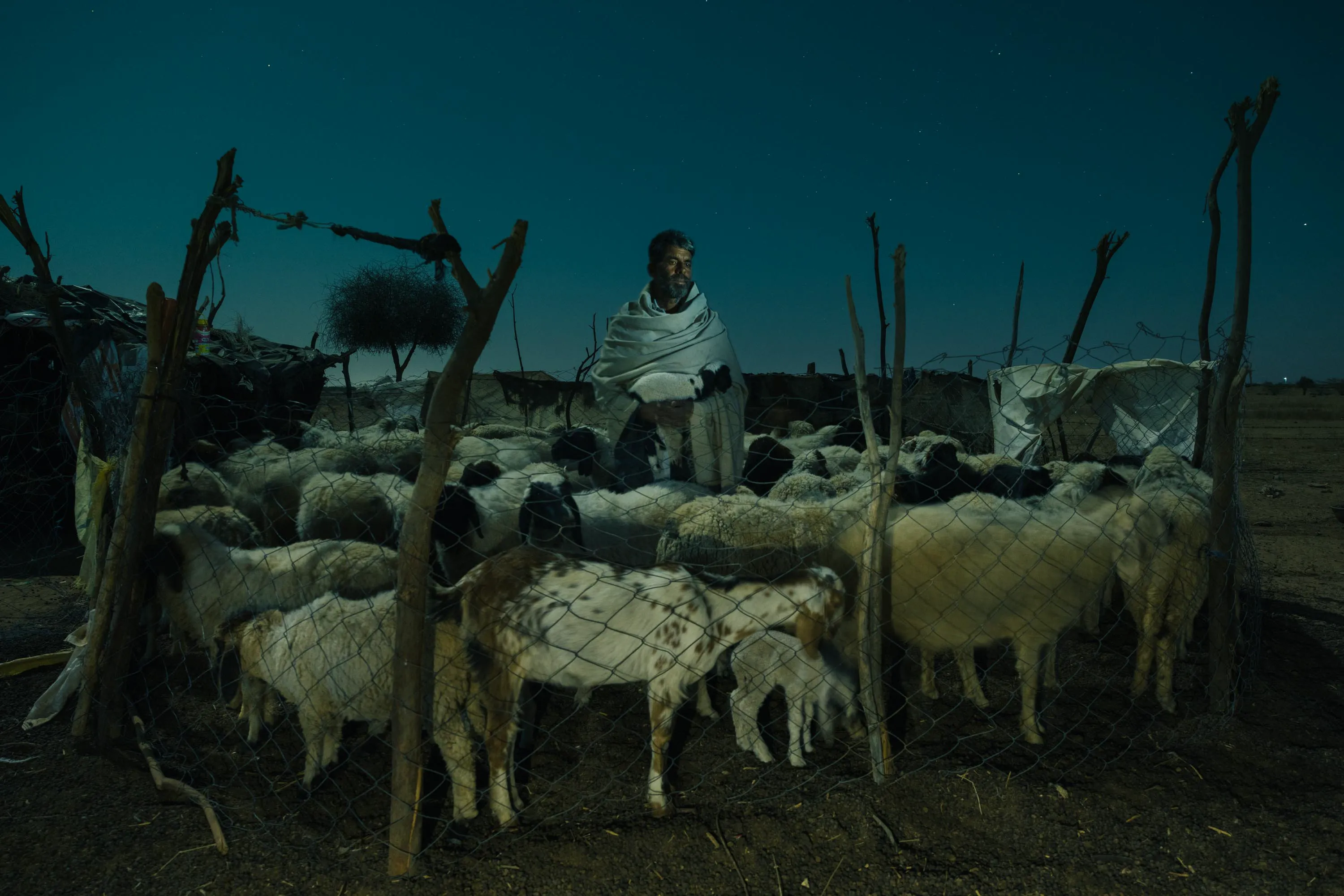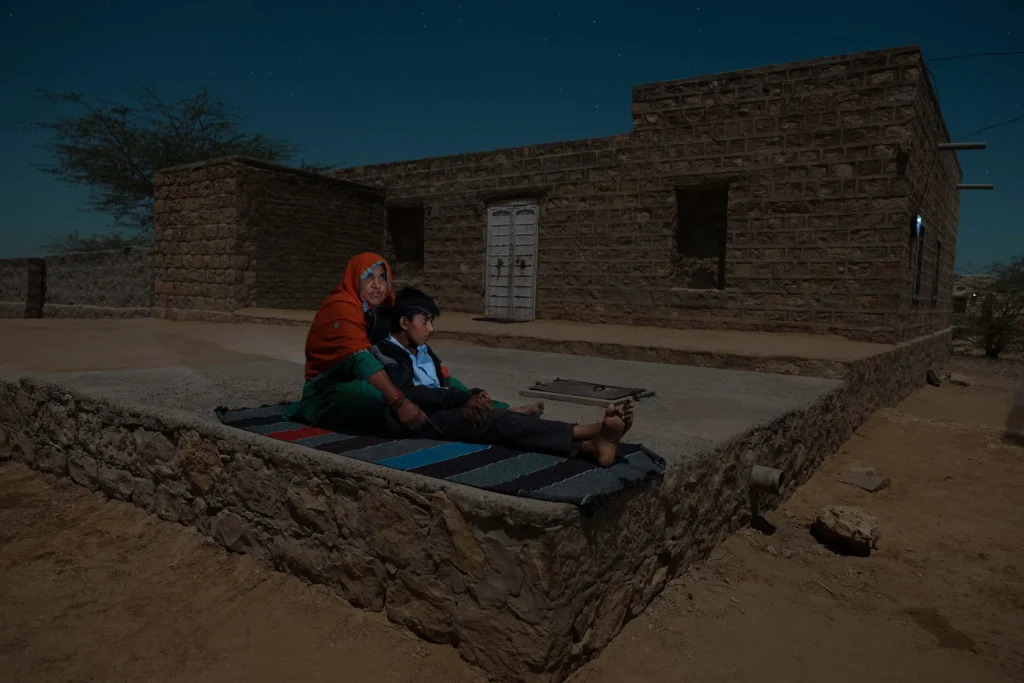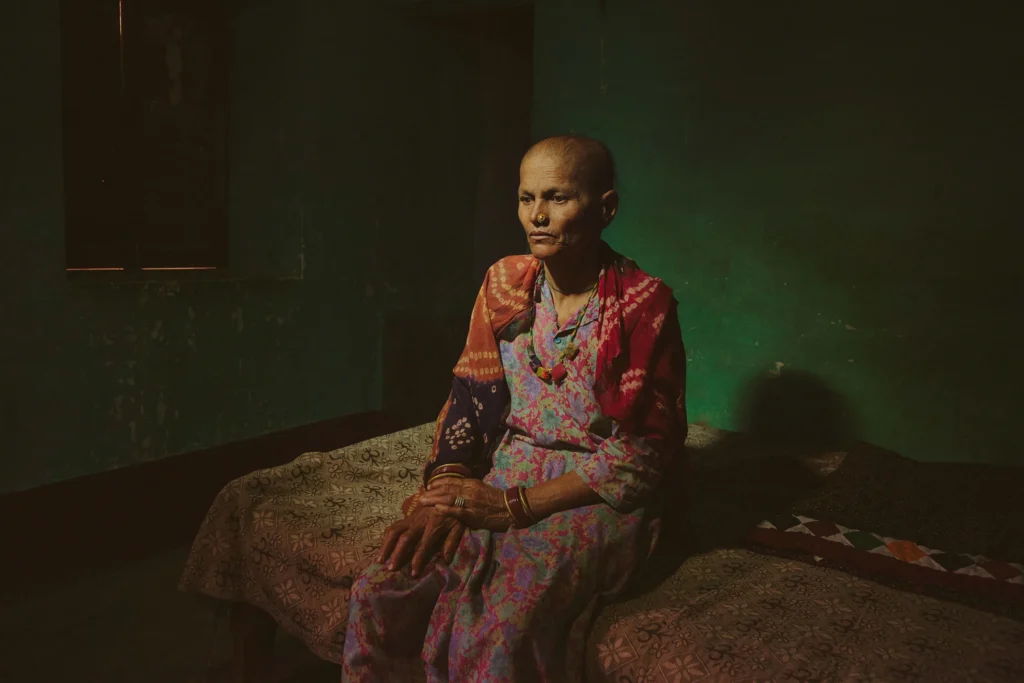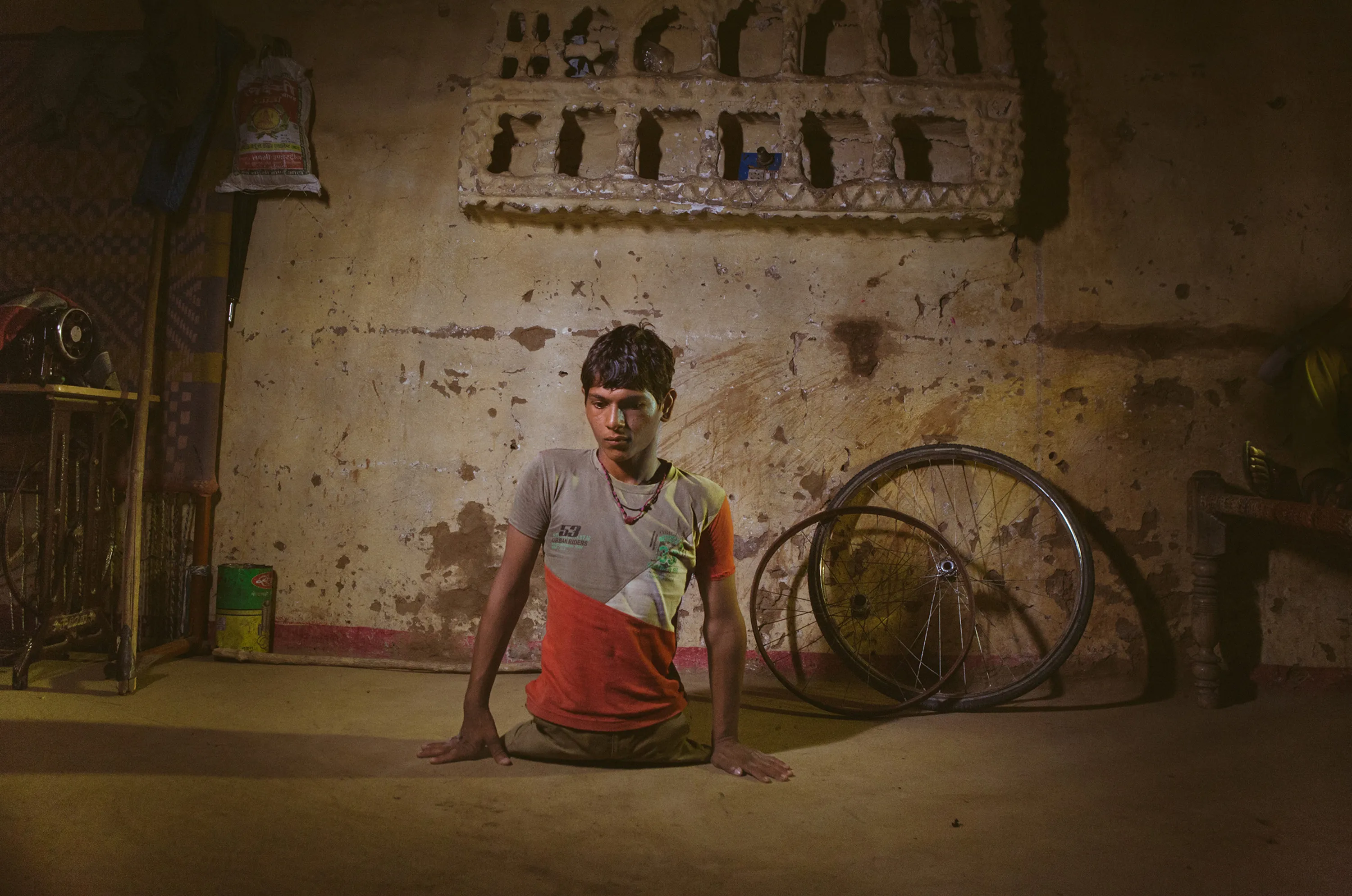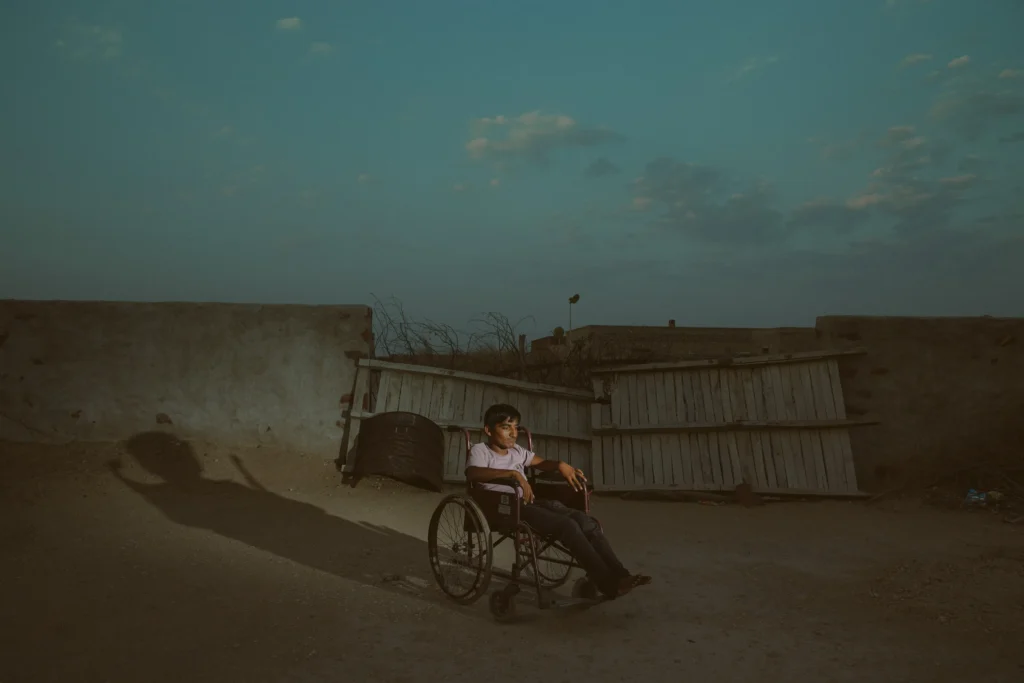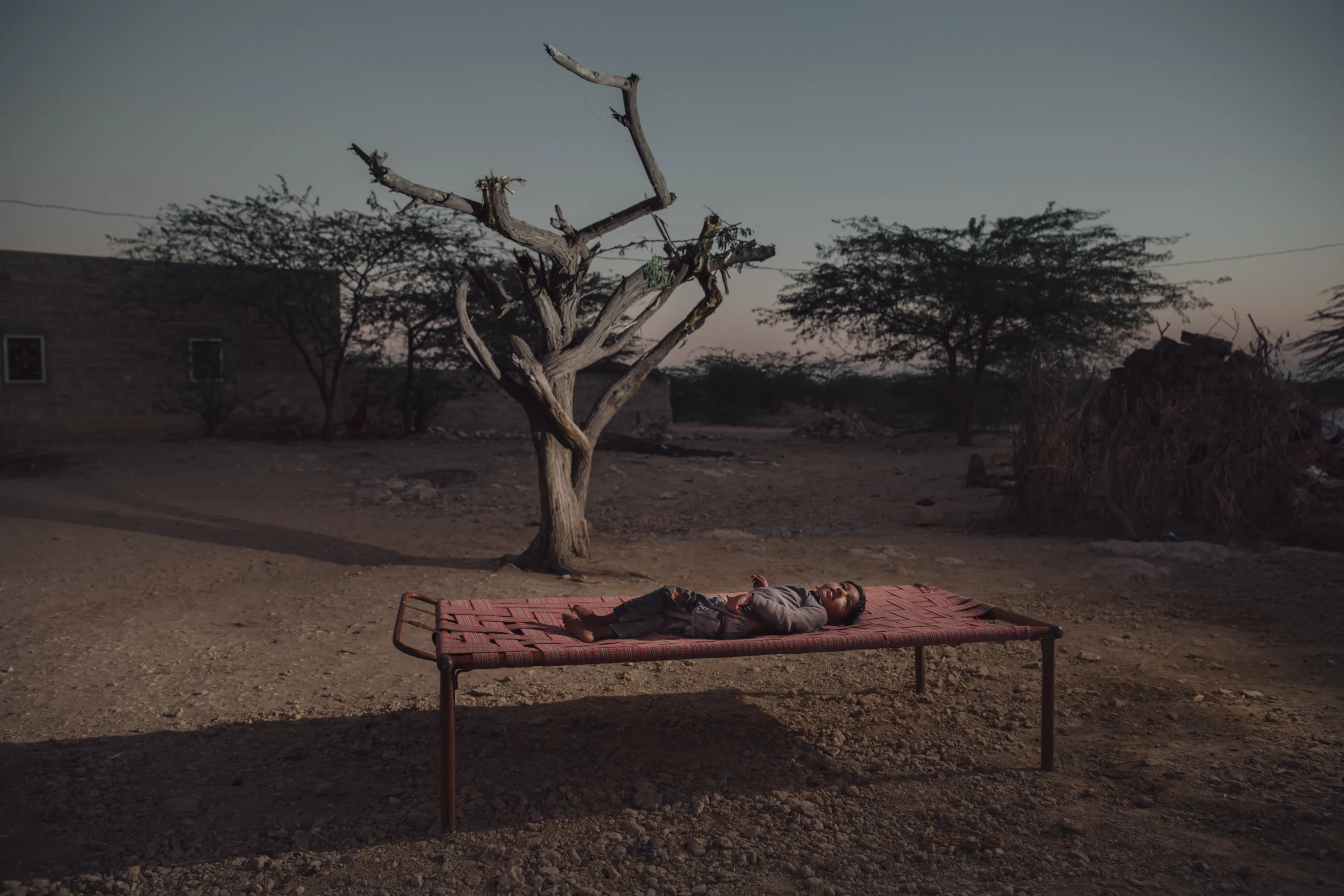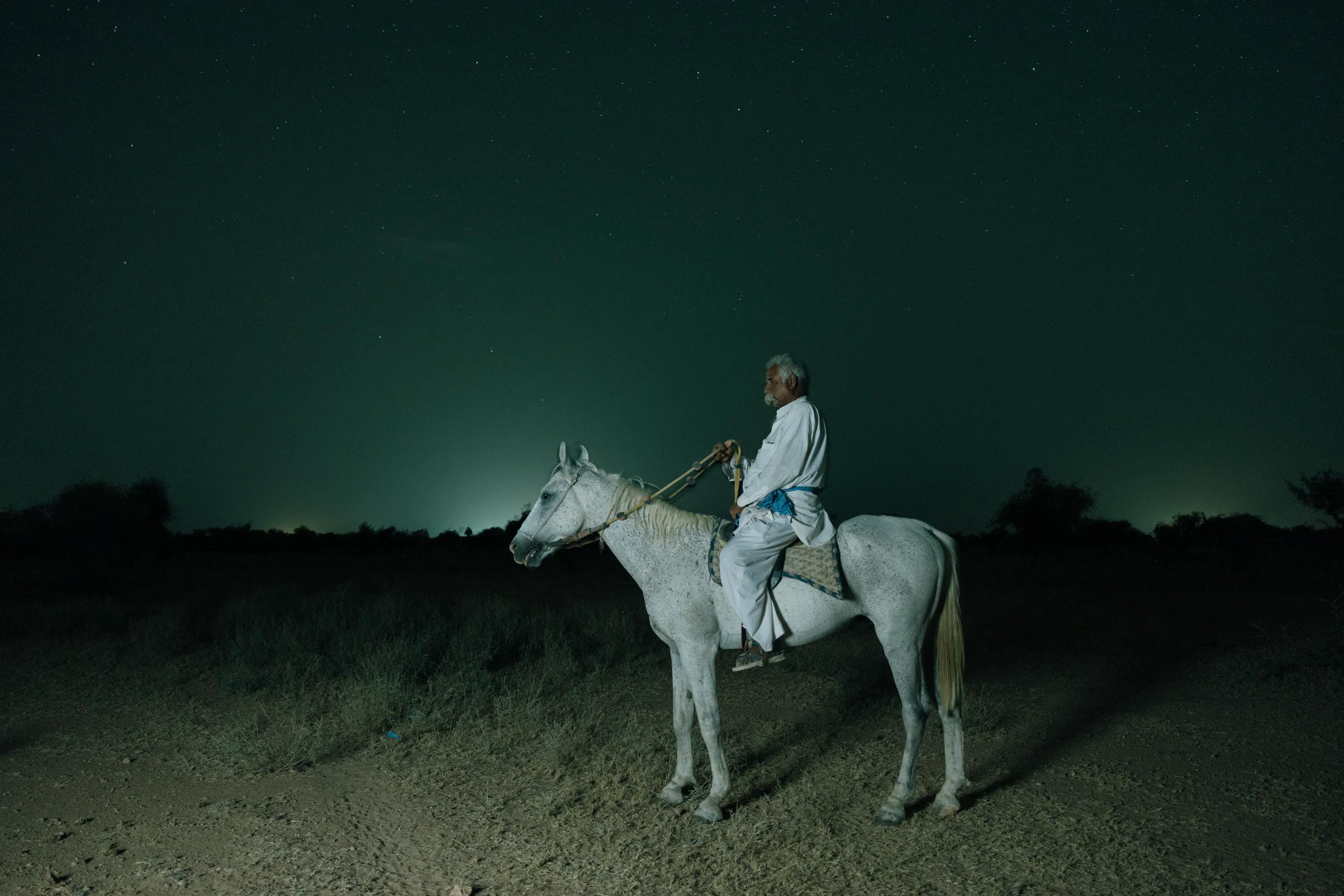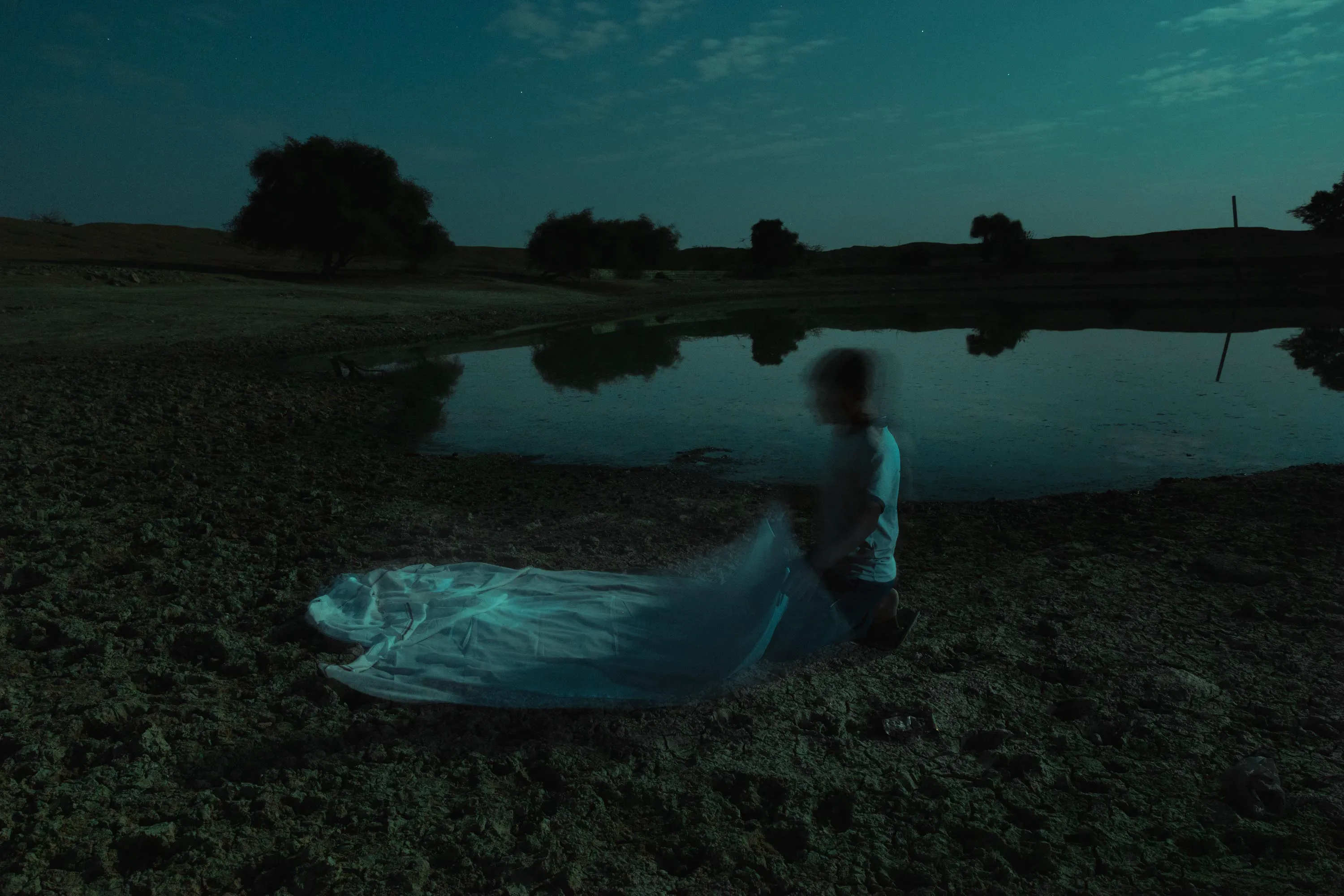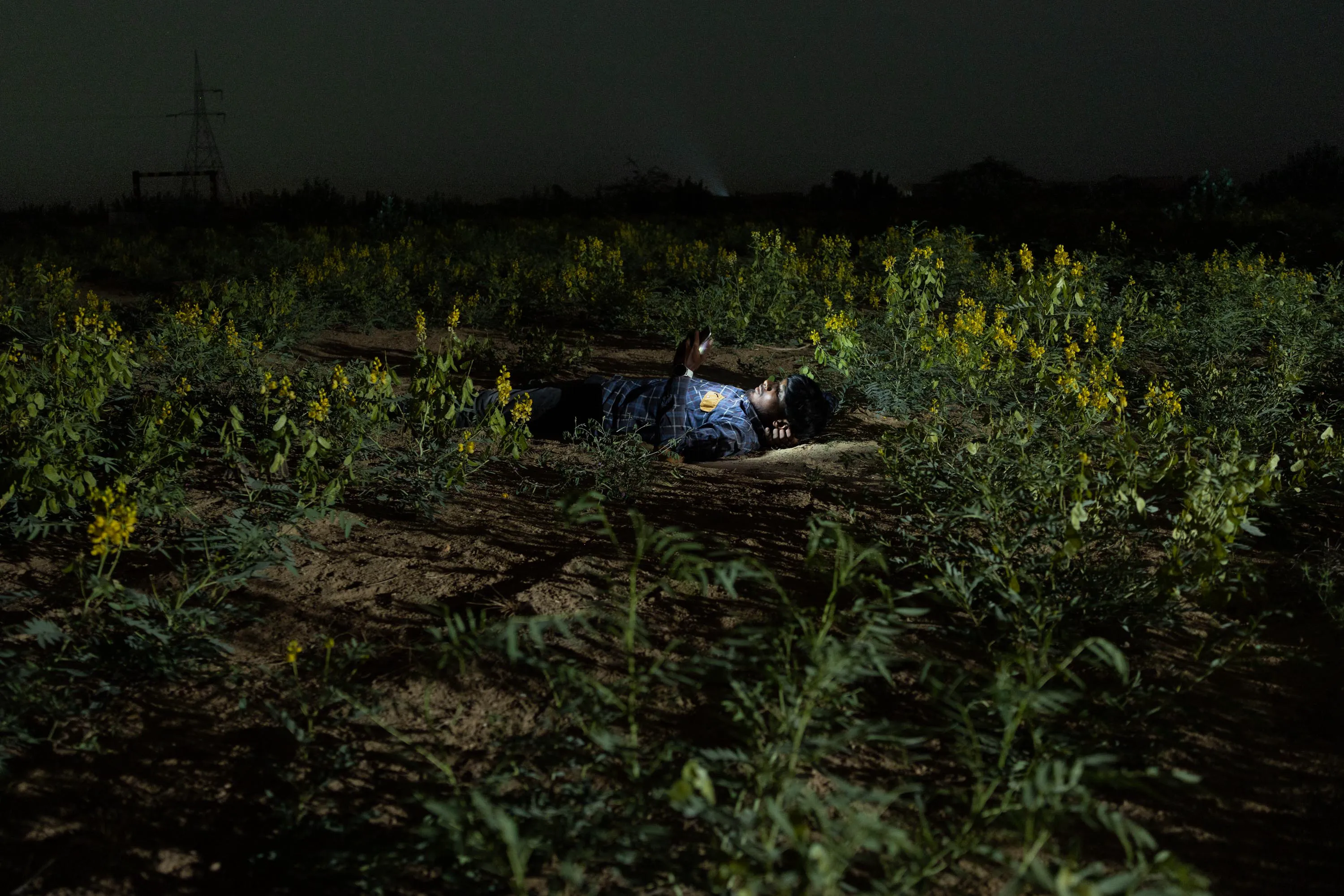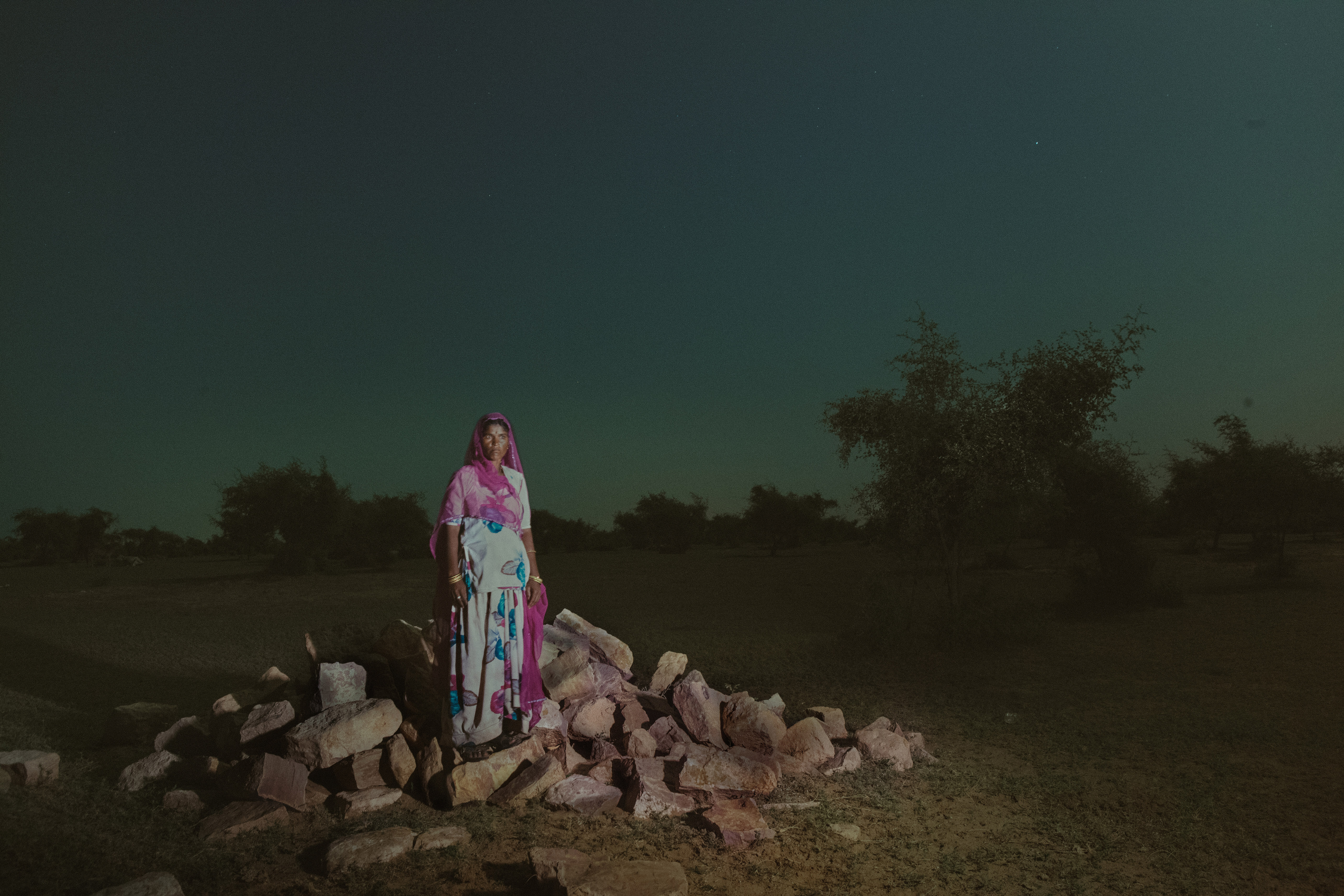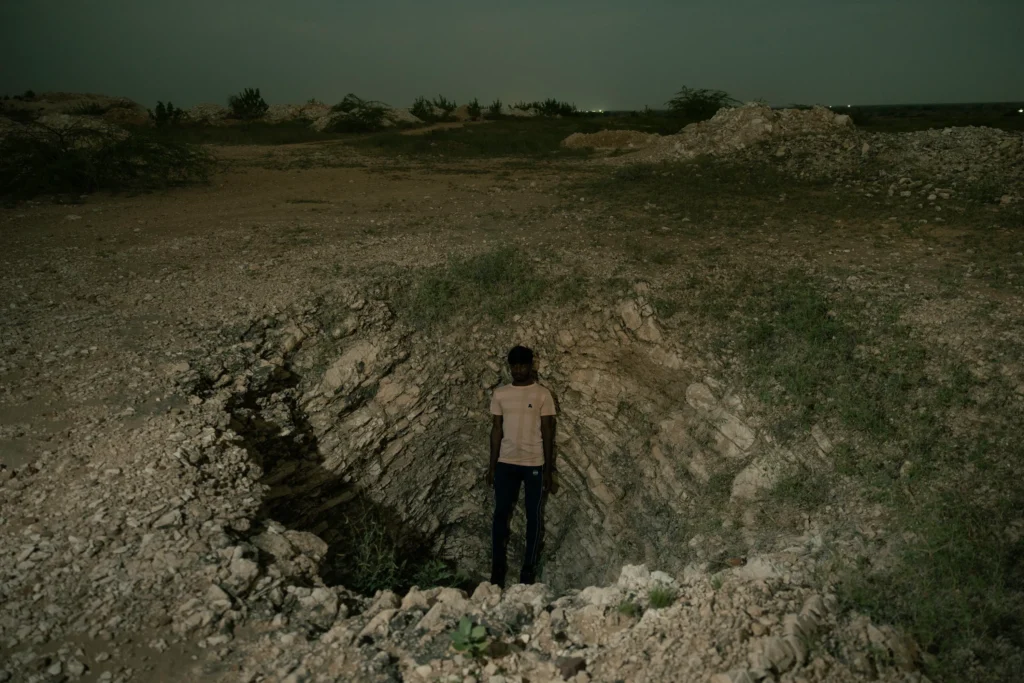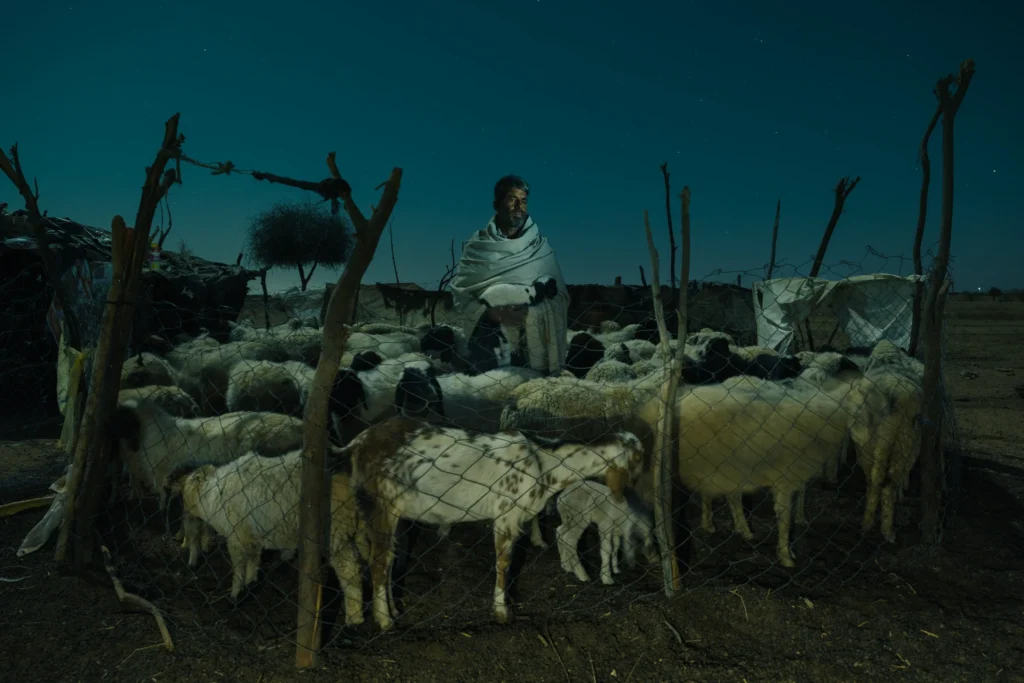
The project When Buddha Stopped Smiling documents the human and environmental aftermath of the 1974 and 1998 nuclear tests conducted in Pokhran, a township in the north-western state of Rajasthan, India, where a quiet desert became a stage for power, pride, and paradox. It delves into the micro-histories of local communities, revealing stories of resilience, loss, and the constant fear of invisible nuclear radiation. Through portraits, landscapes, and symbolic visual narratives, the work captures the fragile interplay between memory, land, and the human condition.
Rooted in long-term engagement, the project unfolds through listening, trust, and shared time with the people who live in the shadow of these tests. These images resist closure; they sit with uncertainty, reflecting how radiation exists not as a visible wound, but as a lingering presence that shapes bodies, emotions, and futures.
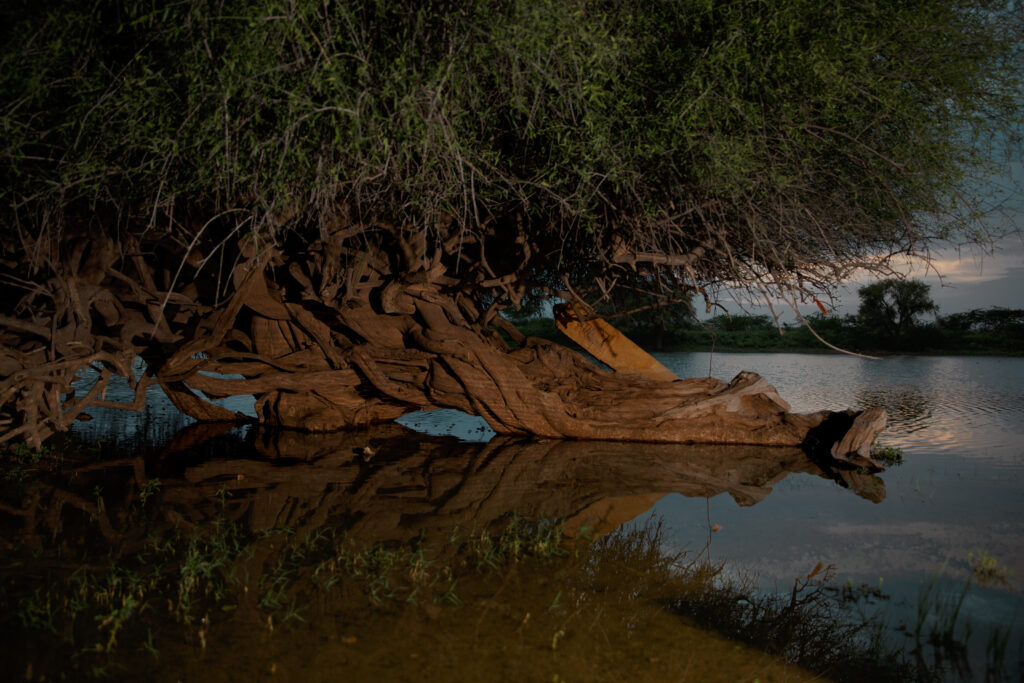
The photographic process itself becomes a metaphor for exposure and erasure. The work attempts to visualize what cannot be photographed directly: contamination, fear, and inherited trauma. The landscape is treated not as a backdrop, but as a witness – its textures and scars holding memories that official histories often overlook.
When Buddha Stopped Smiling is not about proving causality or offering resolution. It is an act of bearing witness, holding space for voices that remain unheard, and questioning what progress means when its consequences continue to unfold long after the dust has settled.