On the day the bombing fell silent for the first time in months, and a ceasefire was declared in October 2025, 23-year-old journalism student Mariam Salama was thrilled at the prospect of finally returning to her home in Gaza City from the south. She knew the house might not be as she had left it, but decided to make the journey back with her family last February.
For the past two years, she had fled from one tent camp to another, escaping Israel’s relentless missiles and raids, but one thing sustained her will to survive: her hope of returning to her beautiful home in Al-Rimal, one of the most prestigious neighbourhoods in Gaza. Amid the chaos and crowds of the camp, and the deafening sounds of missiles and drones, she would lose herself in memories of the elegant villas lining Al-Rayyes Street, where her family home was located; the colourful flowers and old green olive trees that adorned the pavements; the mint pots flourishing on the balconies; the spacious, clean streets; and, most importantly, the quiet and peace that were nothing like her life in the tent camp.
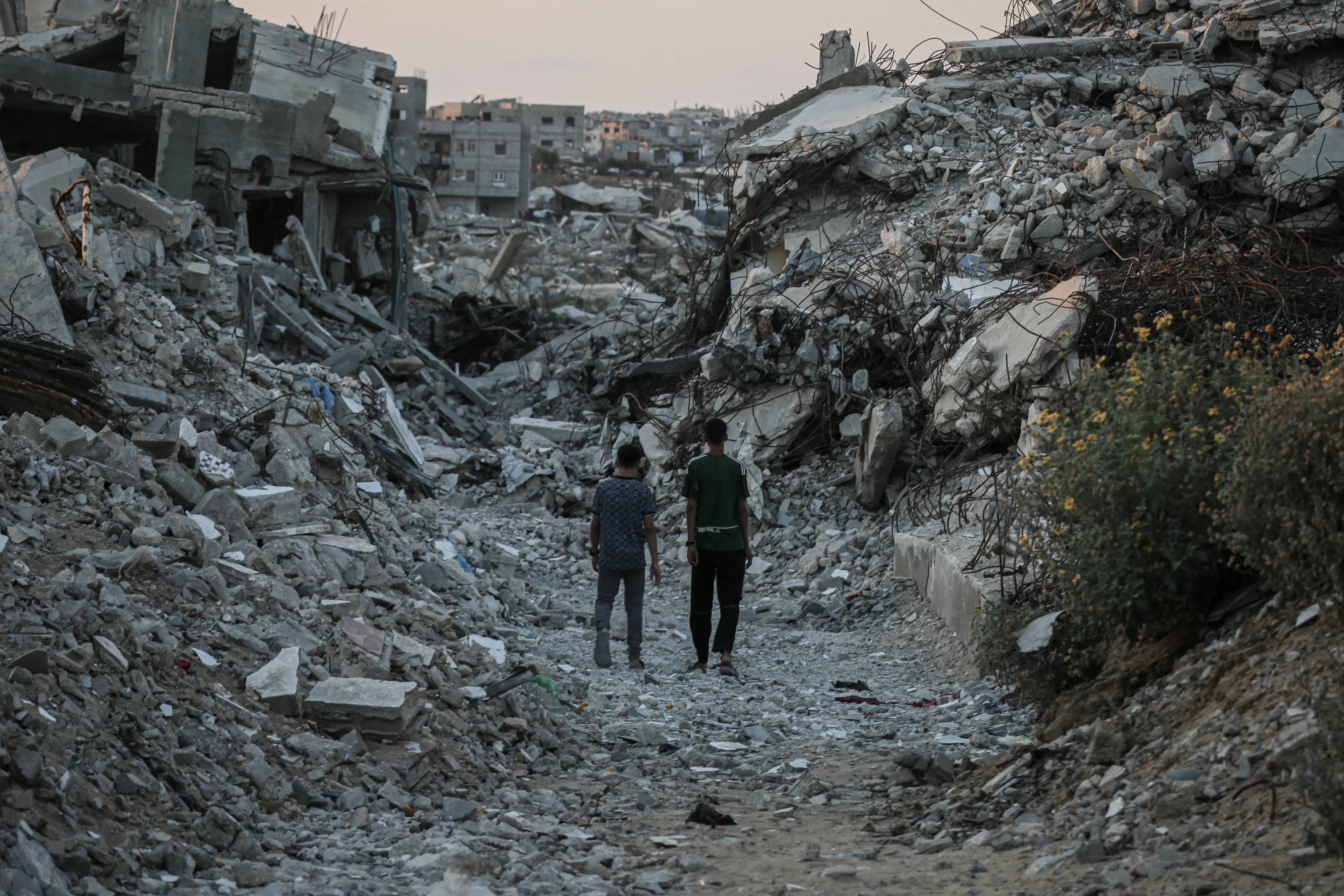
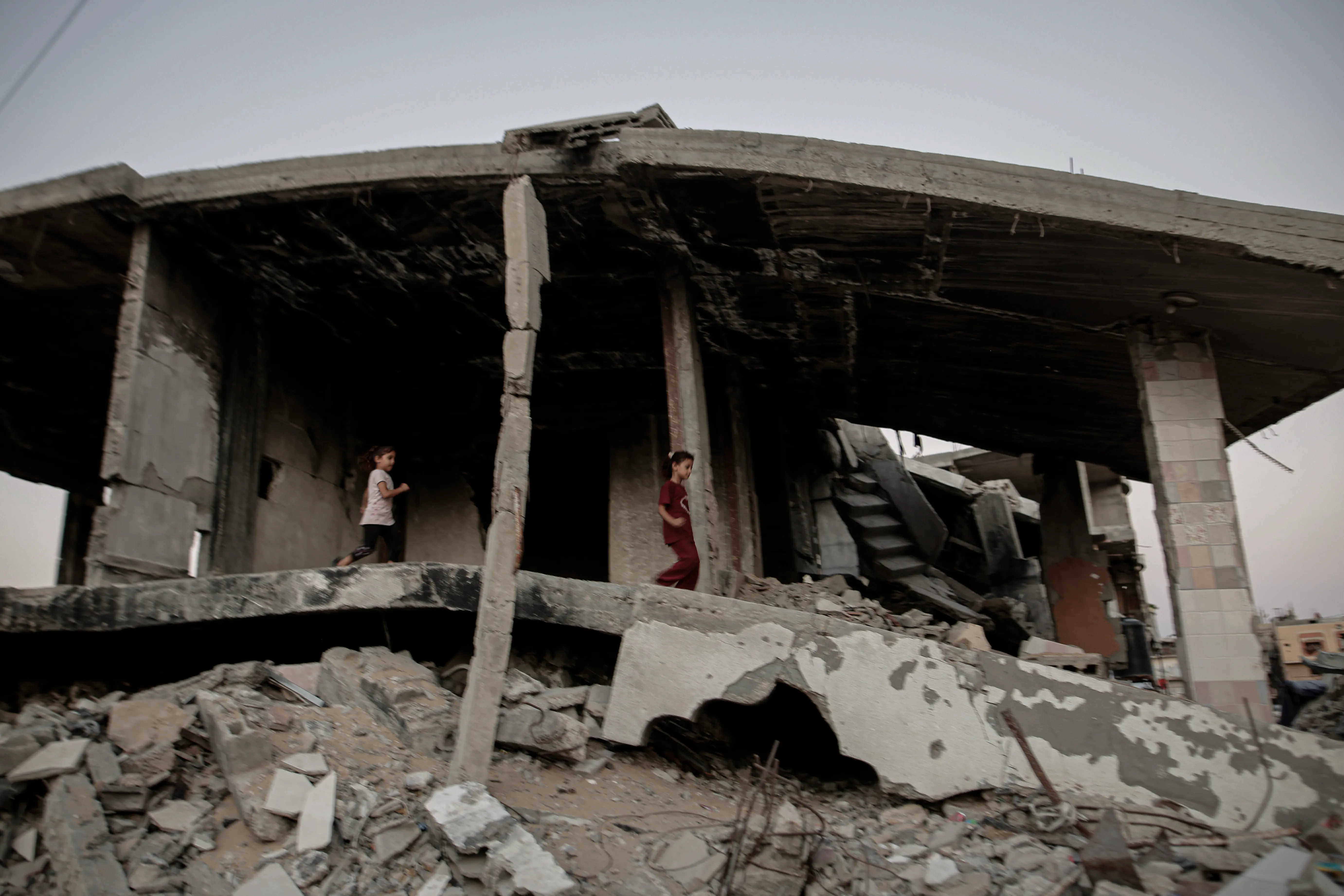
With that beautiful, romanticised image in her mind, reality struck hard when she finally arrived at her “sanctuary” to find that not only her home, but the entire neighbourhood, looked nothing like it had on the day she left.
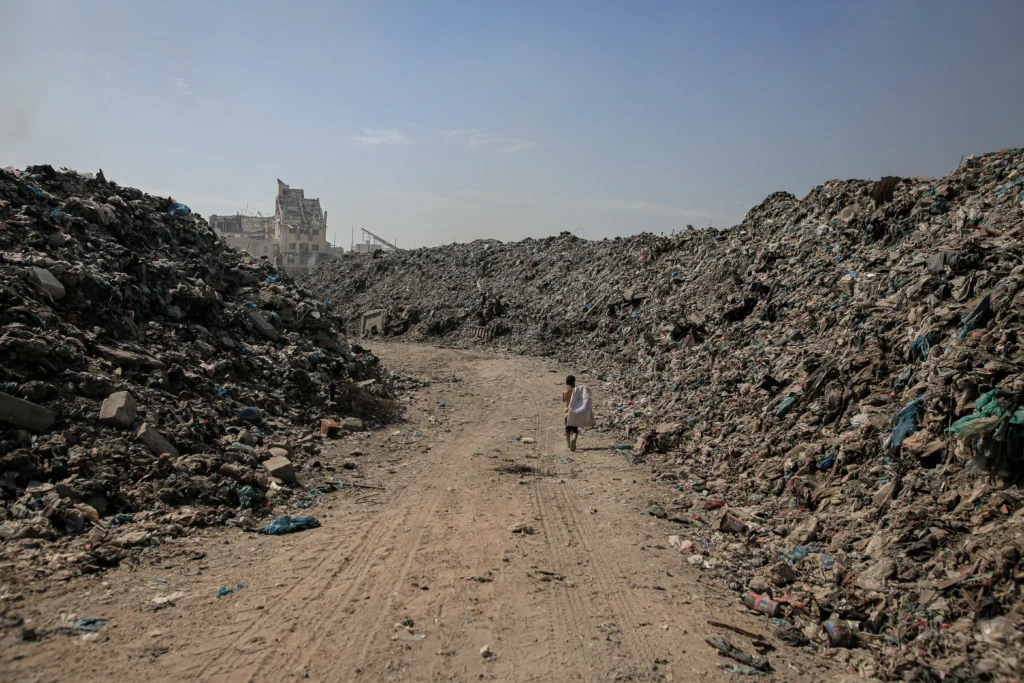
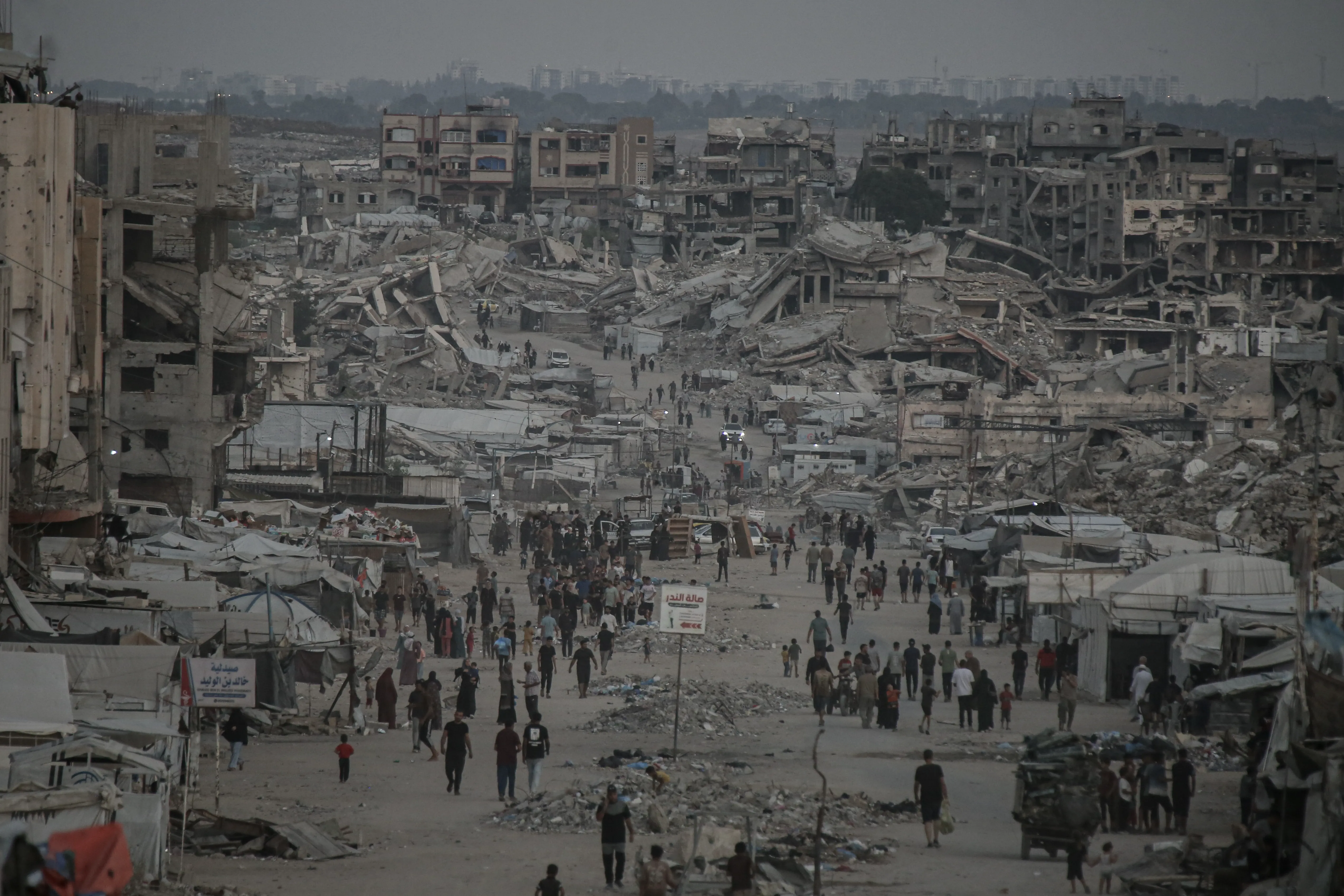
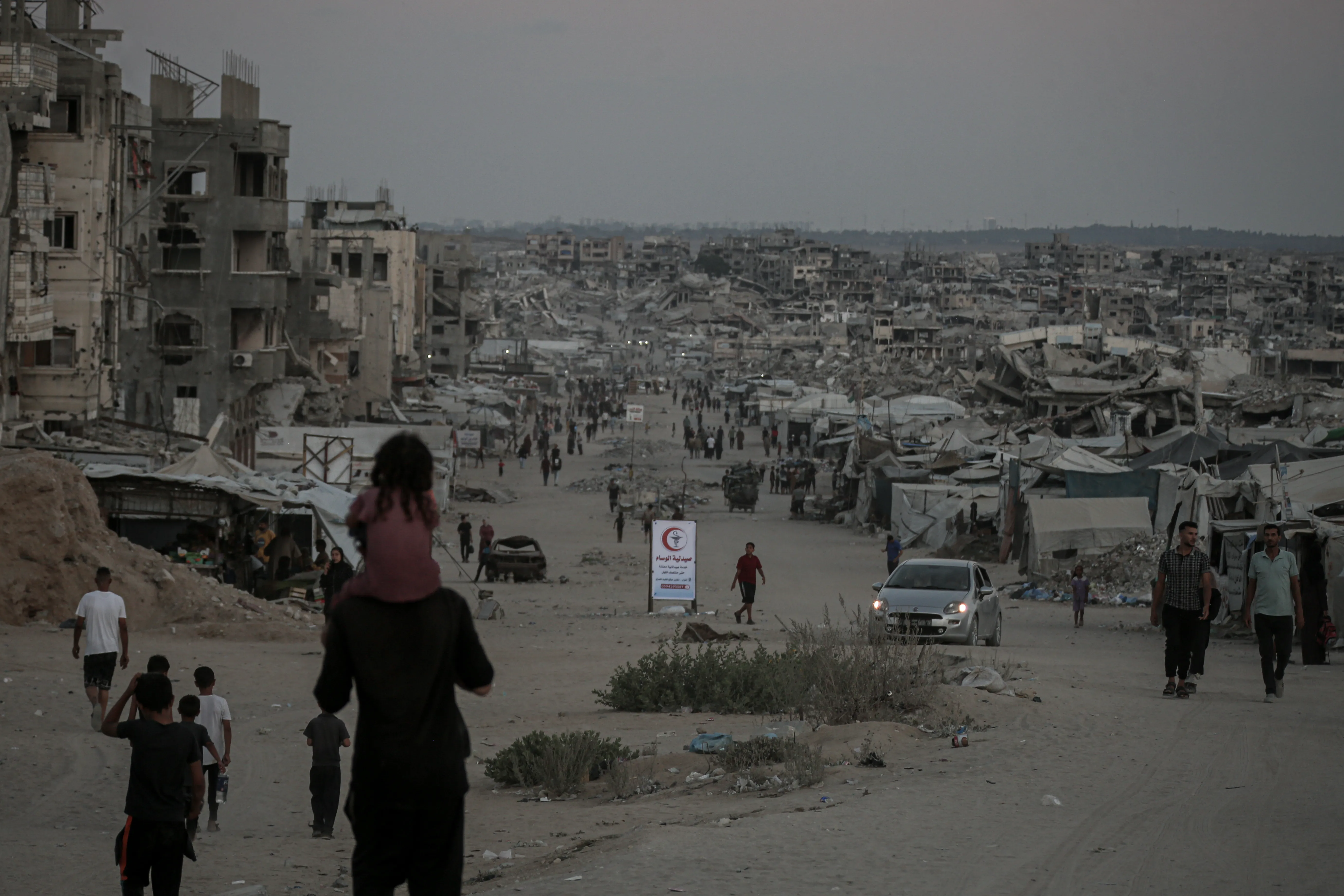
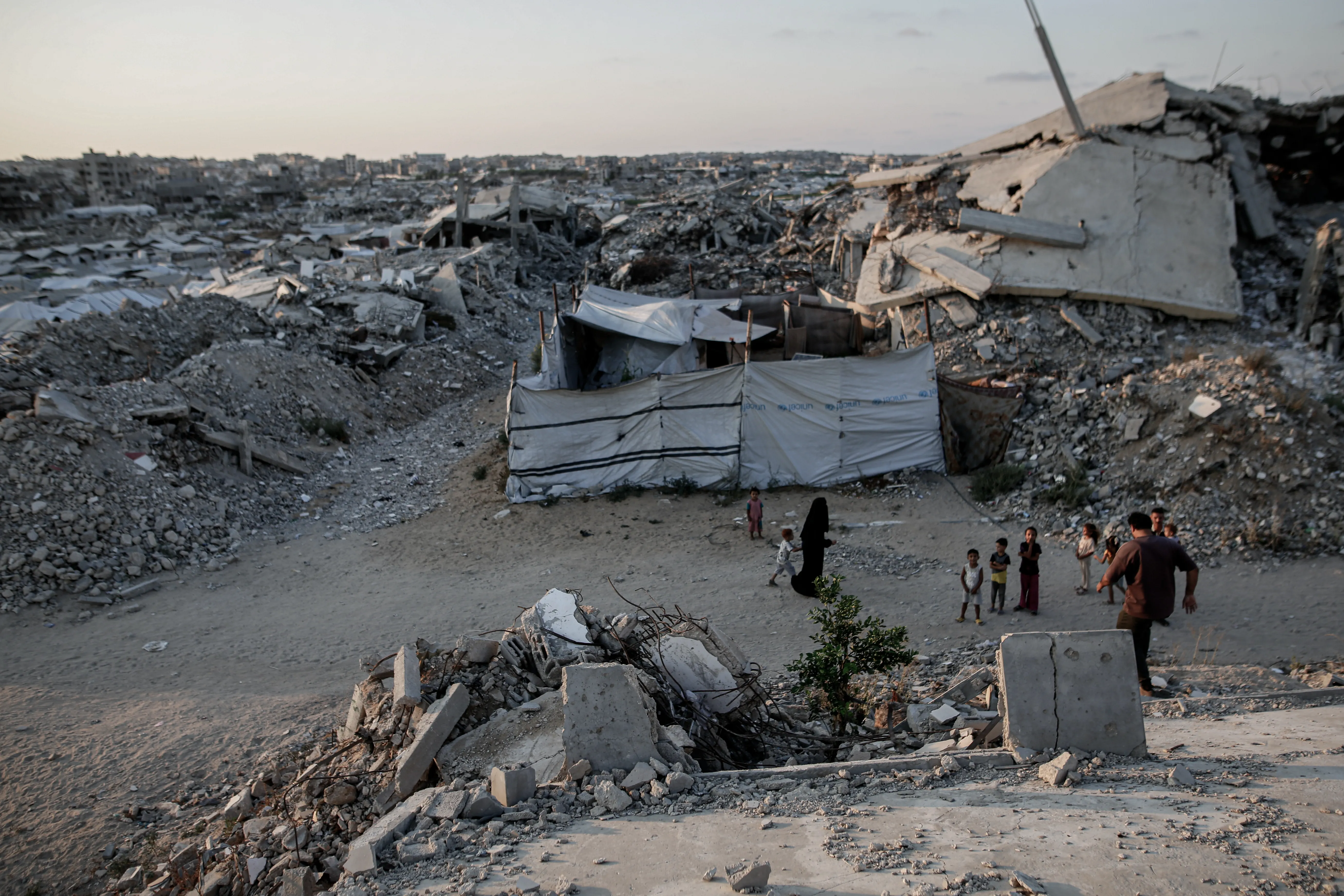
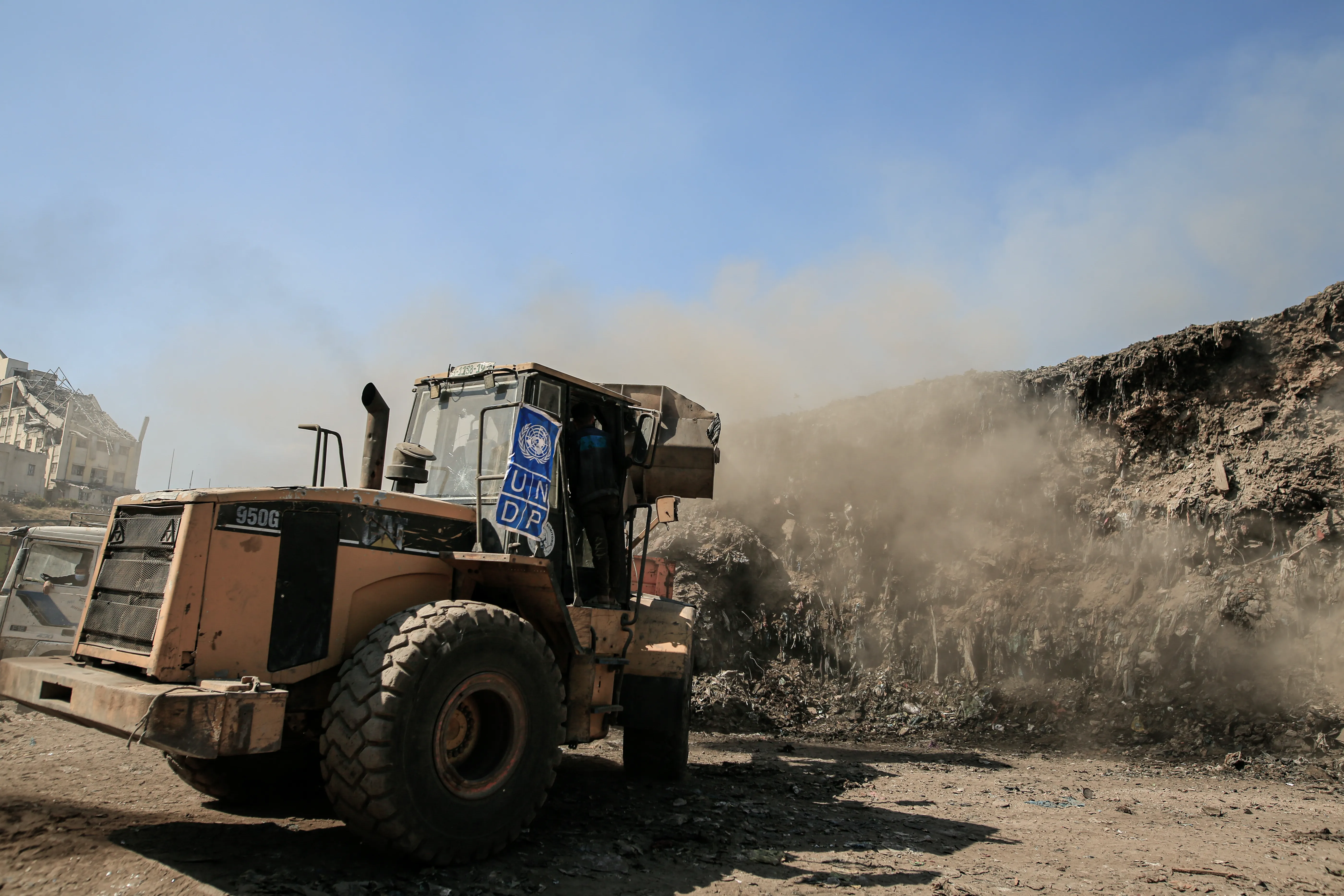
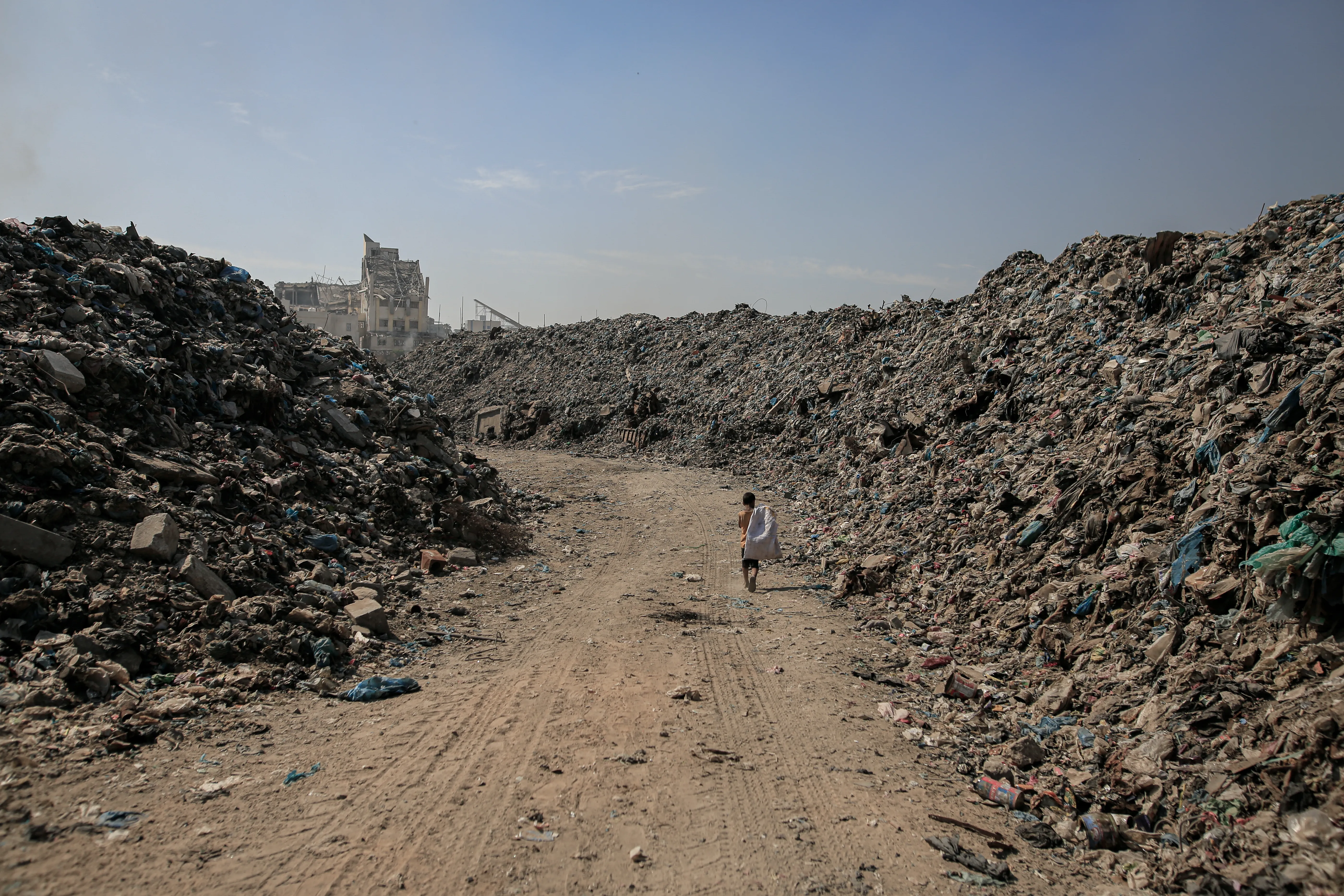
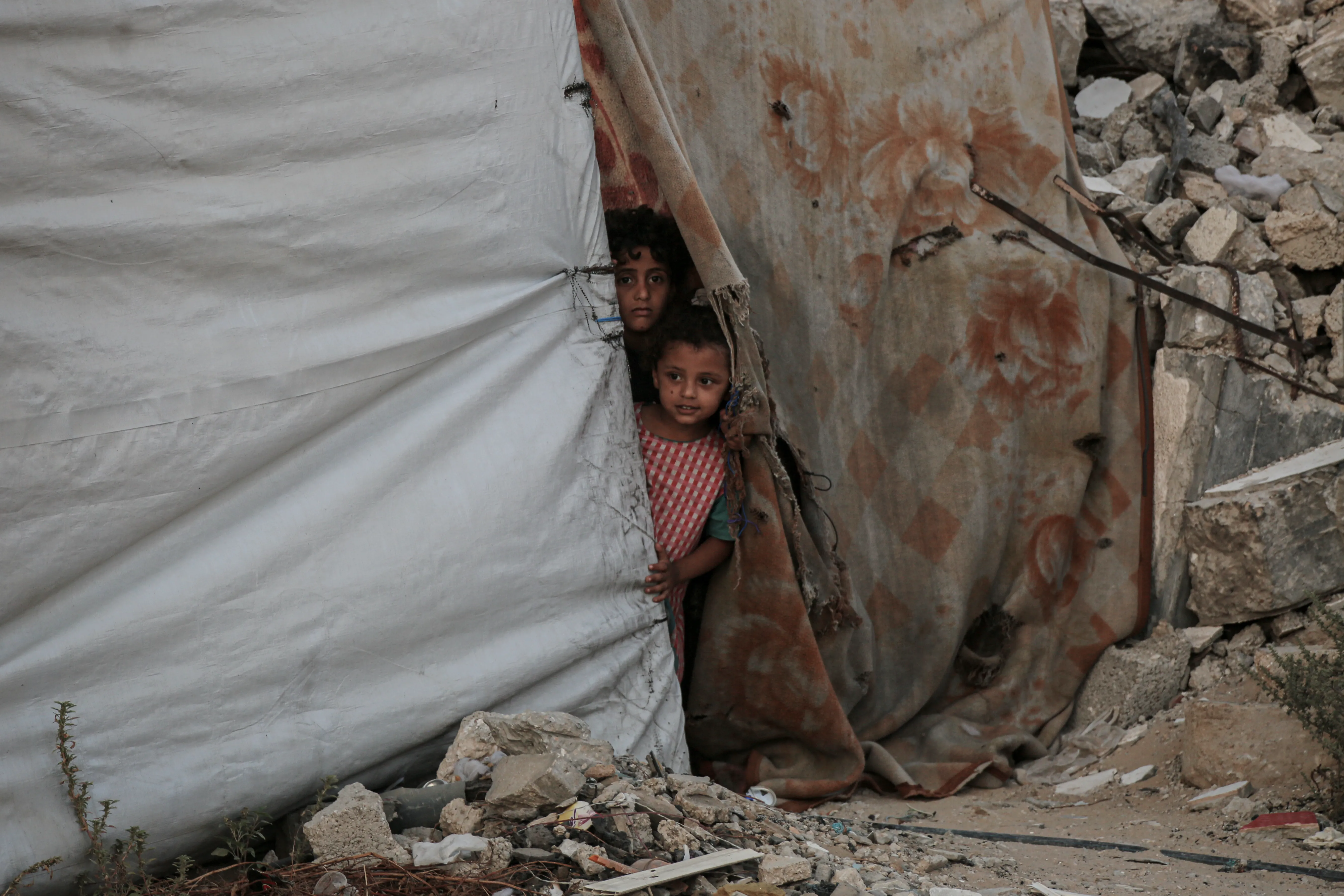
With piles of waste, ruins of destroyed homes, wastewater running down the road, and black smoke from burning plastic dominating the scene, Mariam could not contain her pain and tears.
“I was yearning to be back home and be embraced by its soil,” said Mariam. “But instead, our neighbourhood has gone from paradise to a place that feels soul-draining.”
The environmental situation
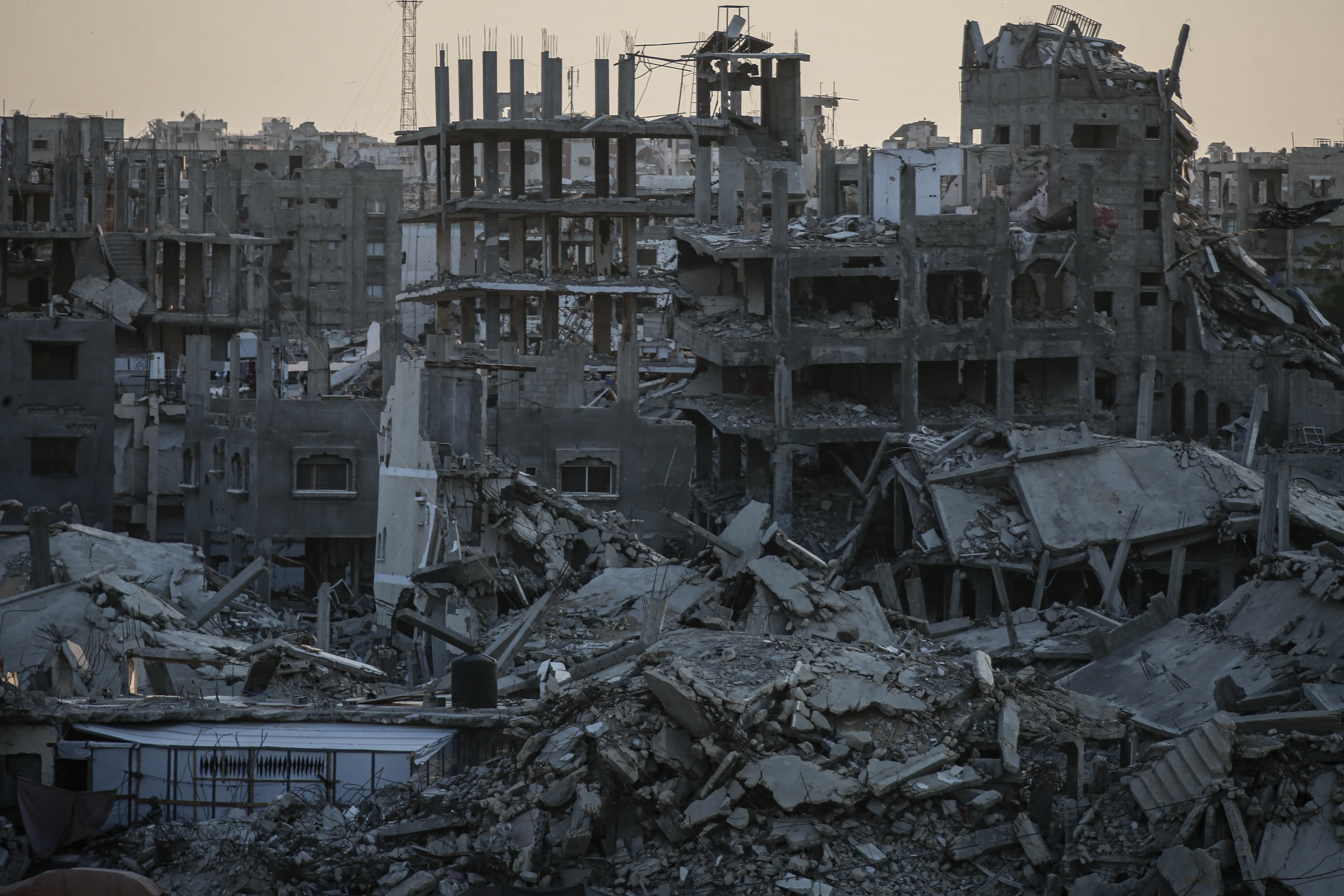
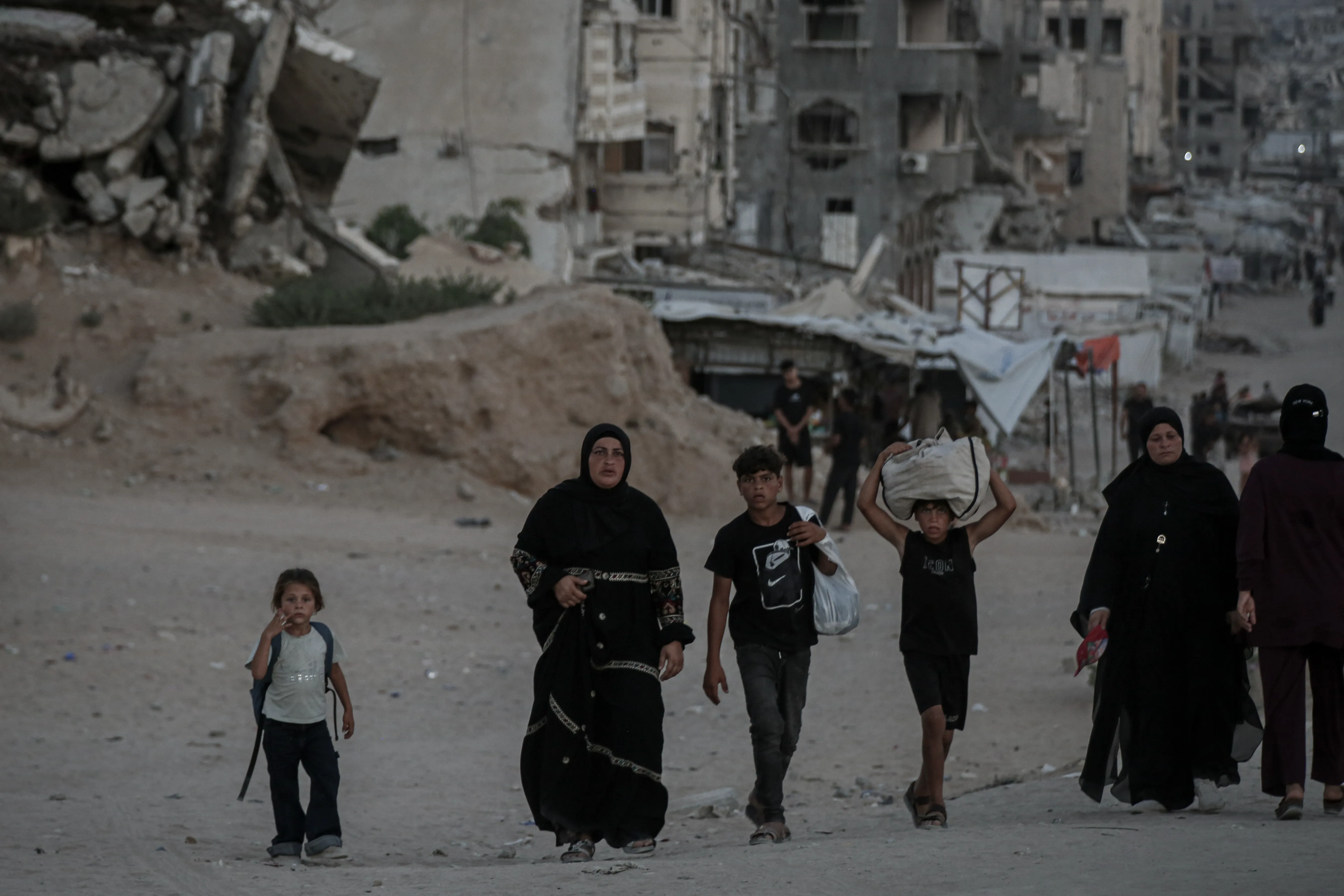
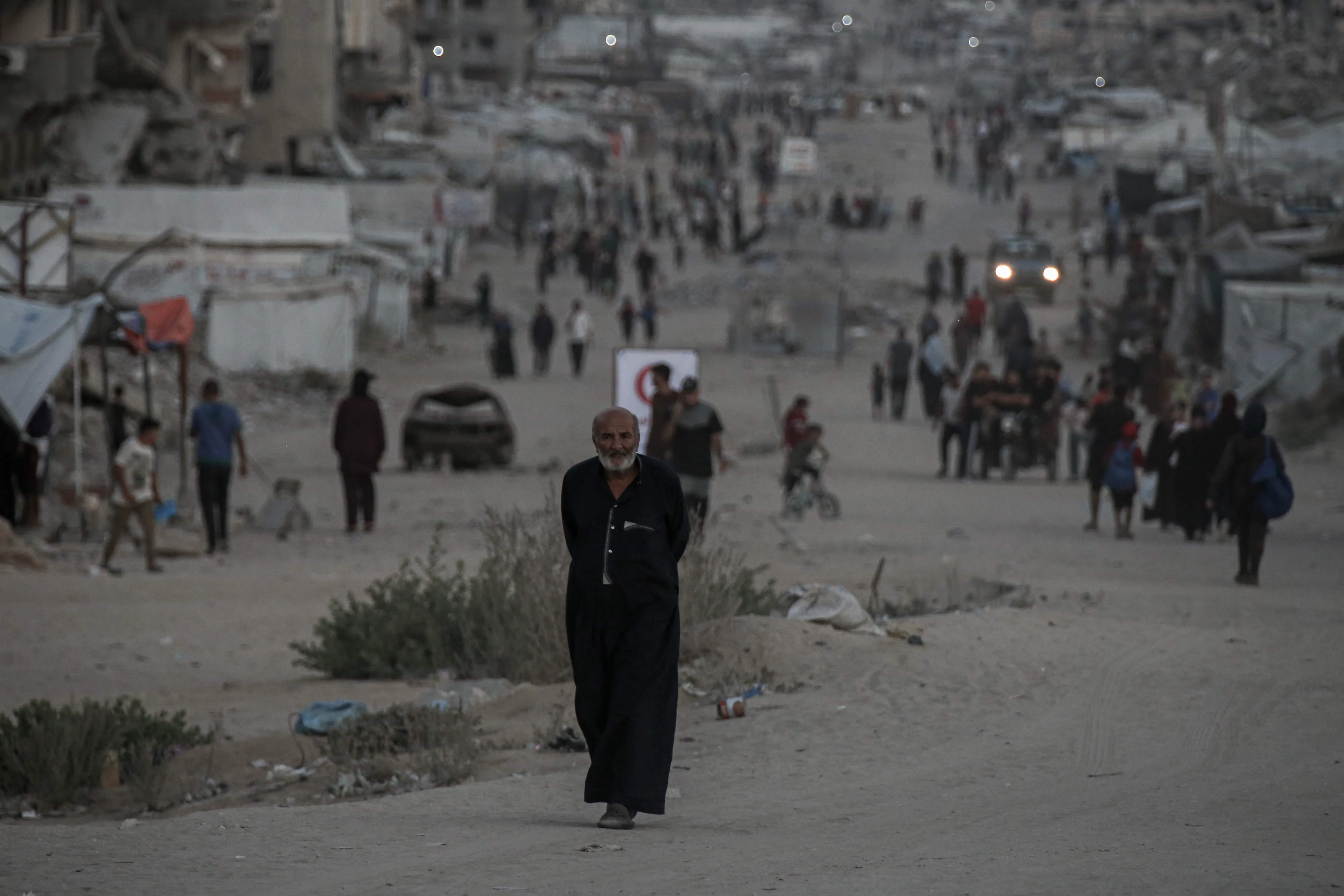
Mariam’s neighbourhood was not the only one to lose its character and landmarks. A 2025 UN Satellite image shows that 81% of Gaza’s structures were destroyed. In fact, some areas were completely wiped out. Israel’s attacks have caused profound damage and had a significant impact on the people and environment of the Gaza Strip, including groundwater, soil, biodiversity, the marine ecosystem, and air, some of which may never recover.
As of September 2025, a UN Environment Programme report documented environmental destruction in Gaza. Water infrastructure had suffered an 84% collapse in storage and pumping capacity, with only 9 of 54 pre-war stations still operational, and all wastewater treatment facilities had ceased functioning entirely. Remaining desalination capacity was just 31% of pre-October 2023 levels, leaving the population with only a fraction of the required supply.
The report also shows that agricultural land has been devastated at an accelerating rate. Satellite imaging indicates that 97% of tree crops, such as olive groves and orchards, have been damaged, along with 82% of annual crops and 95% of shrubland. Before 2023, agricultural land accounted for approximately 40% of the Gaza Strip, and domestic producers supplied around 44% of household food consumption, while imports, although heavily restricted by a decades-long blockade, made up the remaining 56%. Nevertheless, 64.3% of the population was already classified as moderately or severely food insecure before the war.
In addition, the report observed that over 61 million tonnes of debris required clearing, 20 times the combined rubble of all previous wars in Gaza since 2008. Municipalities in Gaza have already begun clearing some of it in certain residential areas, says Mariam, but not nearly fast enough to restore the streets.
The environmental situation continues to deteriorate after the so-called ceasefire, as the bombing and killing of civilians have not yet completely stopped. As of August 2026, at least 1,288 Palestinians have been killed since the ceasefire agreement.
Mariam believes that life is even harder now. “We’re back hundreds of years in time,” she said. “Suffering from a scarcity of water, we find ourselves forced to reuse the same water repeatedly for cleaning.”
The lack of clean water further complicates the already challenging task of maintaining general hygiene, with some hygiene products still restricted from entering Gaza, and wastewater treatment and recycling stations difficult to re-establish. Treatment facilities have either been destroyed or are inaccessible due to their location in the eastern part of the city (red zones), which are still controlled by the Israeli military.
Most of the sewage networks also suffered complete or partial destruction, causing sewage and wastewater to flow into the streets and creating an environment ideal for the spread of diseases and insects, such as earwigs, cockroaches, bedbugs, lice, swarming flies, and mosquitoes.
Mohammad Alhour, a civil engineer working in the WASH (Water, Sanitation, and Hygiene) department of a mobile hospital, says that people have improvised alternative ways to dispose of wastewater by digging absorption pits that are neither appropriate nor healthy.
“These pits were dug in areas to the west of the city near the shore, which have sandy soil,” said Mohammad. “Sandy soil is characterised by its porosity, which causes sewage water to seep into the groundwater, leading to groundwater contamination. Some of the remaining networks are disposing of wastewater directly into the sea, causing contamination of the seawater and the fish stocks.”
As a result, many cases of scabies, gastroenteritis, acute diarrhoea, and hepatitis caused by E. coli bacteria have been regularly observed at the hospital.
But contaminated water is not the only issue that continues to threaten lives in Gaza. A less discussed issue is the large number of rodents and insects, which are causing significant distress and serious illness. With waste not being managed properly and thousands of corpses still trapped under the rubble, the streets of Gaza have become an ideal environment for rats and insects to multiply. At the same time, insecticides are still prohibited from entering Gaza.
“No matter how hard you try to clean your place,” said Mariam, “insects and rats find a way in. When I still lived in a tent, I once woke up in pain, with a swollen forehead, as something – I believe it was an earwig – stung me while I was asleep. My face took weeks to recover.”
But the most striking story Mariam recalls is that of her colleague Jamil, whose lower limbs are paralysed and numb. One morning, he noticed blood on his legs. “He thought it might be a mosquito bite or a scratch,” Mariam sighed. “Sadly, when he looked closer, he realised that his legs had been eaten away by a rat while he was asleep and could not feel it.”
Human toll
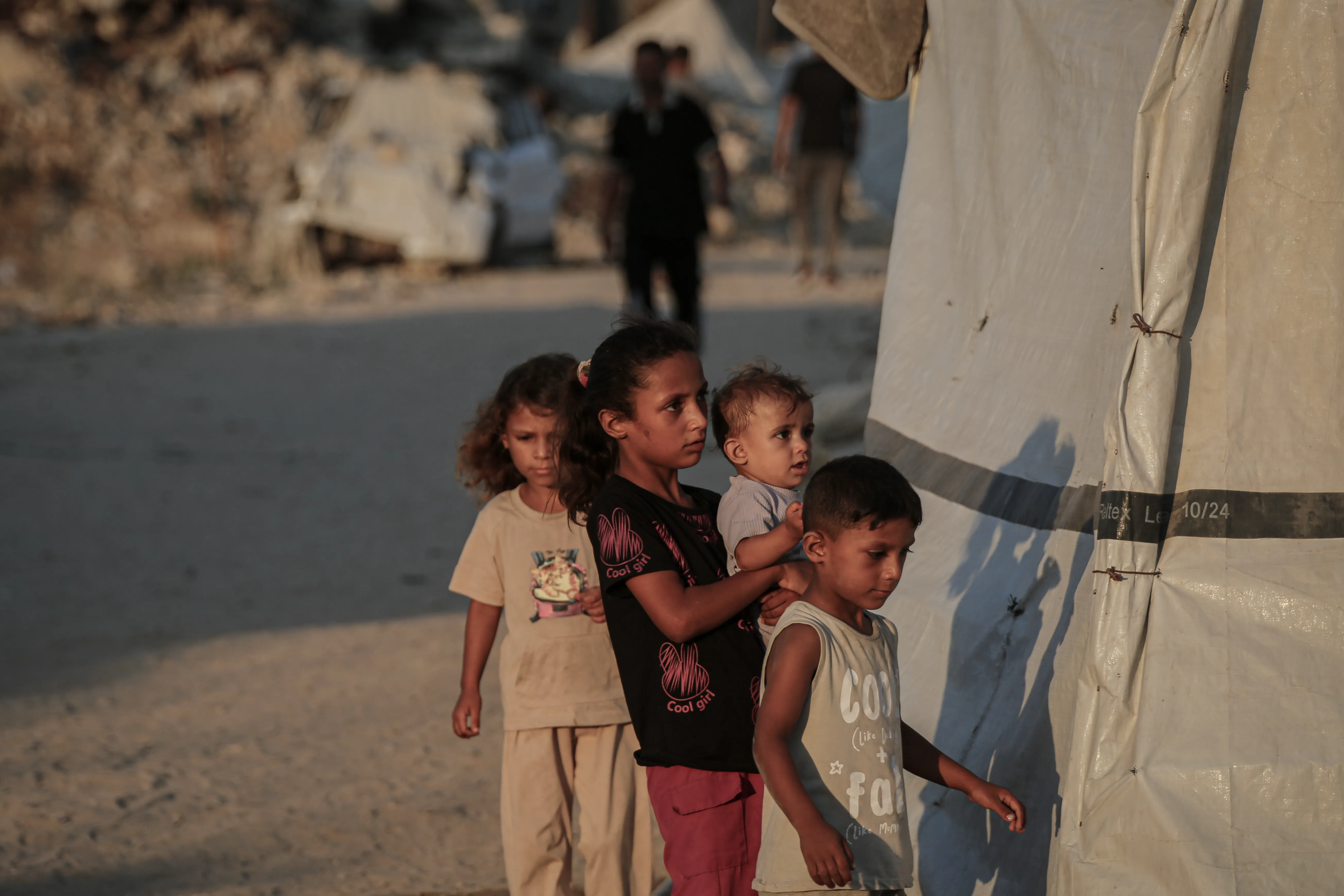
A May 2026 Statista report shows that more than 72,600 Palestinians have been directly killed by Israel’s invasion of Gaza, with nearly 172,500 recorded injuries. Many of these injuries have led to permanent disabilities, especially among children. Beyond these statistics, Majd Nidal, a physiotherapist at a Red Crescent Society rehabilitation centre, looks past the numbers and delves deeper into the lives of her patients. “I see many devastating cases,” said Majd, “but children break my heart the most, and they make up most of my patients.”
Many of the cases she handles involve spinal cord injuries and traumatic brain injuries (TBI) caused by explosions or shrapnel from bombing during the war. Another recurring case is Guillain-Barré Syndrome (GBS), defined by the World Health Organisation as a rare condition in which a person’s immune system attacks the peripheral nerves, resulting in near-total paralysis and breathing difficulties. These cases are caused by a bacterial infection resulting from contamination, typically transmitted through contaminated food or water. It spread significantly during the war.
“Before the war, we would see a case of GBS every year or two,” she added. “But during the war, more than 100 cases were recorded in just three months. That is an enormously large number.”
In the centre, Majd and her colleagues give their all to provide rehabilitation services, physiotherapy, occupational therapy, and psychological support. They do this despite lacking advanced equipment and MRI machines to identify some complex injuries, as they were all destroyed in the war. “We work with primitive means,” she continues, “because the equipment simply is not there.”
For her, although all cases are difficult, she recalls one particular case that was especially hard to witness. It involved a child who had a traumatic brain injury that affected his hearing functions, similar to the 35,000+ people who have experienced significant hearing damage as a result of exposure to loud explosions. Although his ears can still hear, his brain can no longer process what it is hearing. “The first time I saw that child, I was deeply affected by what he was going through,” she said. “We’ve worked hard to find another way to communicate with him. Now he communicates through illustrations and visuals.”
The environmental consequences on education
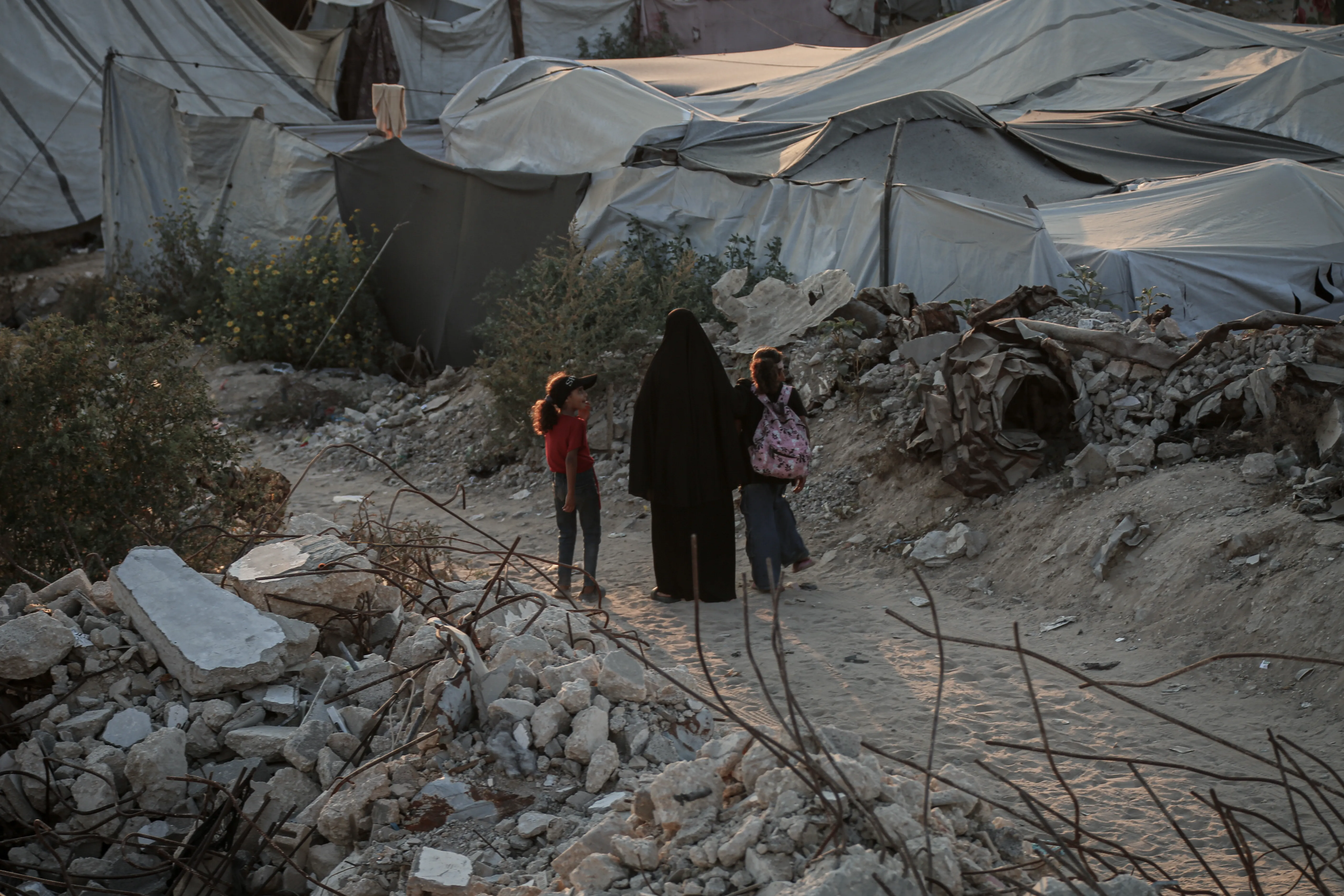
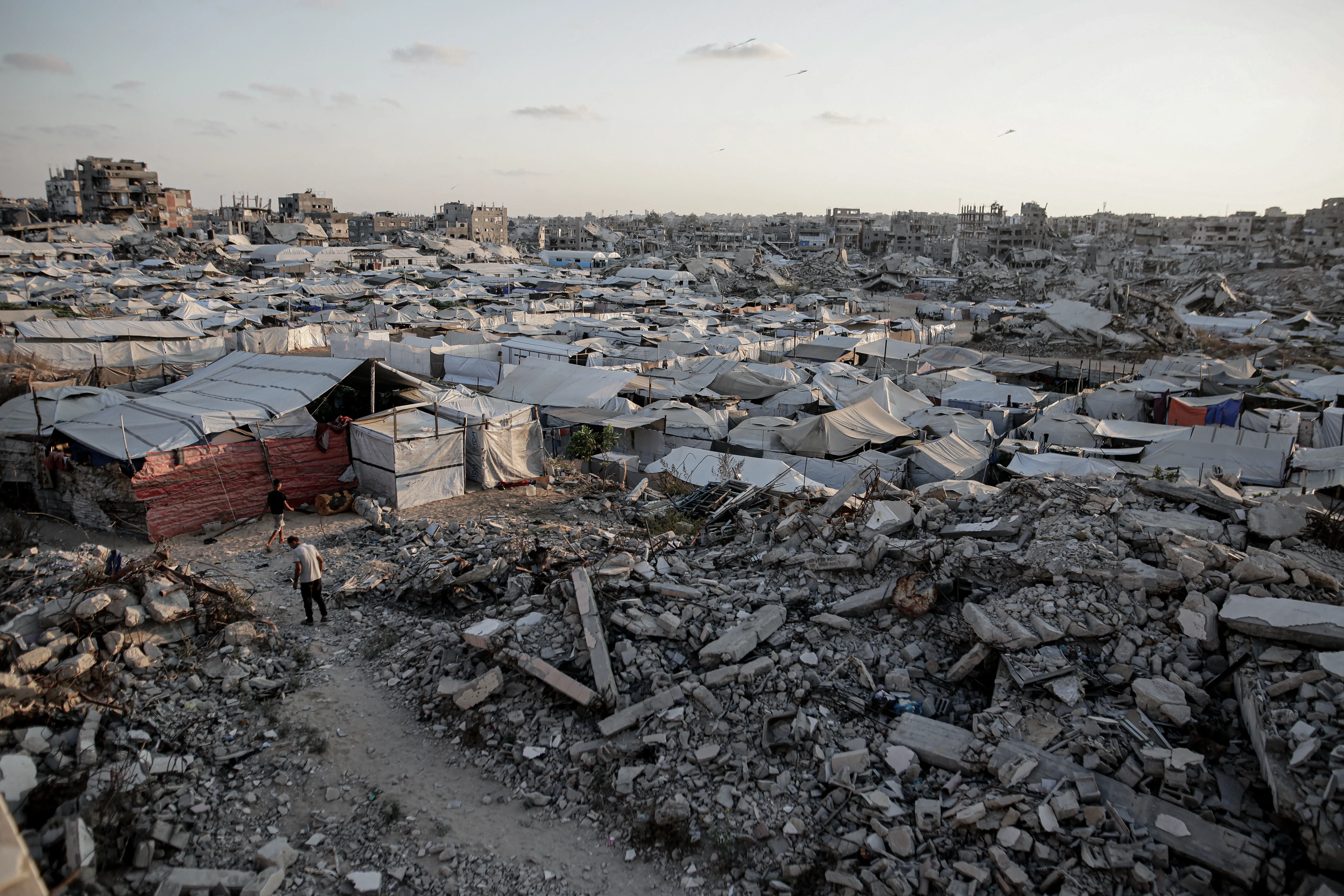
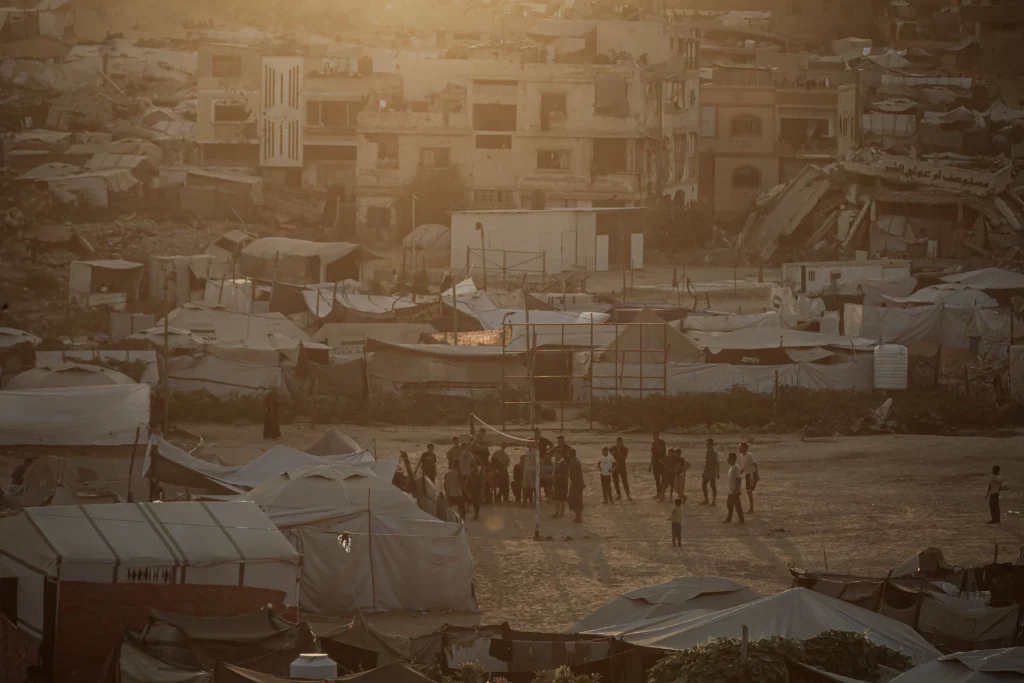
For Riham, a primary school English teacher, environmental consequences make the schooling process more challenging than ever. Her daily struggle begins long before she enters the classroom, as the route to school is shaped by coercive, inhumane conditions. waste piles and refugee tents and rubble covering the side of the road, leaving little uninterrupted space for movement
Worse still is the waste that horses and donkeys leave on the road when they are used as means of transport due to the lack of operating vehicles. “This waste not only leaves an unpleasant odour,” said Riham, “but also contributes to the spread of diseases in the area.”
With walking as her only remaining option for commuting, Riham finds herself repeatedly tripping over the rubble on her way to school.
When she arrives at school, many more obstacles await, as the school has accommodated hundreds of refugee families in most classrooms and corridors, with dozens of tents in the schoolyard for the past two years. This leaves only a limited number of classrooms available for teaching. Water scarcity and overcrowding mean the sanitary facilities lack basic hygiene, despite repeated efforts by cleaning staff, further complicating the school day.
The schoolyard has also become a major obstacle to extracurricular activities. “Whenever I attempt to organise an activity with my students outside the classroom,” she added, “I find it nearly impossible, as the outdoor environment is either overcrowded or polluted.”
The suffering does not end there. Constant noise, overcrowding, and pollution in the streets surrounding the school, along with sewage problems, mud, and rainwater in the winter, all contribute to making the educational environment unhealthy and unsuitable.
Despite all the struggle and damage the war caused to people and the environment, many initiatives are being implemented by the municipality and local residents to clean the streets, as well as in schools, parks, and hospitals, where people are working together positively to help each other bring back normal life. Riham, her colleagues and the students constantly take the initiative to clean the school and classrooms in an effort to create a healthier learning environment. Residents also volunteer with the local civil societies to restore some parks and children’s playgrounds, and plant trees.
Reflecting the general sense of hope among people in Gaza, Mariam, Mohammad, and Majd all expressed hope and optimism about restoring a beautiful and clean Gaza, no matter how long it may take.