
To be human is to have our hearts open – to discover and love what it is we find. Yet in the throes of our current climate crisis, where information becomes overwhelming and our power as individuals seems to vanish, it can feel easier to close off than to stay present. Dr. Katharine K. Wilkinson reminds us that “to be human is no small thing” – and that the very qualities we are tempted to suppress in the face of crisis when we must act, our grief, our joy, our longing, our sense of belonging, may be exactly what this moment most needs from us.
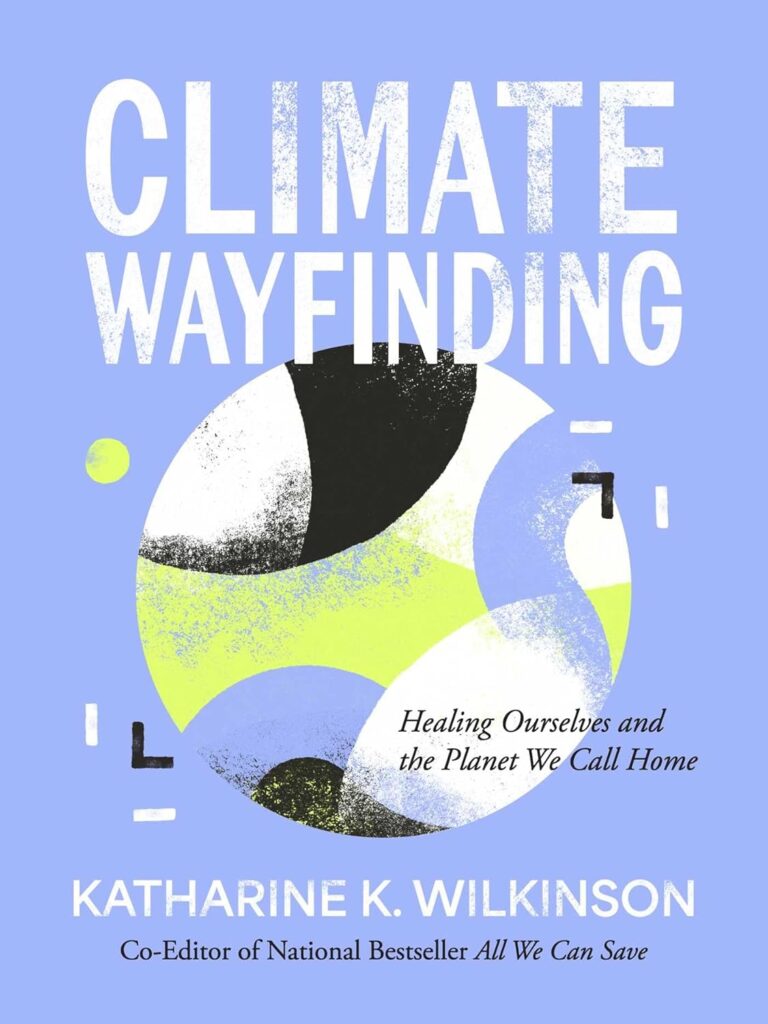
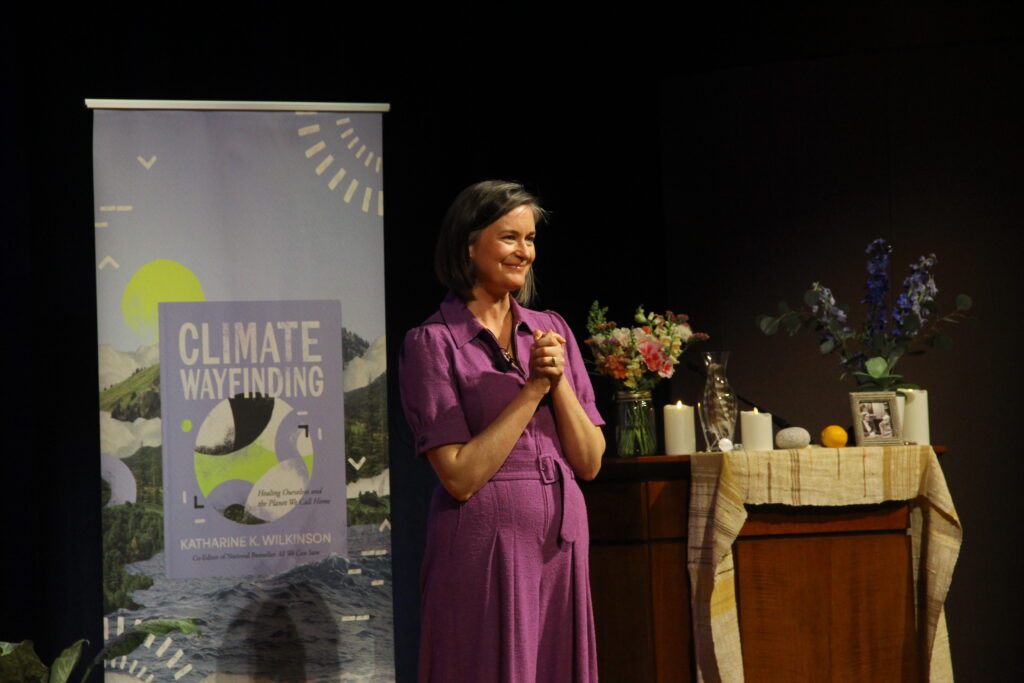
Icarus Complex spoke with Dr. Wilkinson about her new book, Climate Wayfinding – a work that reframes the crisis not as a knowledge problem, but as a people problem. After nearly three decades at the forefront of climate work, as lead author of the landmark Drawdown project and the celebrated anthology All We Can Save, Wilkinson has arrived at a profound and urgent conviction: there is a leadership crisis at the heart of the climate crisis. Climate Wayfinding is her answer to it; proposing not a to-do list or a map but a deeply personal, creatively rich invitation to find your footholds, do the inner work, and discover the particular and irreplaceable role that only you can play.
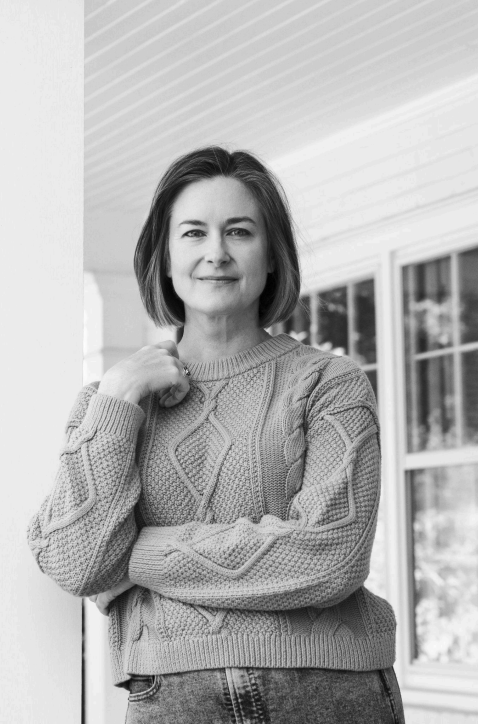
Dr. Katharine K. Wilkinson is a human on Earth.
As a writer, teacher, and creator, she has inspired hundreds of thousands of climate journeys through transformational projects that shift our cultural narratives about what’s possible and nurture engagement in renewing our world. Her publications include the bestselling anthology All We Can Save, the podcast A Matter of Degrees, and the New York Times bestseller Drawdown. Dr. Wilkinson co-founded and leads The All We Can Project, where she shaped the much-beloved programs All We Can Save Circles and Climate Wayfinding. She holds a DPhil in geography and environment from the University of Oxford, where she was a Rhodes Scholar, and a BA in religion from Sewanee: The University of the South. In 2019, Time magazine named her one of fifteen “women who will save the world.” She lives with her loves in Atlanta, Georgia, and finds her deepest joy on a mountain or a horse.
Sophia Hoag: So, just to start off, our first question is, you’ve spent nearly three decades in climate work, writing drawdowns, co-editing All We Can Save, building programs at the All We Can Save project. What was the specific gap you kept hitting that made you feel this book, Climate Wayfinding, needed to exist? What was missing in the conversation, did you think?
Katharine Wilkinson: Thank you for starting us there.
I have zigged and zagged through climate from my earliest high school activist days until now, and I’m now 43, so it’s been some years. And over that time, there was a personal experience that I kept having, which was that it’s hard to navigate where, for me personally, it was hard to navigate Where do I fit? Where can I best contribute? Like, what is my role to play in this kind of wild ecosystem of transformation? There’s so many potential roles to play. There’s so many potential solutions to contribute to, but it’s hard to figure it, right? There’s a lot of sense-making. And so I kept finding finding myself at these crossroads with very little support from within what we might call the climate movement or the climate community or the environmental space to help do that sense making and orienting and navigation. So that was a real, you know, I sort of kept finding myself going to spaces to shore up, to renew, to reinvigorate my sense of possibility, to discern kind of what the next right work for me might be. And that was happening at a personal level. And then at the same time, I was, you know, kind of witnessing within this space, just an an under-investment, an under-attention, an under- tending, we might say, to people, right?
You know, we can have the breakthrough clean energy technologies, we can have brilliant policy, we can have, right, we can have all of these pieces of the puzzle, but if we don’t have people, people who are in this work with vigor, with depth, courage and sustained, right, over time, all of the rest of that is not possible.
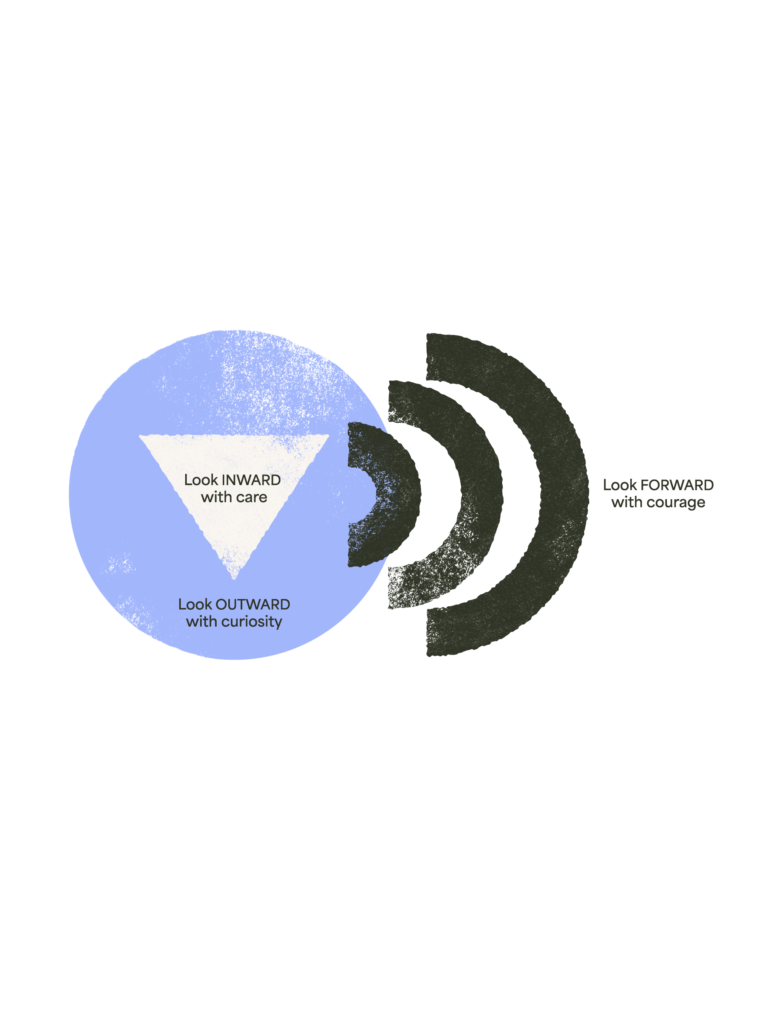
And it felt to me like we kept just sort of thinking like, well, that’ll just sort itself out somehow, right? And it’s not to say there have not been any efforts in that space. Clearly there have been some wonderful efforts to cultivate engagement and leadership, but I just felt like something was missing, particularly something that brought together the inner work of this work and the outer work of this work and the forward-looking nature of this work. And so this is a long answer to that question. Which is to say that this is, I think, the holistic heart forward approach to navigating this very tricky time of trouble and possibility and our place in it, that by and large, we have needed and haven’t had.
S.H.: Yeah, yeah. When you say adjacent environments, adjacent spheres, were you referring to?
K.W.: So it could be anything from, there’s a monthly circle that I’ve been a part of in Atlanta that is not at all climate focused, but it’s been a space where I could take the heavy, hard emotions that I have felt and sort of at peak moments certainly really struggled with in this work. And I could go there and express and work with those things. So that’s a kind of in my backyard sort of example. Or I found myself going to kind of other programs, for example, the Center for Courage and Renewal has been many years now, over a decade now. I went on a retreat for a group of quote, unquote, young leaders and activists, folks who were working working on all sorts of different social challenges with the Quaker author and teacher, Parker Palmer, and some other leaders from that space. And I arrived to that retreat sort of just running on fumes, right? Like really kind of feeling like I didn’t, I couldn’t see a path forward for myself on climate. And again, that was not a climate focused space but it was a space of really deep community and holding the big questions that we were all grappling with and finding ways to work with those generously and in ways that were generative and then opened up new paths beyond that time. And that was a really formative experience for me.
I felt so convicted coming out of that, that we are deeply capable of giving each other what we need, right? Like there’s a lot around climate that is rocket science, maybe sometimes quite literally rocket science, but the human infrastructure doesn’t have to be, but it does take intention. It takes time. It takes support. It takes some structure. And it takes centering it as not just a nice to have, but really at the heart of everything we’re trying to do. So in some ways, I think there were little seedlings planted there at that little very humble lakeside retreat center where I found, yeah, a sense of renewal to keep going in this work.
S.H.: That’s awesome, yeah. I think a lot of us at Icarus can relate to that personally and have very similar outlets or desires for those outlets.
K.W.: Giving name to climate feelings also.
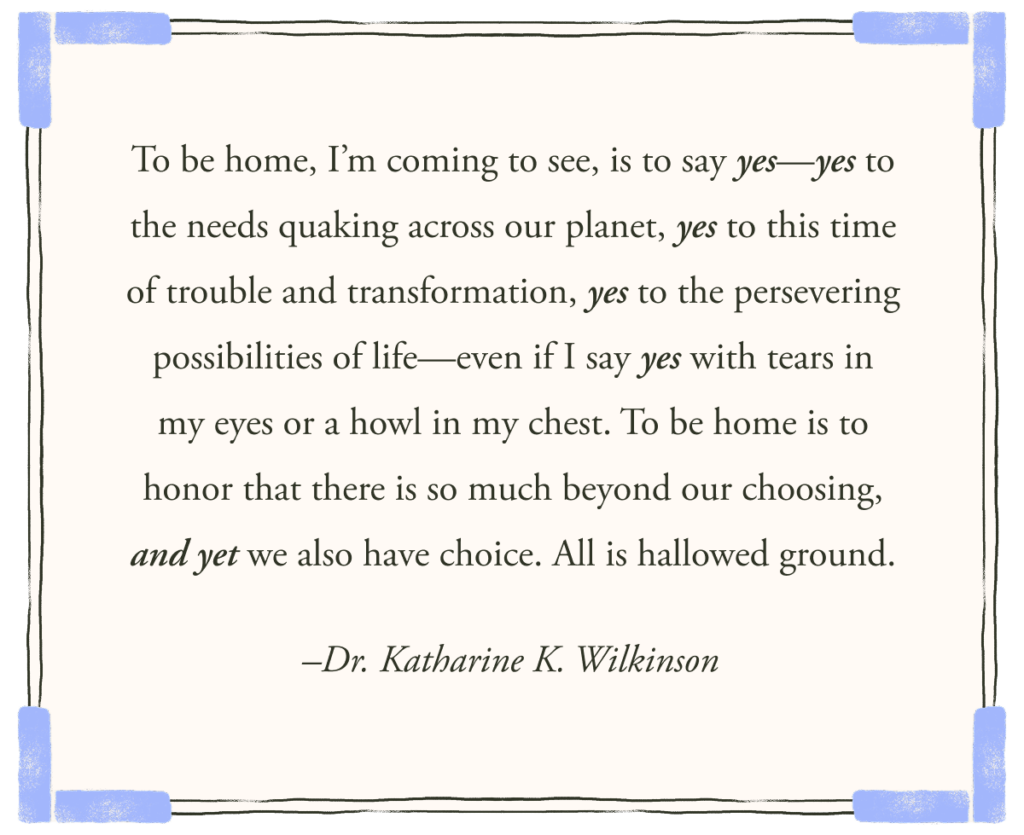
S.H.: You know, a lot of the time books or certain info outlets will instead, instead of giving, How do I put this? They give people to-do lists of how to solve the climate crisis.
K.W.: We love to-do lists in this space.
S.H.: We do. And I think that it’s convenient. It’s straightforward. It gives people clarity because it is a crisis that needs to change now. And so people feel that having that list is better than going on a personal journey that you seem to do when you talk about footholds, when you present the different footholds.
I think that there’s still a lot of skepticism in climate crisis about inner work, like you were just saying, emotions, meditation, journaling, art, being in community in general. People feel that that is a luxury or a distraction in a climate crisis. Being more specific, how do you respond to that and what do you think is the cost of skipping it?
K.W.: I love this question. Yeah, I think that sense of like, we don’t have time to talk about feelings, there’s work to do.
On the one hand, I get it, right? I have some empathy for that perspective because there is a lot of work to do and there is an incredible urgency. But those feelings are with us whether we engage them or not, right? They are circuiting through our beings they are circuiting through our interactions and how we show up in this work.
And particularly when we aren’t willing to engage them, they can either become sources of drag, right? Things that keep us stuck, things that keep us playing smaller than we might otherwise, things that might take us out of this engagement entirely, right? Because it’s just, it’s too much. And they also can, I think, show up in some really unhelpful ways. I think probably most people can imagine an interaction with a climate person or an environmentalist where you’re like, whoa, that didn’t feel great, right? That was so full of finger wagging or it was so full of doom. It was so full of like slinging facts at me as if I am not already awake, as if I don’t already care.
And so to me, the need for being with the reality of those emotions, creating space for them, it gives us the chance to learn from what our emotional knowingness is telling us about where we are and what’s happening. Transmute those feelings from something that might create that sense of stuckness or paralysis into something that is a lot more like fuel, right? And actually orients us to our deepest motivations in this work. And I think about a conversation I had with Kriti Konko for an episode of a matter of degrees some years ago now. She’s a climate scientist, but also a Zen Buddhist priest. And she said, pretty bluntly, if we don’t fucking feel our feelings, we will take shallow action.
And I just thought, yeah, that’s exactly it, right? And it kind of brings us back to those checklists of, things for people to do, right? That’s like, well, if I just get the recycling out, and if I just have a veggie burger, and if I just, you know, like, maybe I won’t feel terrible.And I just thought, yeah, that’s exactly it, right? And it kind of brings us back to those checklists of, things for people to do, right? That’s like, well, if I just get the recycling out, and if I just have a veggie burger, and if I just, you know, like, maybe I won’t feel terrible.
And I understand those lists also because people ask all the time, what can I do? And I think this is actually one of our misunderstandings, that that is a question, like sometimes people really do just want a punch list. And I think it’s often a Russian doll, that question that holds within it these other bigger, sometimes unnameable questions about belonging and about coping and about what it means to be human on Earth. At this time. So I really believe if we don’t make the space for those kinds of conversations, that might feel, you know, yeah, like a privilege to take the time to talk about those things. I don’t think we actually unlock the forward movement that we really need.
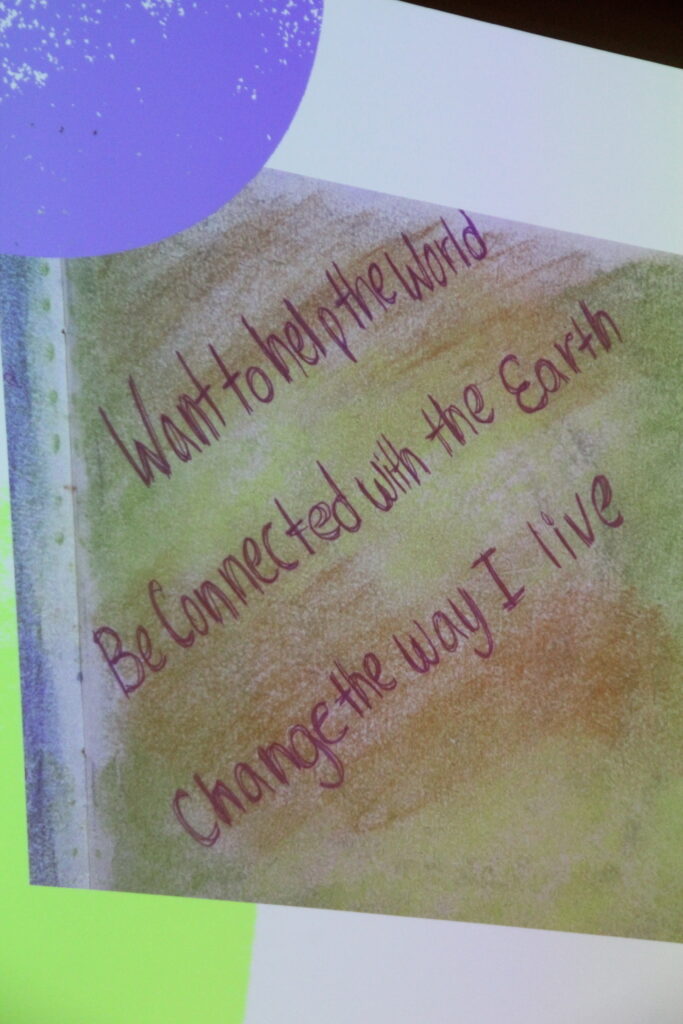
S.H.: What are you unlocking when people approach this, what can I do, kind of question differently? Well, so often the things we’re told to do, right, are things that have nothing to do with who we are, right?
K.W.: Like, we’re just getting to know each other, Sophia. I know that you’ve got some architecture and design, I imagine, but I know so little about you. Who am I to tell you what you should do, right? I know very little about your community, your context, your values, your superpowers, the things that are like the very best of yourself, right, expressing into the world. And I think that that is what this moment is calling for. And this crisis is calling for is for us to come into this work from that deep wellspring of the life force that that we have within us, and to do not just what some person thinks is the right thing to do, but to find that most brilliant, shimmering kind of contribution that we are capable of The idea that I hold at the core of my work, and it’s kind of the core idea of Climate Wayfinding, is that we are each a node of possibility for healing the climate crisis, whoever we are, and whatever we’ve got to give. And I think if we take ourselves seriously, right, as nodes of possibility, it’s like, Oh, well, what does that mean? Right? That opens up like an entire new dimension, I think of, of what we can do, but also who we can be in this work.
S.H.: Yeah, I think a lot of people think that you have to be an activist, you have to be a politician or you have to be a scientist and they forget I remember you said in another in a podcast that um, you know, you could be a psychologist and you could help kids with you know Climate anxiety you could be an educator of sorts. There’s all different ways depending on you know, who you are and not just having to do with your outward life Also, so much of us, we think that we are just our jobs. But there’s a lot of different parts of ourselves. And one of those parts that I think we forget a lot is that our community is part of us.
K.W.: It’s actually been, I think, one of the most beautiful parts of when we run.
Climate Wayfinding is a book, but it existed before being a thing with pages as a program, as kind of an experiential learning and community and leadership development program. And there have been so many people who’ve come into that experience thinking, there’s not really a role for me in this, or the role is supposed to look like X, right? Like, I’ve been out there doing lobbying days, I’ve been they’re going to protest.
But actually, like the thing that gives me life is bringing people together and facilitating and right, okay, so now I’m imagining a totally different role for myself, or I’m thinking about a theatre professor who came on one of these retreats, and she thought I don’t there’s not really a contribution for me to make and then began to realize, oh, there’s so much that we need to change about culture and the stories that we tell and theater is an amazing avenue to do that. And then that unlocked a whole potential path for her. And others, I think, have found it just actually affirming to own the way that their nodes move. And that we need it all, right? We need it all because there’s not any place, there’s not any sector, there’s not any part of society that is untouched by this crisis and doesn’t need to move towards a rebalancing with the systems of life on this planet. Yeah.
S.H.: So when you talk about this, are you talking about the eight dynamics of the climate engagement?
K.W.: Shall we talk about those?
S.H.: I mean, is that what you were referencing before, just to make sure I’m correct?
K.W.: I was thinking about, well, I was thinking about when I say, which piece are you connecting to help me?
S.H.: So these workshops that you were doing, these community engagements. They were called the eight dynamics of climate engagement.
K.W.: They were just called Climate Wayfinding.
S.H.: Got it. Okay. Yes.
K.W.: So we, yeah, kind of the origin story of this book is that I, I was looking for a better way to answer that question. What can I do? And I wrote a piece for Time magazine that was kind of here’s five ways that I have found useful to work with that question. Rather than giving you answers, here’s how you might work with that question in your own life. And then I thought, oh, that was kind of interesting. What if this was actually a learning experience, an experiential program? So we designed that. We ran pilot cohorts. In 2022. And then we started to train educators to take this program and bring it to life on college and university campuses. And we now have almost 100 facilitators that we’ve trained, and we have another 100 people training with us this summer at the Omega Institute. And what’s really exciting with this cohort of facilitators still includes lots of educators, but it also includes people from cultural institutions and community organizations and lots of different spaces that are thinking about how to cultivate climate engagement and climate community. And then it became a book.
S.H.: And then it became a book.
K.W.: Yeah, to try to make climate wave finding accessible to anyone with a library card and so it’s not just a book that talks to you, but it really is a book that you can engage with and participate in as a solo reader. And there’s also a group experience that is built into every chapter of the book as well.
S.H.: Yeah, I want to get back to that group experience. But I think the reason I asked that question is I wanted to know what support surprised you most when you started testing with real cohorts and which of the dynamics do you find most people are struggling with right now?
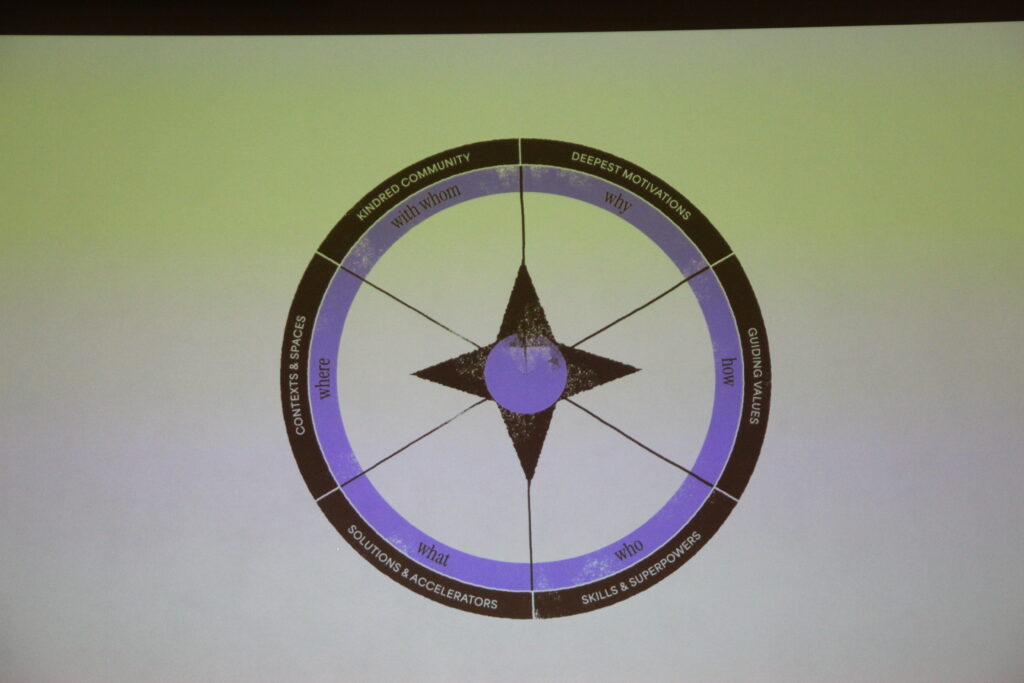
K.W.: It’s a great question. Yeah, so we use this framework. This is the guiding framework of our work at the All We Can Save project and including Climate Wayfinding. And it’s eight dynamics that are kind of together, add up to deep, sustained, courageous climate engagement. And you can imagine the first of the dynamics is about motivation. And you can imagine that people come into Climate Wayfinding feeling pretty darn motivated. That is almost, I think I can say, in every single cohort, that has been the highest. People start out really, really high on motivation. And then you start to come to feeling connected to Earth and kindred community, being able to work with climate emotions, access healing and rest, finding footholds for action and collaboration. And it gets a little, it looks like a web, the responses to this.
And so you’ll have this spiky part around motivation and then the others kind of get a little, you know, and it depends on the group. But there’s often a real low point around emotions. There is often an enormous low point around clarity, right? A clarity of contribution, footholds for action. And then the eighth dynamic is a sense of power, possibility, and joy in the work. And often that one is quite low as well. So it’s really beautiful to see these webs kind of grow from the beginning to the end of these programs. And I would say almost across the board, that sense of clarity around someone’s contribution, that sees the most expansion of all of them. But we’ve actually seen all of the eight dynamics expand in every single cohort that’s done the program. It’s pretty cool.
S.H.: Yeah, that is really cool. I feel like in these programs there must be so much, so many exchanges of joy. You write that, you know, joy is radical. Coming back to this kind of what we were talking before, you know, joy should not be made to be a crumb, but instead more necessary and more holy and difficult times than in less. For people who feel guilty experiencing joy while so much is being lost, what do you say to them?
K.W.: I think I feel that sometimes, right?
And it’s not dissimilar to, you know, who are we to take the time to go feel our feelings and who are we to feel joy? And I think there’s a piece of this that’s quite strategic. Which is if there’s no joy in any of this, it’s very hard to stay in it, right? It’s very hard to keep showing up to the long haul of work on these issues. Also, it’s strategic because who wants to join a movement that doesn’t have any joy, right? We have to remember that we’ve actually done job waking people up.
The majority of people are worried, the majority of people want to see more action, but it’s a very small percentage of people who have taken that concern and turned it into participation of some kind, right? And so when we think about the work of welcoming people in, getting people off the sidelines, you know, if it’s all grumbling and grouching and tears and finger wagging, who wants to join that? So I think there’s a strategic level about joy. But the deeper thing to me about joy is that it’s just at the heart of what it means to be alive.
I think that there is something about, at the end of the day, if you think, why are we.. I’m not doing any of this, right? It’s because we want there to be a vibrant future for life, human life, more than human life. And okay, great. Why do we want that life? If there’s no delight, if there’s no joy, if there’s no exuberance, if there’s no laughter, there’s no dancing, there’s no music, there’s no beauty, like, why would we want that?
Inviting in joy, giving joy its proper seat at the table is about staying in touch with the very thing we say we’re here to do, which is to be part of life force on this planet.
S.H.: I couldn’t agree more. I feel like every chapter has this great, you know, soulful, authentic joy, including all of these creative, lyrical, artistic expressions, essays, poems, the Light in the Way profile, a playlist, which I think is so, you know, so perfect for Gen Z especially, exercises, both hands-on and quiet for yourself, meditative, as well as community gathering agendas. Like, it’s just genius, but You know, I think this is still when you pick up a book, this is not the normal format. What do you think?
Like, what can these modes of artistic expression, meditation, social experimentation do for the individual and community at large? Like, why did you do that? Why did you make that choice?
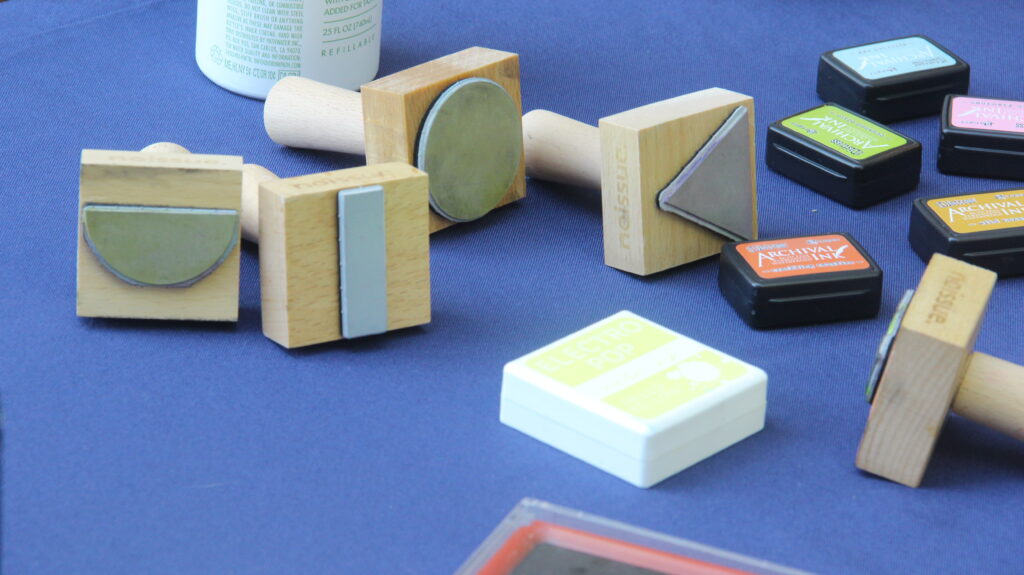
K.W.: What is this non-book book? What is it doing? Totally. Well, I think you can feel the ethos. You can feel the origin of this book is not a book, right? You can feel that the origin of this book is something experienced and embodied. And so part of the task for me in writing this book was bringing all of these beautiful elements that we had designed and curated for the experiential and trying to honor them, bring them onto the page, give them a home in the book version, and also have the book version be a catalyst for the experiential embodied life of a reader or a reading group, right? So there was this really fun, I think, design challenge to all of that.
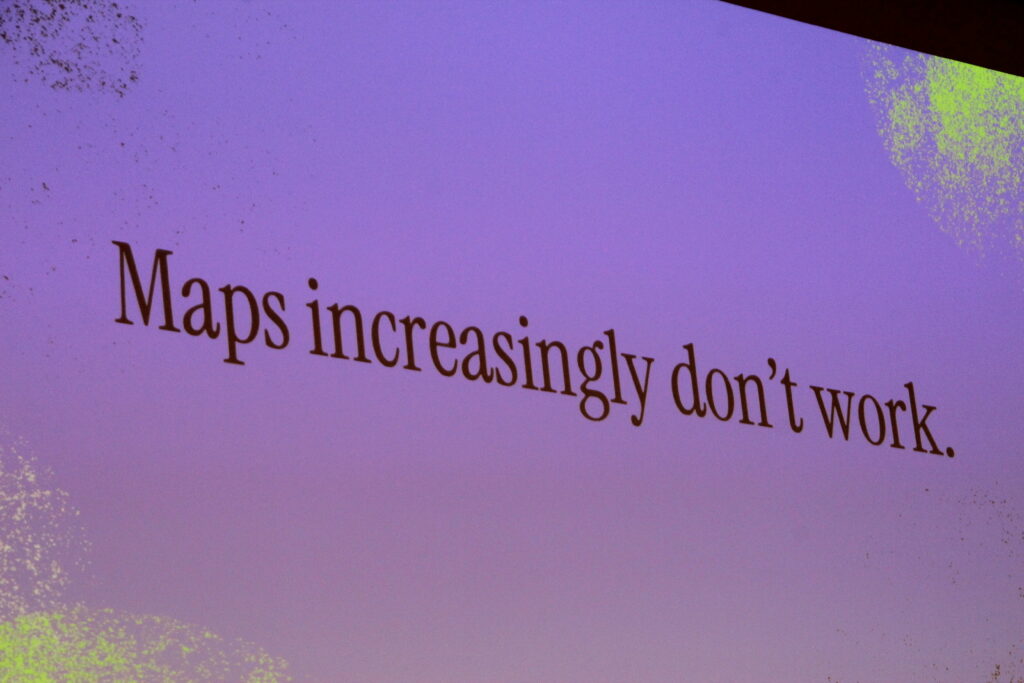
And at the end of the day, it’s about inviting, I think, all of our faculties to come into this exploration, right? That’s like, we can’t navigate this increasingly mapless world that we’re in if we’re only using our rational mind, the prefrontal cortex, if we’re not tapping into these more soulful, creative, connected ways of knowing and being and sensing. And to me, poetry I find so deeply nourishing, so deeply illuminating. My God, we need more music. Song is just so good. Design was a huge focus in this book. I think design and beauty have a real role to play in the same way like insects are drawn to flowers, right? Like if we wanna be bringing people in, if we wanna be shoring ourselves up, I think that’s really important. But yeah, this is very much a book that wants to live with readers beyond the page, right? That is not, I mean, I’ve worked on a lot of books that just talk to you and then hope you will do something. And this I think is much more of a, a book that would like to kind of link arms and walk with you and build some maybe new practices or new capacities or renewed practices and capacities along the way.
S.H.: Revolutionizing the whole human being, including their creative faculties.
K.W.: Yeah, I agree. I hope that this book feels like it believes in us and it loves on us, right? And it sees us. I think we don’t have enough of that. I think we don’t have enough of that. Yeah.
S.H.: I could go on about the poetry personally that you chose. I just loved it. I am a huge poetry person. It’s so dreamy.
We have two more minutes left. But I just have one more question. The last chapter of the book is written partially in the wake of your father’s death. Is this correct?
K.W.: Yeah. And it ends with this meditation on love as the deepest possible motivation for climate work.
S.H.: That’s so personal and raw and real. And what made you decide to include it? And what do you want readers to take from you showing that?
K.W.: I kind of want to just maybe read a little of it. Could that be good? But I know we might run out of time. Let me try to answer a little, and then maybe if we need to restart, we can. I think it’s all about love, really. That sounds cheesy.
Maybe it sounds perhaps a little hallmark card, but I think it is about love, it’s about deep reverence and adoration for what it is to be alive on this like wildly extraordinary planet that is just so amazing.
And I think we need something bigger and deeper to get where we need to go. And the only kind of force I know that I think might have the capacity is love.
“Art, framework, and playlist from Climate Wayfinding by Katharine K. Wilkinson. Design by Lydia Sweeney / Ampersand. Copyright ©️ 2026 by Katharine K. Wilkinson. Used with permission.”