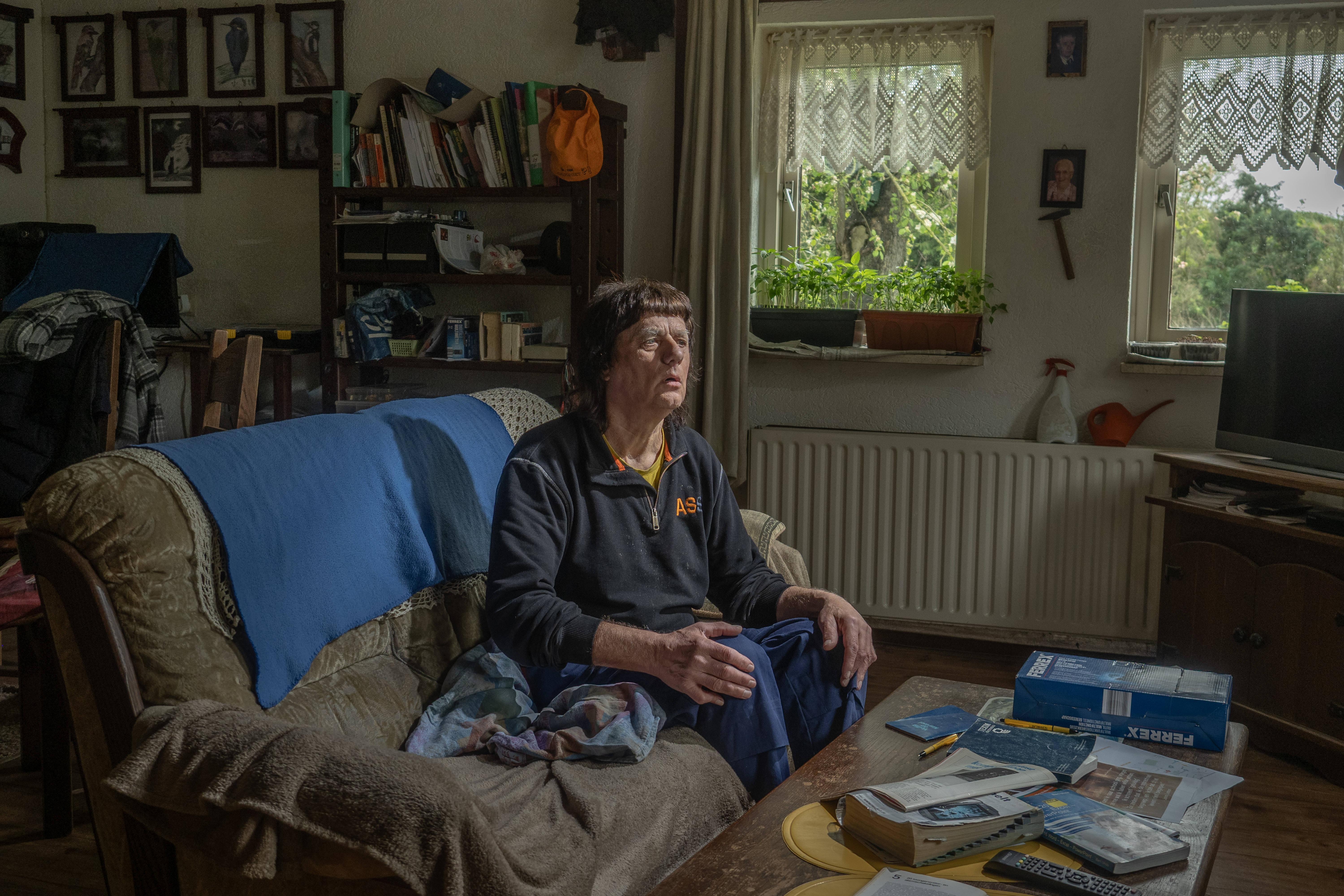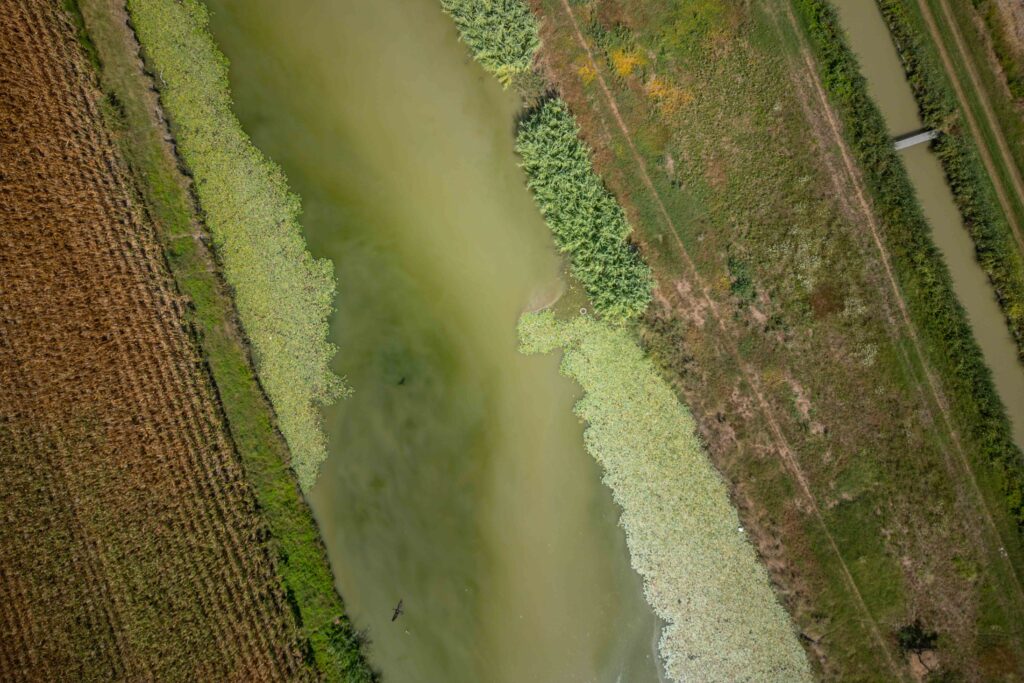
Selene Magnolia Gatti is an award-winning photojournalist based in Berlin and Italy. Environmental issues, food production, and the lived realities of communities navigating ecological change, social inequality, and political borders are the focus of her practice, grounded in intersectional feminist ethics and commitment to questions that are often overlooked. Her work was exhibited at Visa Pour l’Image 2022, and has been distributed by Panos Pictures since 2023. In 2024, she was awarded the Environmental Journalism Fund grant for her ongoing investigative project, Long Shadow, examining the impact of factory farming on neighbouring communities. Her works are internationally published, and Long Shadow was exhibited at the European Parliament in 2025, bringing the issue into the heart of European policymaking. In 2026, she was a recipient of the Vital Impacts Mentorship Programme, joining a global network of photographers committed to environmental storytelling.
Gatti will be speaking at Summit Photo: the Royal Geographical Society’s annual photographic event, featuring talks, exhibitions, and workshops with award-winning photojournalists, artists, filmmakers and explorers on how image-making can shape today’s world. Summit Photo will take place at the RGS in London and online, from 17-19 July. Booking and details available at rgs.org/events/summit-photo.
Icarus Complex Magazine’s Digital Producer, Madeleine Bazil, spoke with her ahead of Summit Photo. This conversation has been edited and condensed for clarity.
Madeleine Bazil: One thing that I wanted to ask you, because I am fascinated, is about your career background. I’m so intrigued by all the many other vocations that you’ve had in your life, and I’m curious about your journey into photojournalism. Do you feel like any of these other parts of your background play a role in how you approach photojournalism or photography?
Selene Magnolia Gatti: It’s a really cool question. I like people that have a completely diverse background, that have gone different routes and it feels like it doesn’t make sense – when it’s not so linear. In my case, it’s a bit random. The photography element was present since very early on. My family has a small photography practice. They own the studio started by my grandfather. So somehow it was always around. And I also got my first camera when I was a child. But their practice is very traditional. It’s a bit different. And growing up, nobody told me that what I wanted to do could be a job. So I never considered it for quite a while. Besides that, I was interested in medicine and in general care in all of its declinations. I ended up becoming a nurse, and I practiced emergency nursing in an emergency department for a few years.
Parallel to that, I started discovering that using the power of images and research to denounce something that is of public interest could be a job. I never knew that growing up. And so slowly I phased nursing out. I also have a passion for languages. I’ve studied languages and briefly worked in the linguistic area. And the funny thing is that I think a lot of what I learned in hospitals and from people in those contexts, I am actually using in my journalistic practice. Sometimes it overlaps, there’s a lot of vulnerability, there is trust, there is understanding, there is communication. There is feeling exposed. Dealing with vulnerable people is a recurrent situation. I carry very dearly everything that I learned in the hospital. I wouldn’t change it.
The case of Long Shadow specifically, is quite interesting because it revolves around medical issues in some parts. So what I love about this project is that it is very intersectional: it talks about climate, it talks about animals and how we see their subjectivities in our time. It talks about people, mostly marginalised people that don’t really have a lot of space. And it talks about public health. So with all of these, somehow I have related.
MB: In some ways, you are the unique person who is perfectly equipped to tell that story because you have all these different threads that you can pull in.
SMG: That’s very kind. I think everyone would cover a story in their own way. That’s what you bring to it.
MB: The thing about trust, and rapport maybe, with people as a result of being in a care profession – not the same thing whatsoever, but I used to be a bartender and I often find that I’m a better interviewer because of that. Everything has its strange uses.
SMG: Exactly, everyone brings a different approach and added value that is the result of their past experiences. I think you can be a nurse and you can be a journalist in many different ways. Taking the time, listening actively: it’s not so far apart.
MB: So tell me a bit more about Long Shadow. What got you originally into this story, what was the connection? How did you get involved in it?
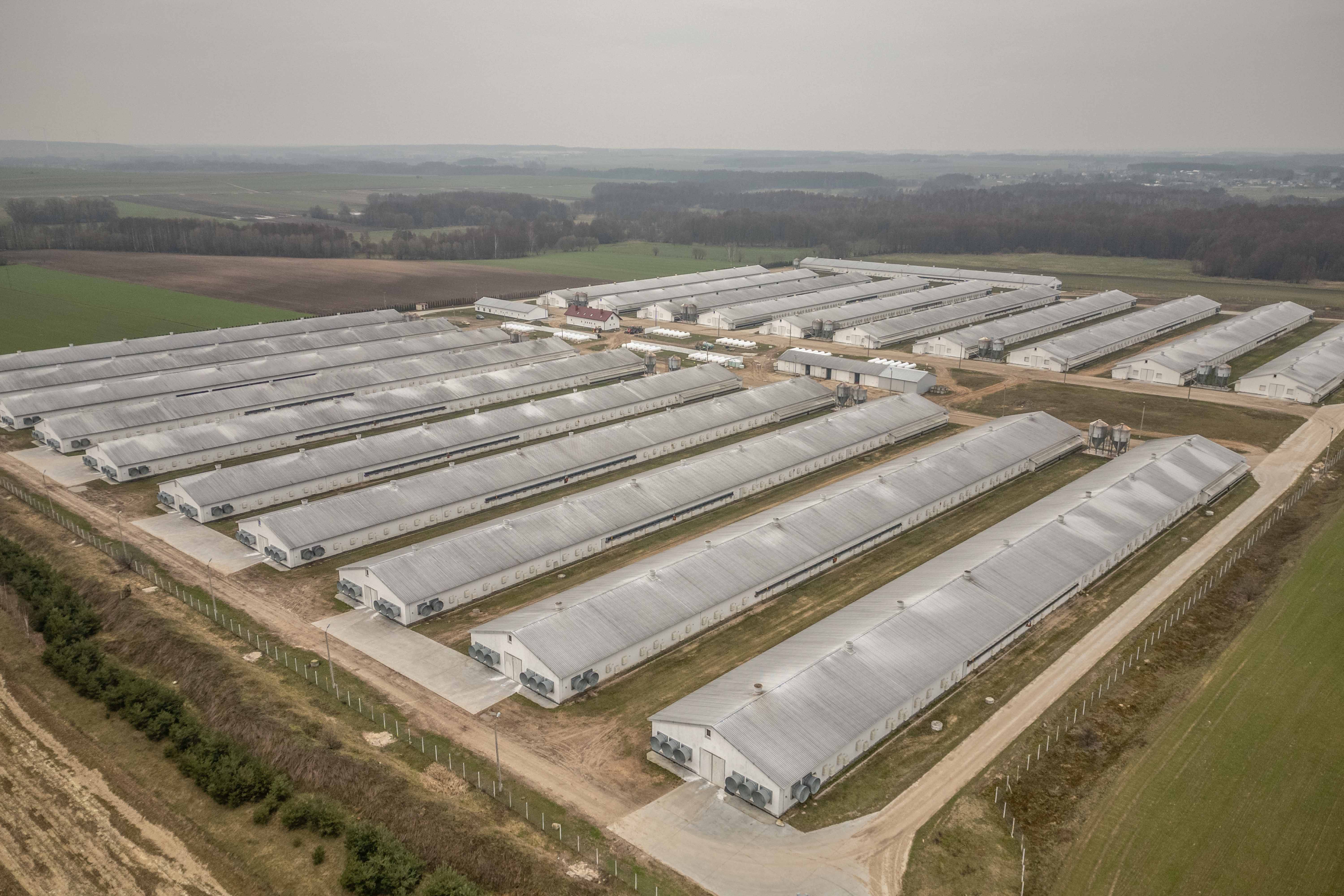
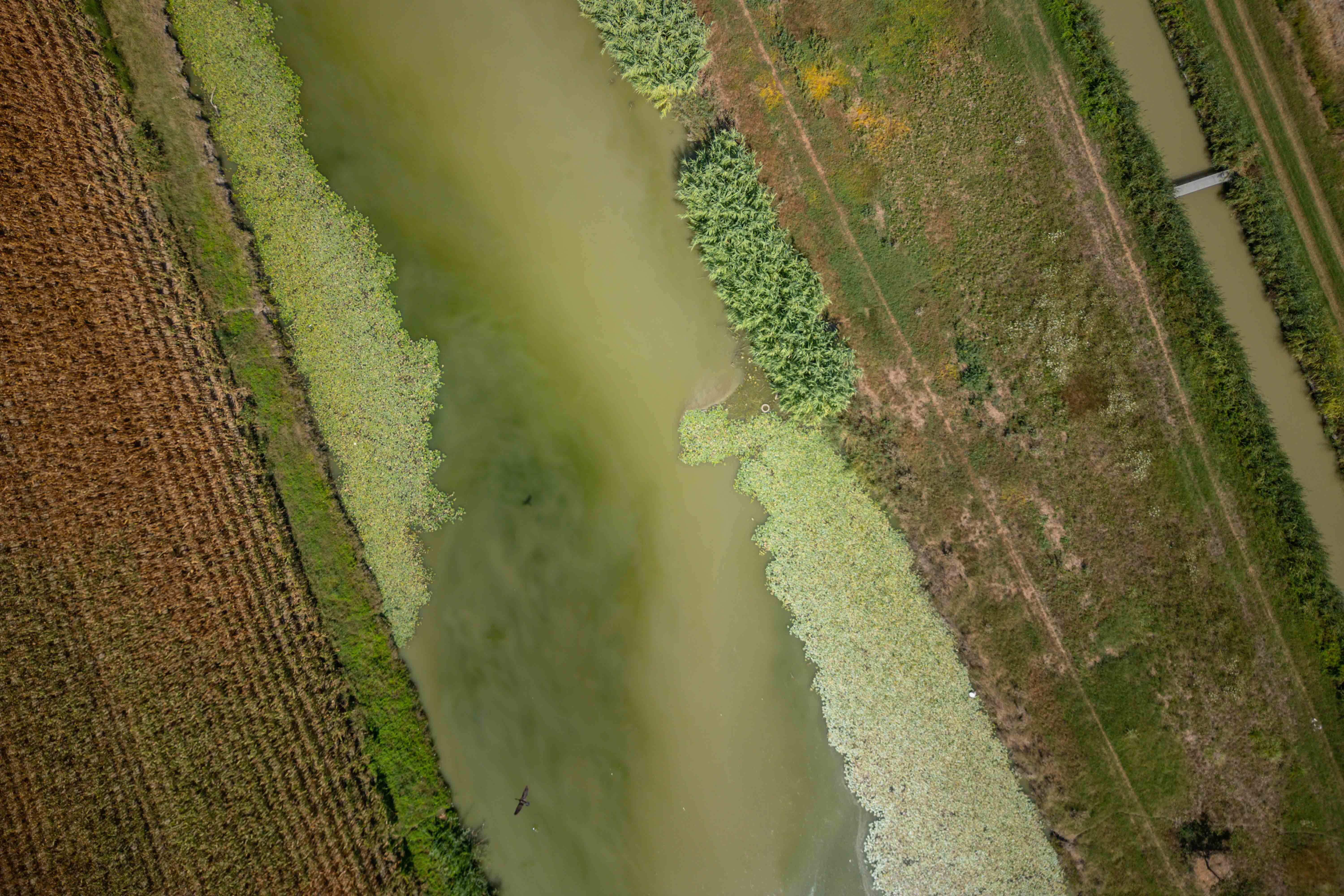
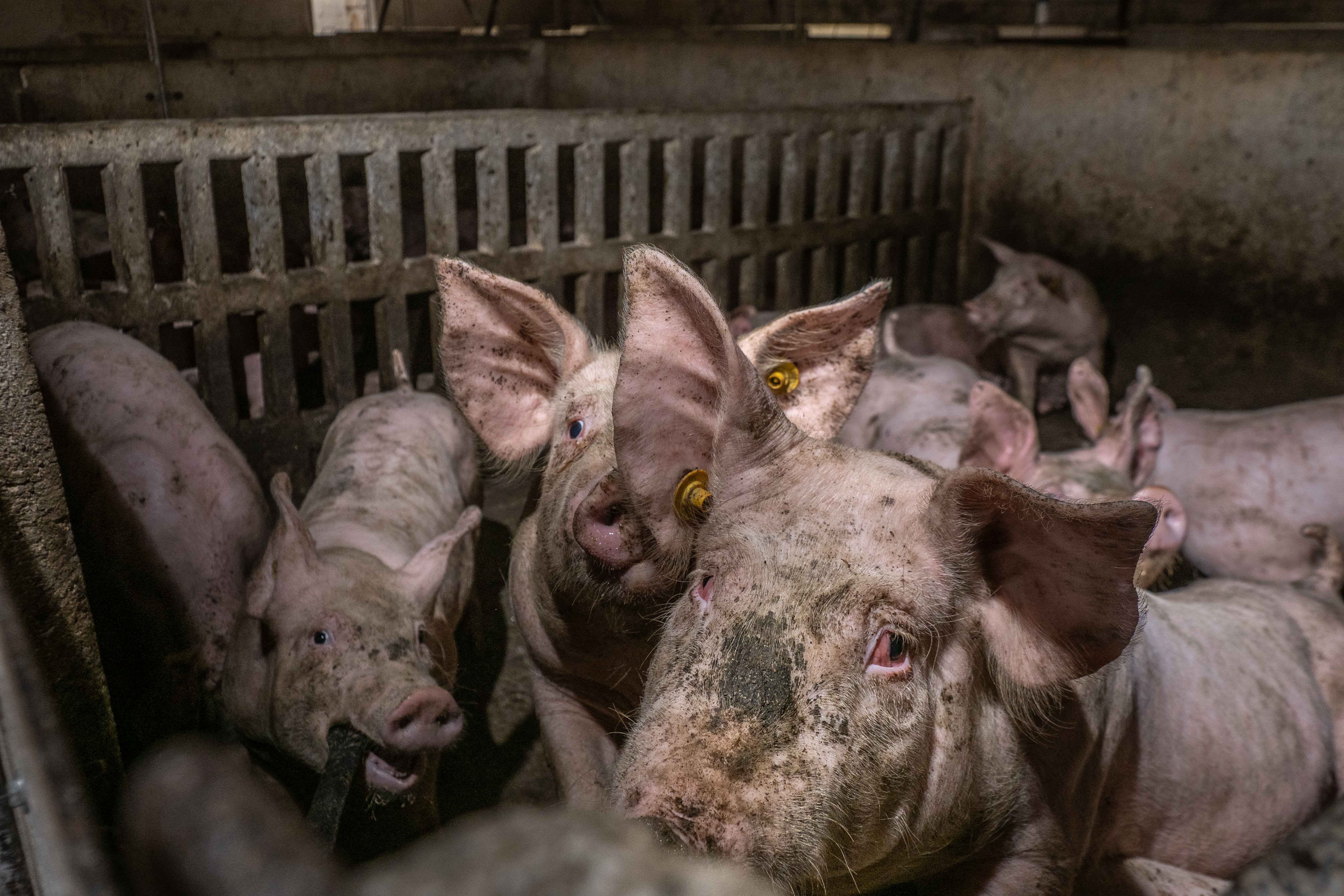
SMG: Since the very beginning, for personal reasons, I was very involved with researching the way we produce so-called animal products. Part of it was documenting and visiting factory farms. I remember feeling like, wow, this is a completely different ecosystem. When you’re in there, immediately, it’s like a tropical climate. It’s hot. It’s wet. There are parasites and animals that are not outside. The smells are completely different. This is a tiny biological bomb that is just placed in a bubble in our landscapes and completely enclosed. And it was always of interest to expand that and explore how all of these small or bigger bombs that are placed everywhere then are interacting with the environment outside. It was when I first collaborated with Greenpeace through Wildlight, that I started investigating and finally knocking on people’s doors to understand how all of these elements that I noticed were actually interacting with the environment – including people.
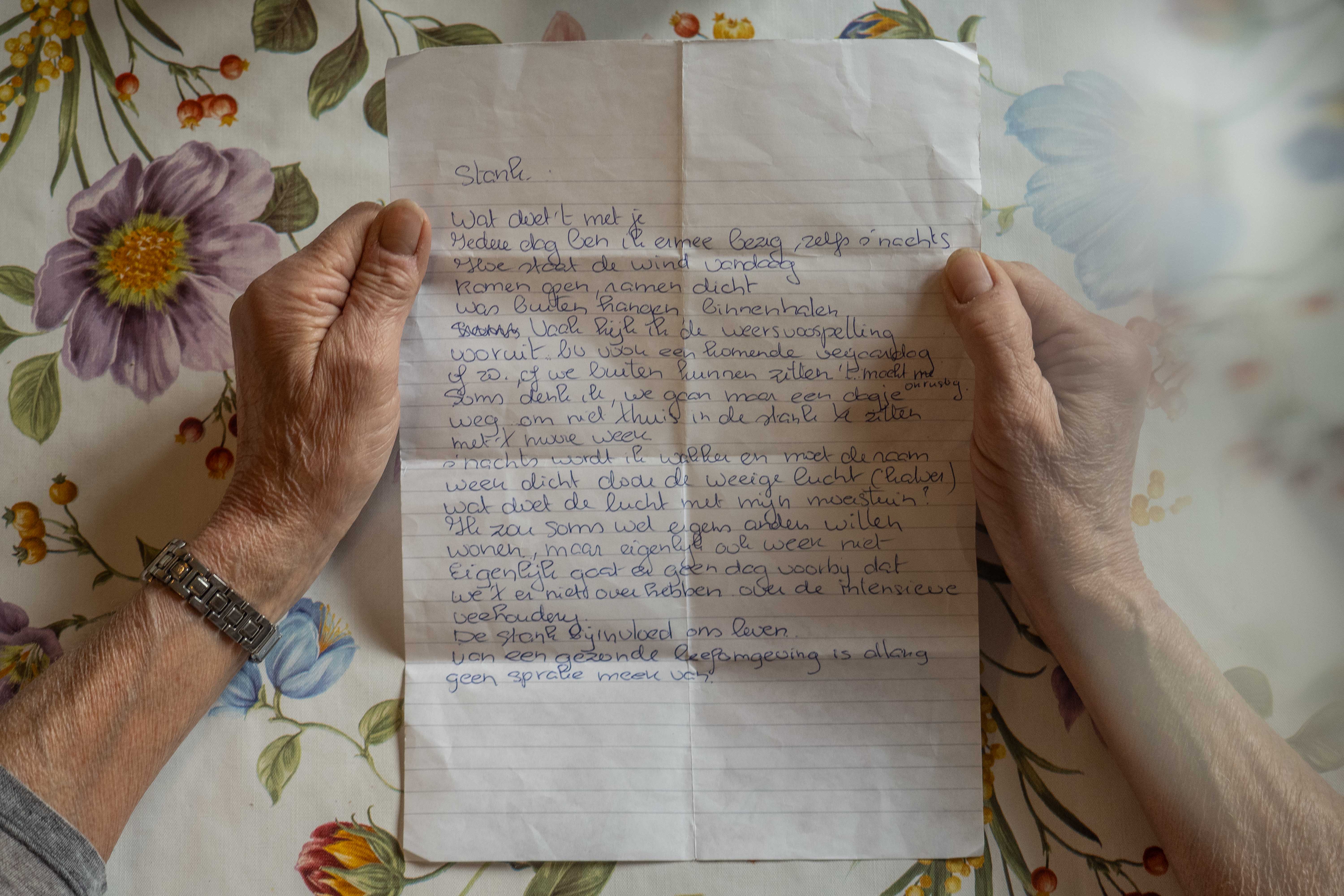
And then after that, I thought that this angle and this story is very important. It’s very under-documented. I decided to continue leading this research to the size that it is now, which is six European countries, and it’s still ongoing. One important element for me was finding a way to talk about the un-sustainability of factory farms from an angle that maybe touches people differently or tells a different story. Since I think these communities are another big invisible character in this whole equation. Yeah, definitely. And I think especially in environmental storytelling spaces, we’re very acclimated to the conventional angles, right?
MB: They don’t quite strike something new in people. We all know that factory farming is bad. And I think connecting it to the community angle and the knockdown effects is important and something that gets overlooked so often. We actually ran an interview on our website a few months ago with a Mexican photojournalist, Cristopher Roguel Blanquet. He did a project about the knockdown health effects of the flower industry on a community in Mexico. These people are often villainised for participating in an economy and an industry that is, you know, pretty troubling. But then, also, it’s their livelihoods. But they’re suffering from all these ailments and diseases as a result. It’s slightly different because they’re directly implicating themselves, but still without much agency. These stories are so much more complicated than we like to give them credit for. So it’s interesting, this idea of factory farms as a bubble like you’ve said. It’s just plopped down somewhere and it doesn’t have interaction with the ecosystem otherwise.
SMG: What really strikes me is that they try as much as possible to keep this bubble completely sealed, but it’s impossible, and somehow what is inside is going to go out someway. It might be germs, might be some substances, pollution, might be some chemicals, might some new diseases.. It’s going to get out somewhere, like a pressure point.
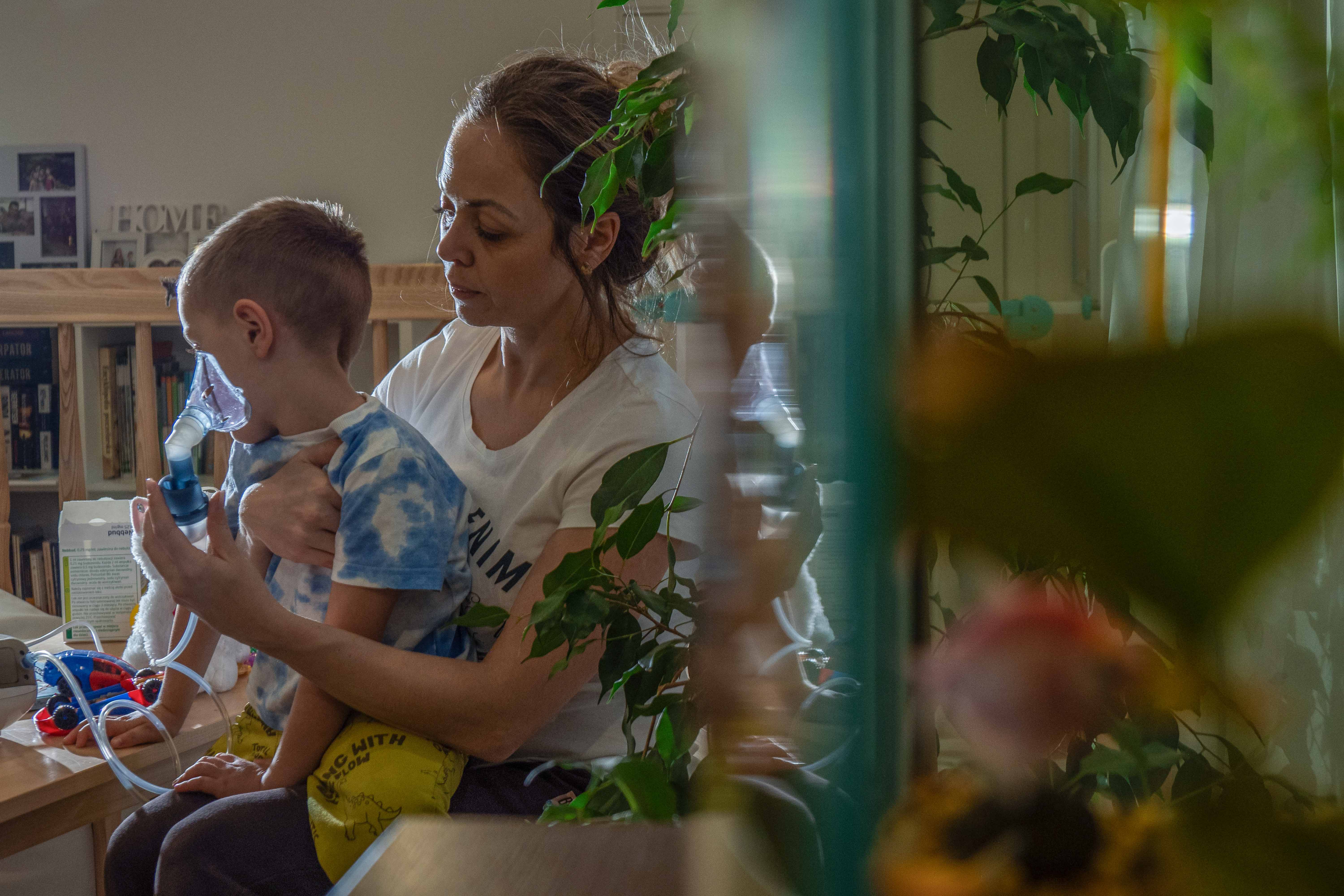
MB: That’s something that we’re hopefully thinking more about post-COVID: this idea of pathogens escaping. This is a story with a real, tangible impact level. I know you’ve exhibited at the European Parliament. What’s the story’s interaction been with policy and policy-makers?
SMG: The exhibition at the European Parliament, organised by the European Environmental Bureau, was definitely one of the best opportunities to touch policy makers. And hopefully that has touched them. Besides that, like I said, it’s ongoing. I am planning to turn this project into a book. I think having a physical object that can be given to people will also increase the impact. There’s always this imaginary impact that you can think your project has had, but very rarely, unless it’s a talk – like in London [at the RGS Summit] – are you going to see people’s reactions. And who knows if a seed has been planted or a policy-maker has become aware of it and has been moved into promoting some type of change.
MB: It’s something I think a lot about: how does one quantify impact in that way? When you’re working in narrative shifts, how to take any credit? Maybe a better question for me to ask is: what do you feel success means for you with this project?
SMG: Well, I would love everyone from readers and the so-called general public to policy-makers to have another element – because my work is just a drop in the ocean. There’s plenty of work and plenty of documentation on the un-sustainability of factory farms, and I hope it provides some useful information for people to make better choices for themselves, when they can. I hope it reaches not only the general public, which is very often people that are trying their best with what they have, but also the people that have an actual responsibility on how things are ruled and how things go in society. And I also hope that it provides some inspiration for researchers to study this more. I mean, of course, as a private individual, I also hope that it brings people to think more consciously on the choices that we make in our everyday. There’s so much that’s interconnected. So I do hope that the privileged part of humanity that can sit down and think about all of that or that has options will be inspired by this work – like many others – as just another little piece in a puzzle where as a society, we go towards a more sustainable system of consumption and values in general.
MB: Absolutely. How vast and far do you see the project going?
SMG: This has been a big question for me, because of course you have moments where you think the sky’s the limit. This is such a global issue and everyone is affected by it. But I feel like for the moment, this should stay a European story. I’m European. This issue is big in Europe, it is underreported, and this work is needed. If in the future I were to continue this anywhere else, then I’ll think about it. I hope for more publications, since each one is an opportunity to present the work in a different way. And I look forward to the book. Hopefully, all of this will happen while the project grows.
MB: I think it’s good to know where you want to end the scope of a project. Sometimes it’s hard to do.
SMG: That is true. The story is neverending, and it could go on forever. There will always be new cases, new stories, new epidemics related to factory farming, new public health hazards. I could wait forever before feeling that the work is complete. But it is timely and needed now.
MB: And the fact that it’s not ending is why it’s so timely and important. Thank you so much.
SMG: Have a great day. Bye bye.