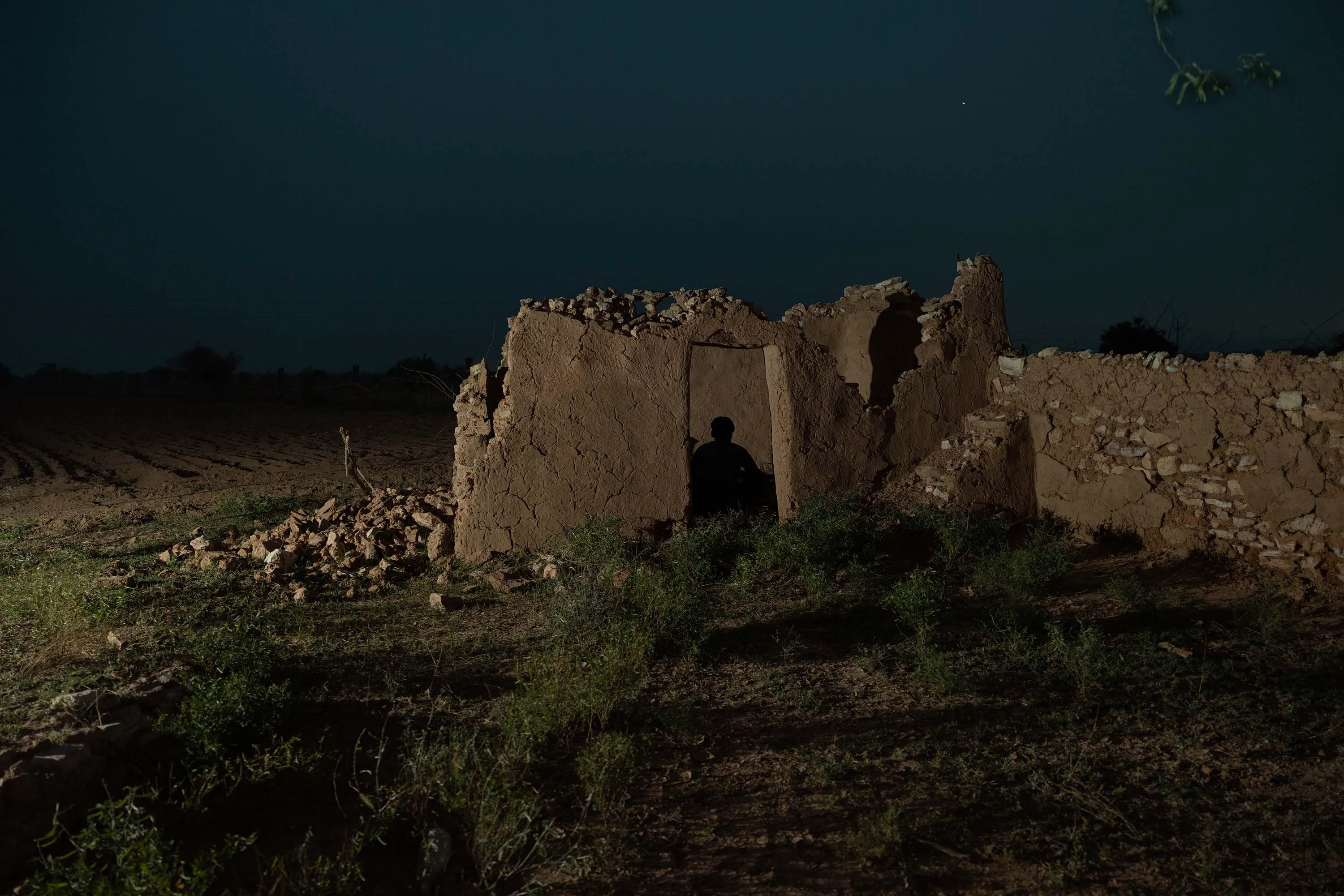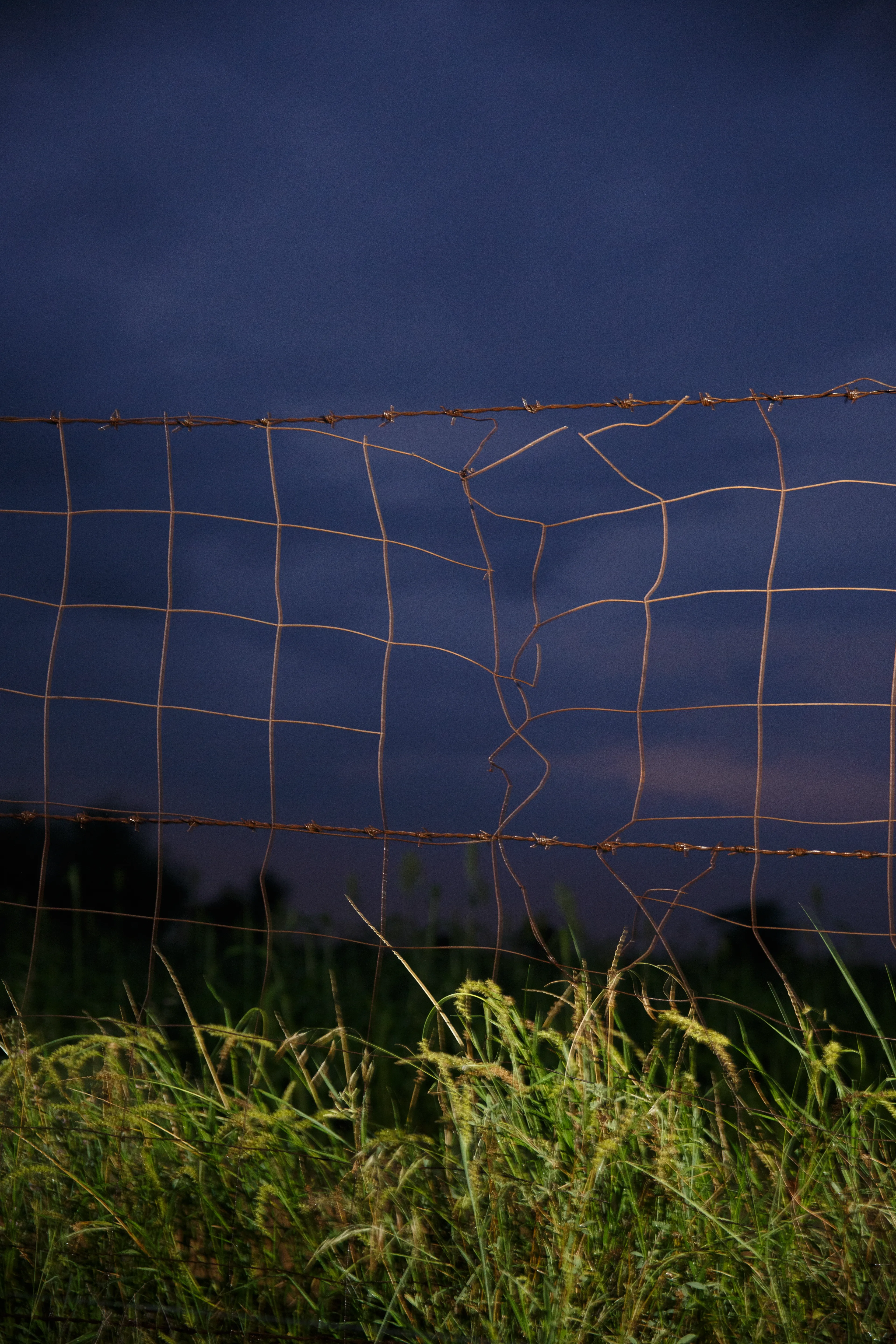
The project When Buddha Stopped Smiling documents the human and environmental aftermath of the 1974 and 1998 nuclear tests conducted in Pokhran, a township in the  north-western state of Rajasthan, India, where a quiet desert became a stage for power,  pride, and paradox. It delves into the micro-histories of local communities, revealing stories of resilience, loss, and the constant fear of invisible nuclear radiation. Through portraits, landscapes, and symbolic visual narratives, the work captures the fragile  interplay between memory, land, and the human condition. 

Rooted in long-term engagement, the project unfolds through listening, trust, and shared time with the people who live in the shadow of these tests. These images resist closure;  they sit with uncertainty, reflecting how radiation exists not as a visible wound, but as a lingering presence that shapes bodies, emotions, and futures. 

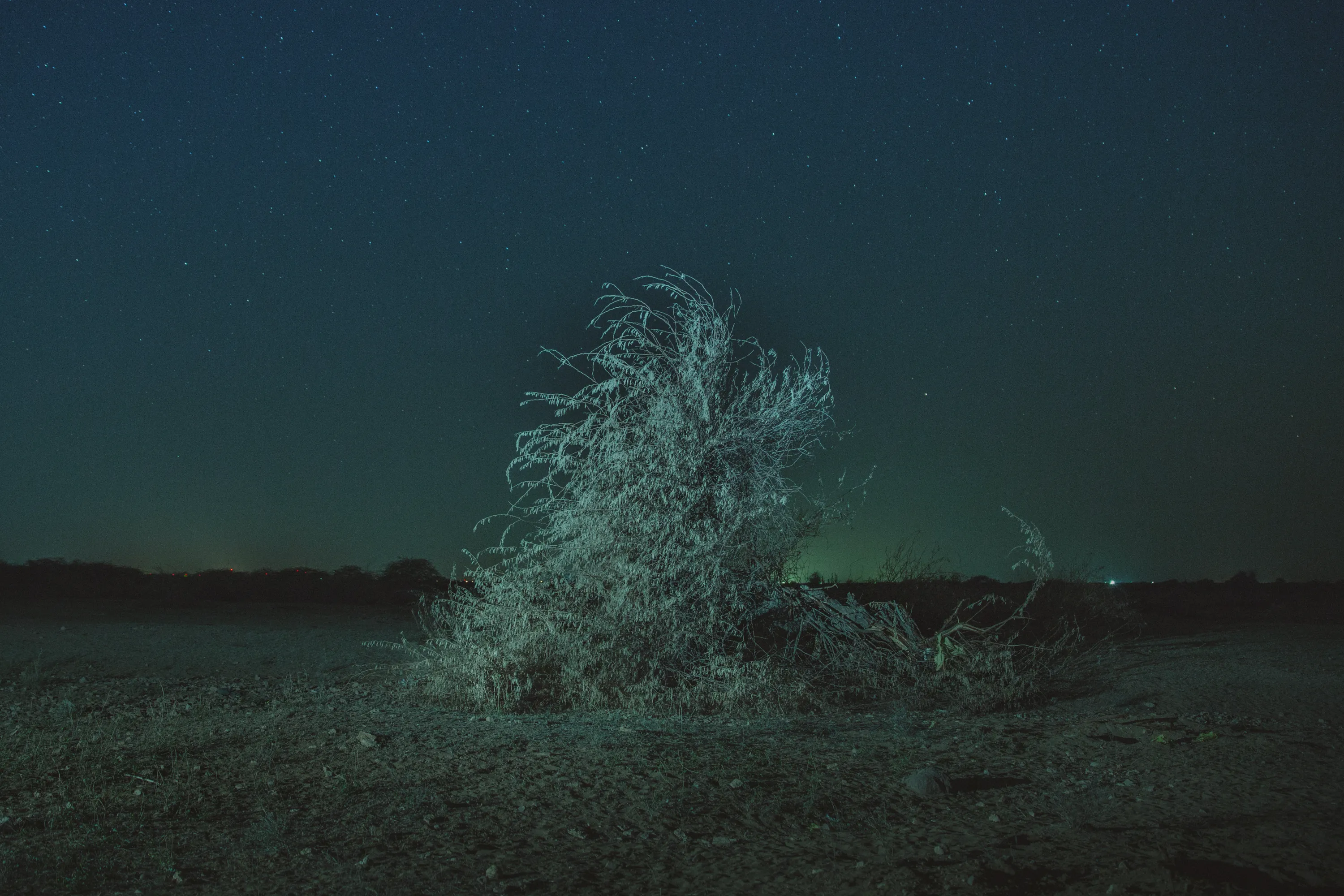
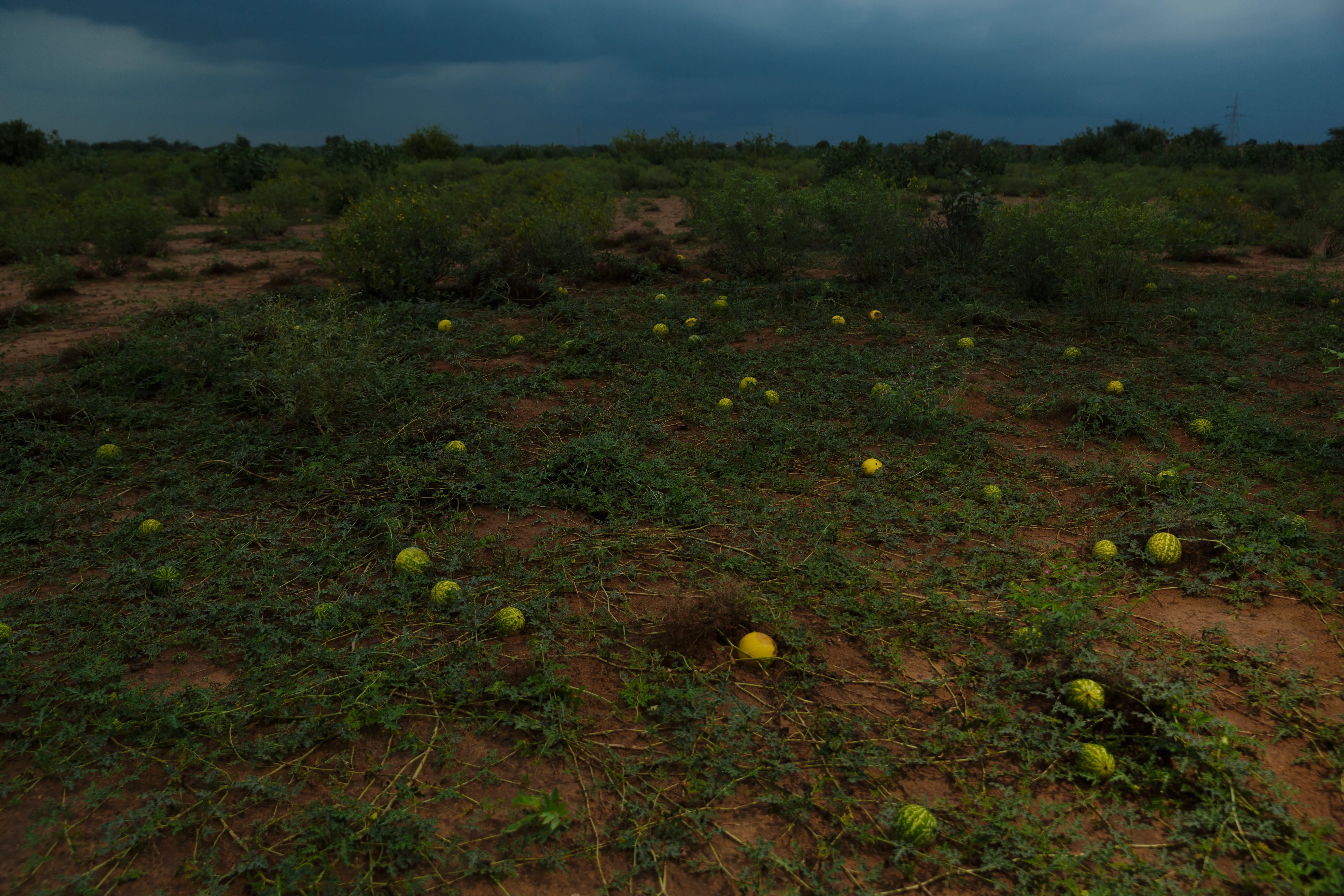
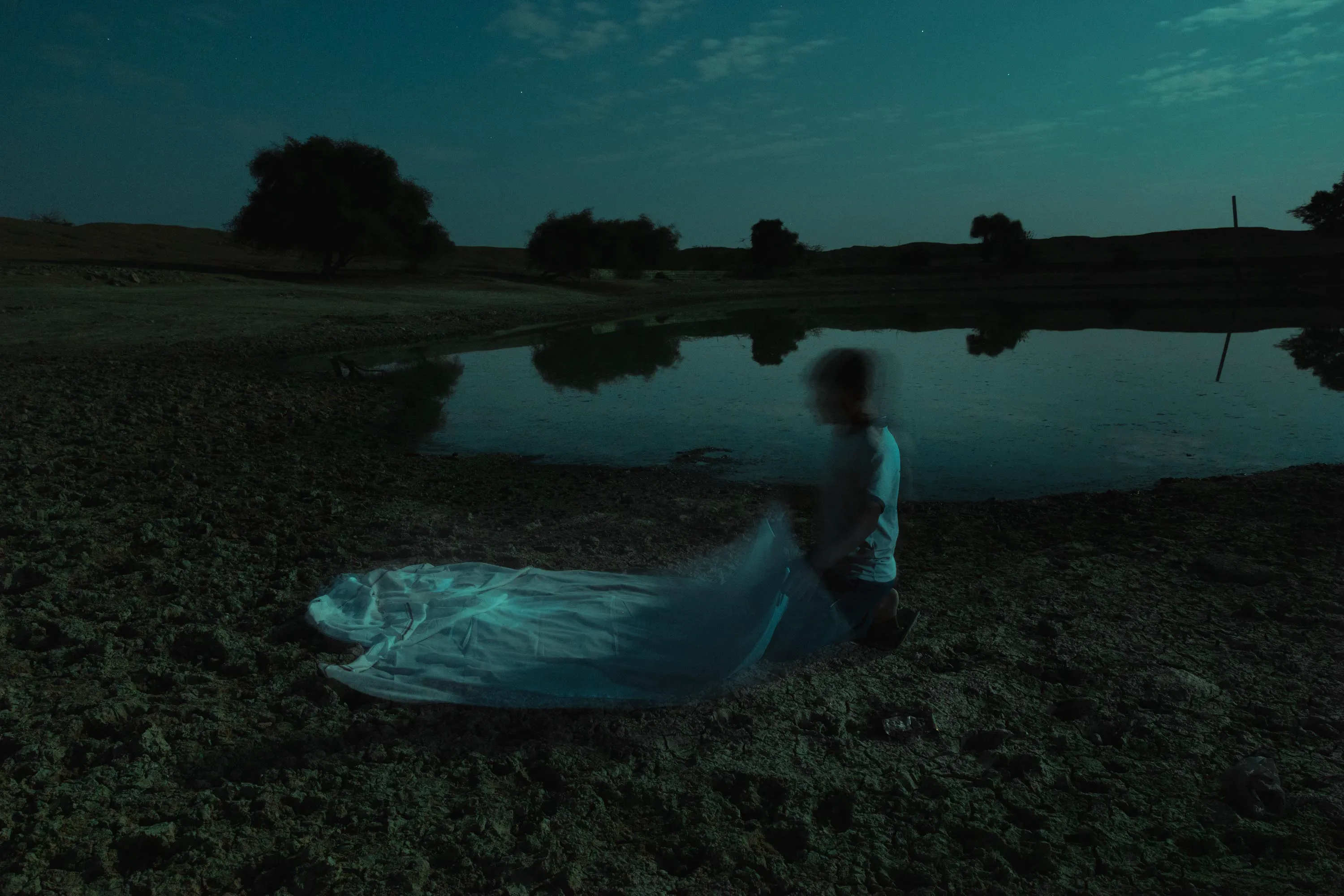
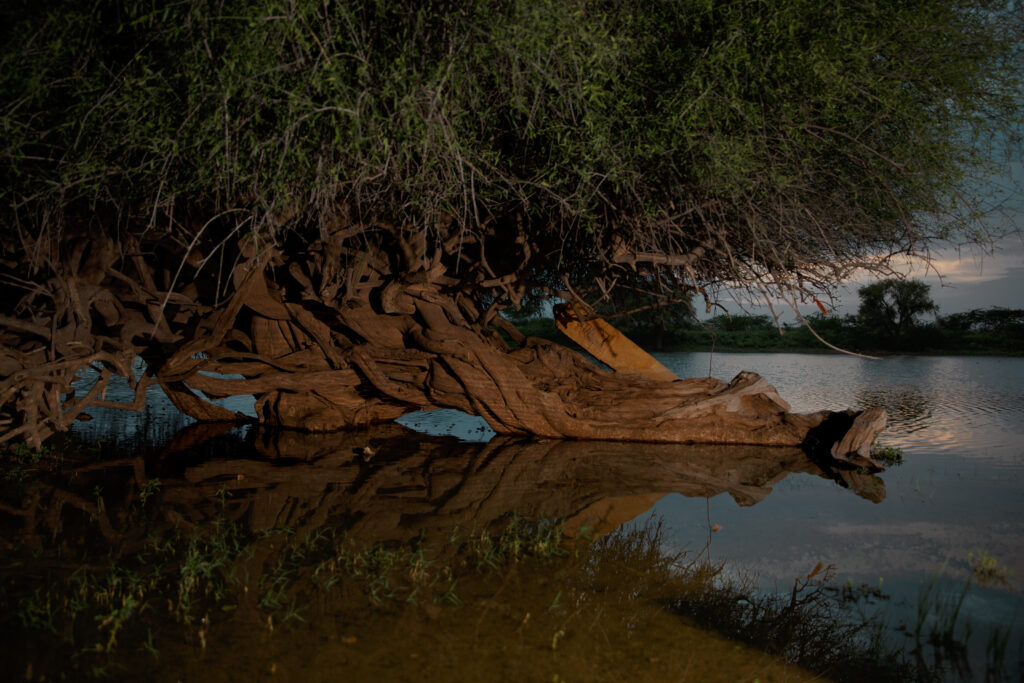
The photographic process itself becomes a metaphor for exposure and erasure. The work attempts to visualize what cannot be photographed directly: contamination, fear, and  inherited trauma. The landscape is treated not as a backdrop, but as a witness – its  textures and scars holding memories that official histories often overlook. 

When Buddha Stopped Smiling is not about proving causality or offering resolution. It is an act of bearing witness, holding space for voices that remain unheard, and questioning  what progress means when its consequences continue to unfold long after the dust has settled.
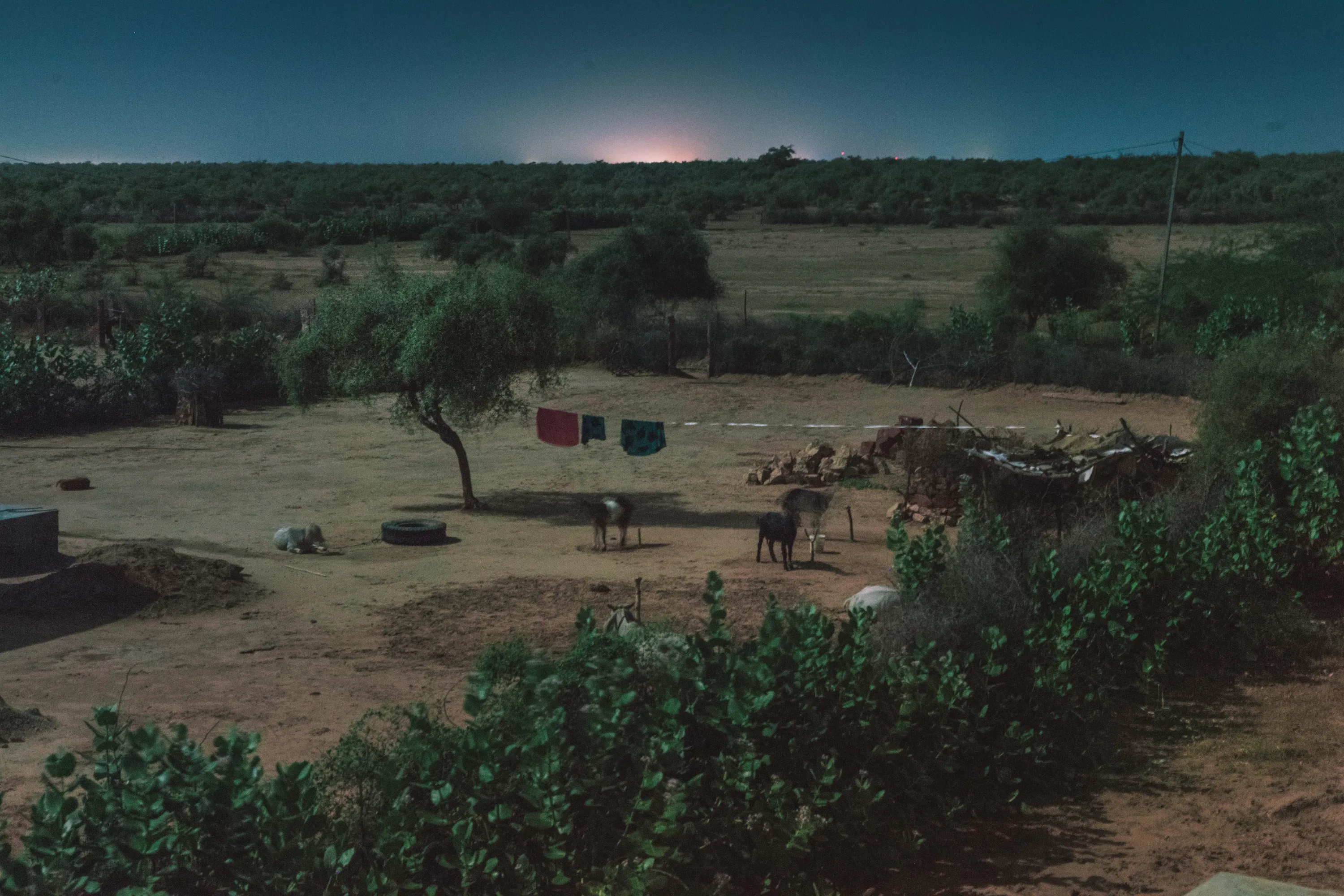
Pokhran, town in the northern Indian state of Rajasthan in India, witnessed two of nuclear tests in 1974 and 1998.
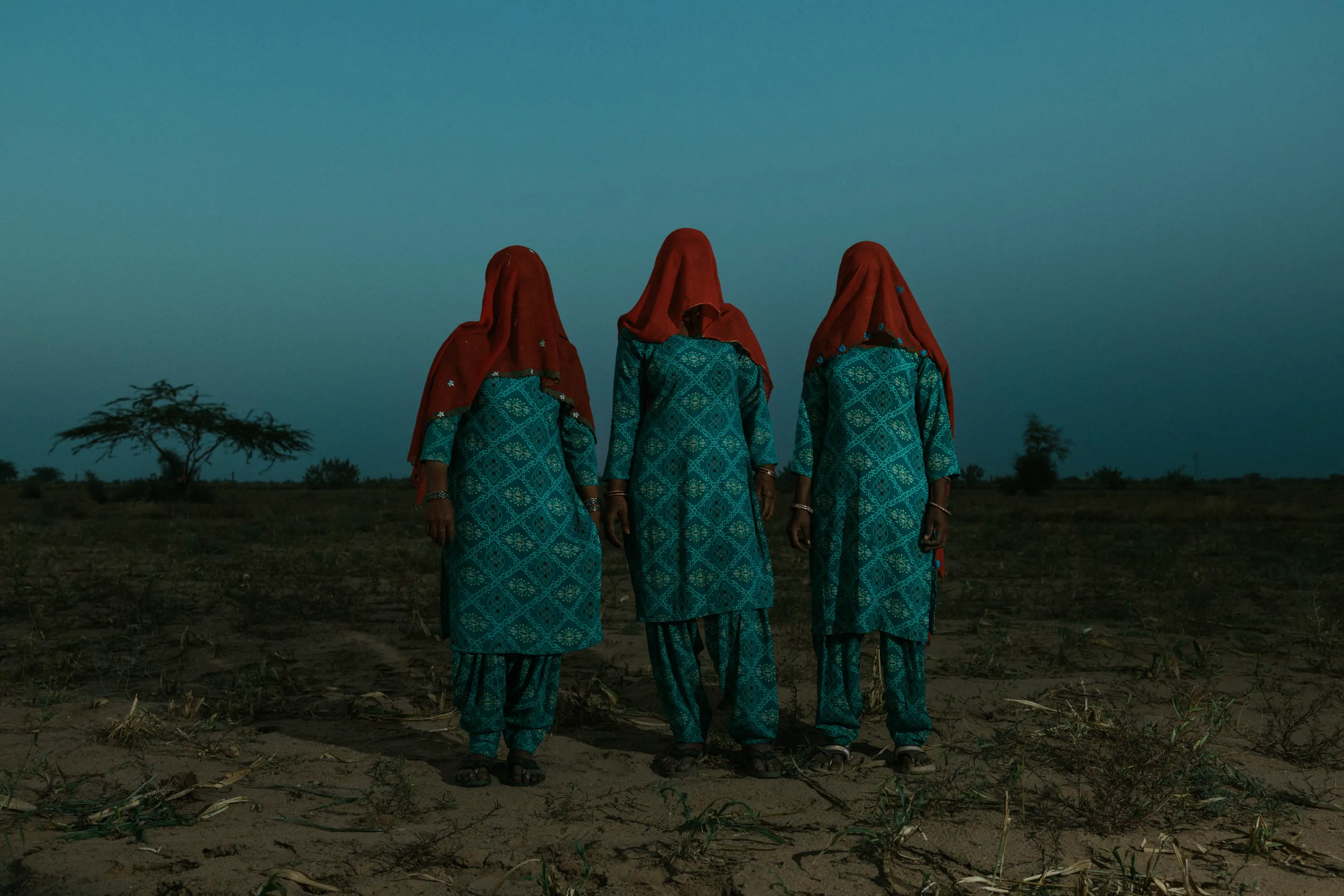
Shaheeda, Sabira, and Kammo, landless laborers on a nearby farm, vividly recall the day of the nuclear test in 1998, just 5 kilometers from Chacha village in the desert of Pokhran, a township in the north-western province of Rajasthan in India. Engrossed in their daily chores, they were preparing food at home when the event unfolded—a moment both unseen and unheard of.
Five decades after the 1974 nuclear test, the desert dwellers are still bearing the brunt of the irrevocable destruction caused by the nuclear radiation.
In 2009, Dr. Arjun Singh – then a senior official in the Medical and Health Services of the Jodhpur region – measured sickness in soil and seasons, wrote the ailments of villages into data sheets – but the answers he unearthed remain buried, just like the test beneath their feet.
Puroshottam Panwar has navigated life with an intellectual disability. Despite receiving an education, achieving financial independence remains a challenge due to his disabilities. Additionally, his younger brother grapples with a similar condition. Their parents harbor deep concerns about the future well-being of their children.
Pokhran witnessed a series of nuclear test in 1974 and 1998 at the Indian Army’s Pokhran firing range, 2.5 km from nearby Khetolai village.
The nuclear blast did not end with the tremor, it settled into the minds of those living nearby, leaving a lingering psychological shadow. For many, every illness, every silence, every shift in the wind became a reminder of an invisible threat they never chose to live with.
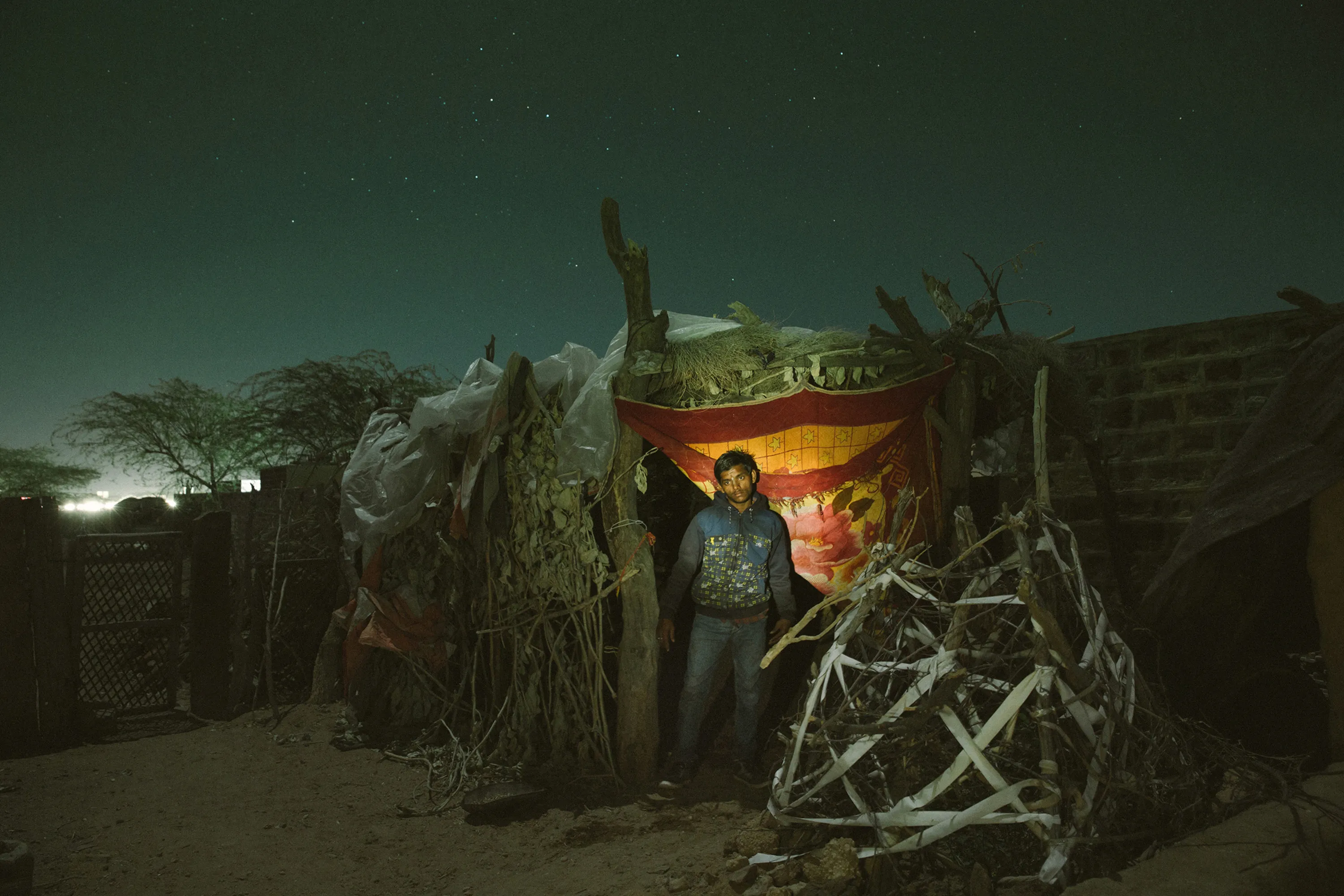
Leelaram Gogali was resting in his house when the explosion happened at 3pm in the afternoon.”The sudden tremors made me think that it is an earthquake. The scars it left are much deeper that the cracks it made in our huts” shares Leelaram.
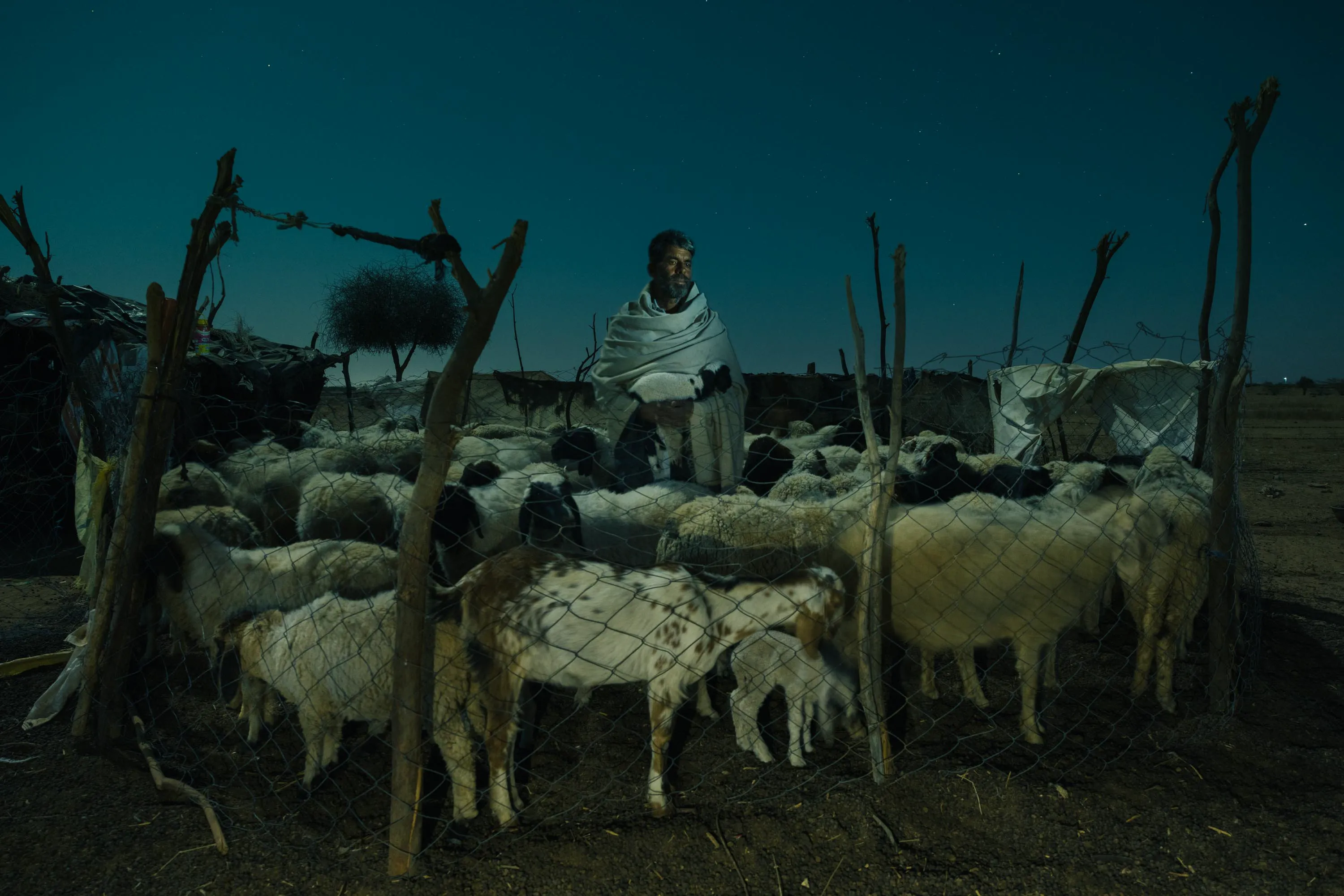
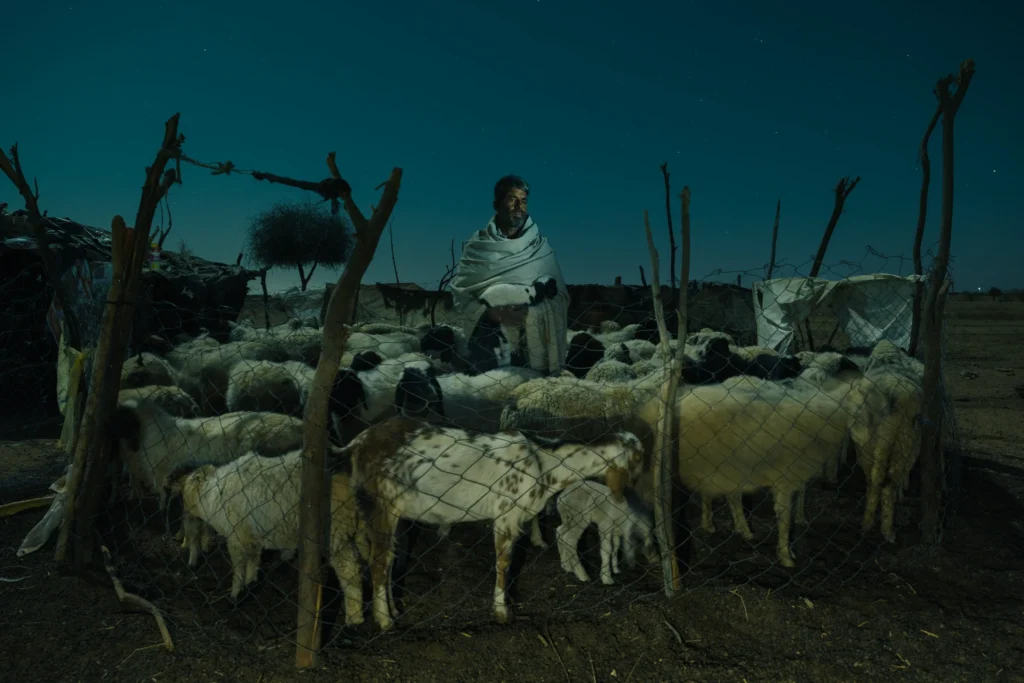
As a shepherd tending to his flock in the vast landscapes of Rajasthan, Taj Mohammad’s life took an unexpected turn with the 1998 nuclear test in Pokhran. Amidst the tranquil beauty of the desert, he unwittingly became a witness to the resounding explosion that reverberated across the land.
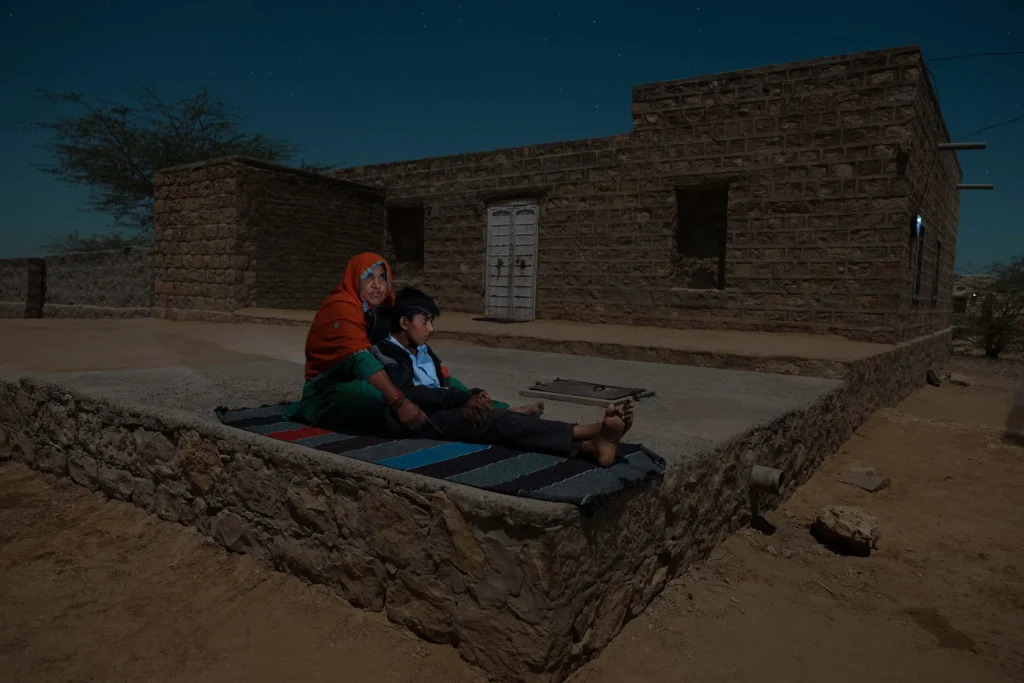
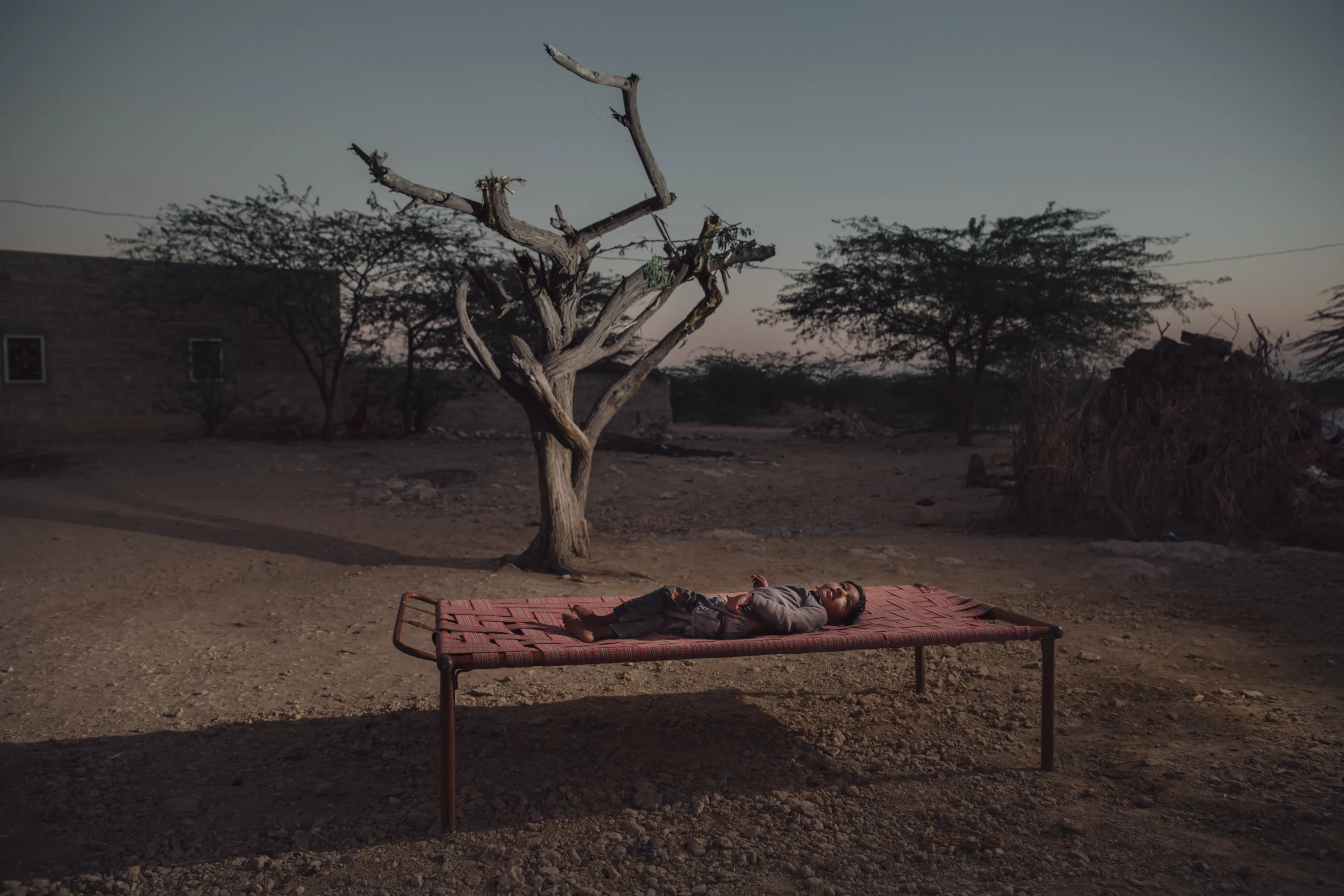
Living just 5km away from the Pokhran nuclear test site, twelve-year-old Firoz battles night blindness and weak limbs. His grandmother’s unwavering love and care form the cornerstone of his daily life, as she tends to his needs. Firoz’s resilience shines through, despite the challenges he faces, reminding of the strength that can be found in the face of adversity.
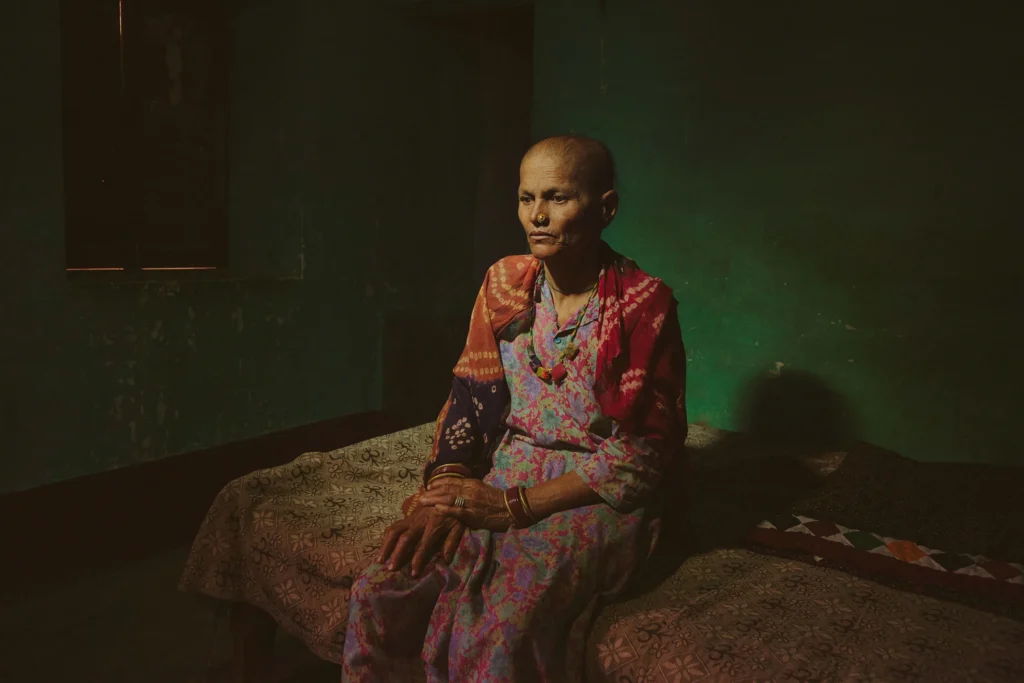
Rajjo Nizamuddin, 52, succumbed to breast cancer in 2016, an year after this photo was taken. She underwent chemotherapy in a hospital in Jodhpur but it relapsed within a few months of the treatment. Four of her family members have died of cancer and have spent huge sums of money for their treatment. The locals allege the cases of cancer have increased after the nuclear tests.
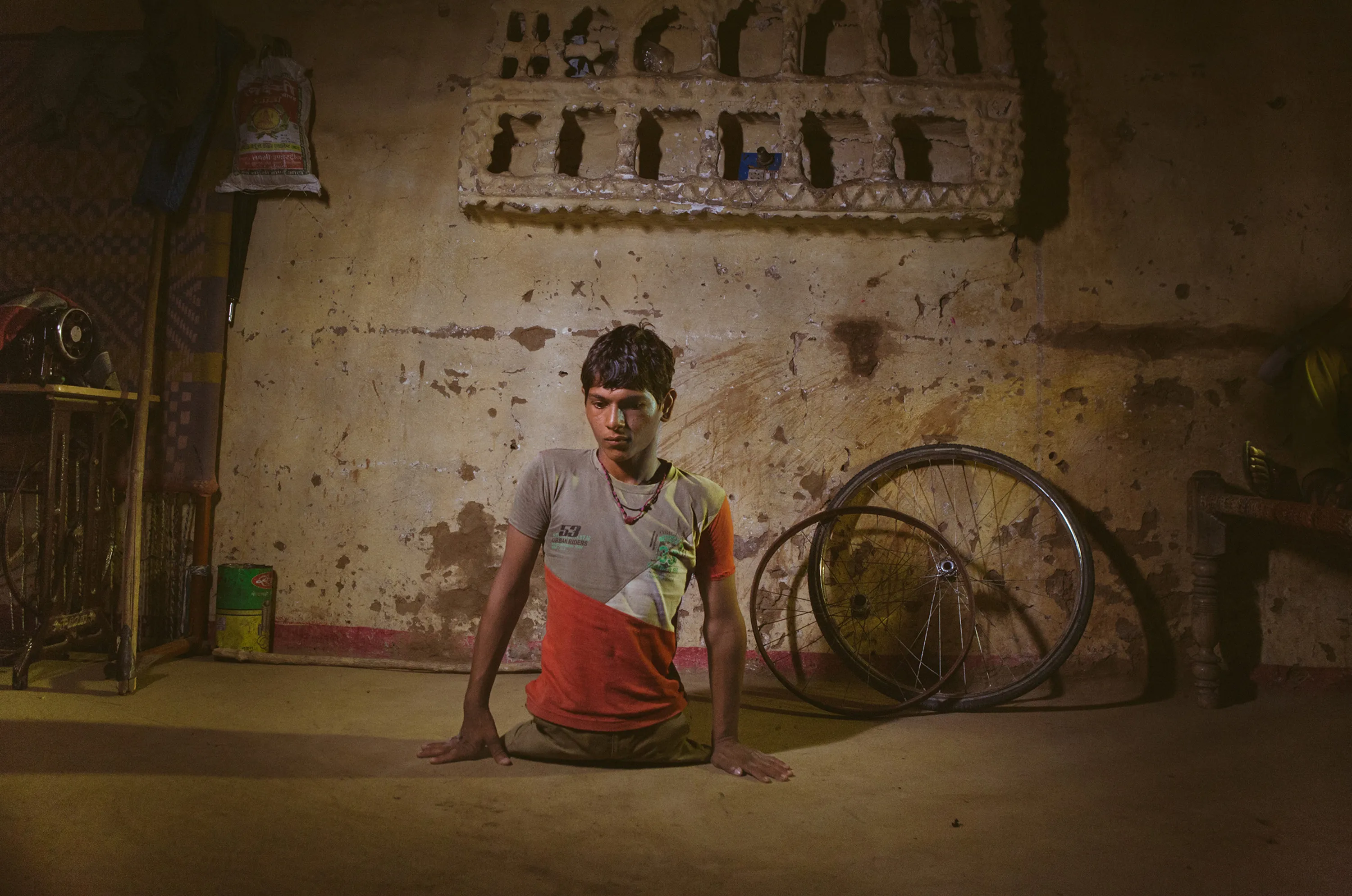
Bhoma Ram, 15, studying in 10th grade is physically challenged since birth. He complains of not receiving any handicap pension. He was born a year after the nuclear test. “Villages which are close to the nuclear test site have more differently abled children.” shares Bhoma’s father.
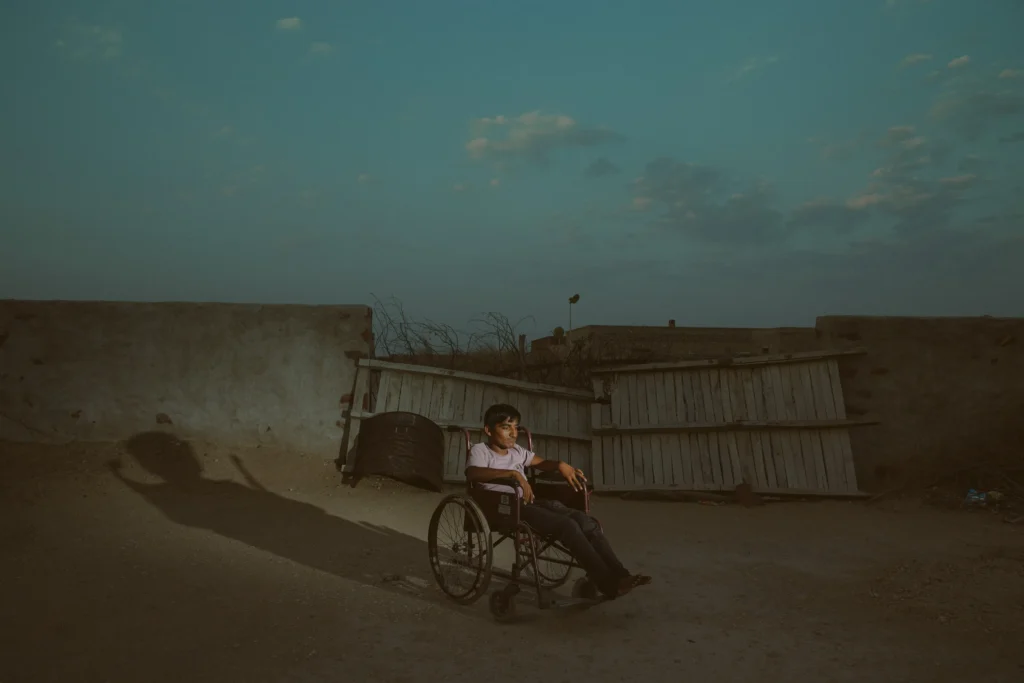
Yasin, 18, has cerebral palsy and congenital deformity disorder since birth. He studies in sixth standard as his learning capability is quite slow. He was given a wheelchair at the local health camp organised by the health authorities. His brother helps him to move around in the village with the help of the wheelchair.
Born in 2018, four years old Taimoor Ali is bedridden with cerebral palsy and cognitive disorder. His father feels helpless as his condition has not improved since birth. “Taimoor’s limbs are so weak that he cannot sit or walk on his own. He understands our instructions and occasionally greets us with a smile. We just hope he can live the life of a normal child someday. His grandmother gives him body massage on a daily basis and helps him with basic body stretches. We are hopeful that with medicines an exercise, he can stand on his feet one day” shares Taimoor’s grandmother Nirjo Meher.
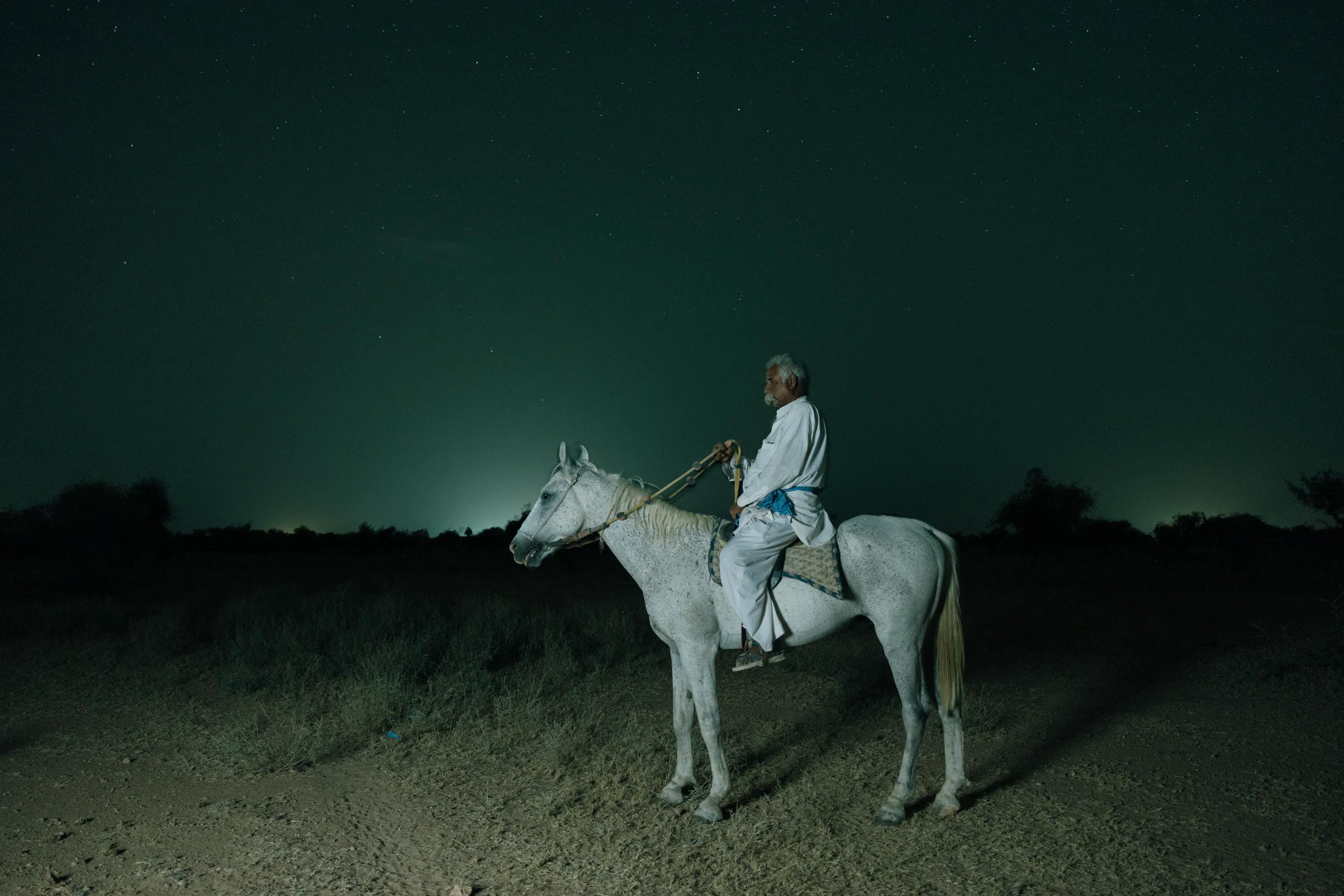
Ratnu Charan, 70, who witnessed both nuclear tests in Pokhran, considers it a source of national pride and views the individuals affected as martyrs.
The nuclear blast did not end with the tremor, it settled into the minds of those living nearby, leaving a lingering psychological shadow. For many, every illness, every silence, every shift in the wind became a reminder of an invisible threat they never chose to live with.
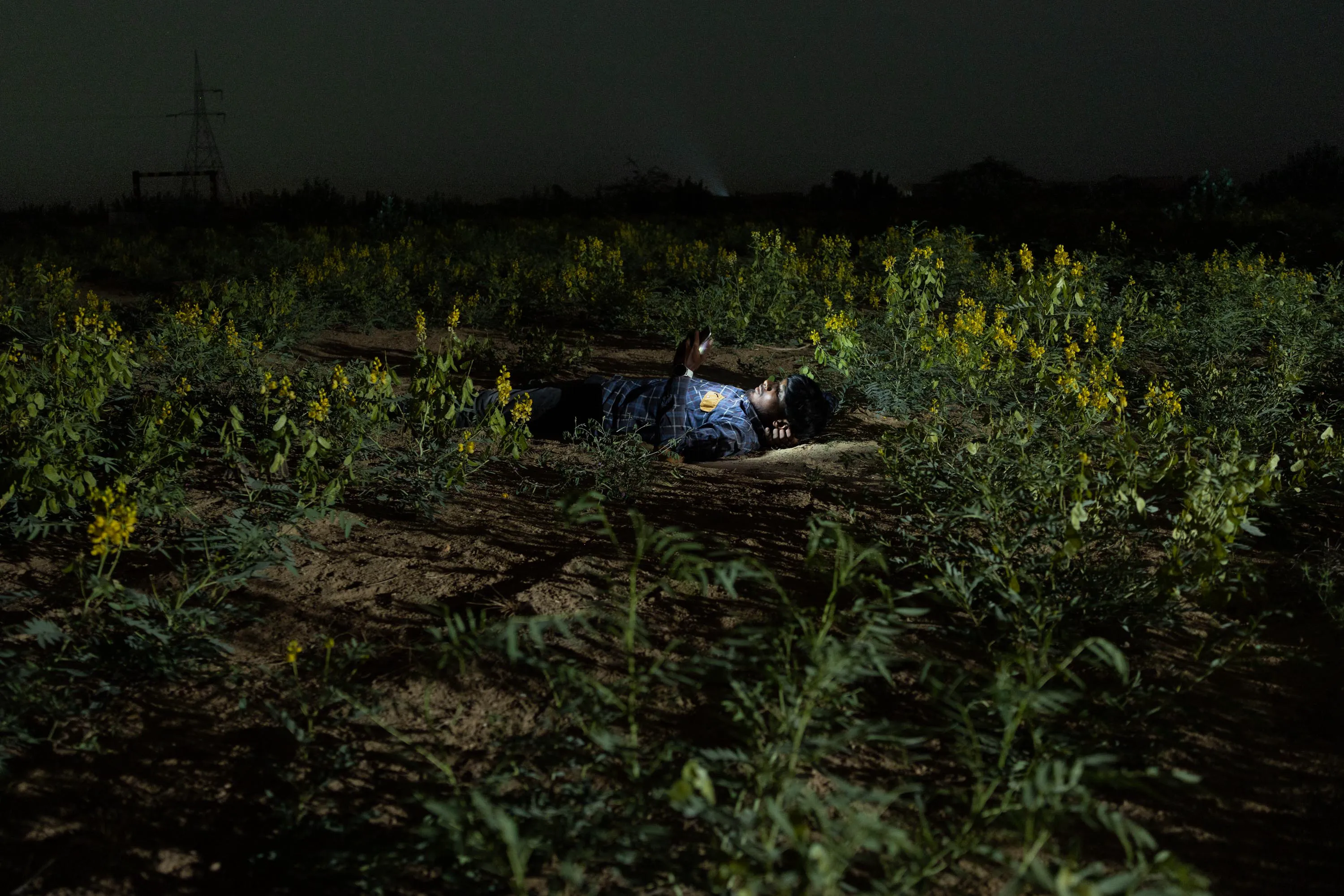
Firoz Khan, 20, like many other have become numb to the alleged presence of the invisible nuclear radiation just like the test beneath their feet.
Walking through these villages, one senses a nostalgia for a world that once felt awake – before fear became ordinary and silence became survival. Yet far away, the race for greater nuclear stockpiles accelerates, each nation running harder, forgetting the people who already live in the shadow of what has been tested.
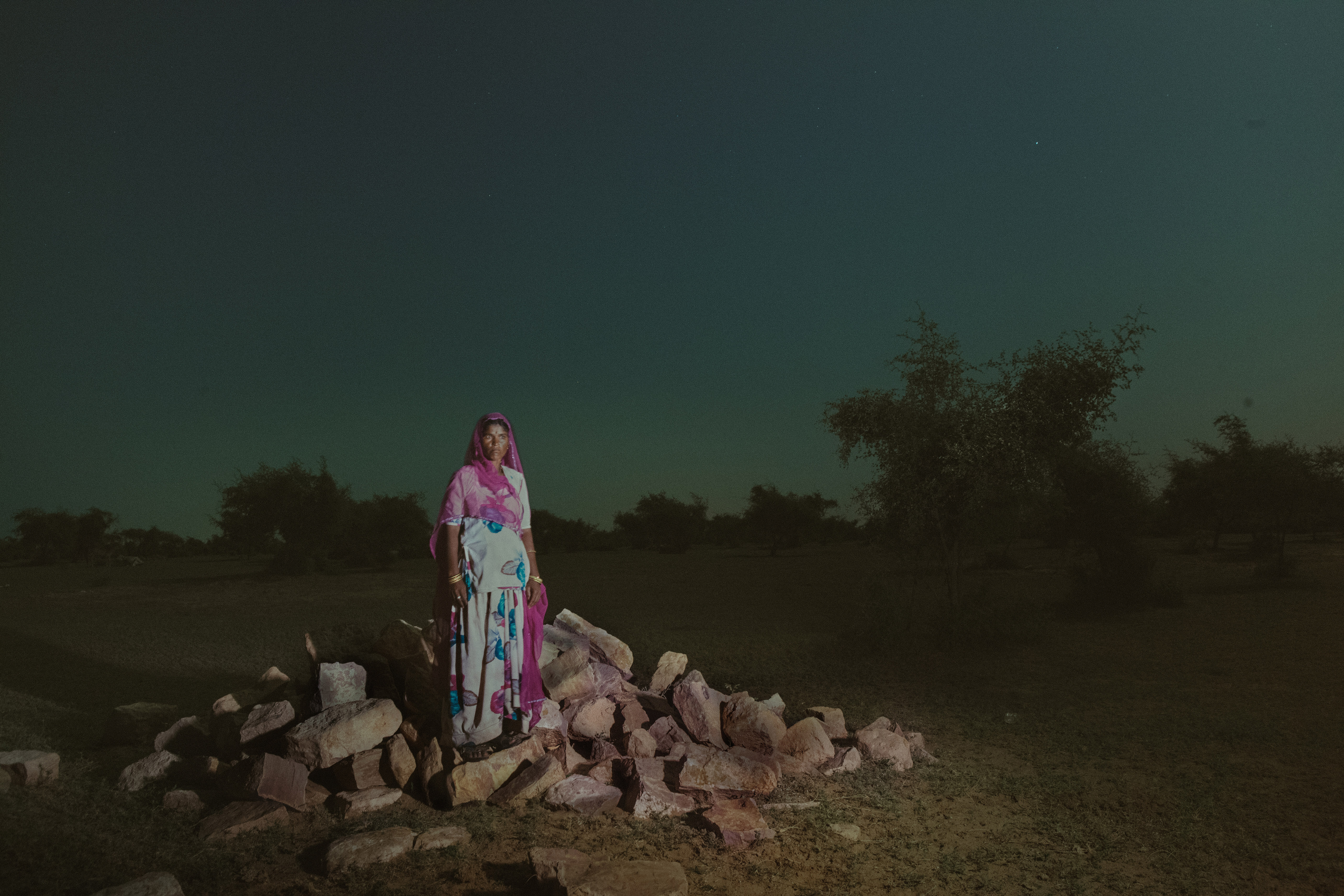
Poonam Devi stands in the backyard of her home, located about 2.5 kilometers from the nuclear test site.
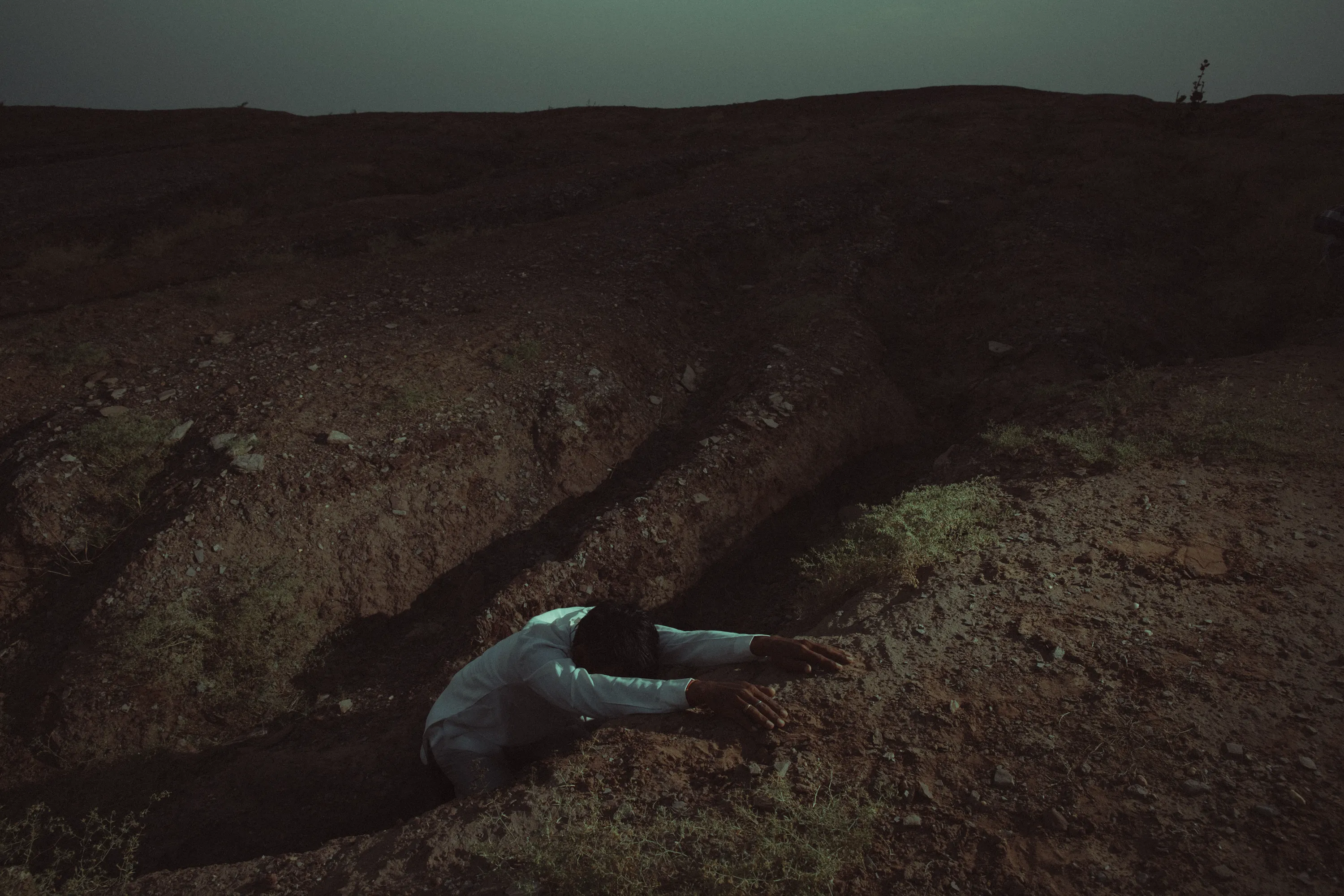
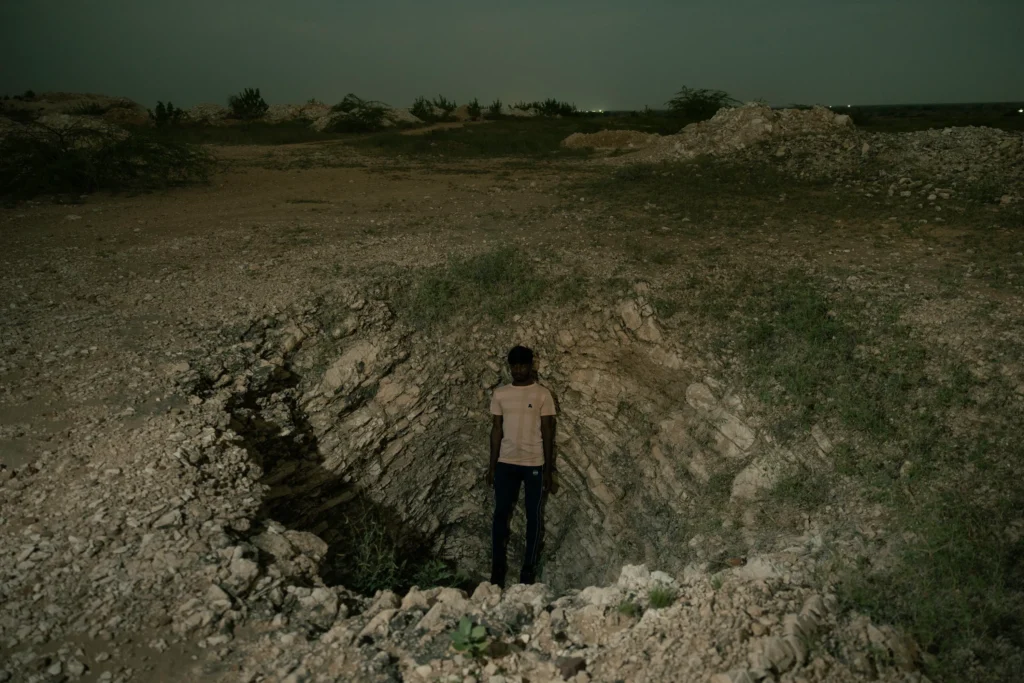
The limestone mine’s hollow mirrors the buried explosions nearby, suggesting that what happens beneath the surface never truly disappears.