‘The Power of Mama’ and the Fight to Save Ketapang from Wild Peatfires
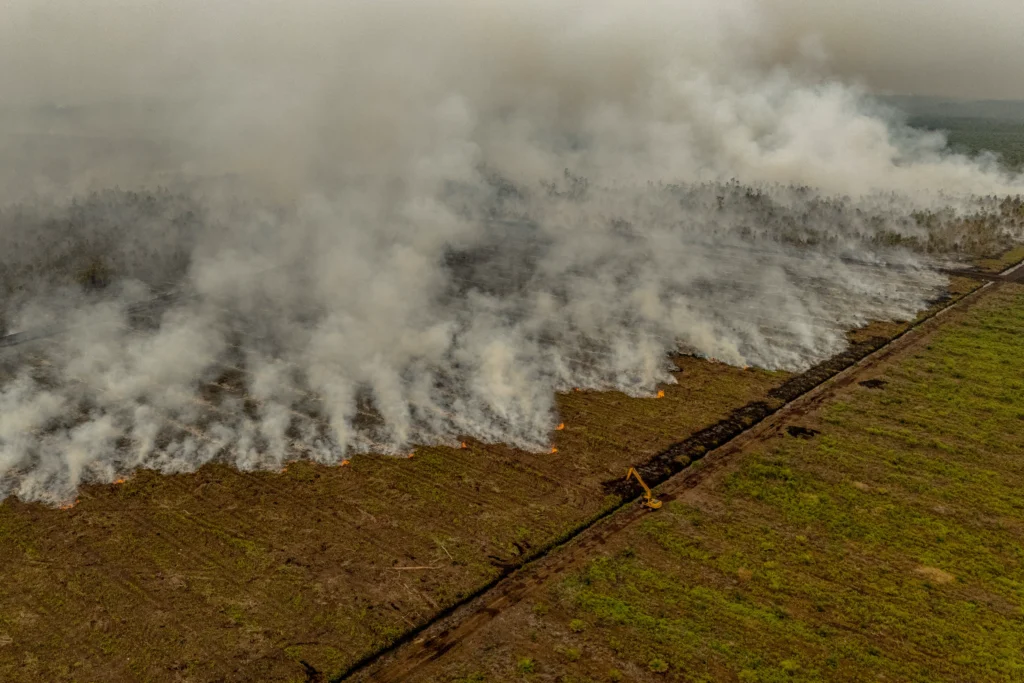
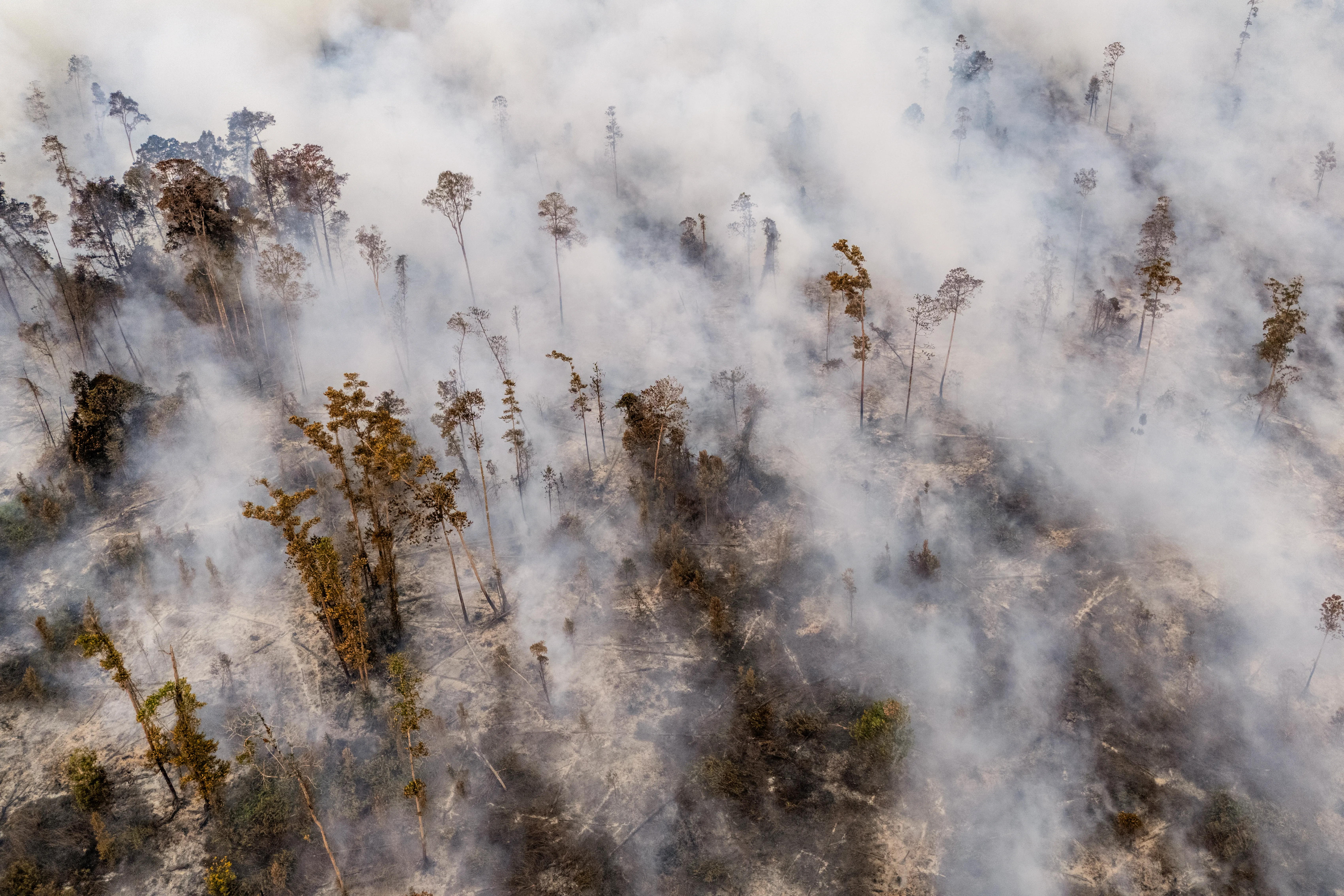
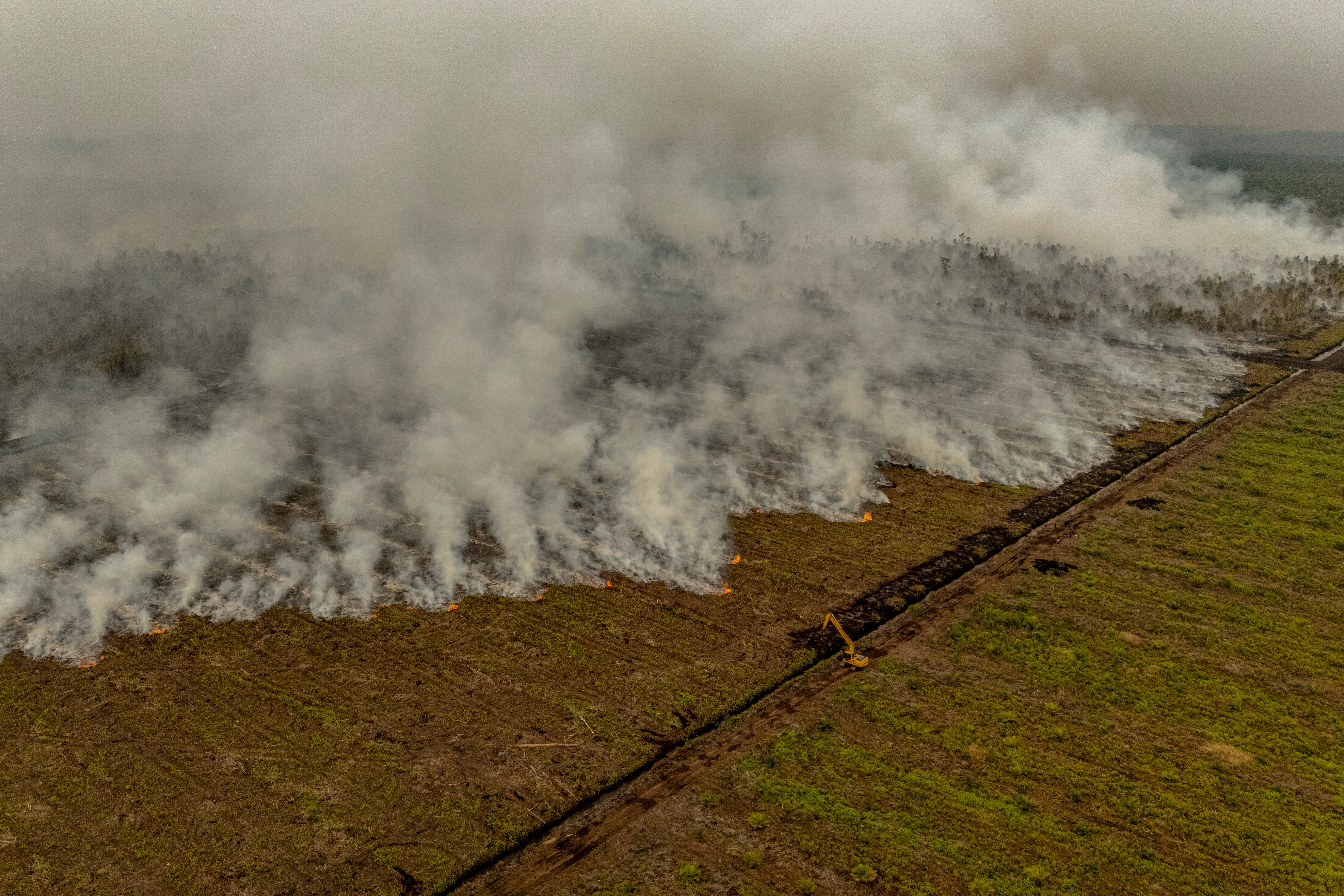
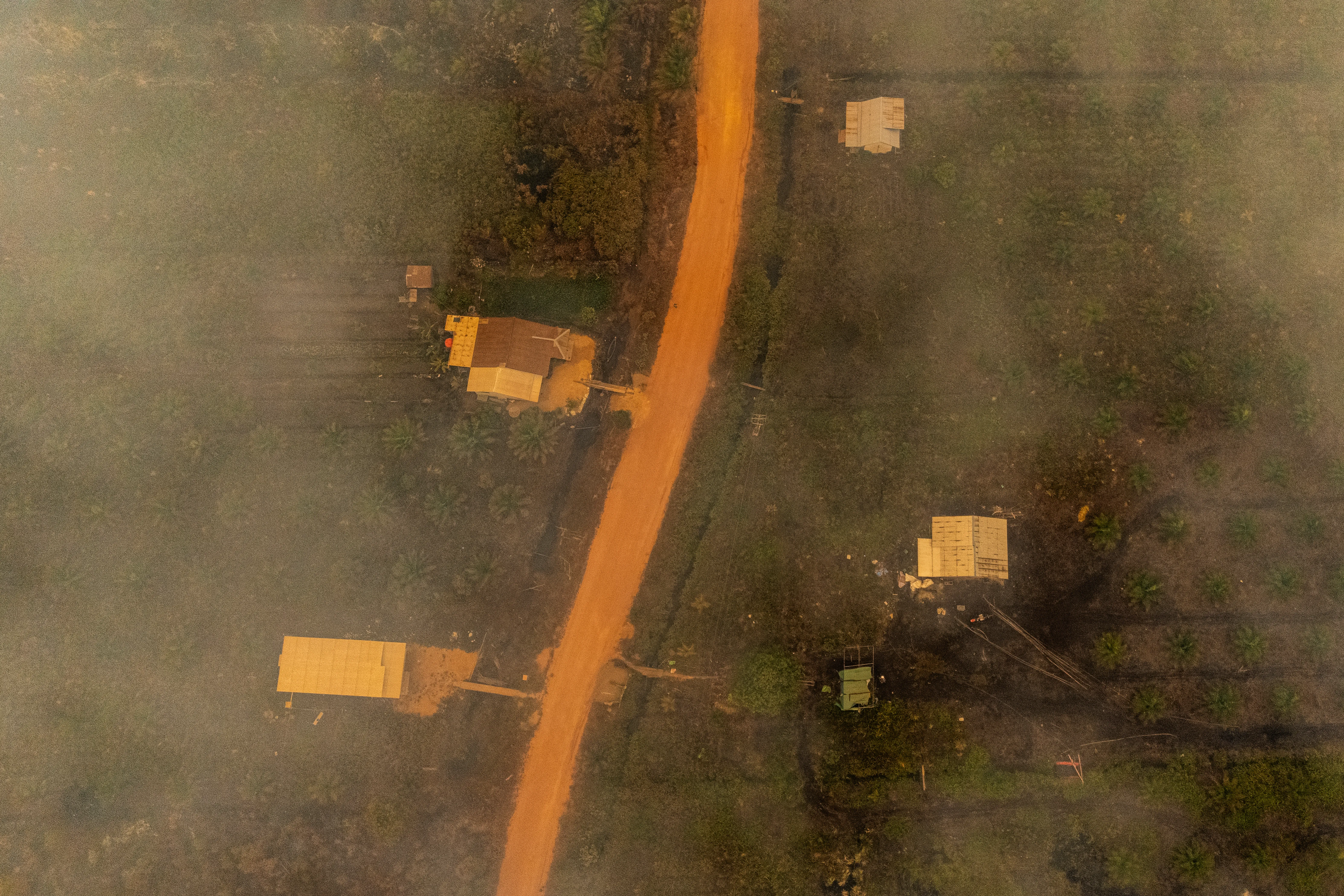
The sky is orange, eyes stung, the air is stifling, and breathing feels heavy almost suffocating. That is the scene in Ketapang, West Kalimantan, in August 2026. El Niño has caused the dry season to arrive early and linger over the equator.
The scale of the crisis was immense. In August, 3,759 hotspots surrounded West Kalimantan, with 1,795 of them concentrated in Ketapang Regency between August 15 and 21, 2026. As this article was written, haze from forest and peatland fires still blanketed the villages of Sungai Putri, Sungai Awan Kanan, and Sungai Awan Kiri, along with their surrounding areas.
Schools has been closed for nearly two weeks, with remote learning in place and no Independence Day ceremony held on August 17, 2026. On August 18, 2026, the Ketapang Regency Education Office issued an advisory to adjust teaching and learning activities, reduce outdoor activities, and prioritize health. Children in Sungai Putri Village, for instance, had already cut back on outdoor activities; visibility was reduced to approximately five meters. On August 21, 2026, several flights to and from Ketapang were delayed or cancelled due to worsening conditions.
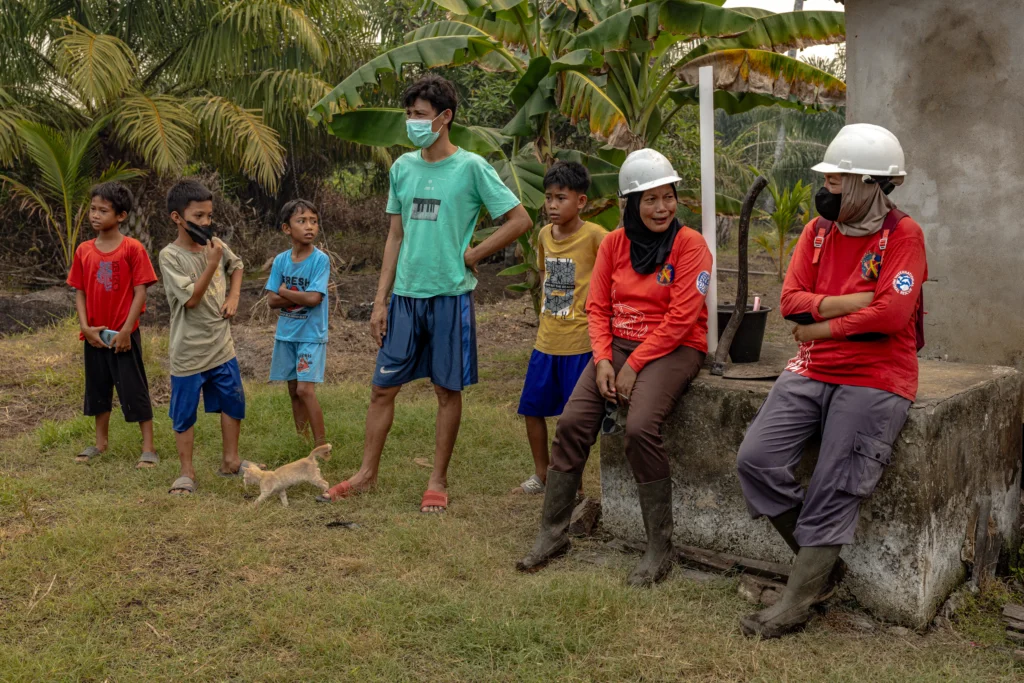
Amidst this broken landscape, the heroes stepping up to protect the community emerged from living rooms, small shop, classroom, and kitchens. They were a group of women united in the volunteer community known as “The Power of Mama” (TPOM).
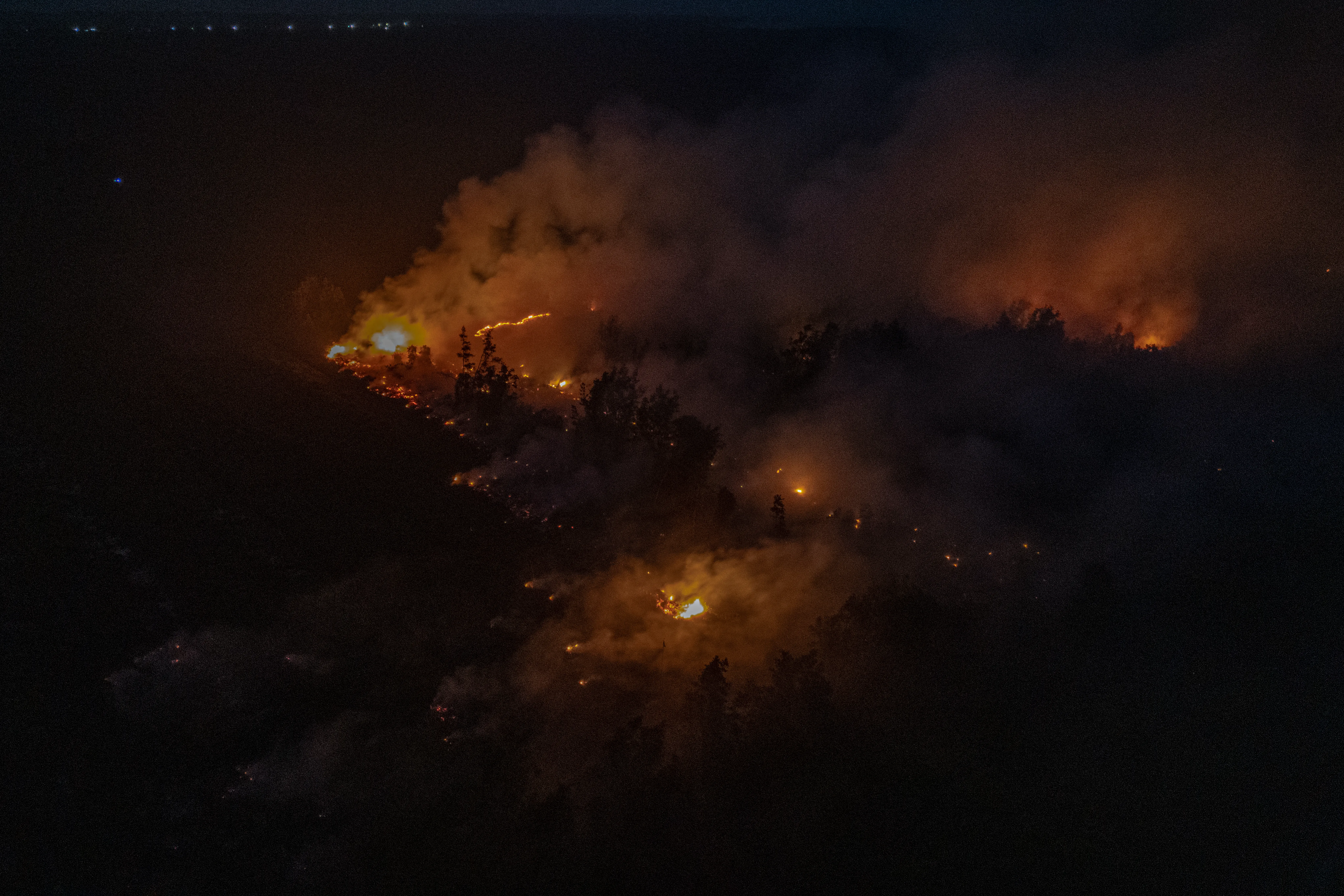
Flames raged fiercely that night along the roadside in Sungai Awan Kiri Village. The crackling of burning dry brush, fueled by strong winds, mingled with the panic etched on the faces of residents whose homes and gardens lay dangerously close to the fire.
Locals were familiar with the term “api loncat” / “jumping fire” a phenomenon where embers are carried great distances by the wind. A fire that began at a single point could quickly escalate into a major threat due to this effect, as the flames could rapidly leap to utility poles and houses, igniting wherever the embers happened to land. Amidst this panic, rather than waiting for official firefighting teams to arrive, a petite woman nimbly stepped in to take action.
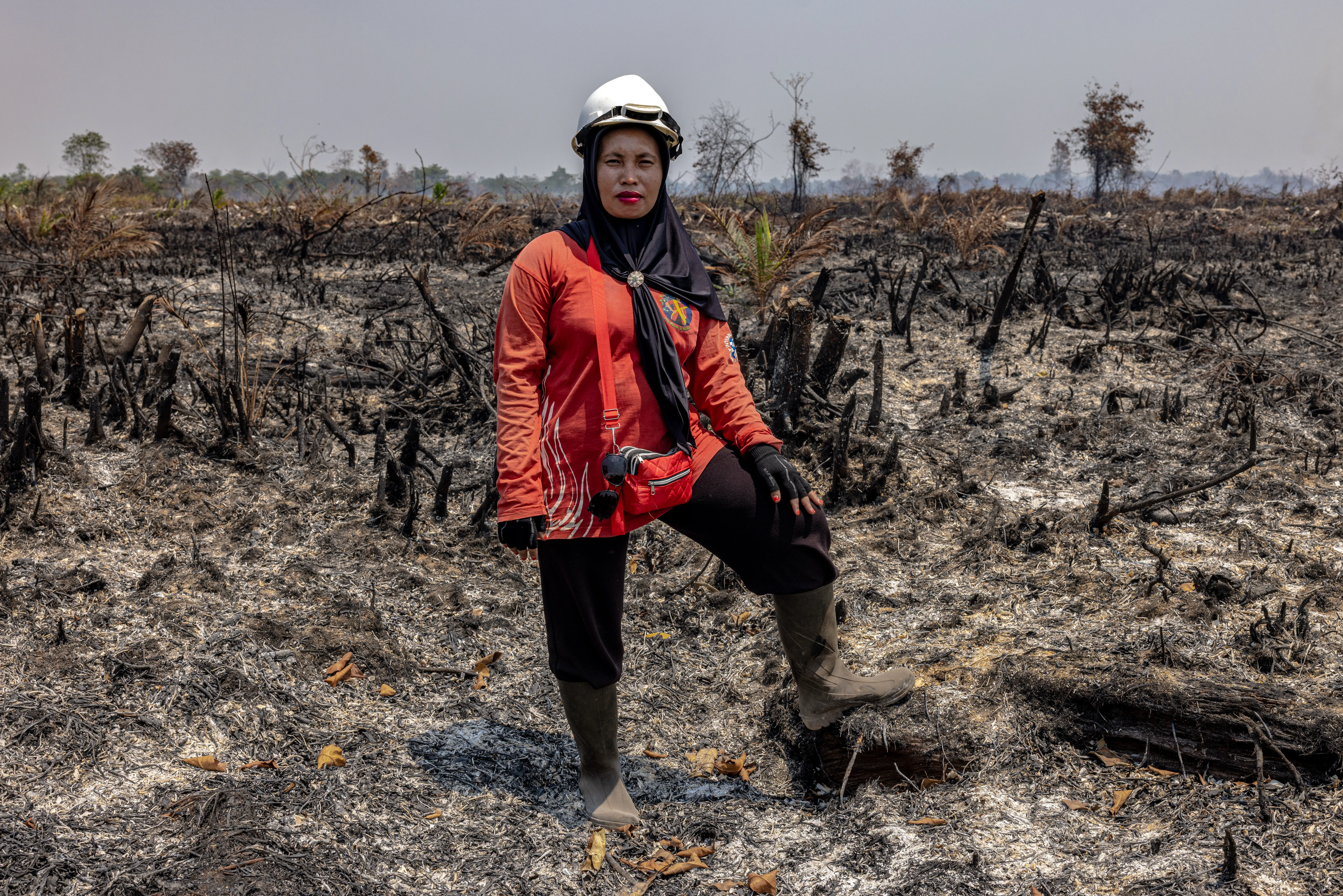
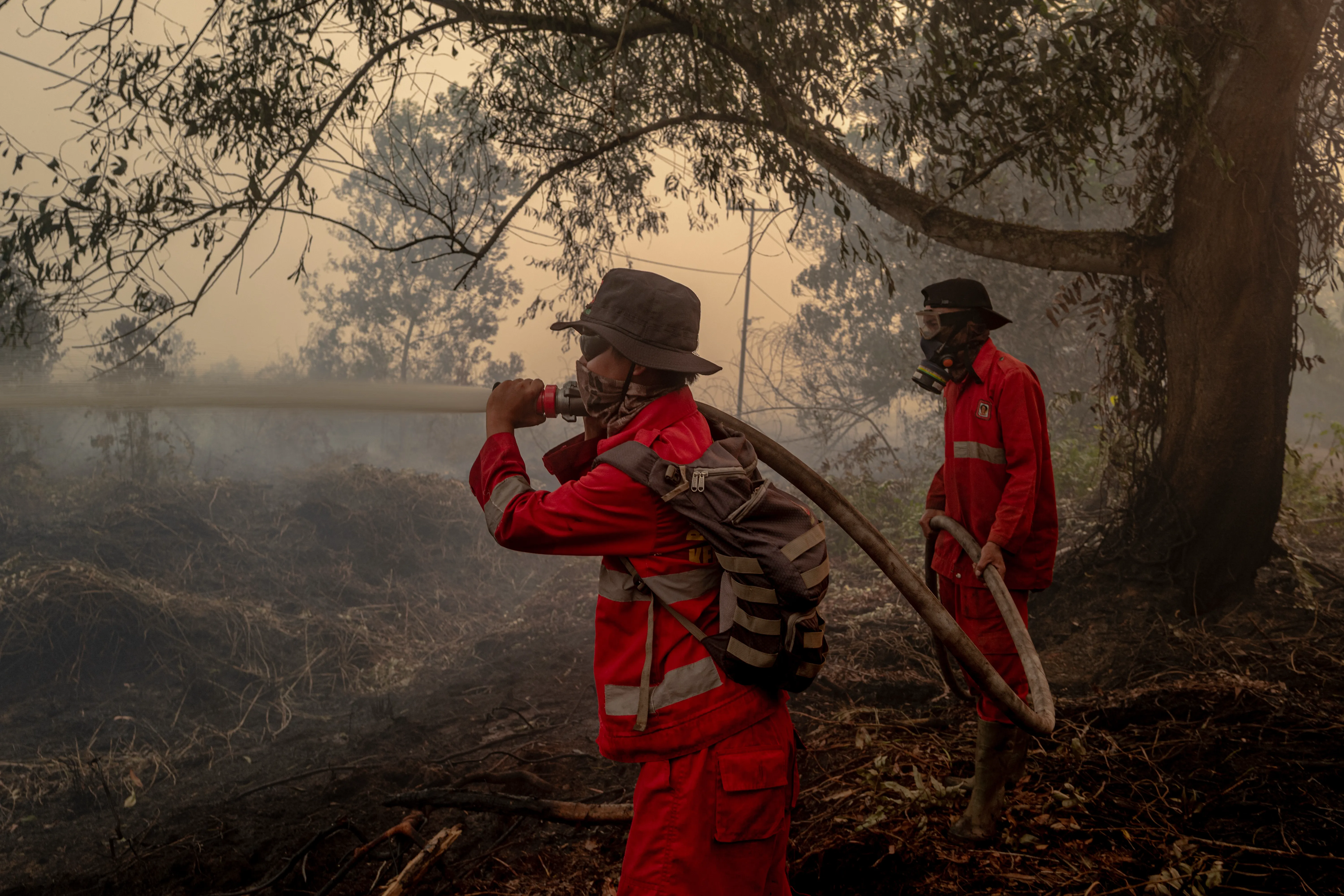
She was Ely Marlina (46), a widow and mother of two who Pancasila Education teacher at a junior high school in Sungai Awan Kiri. Wearing makeshift Personal Protective Equipment (PPE) consisting of a motorcycle helmet, boots, gloves, a mask, and a long-sleeved shirt, Ely stood at the forefront of the firefighting effort that night.
Her small but commanding voice coordinated with residents to ready equipment, file reports, and take immediate action to extinguish the flames.
She did not hesitate to climb onto the water tanker, haul the pump engine, and lift the water hose to aim it directly at the fire. Her actions stood in stark contrast to the scene around her; on the road, rows of men and young people simply stood by and watched.
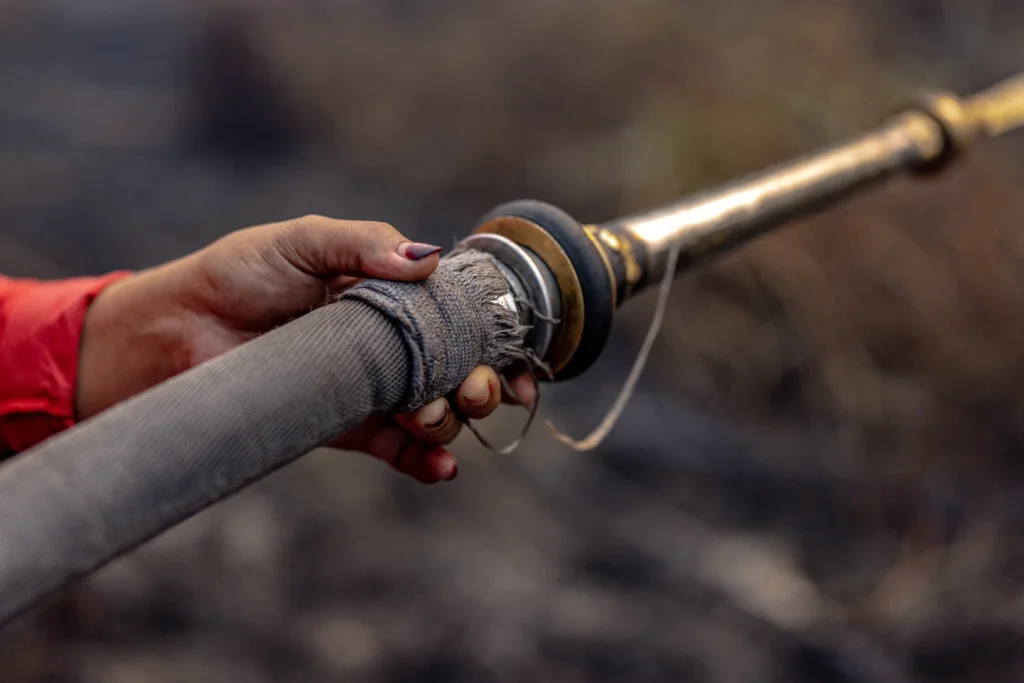
“It is truly unfortunate that young people today lack a sense of empathy,” Ely lamented. Even in an emergency, she had to ask them for help with something as simple as lifting the heavy pump engine.
Ely’s bold actions were not without reason. She had joined “The Power of Mama” (TPOM) when the community movement was formed on June 8, 2022, driven by a desire to turn her deep concerns into action. Her bad experience of the severe forest fire tragedy in 2019 remained etched in her memory.
At that time, schools were closed not just in Ketapang, but across all of Kalimantan including Palangkaraya dan Pontianak. The situation was worsen by the fact that her youngest child, then only eight months old, suffered from an Acute Respiratory Infection (ARI) caused by the thick smoke surrounded their home.
It was this blend of love and trauma that motivated her to stand on the front lines.
Despite raising her children without a husband, Ely considers herself fortunate; her children view her as a hero. “They think their mom is cool they even call me Wonder Woman,” Ely recounted with pride.
A similar struggle was unfolding in Sungai Putri Village. With no rain falling since the middle of the year, temperatures had soared, leaving the dry land highly vulnerable. Irma (38) loved to be called as Mama Ema, serves as the coordinator for “The Power of Mama” (TPOM) in Sungai Putri Village.
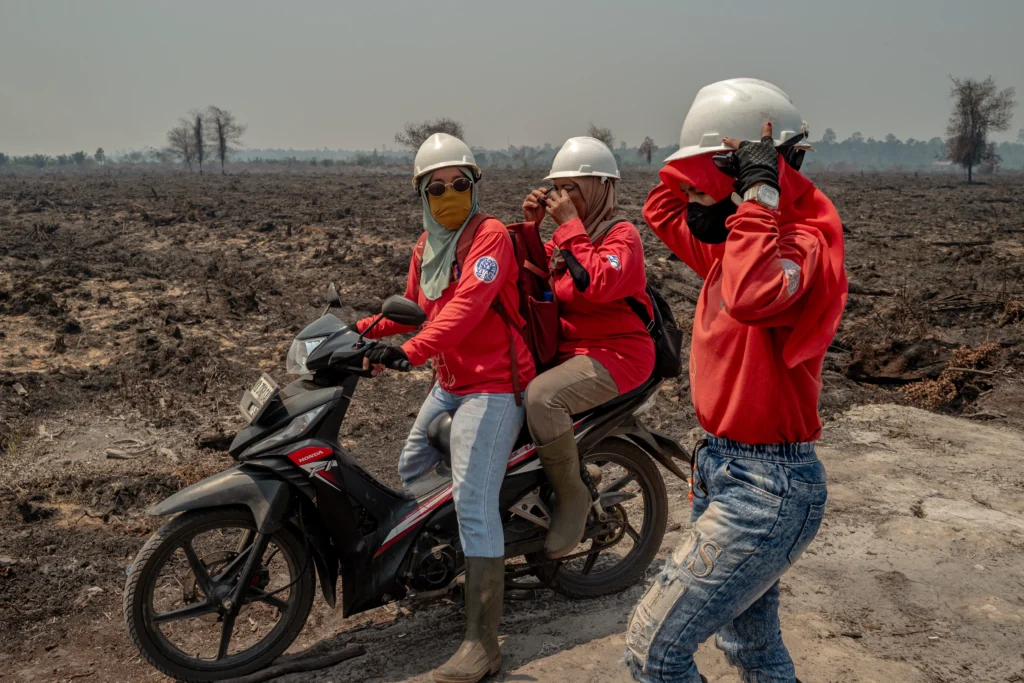
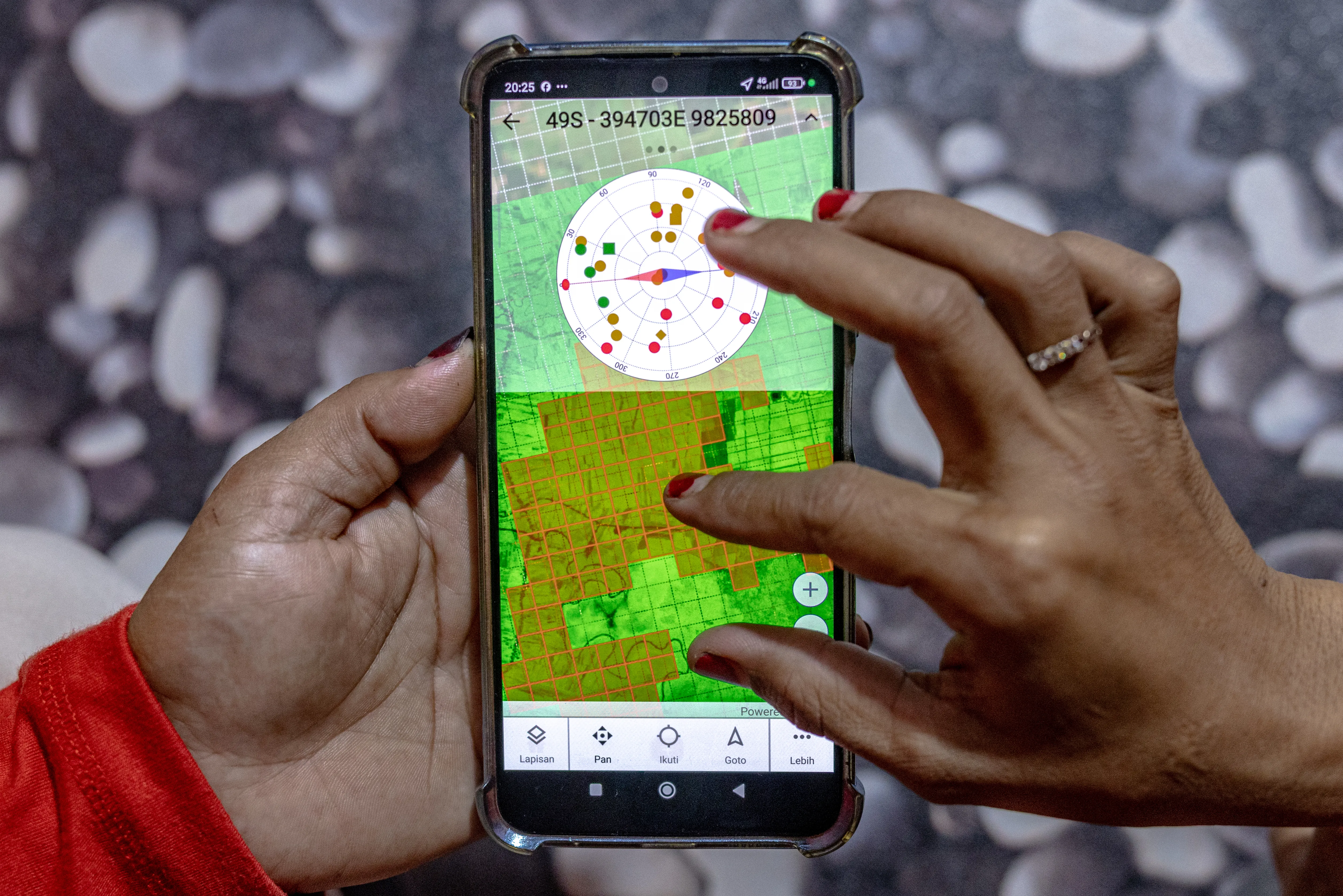
In this role, she manages all fire-monitoring patrol activities, including scheduling team members, arranging logistics, and ensuring motorcycles are well-maintained with full tanks and tires in prime condition. She also opens her home to serve as the TPOM basecamp for the village.
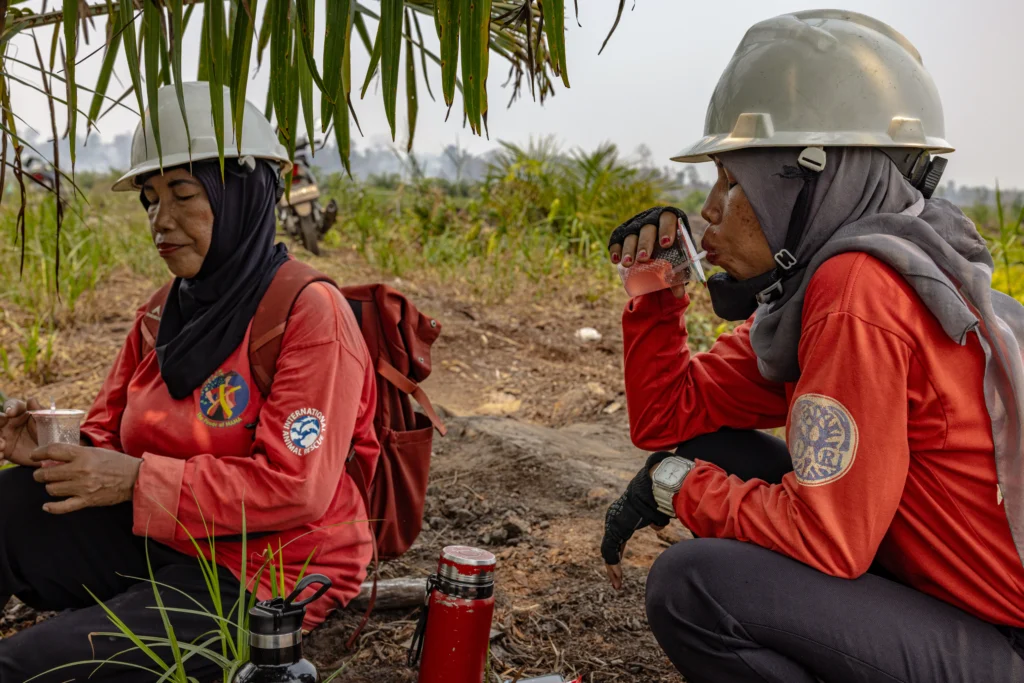
The preparations involved make it clear that this fire patrol routine is no easy task. Every day, the two volunteers on duty must cover vast distances. “We cover an area of over 30 kilometers sometimes reaching 32 kilometers,” Ema explains. They patrol for three to four hours daily (regular time) traversing village roads, palm oil plantations, and areas scarred by previous fires deep in the forest, extending all the way to the coastline or the forest edge.
The primary duty of these women is to monitor, document, and report fire hotspots using a mobile app. However, emergency situations often require them to go further. When they discover small hotspots near plantations or residents’ homes, and official firefighting units like Manggala Agni or local fire departments are overwhelmed and unable to reach the location, these women step in to extinguish the fires manually.
The tools used is what can be used to extinguish the flames. “We use whatever we can. Leaves, tree branches, or helmets; we even use our boots if there are no buckets available,” Ema explained.
The heat from the burning areas whether from peatlands or brush fires near residents’ homes is can feel across her entire body.
A pungent, strong smell of burning filled the air, while ash swirled about, settling on everything.
Ema was frequently seen squinting, her eyes stinging from the thick smoke; the sound of her heavy breathing can be hear from behind the thin black cloth mask she wore.
Accessing water was often a challenge, too, as the dry season brought drought. She was fortunate if a water source was nearby; otherwise, she had to rush to the source, fill a bucket or whatever she has, douse the flames, and repeat the process until the fire was extinguished.
Extinguishing fires on peatland is difficult because the fire burns underground. A fire might appear extinguished on the surface, only to flare up again minutes later because the fire beneath the soil hasn’t been fully put out.
The struggle to extinguish fires proves to be just as difficult as combating the stigma within the community.
The sight of women in red uniforms and protective gear, riding motorcycles into forests and plantations, is often met with suspicion and anger.
Suriati (32), a member of the Sungai Putri Village TPOM, recounted the challenges of facing negative reactions from residents. Many landowners resented being visited, suspecting the women were merely looking for faults or just there to take photos. Some residents even accused them of doing this dangerous work for a large paycheck.
While on patrol, Suriati and her teammate Ratina encountered residents who were extinguishing a fire in an oil palm plantation. Their attempts to engage the individuals in conversation were met with a cold, indifferent response; initially reluctant to answer, the people eventually admitted they were not from the local village and were merely hired hands working for the landowner.
“They must be liars. If we weren’t getting paid, why would we go into the forest like this?” Suriati said, mimicking the residents’ taunts.
Suriati and Ratina, they are entirely unpaid volunteers. She reasoned that fire does not care who owns a plantation. Similarly, leaping flames and wind-blown smoke can land or be inhaled anywhere and by anyone. Therefore, regardless of who owns the land or what crops are growing there, any visible fire must be reported and extinguished.
The traditional people of Kalimantan have a local tradition of land burning that was historically governed by strict rules. Local wisdom mandated the creation of firebreaks to prevent the fire from spreading uncontrollably. In the past, the land being burned was limited to private or village-owned plots. Today, however, while the principle of land burning remains the same, the scale has shifted to corporate-owned oil palm plantations.
The practice aimed to enrich the soil, reduce acidity, and control pests. Today, however, the primary drivers are economic specifically the pursuit of efficiency and the intention to replace forest vegetation with oil palm plantations.
El Niño conditions make these practices worst which represent a form of covert capitalism masquerading as agricultural tradition.
According to Ema, the community was originally formed by the Yayasan Inisiasi Alam Rehabilitasi Indonesia (YIARI) based on a powerful premise: the voice of a mother.
“Mothers have a strong influence. When we speak to the men (the community members usually found in the fields or forests) they actually listen,
Ema explained.
That is why the group was named “The Power of Mama.” Armed with patience and a maternal approach, they routinely engage in advocacy and outreach during their patrols, urging landowners not to clear land for cultivation by burning it.
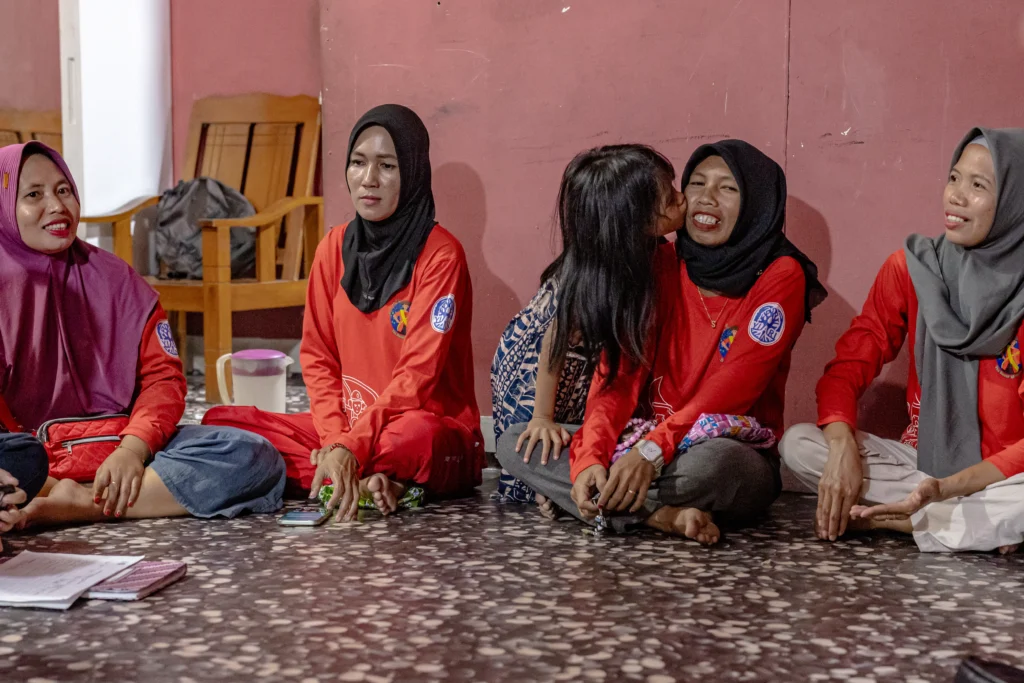
Despite the challenges involved, joining the TPOM has brought about a major transformation for these women. The housewives, farmers, small shopkeepers, or educators, now have greater opportunities for personal growth.
Ibu Misnati (Cik Na), a native of Sungai Putri Village, for instance, says she only became fully familiar with her village’s boundaries extending all the way to the forest edge after joining this community.
The “Power of Mama” members also receive vital training in areas such as firefighting, occupational health and safety (K3), and environmental conservation techniques. Furthermore, they have built strong networks with TPOM groups in other villages and gained access to social security coverage (BPJS Ketenagakerjaan) provided by YIARI.
Beneath their fiery determination to extinguish blazes lies deep sorrow over the destruction of Ketapang’s natural ecosystem. Ema and Ely’s generation are living witnesses to the loss of the tropical rainforest’s former glory.
Ema recalls how, during her childhood in the early 1990s, her village was surrounded by dense forest.
“Orangutans, wild boars, and deer were plentiful here,” she reminisces.
Back then, the air was clean, fireflies lit up the night, butterflies fluttered freely in the morning, and residents would bathe in the ditches because the water was still clear and pure.
However, everything changed drastically following a series of massive forest fires between 1994 and 1996. The forest was stripped bare, wildlife vanished, and the ditch water turned yellow. The vanished forest has since been transformed into oil palm plantations.
Ely shares similar sentiments. Her childhood memories from four decades ago are filled with adventures gathering firewood, navigating the swamps by canoe, and foraging for wild fruits. She recalls a time when cockatoos, hornbills, parakeets, and even clouded leopards still roamed the swamp forest behind her home.
The community also possesses local knowledge regarding flora such as a shrubby plant known as “Mijan” which bears pinkish-purple flowers and is frequently used to make fever-reducing compresses for children.
“It’s getting hard to find that to find Mijan”, Ely says softly.
That flora, fauna, and local wisdom were all consumed by the burning forest. For the Malay Masyarakat Adat, who are used to living with the forest and the sea, losing the forest is the same as losing half their soul.
Now, they realize that extinguishing today’s fires does not guarantee the forest can be restored to its former state. Yet, once the fires are out, will the land be replanted with commercial crops like oil palm which tends to dry out the peat or will it be rehabilitated with fibrous trees capable of retaining water?
Despite risking their lives amidst choking toxic smoke, sacrificing time with their families, and enduring scorn, these mothers from Ketapang refuse to give up. For them, “The Power of Mama” is not merely a patrol routine, but an act of love.
“To me, ‘The Power of Mama’ represents knowledge,” Ema asserts.
It is the knowledge needed to protect what remains and to stem the tide of destruction due to selfishness and El Niño, so that their children and grandchildren might one day still breathe air without choking on smoke.